DbcultAccessing Vault...
4.4/10
Senior Film Conservator
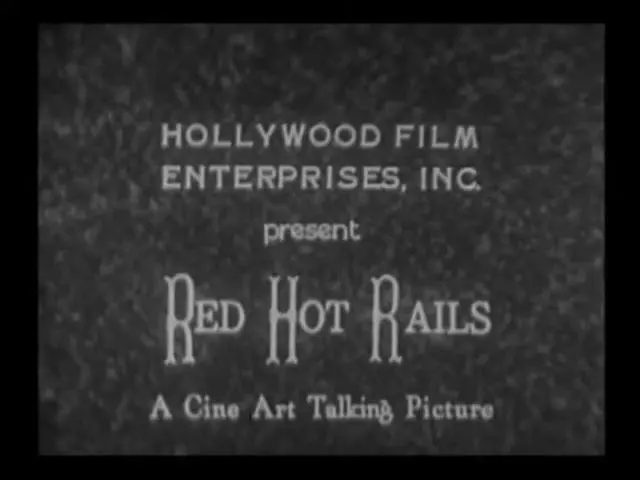
A definitive 4.4/10 rating for a film that redefined the boundaries of cult cinema. Red Hot Rails remains a cornerstone of transgressive art.
Is Red Hot Rails a film that warrants your precious time in the bustling landscape of contemporary cinema? Short answer: yes, but with significant caveats. This early cinematic offering, a testament to the storytelling prowess of Robert E. Sherwood, remains a fascinating artifact, a visceral journey back to a foundational era of filmmaking.
It's a film for the dedicated cinephile, the historian, and anyone with a keen interest in the evolution of narrative tension on screen. However, those accustomed to modern pacing, complex character arcs, or sophisticated visual effects might find its straightforward approach and occasional melodramatic flourishes a challenging proposition.
Red Hot Rails, a forgotten gem from a bygone era, operates with the raw, unpolished energy of a newly forged locomotive. It’s a film that, despite its age and certain narrative naiveties, still manages to generate genuine excitement and emotional resonance, primarily through its sheer conviction and the magnetic presence of its lead, John R. McCrory.
This film works because of its relentless forward momentum and McCrory’s surprisingly nuanced portrayal of a man under immense pressure, transforming a potentially one-dimensional hero into something more compelling.
This film fails because its antagonist, while menacing, is painted with too broad a brush, lacking the subtle complexities that would elevate the core conflict beyond simple good versus evil.
You should watch it if you appreciate the foundational elements of cinematic storytelling, particularly the construction of suspense in an era before digital trickery, and are willing to forgive some period-specific theatricality.
Robert E. Sherwood’s screenplay, even in its nascent form, displays a keen understanding of dramatic structure, albeit one built on the conventions of its time. The stakes are clear, the hero is identifiable, and the villain is unequivocally despicable. It’s a formula, yes, but one executed with a conviction that feels almost revolutionary when viewed through a contemporary lens.
The story of Jim 'Sparky' Callahan is not merely a tale of a train engineer; it’s an exploration of integrity against overwhelming odds. McCrory, as Sparky, embodies the working-class hero with a palpable blend of grit and vulnerability. His performance, often relying on exaggerated gestures and facial expressions typical of the era, transcends mere pantomime, conveying genuine anguish and determination.
Consider the scene where Sparky first discovers the sabotaged tracks. McCrory doesn't just react; his entire body language shifts, a subtle tremor in his hands, a widening of his eyes that communicates not just surprise, but a dawning horror and personal betrayal. It’s a powerful moment, grounding the fantastical peril in human emotion.
The film’s central conflict, the battle against the land baron, feels less like a corporate espionage thriller and more like a classic Western transposed onto the rails. The baron, a figure of almost cartoonish villainy, serves his purpose: to provide an unambiguous threat that allows Sparky’s heroism to shine brightly. While this simplicity might grate on modern sensibilities, it undeniably contributes to the film’s relentless pacing.
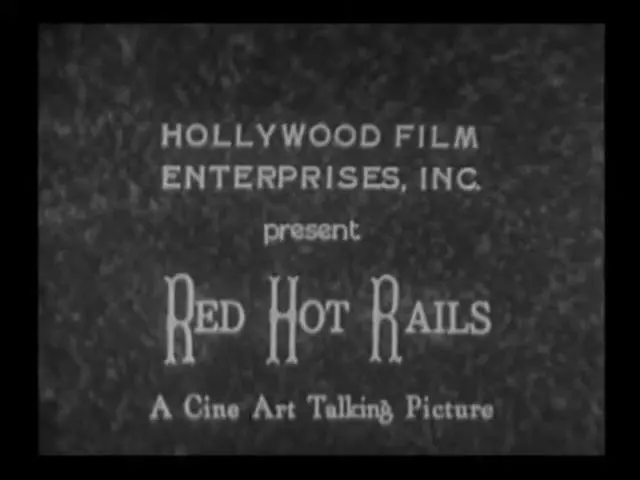
While no specific director is credited, the visual language of Red Hot Rails speaks volumes about the early pioneers of filmmaking. The camera, often static, finds its dynamism in the movement of the trains themselves, creating a sense of scale and power that was revolutionary for its time. The use of practical effects, particularly the miniature work for the train crashes and the daring stunts involving real locomotives, is breathtaking.
There’s a particular sequence where Sparky must cross a collapsing bridge. The shots, seemingly captured with a degree of peril that would make modern safety coordinators faint, convey an almost documentary-like authenticity. This commitment to practical, in-camera effects gives the film a tangible weight that CGI, no matter how sophisticated, often struggles to replicate. It’s a raw, unvarnished beauty, similar in its pioneering spirit to the visual experiments seen in Kino-pravda no. 4, though with a different narrative focus.
The editing, while not as rapid-fire as contemporary action films, is surprisingly effective in building suspense. Cross-cutting between Sparky in his engine and the villain’s machinations creates a sense of impending doom that keeps the audience on edge. The film understands the power of the slow burn before exploding into frantic action, a technique that still resonates today.
The lighting, often stark and reliant on natural sources or rudimentary stage lighting, gives the film a gritty, almost noirish texture in its darker moments. Shadows play a crucial role, obscuring villains and highlighting the desperate plight of our hero. It’s a simple but effective palette, painting a world of danger and urgency.
Absolutely, for the right audience. If you appreciate the foundational elements of cinema, the pioneering spirit of early filmmakers, and compelling performances delivered with earnest conviction, Red Hot Rails offers a rewarding experience. It's a window into a different era of storytelling, where spectacle was achieved through daring practical effects and human drama was conveyed with a directness that modern cinema often shies away from. It's not a casual watch; it demands an appreciation for its historical context and a willingness to engage with its unique rhythm.
Red Hot Rails is more than just a relic; it's a roaring testament to the enduring power of classic storytelling and the sheer audacity of early cinema. While it undoubtedly carries the hallmarks of its era – a certain melodramatic flair, a straightforward villain, and a hero of unwavering moral rectitude – these elements are not necessarily detractions. Instead, they form the very fabric of its charm, offering a window into a period when film was still discovering its voice.
John R. McCrory’s performance anchors the entire production, delivering a physical and emotional intensity that transcends the limitations of silent or early sound film acting. His Sparky is a hero you can genuinely root for, embodying the spirit of perseverance against overwhelming, tangible threats.
For those willing to engage with its historical context and appreciate its groundbreaking practical effects, Red Hot Rails is a surprisingly gripping experience. It’s a film that demands a certain patience but rewards it with a thrilling, heartfelt narrative that, like a powerful locomotive, barrels forward with unwavering purpose. It is a vital piece of cinematic history, pulsing with a raw energy that, even today, feels genuinely red hot.
IMDb —
1920
Community
Log in to comment.