DbcultAccessing Vault...
Cult Review
Senior Film Conservator
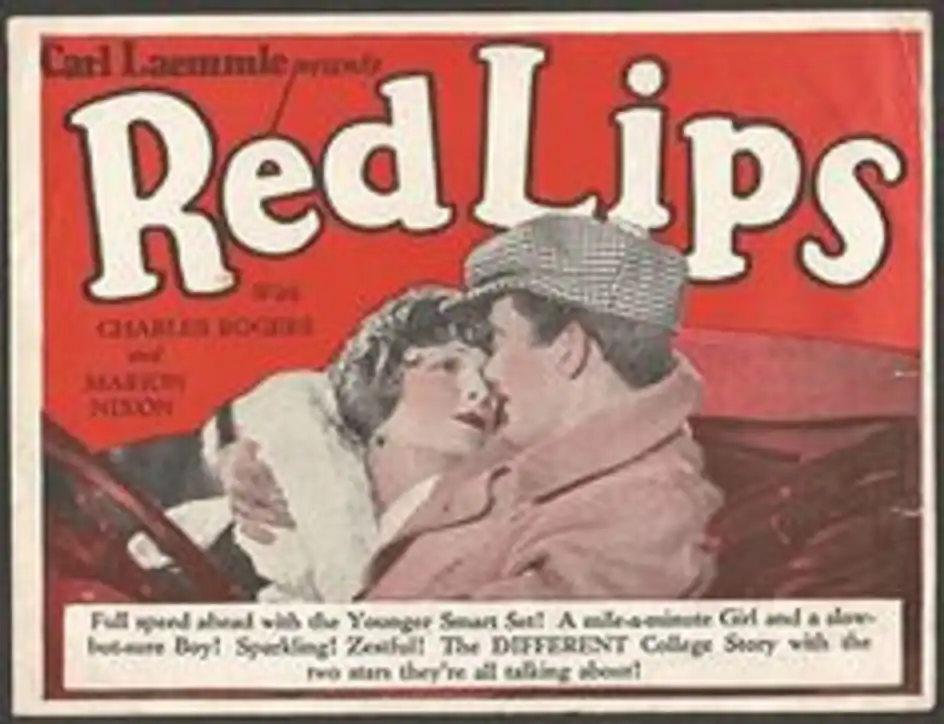
Alright, let’s talk about Red Lips. This one’s a silent film from way back in 1928. So, before anything else, you gotta know what you’re getting into. 🎥
If you're someone who appreciates film history, or just curious about how stories were told on screen before dialogue took over, then yeah, there’s something here for you. But if you’re looking for fast-paced action or snappy modern dialogue, you’ll likely find it a bit of a slow burn, probably even a chore. It’s definitely not for everyone, but it’s got its own quiet charm.
The story, as these things often go in the late '20s, is a pretty straightforward romance. A young woman, played by Marian Nixon, falls for a dashing aviator, Charles 'Buddy' Rogers.
Naturally, complications arise. Think a rival suitor or a disapproving parent – the usual melodrama ingredients. It's very earnest, very much of its time.
Marian Nixon is *really* doing the work here. Her expressions are just *huge*, exactly what you expect from a silent star.
There’s this one close-up, I think it’s when she first hears some bad news, and her face just crumples. It almost feels a bit much today, but you totally get the emotion she’s trying to convey. It’s very effective for the era.
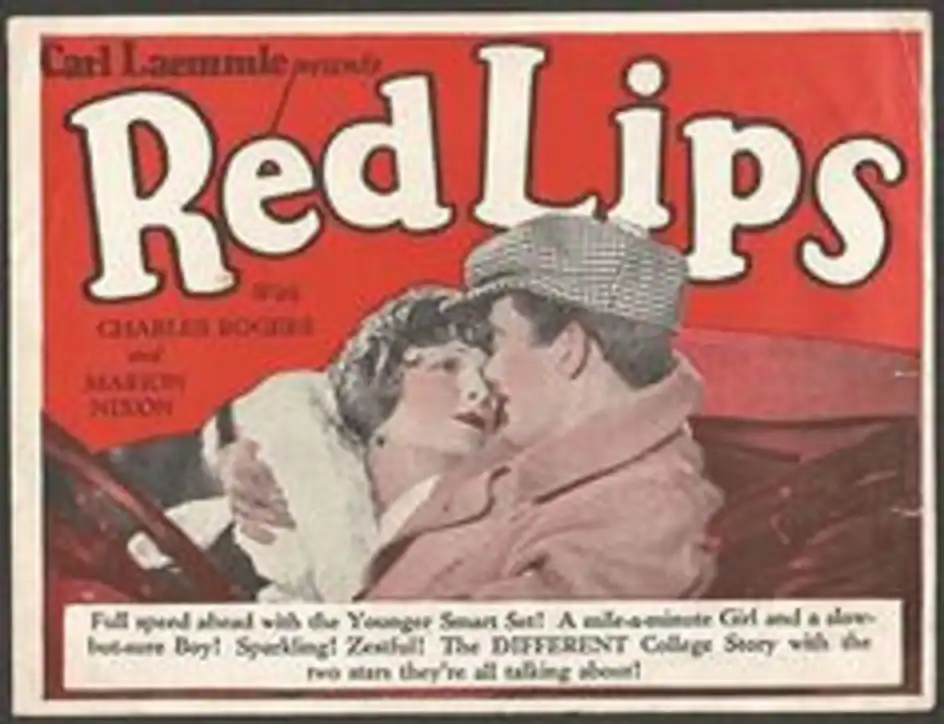
Buddy Rogers, meanwhile, plays the hero with all the earnestness you’d hope for. He’s got that classic matinee idol look.
You can almost feel the film trying to convince you his struggle matters. All that dramatic lighting on his face during a pivotal moment, for example, and the way he paces around a room, full of nervous energy, it's quite something.
What really strikes you, though, is the pacing. Silent films, they move at their own rhythm, right?
There are these moments where the scene just *lingers*. A character will walk across a room, and it takes what feels like an eternity. Then suddenly, BAM, a chase sequence or a quick cut, and things speed up. It’s a very interesting contrast that takes some getting used to.
The intertitles, those little cards that pop up with dialogue or narration, are a big part of it. Sometimes they feel a little clunky, breaking up the flow right when you’re getting into a scene.
Other times, they add just the right bit of context. There’s one that just says, in big, bold letters, "A HEART DIVIDED!" — you can practically hear the dramatic organ music. 🎶
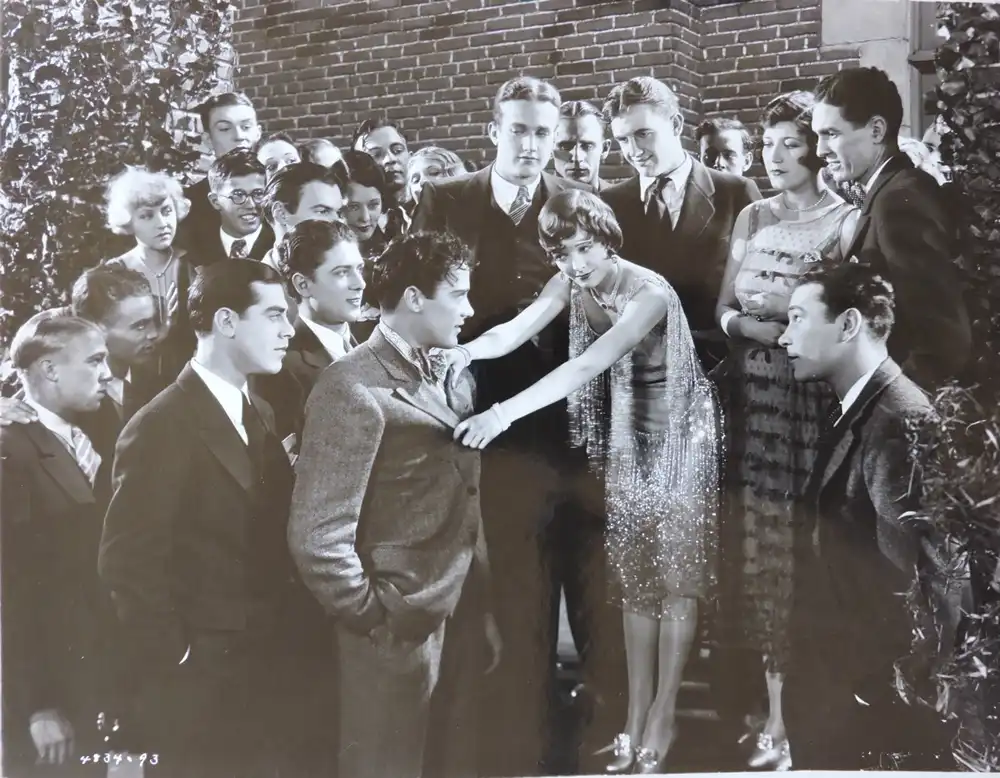
You’ll spot Andy Devine in an early role too, probably providing some comic relief. He has this kind of… *awkward* physicality even then. There’s a scene where he trips over something, and it gets a much bigger reaction shot than you’d expect. One reaction shot lingers so long it becomes funny. It’s a small thing, but it sticks with you.
The sets are simple, but they get the job done. Lots of painted backdrops and minimal props. But somehow, it still feels grand enough for the story.
There’s this fancy car that shows up a few times, a real showpiece for the time. It really stood out.
It’s not a film that’s going to redefine your understanding of cinema, not really. It’s more like a window. A look back at the craftsmanship and storytelling of a different time.
The performances are big, the emotions are big, and the plot is… well, it’s exactly what you’d expect for the time period. If you’re into One Glorious Day or other films from that era, you might appreciate the feel of it.
The scene goes on about 20 seconds too long, and the silence starts to feel awkward rather than emotional at one point. It’s a recurring thing with older films, that need to hold a moment. But then it cuts, and you move on. It is what it is.
So, *Red Lips*? It’s a piece of history. A quiet, sometimes melodramatic, sometimes unintentionally funny piece. Worth a watch if you're a film buff. Otherwise, maybe just stick to the talkies. 😉
IMDb 6.7
1931
Community
Log in to comment.