DbcultAccessing Vault...
Cult Review
Senior Film Conservator
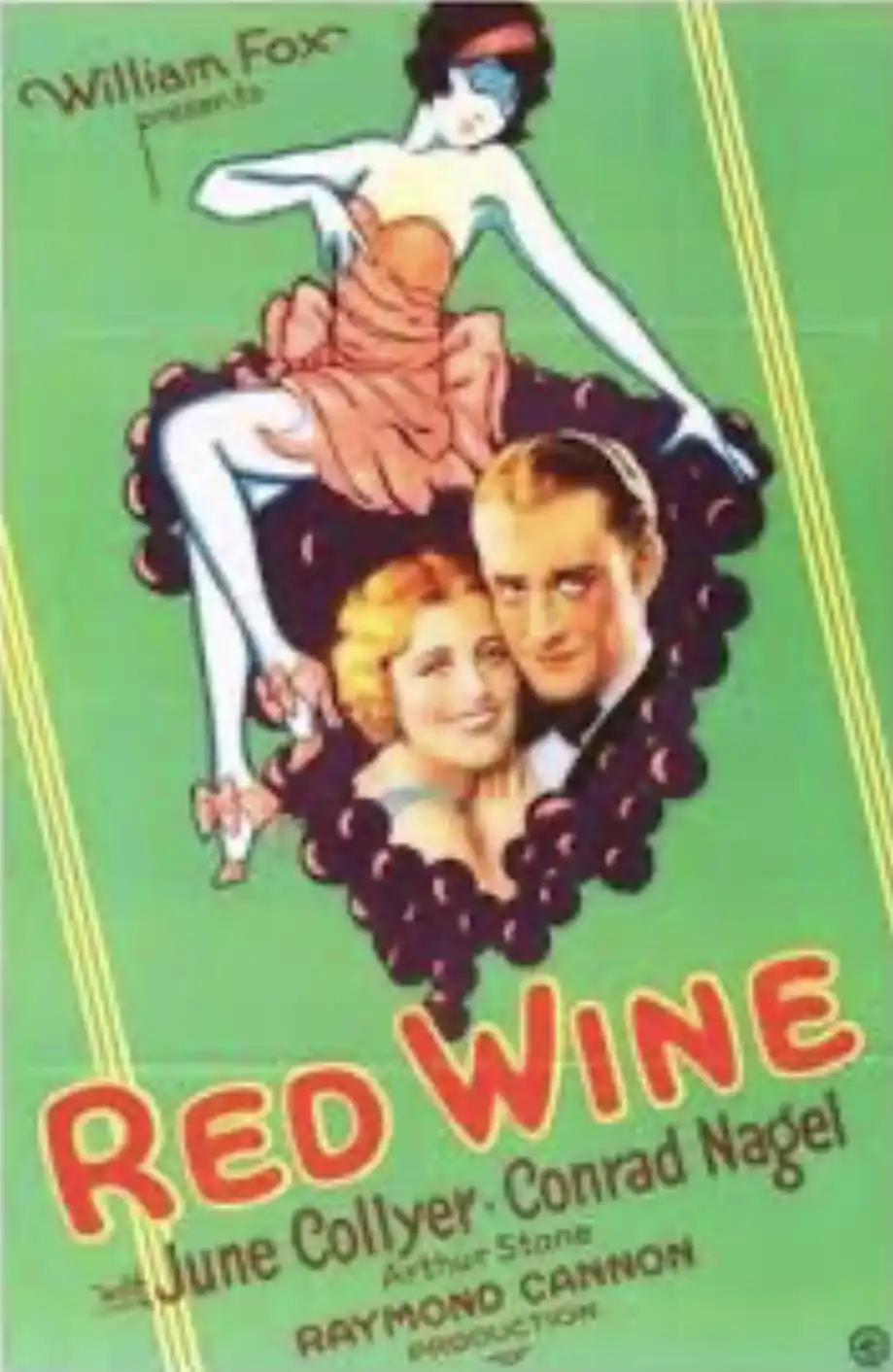
"Red Wine" isn't a film you stumble upon by accident, unless you're deep-diving into obscure pre-code cinema or have a particular fondness for marital infidelity played for mild laughs. If you're into that very specific niche, where morality plays are thin but the fashion is surprisingly sharp, you might find something here. But for anyone expecting compelling drama or genuine suspense, this one's probably a hard pass. It's more of a curious artifact than a compelling watch today.
The plot, such as it is, centers on Charles Cook, a guy with a severe case of wandering eyes and a wife, Alice, who seems a bit too trusting. Charles tells Alice he's off to important "business meetings." We, the audience, know these meetings involve his pal Jack Scott and a whole lot of *not-business*. 🍷
Jack introduces Charles to a woman named Miss Scott, who's got a knack for "understanding" husbands. And by understanding, they mean she's really good at making them forget they have a wife at home. Ernest Hilliard, as Charles, has this perpetually smug look, like he's constantly getting away with something. It's almost cartoonish.
There's a scene, early on, where Charles is talking to Alice about his 'work,' and she's just ironing or doing some domestic thing. The camera holds on her for a moment after he leaves. You can practically hear her sigh. It's a small beat, but it hints at a deeper, sadder story the film isn't really interested in telling. Instead, we get more of Charles enjoying his "boys' nights out."
The "Marion Morgan Dancers" get a credit, and yeah, there are some musical numbers. They feel a bit shoehorned in, like the movie suddenly remembered it needed some pizzazz. It's a common thing for the era, but here it breaks any flimsy tension built up. One number, with all these feathers and sequin, is *really something*. 💃
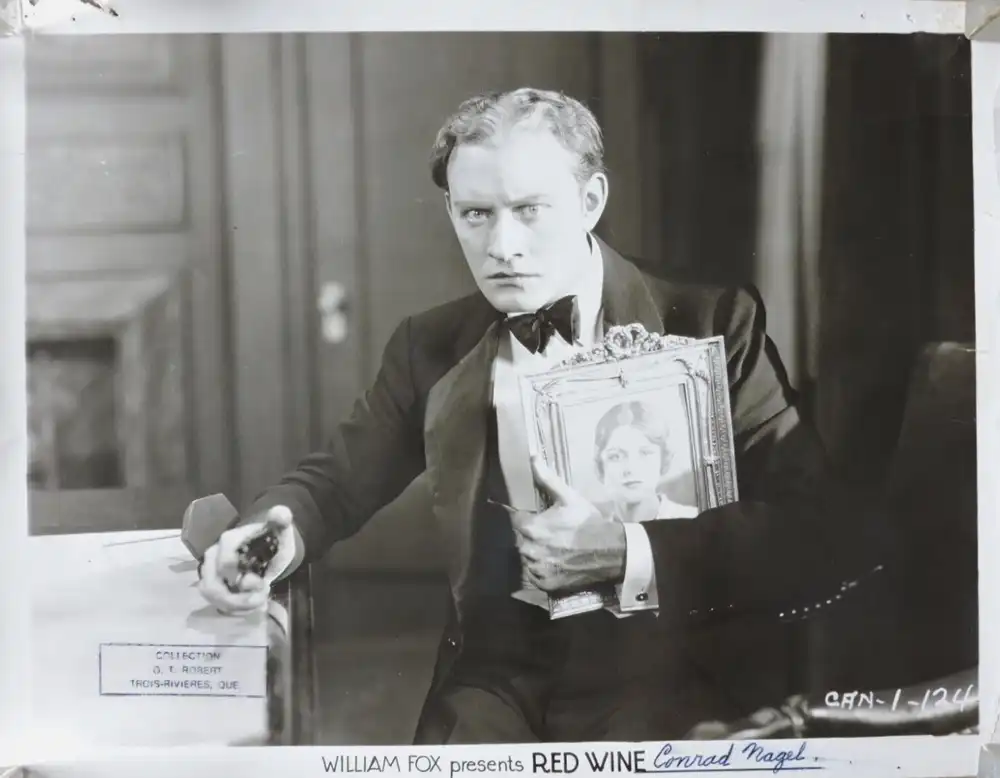
Betty Stockton, playing Miss Scott, has a presence. She's supposed to be the temptress, and she certainly looks the part. But the writing gives her little beyond being an object of desire. Her "understanding" of men never really feels like a character trait, just a plot device.
Alice, played by June Collyer, is the one you feel for. She's often shown alone, just waiting. The movie doesn't dwell on her pain, but those brief glimpses are probably the most human moments. She makes a cake for Charles at one point, all hopeful, and he's off gallivanting. It's a simple image, but it sticks with you.
The movie tries to play Charles's antics for comedy. Like when he schedules "more business meetings." It's supposed to be funny, but it just makes him look a bit pathetic. The humor feels dated, or maybe it just wasn't that funny to begin with.
What stands out isn't the grand plot, but these little details. The way someone lights a cigarette, the patterns on the wallpaper in Alice's home. These tiny things give it a sense of time, even if the story feels pretty timeless in its *man-being-a-doofus* kind of way.
Conrad Nagel is also in this, but blink and you'll miss him. Or maybe I just missed him. It's not a film that demands your full attention, which is probably for the best.
So, is there a moral to this tale? Well, eventually, Charles kinda gets what's coming to him, in a gentle, "lesson learned" sort of way. Don't expect any huge dramatic comeuppance. It's all rather neat and tidy. The messy bits are glossed over, or danced around, literally.
IMDb —
1929
Community
Log in to comment.