DbcultAccessing Vault...
Cult Review
Senior Film Conservator
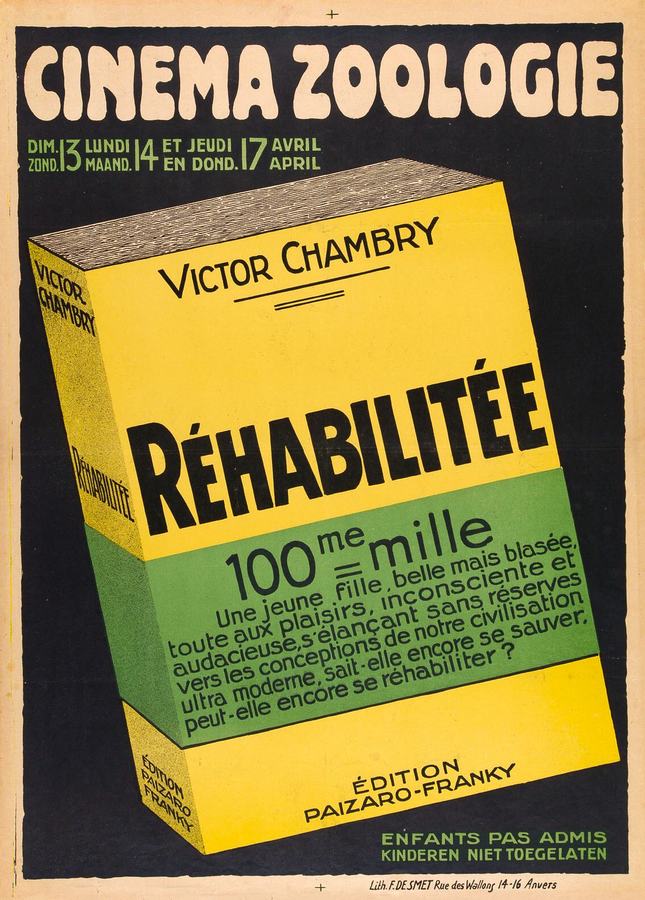
Réhabilitée, with its rich and complex storyline, presents a cinematic experience that is both deeply personal and universally relatable. The film, starring Christiane Guy, Jane Myro, and Andrée Brabant, among others, is a masterful tapestry of human emotions, weaving together themes of redemption, personal growth, and the societal factors that influence our journeys. As we navigate the narratives of the characters, we find ourselves entwined in their struggles, their triumphs, and their quest for a second chance—a chance that is not merely about erasing the past but about learning from it and emerging stronger.
One of the standout aspects of Réhabilitée is its thoughtful pacing, which allows the audience to fully immerse themselves in the world of the film. Unlike The Tell-Tale Step, which relies heavily on plot twists, Réhabilitée focuses on the character-driven narrative, delving deep into the psychological and emotional states of its protagonists. This approach makes the film feel more intimate and character-centric, similar to The Golf Bug, but with a much more serious and contemplative tone.
The performances by the cast are commendable, with Christiane Guy and Jane Myro delivering particularly noteworthy performances. Their portrayals are nuanced and layered, capturing the complexity of their characters' inner worlds. The chemistry between the actors is palpable, adding depth to the film's narrative and making the characters' interactions feel authentic and engaging. The supporting cast, including Andrée Brabant, Jean Devalde, and Max Dhartigny, also contributes significantly to the film's emotional resonance, each bringing their unique perspective to the story.
From a thematic standpoint, Réhabilitée engages with several profound ideas, including the concept of rehabilitation and what it truly means to be given a second chance. The film challenges the viewer to consider the societal structures that often hinder personal growth and redemption, echoing themes found in Fares and Fair Ones and The Pride of Jennico. It poses questions about the nature of forgiveness—both of oneself and others—and the process of healing and moving forward. These themes are explored with a sensitivity and depth that are rare in contemporary cinema, making Réhabilitée a truly exceptional film.
In comparison to other films of its era, such as A Misfit Earl and With Stanley in Africa, Réhabilitée stands out for its mature and thoughtful approach to storytelling. It avoids the melodrama and simplistic resolutions that were common in many films of the time, instead opting for a more realistic and often poignant portrayal of life. This realism, combined with the film's well-developed characters and engaging narrative, makes Réhabilitée a compelling watch for audiences looking for a cinematic experience that will linger long after the credits roll.
The cinematography and production design of Réhabilitée also deserve mention, as they play a crucial role in setting the tone and atmosphere of the film. The use of lighting, in particular, is noteworthy, as it helps to convey the emotional states of the characters and guide the viewer through the narrative. The settings, whether indoors or outdoors, are meticulously chosen to reflect the characters' backgrounds and personalities, adding another layer of depth to the story. This attention to detail is reminiscent of The Lone Star Rush and The Rage of Paris, though Réhabilitée's approach is distinctly more subdued and contemplative.
In conclusion, Réhabilitée is a film that will resonate with viewers on a deeply personal level. Its exploration of the human condition, coupled with its thoughtful pacing and strong performances, makes it a standout in the world of cinema. For those interested in character-driven narratives and themes of redemption and personal growth, Réhabilitée is certainly a film worth watching. It offers a cinematic experience that is both moving and thought-provoking, with a depth and complexity that are sure to leave a lasting impression. Whether you're a fan of La secta de los misteriosos, A Law Unto Herself, or Fantomas: The Man in Black, Réhabilitée brings a unique perspective to the table, one that is well worth exploring.
Ultimately, the success of Réhabilitée can be attributed to its ability to balance the specific, personal stories of its characters with broader, more universal themes. This balance, achieved through the meticulous craftsmanship of its writers, directors, and cast, results in a film that feels both intimate and expansive. As with The Charm School, The Wrong Door, and The Master Crook, Réhabilitée demonstrates a clear understanding of what makes a story compelling and how to bring that story to life on the screen. However, it is in its thoughtful and nuanced exploration of the human condition that Réhabilitée truly distinguishes itself, offering a viewing experience that is as enriching as it is entertaining. For viewers seeking a film that will challenge their perspectives and linger in their thoughts long after the final scene, Réhabilitée is an excellent choice, a cinematic gem that shines brightly among its peers.
In the realm of cinema, where stories of redemption and personal growth are commonplace, Réhabilitée stands out for its sincerity and depth. It is a film that reminds us of the power of forgiveness, the importance of second chances, and the resilience of the human spirit. Through its characters and their journeys, Réhabilitée invites us to reflect on our own lives, our own struggles, and our own paths towards redemption. It is this reflective quality, combined with its engaging narrative and strong performances, that makes Réhabilitée a must-see film for anyone interested in a cinematic experience that is as thought-provoking as it is moving. Whether viewed as a companion to After the Show or as a standalone piece, Réhabilitée is sure to leave a lasting impression, a testament to the enduring power of cinema to inspire, to educate, and to transform.

IMDb 6.4
1933
Community
Log in to comment.