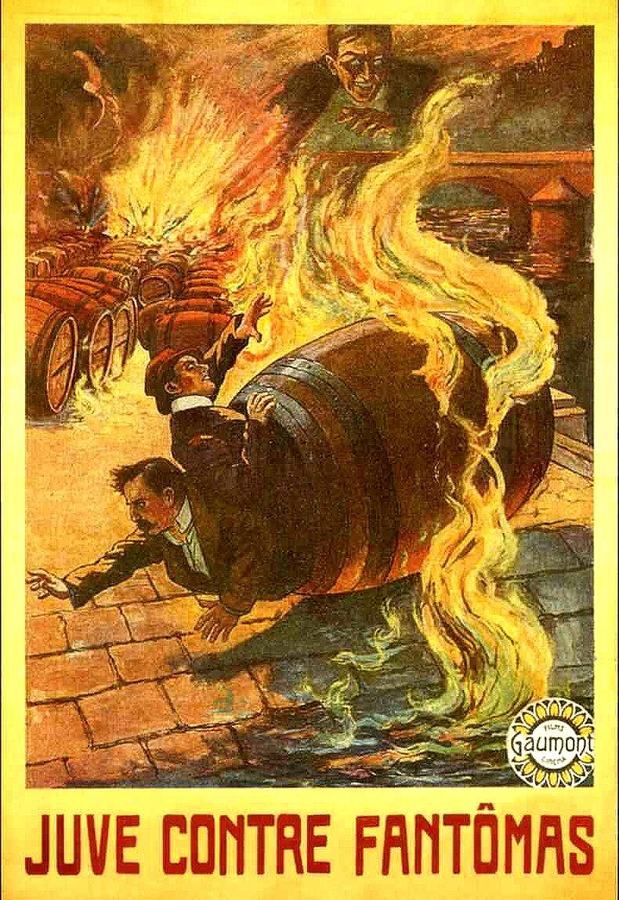
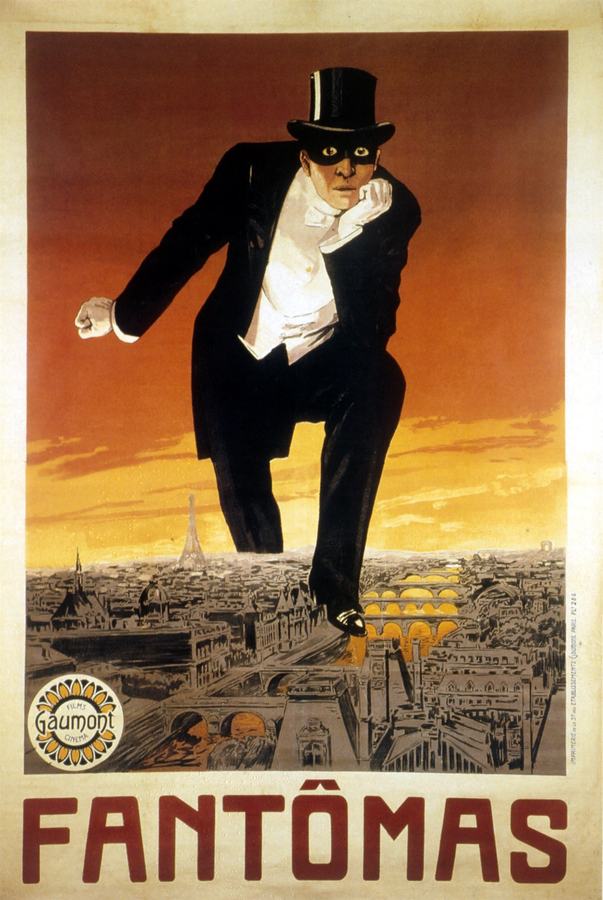
The creeping black assassin Fantômas, the criminal lord of Paris and master of disguise, has won the first round. But the equally resourceful Inspector Juve swears to win the second.
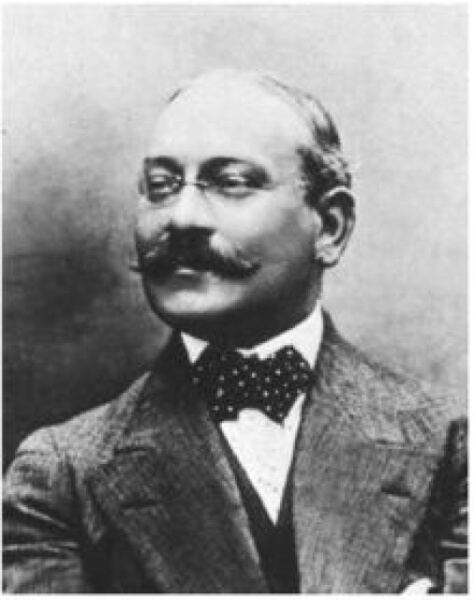
Marcel Allain, Louis Feuillade, Pierre Souvestre
France
Paris, 1913: electric lamps buzz like trapped cicadas, the Exposition’s newfangled Ferris wheel turns against a bruised sky, and in the flicker of a nickelodeon a gentleman in impeccable evening dress removes a mask—only to reveal the same cruel smile underneath. Welcome to Feuillade’s universe, where modernity itsel...
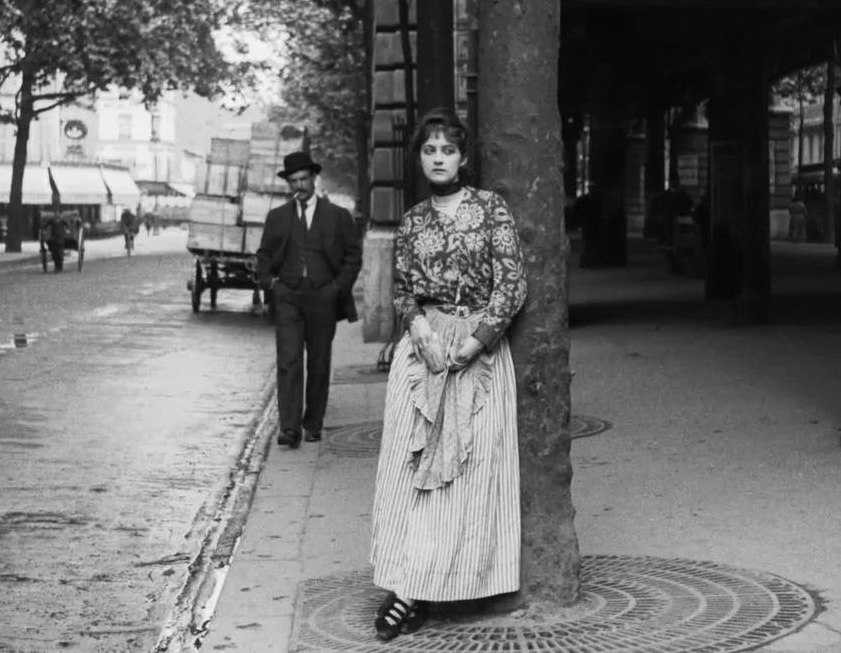
still_frame
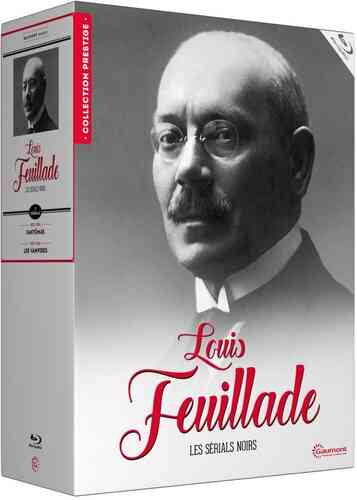
product
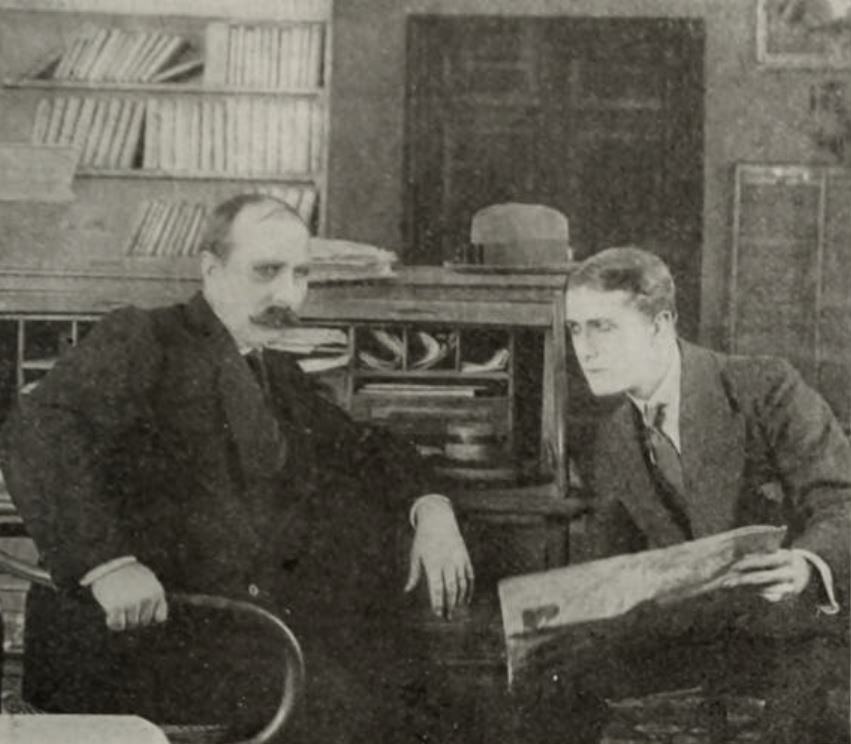
still_frame
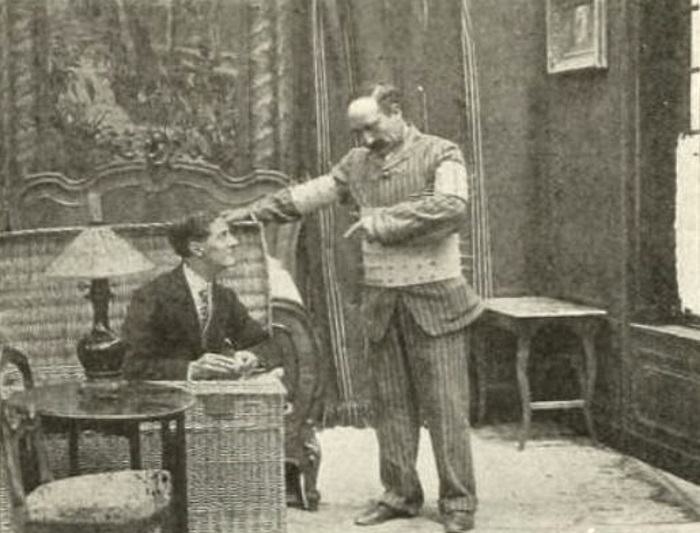
still_frame
Comparing the cinematic DNA and archive impact of two defining moments in cult history.
Louis Feuillade
Louis Feuillade
Community
Log in to comment.
" Paris, 1913: electric lamps buzz like trapped cicadas, the Exposition’s newfangled Ferris wheel turns against a bruised sky, and in the flicker of a nickelodeon a gentleman in impeccable evening dress removes a mask—only to reveal the same cruel smile underneath. Welcome to Feuillade’s universe, where modernity itself is the perfect accomplice. There is a moment—wordless, uncanny—when René Navarre’s Fantômas, framed in iris-shot silhouette, lifts a top-hat toward the camera as though saluting..."
Deep dive into the cult classic
Discover similar cinematic experiences
A Directorial Spotlight on Louis Feuillade