DbcultAccessing Vault...
Cult Review
Senior Film Conservator
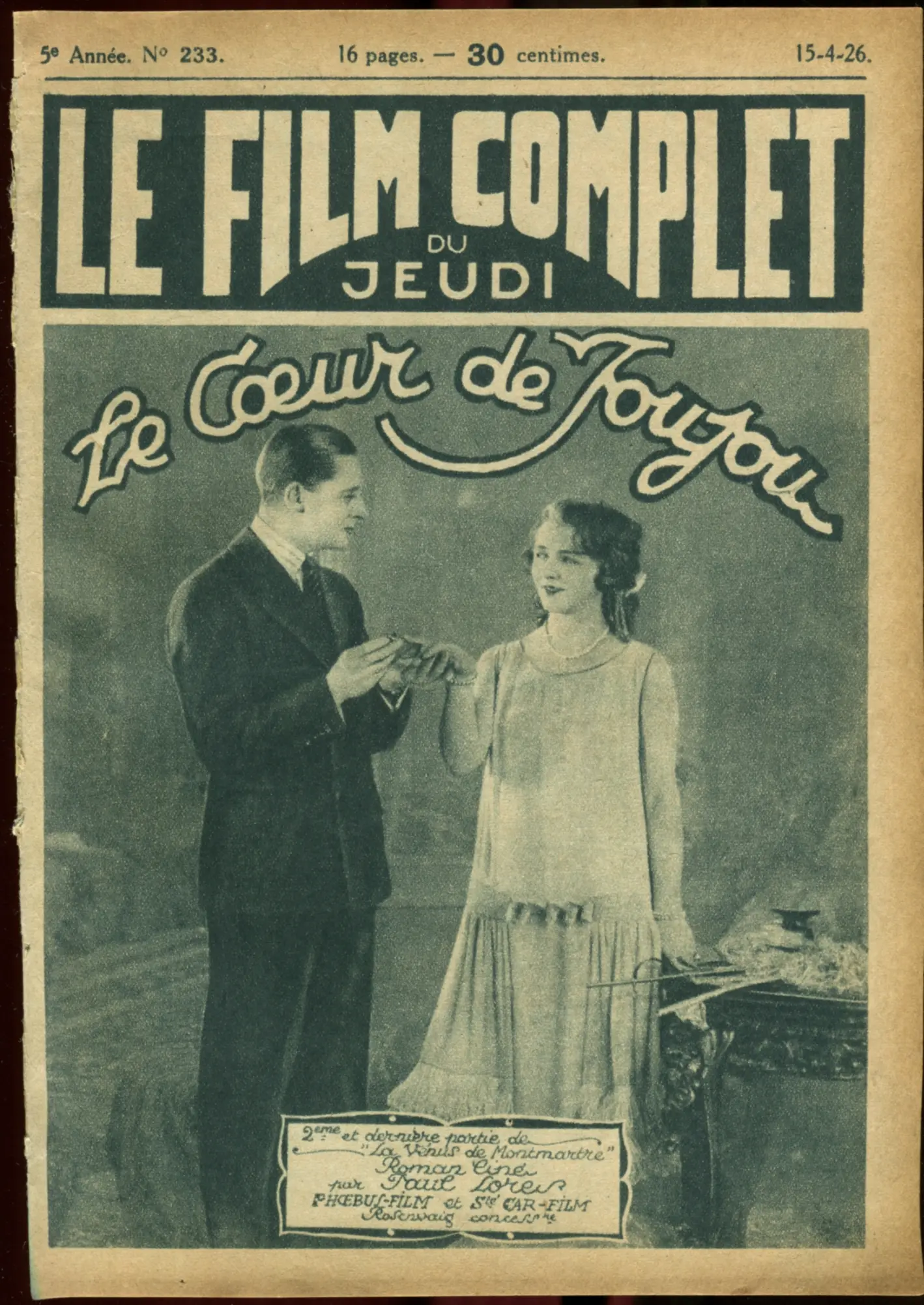
Is Die Venus von Montmartre worth watching today? Short answer: yes, but with significant caveats. This silent-era melodrama, with its rich tapestry of artistic ambition and tragic romance, offers a fascinating window into early cinematic storytelling, yet its pacing and theatricality will not appeal to everyone.
It's a film for cinephiles, historians, and those with a deep appreciation for the expressive power of silent performance, but likely not for casual viewers accustomed to modern narrative conventions.
This film works because of its audacious commitment to melodrama, its evocative visual language, and the sheer, magnetic presence of Lya Mara. Her portrayal of Colette is nothing short of captivating, a performance that transcends the limitations of the silent screen.
This film fails because its narrative, while emotionally potent, leans heavily into archetypes that can feel simplistic to a contemporary audience, and its pacing often demands a patience many viewers no longer possess. The grand, sweeping gestures, while effective for the era, occasionally border on the overwrought.
You should watch it if you are fascinated by the origins of cinema, appreciate the artistry of silent acting, or seek a poignant, if somewhat heavy-handed, romantic drama.
The story of Die Venus von Montmartre is, at its heart, a classic tragedy of love, art, and sacrifice. René Ferry’s screenplay masterfully crafts a narrative that, despite its silent medium, speaks volumes through gesture, expression, and the carefully composed intertitles. We are introduced to Colette, the flower seller, not merely as a character, but as an almost mythical figure, her beauty immediately establishing her as destined for something beyond her humble station.
Jean-Luc, the artist, is portrayed with a blend of youthful idealism and artistic torment. His instant recognition of Colette’s muse-like quality is a testament to the film’s romantic sensibilities, suggesting an almost fated connection. This isn't just a boy-meets-girl story; it’s the artist encountering his inspiration, a spiritual awakening as much as a romantic one.
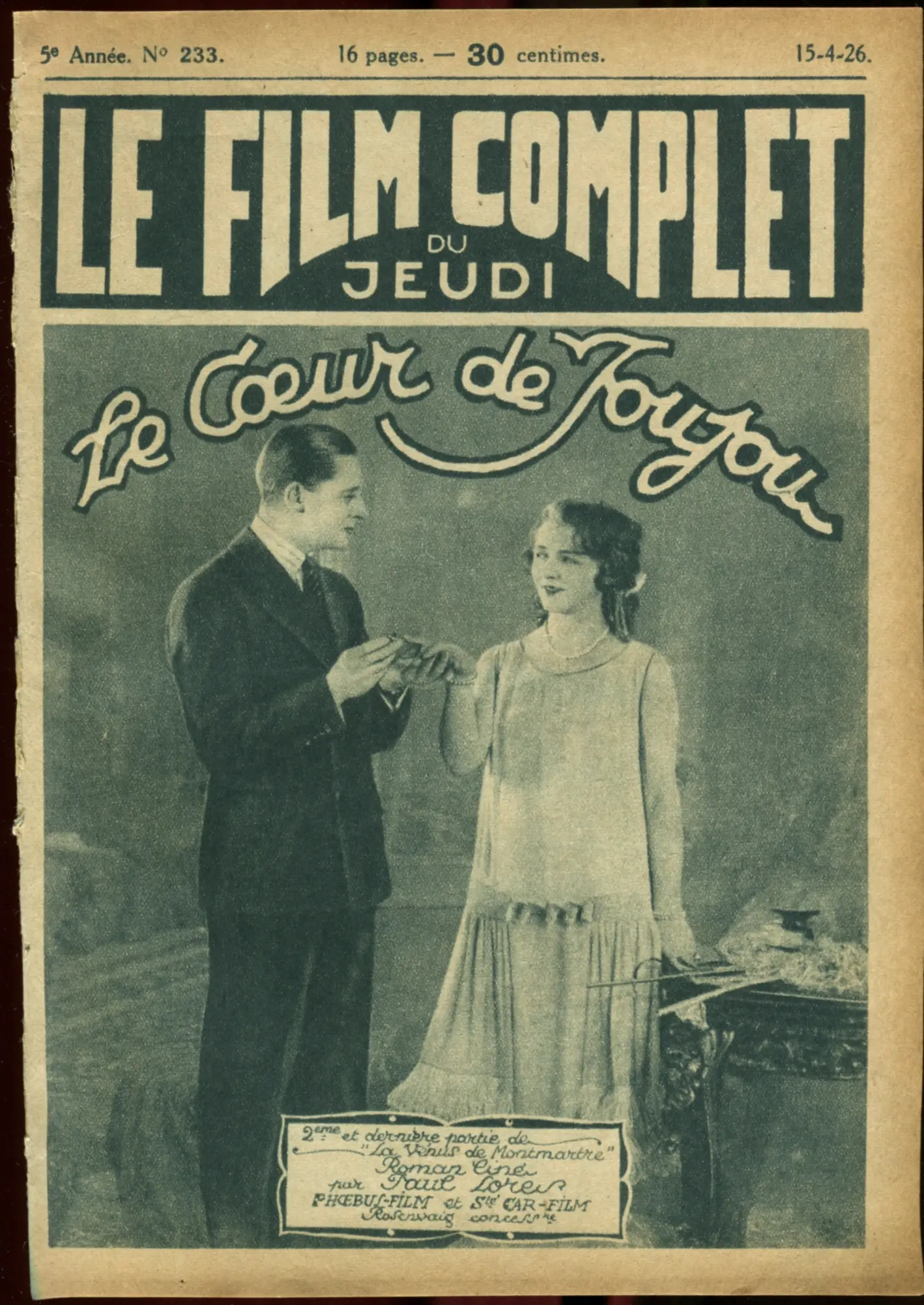
The intrusion of Madame Dubois, portrayed with a chilling elegance by Olga Tschechowa, introduces the central conflict: the collision of bohemian idealism with societal expectation and commercial ambition. She represents the corrupting influence of the outside world, a stark contrast to the pure, unadulterated passion found in Jean-Luc’s attic studio. This is where the film truly finds its dramatic footing, pushing its characters to make impossible choices.
Colette’s eventual sacrifice, her deliberate withdrawal from Jean-Luc’s life, is the emotional crescendo. It’s a moment of profound, self-effacing love that elevates the narrative beyond simple romance into the realm of high melodrama. While some might find it a trope, within the context of silent cinema, it’s a powerful, almost operatic conclusion to a relationship doomed by circumstance and the demands of artistic greatness. It’s a bold choice that leaves a lasting impression, a testament to the writer's understanding of profound emotional impact.
The visual language of Die Venus von Montmartre is, for its time, remarkably sophisticated. The director, whose vision guides every frame, understands the power of the image in a medium reliant solely on visual storytelling. Montmartre itself is not just a backdrop; it’s a character, rendered with a sense of romantic realism that feels both gritty and glamorous.
Consider the opening sequences: the bustling market scenes, with their dynamic compositions and intricate crowd movements, immediately immerse the viewer in the vibrant energy of the Parisian quarter. The use of natural light, or its clever simulation, in Jean-Luc’s studio lends an authenticity to the artistic process, contrasting sharply with the opulent, artificially lit salons of Madame Dubois.
The camera work, while often static by today's standards, employs subtle pans and tilts to guide the viewer’s eye, building a sense of space and intimacy. There’s a particularly striking shot where Colette is framed against a window overlooking the rooftops of Paris, her silhouette a fragile counterpoint to the city’s vastness. This visual choice powerfully conveys her isolation and the weight of her impending decision.
Close-ups are used judiciously, reserved for moments of intense emotional revelation. When a single tear traces a path down Lya Mara’s cheek, filling the frame, the impact is devastating, communicating more than any intertitle ever could. This is not merely functional cinematography; it is expressive, artistic, and deeply attuned to the emotional currents of the narrative. It’s a prime example of how silent film directors, working with nascent technology, could still conjure profound visual poetry.
The ensemble cast of Die Venus von Montmartre delivers performances that are both era-appropriate and surprisingly nuanced. Lya Mara, as Colette, is the undisputed star, her every gesture, every flicker of expression, conveying a world of emotion. She embodies the titular ‘Venus’ with a delicate strength, radiating both vulnerability and an inner resolve that makes her sacrifice all the more heartbreaking.
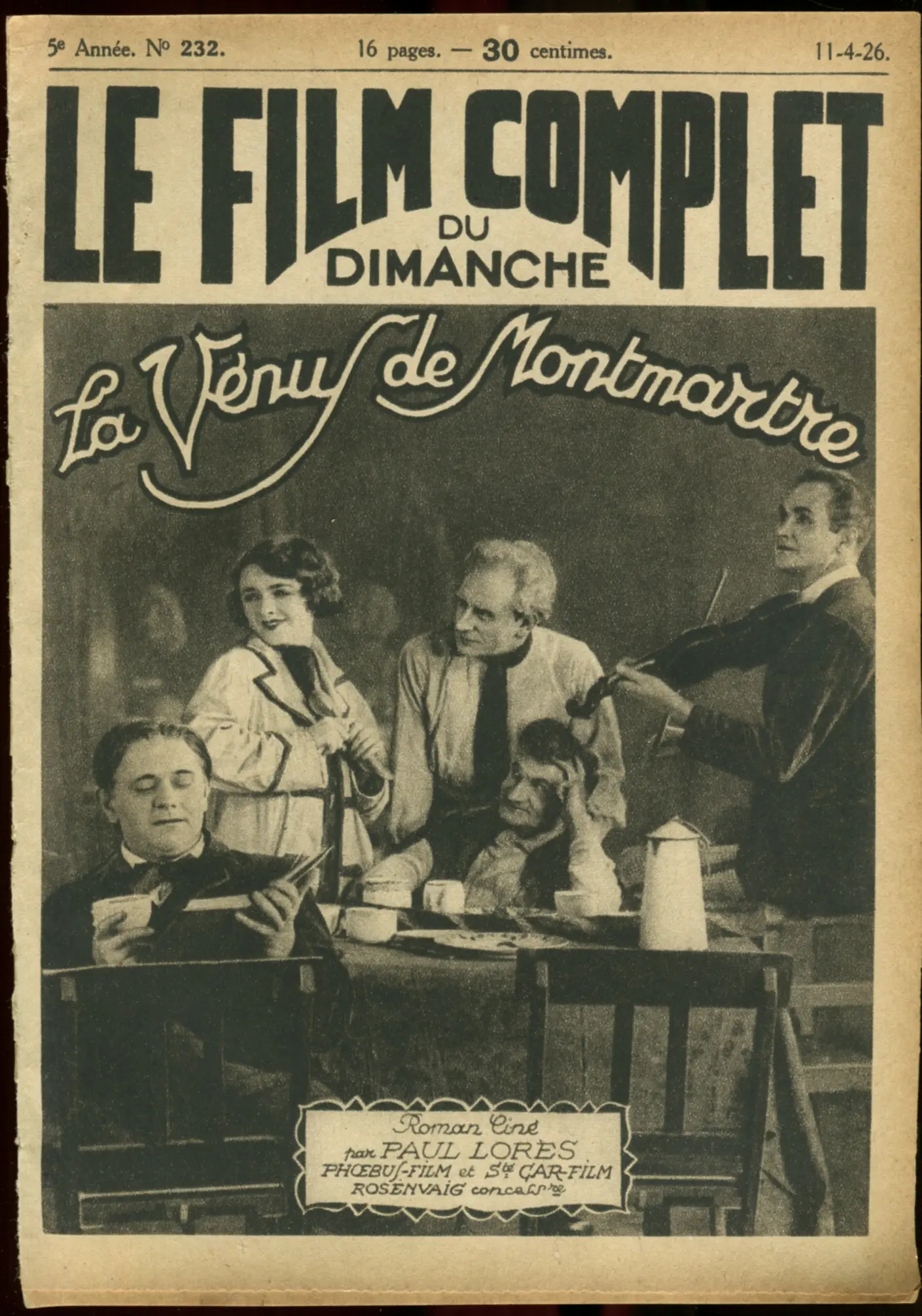
Her transformation from an unassuming flower seller to a confident, adored muse is beautifully charted through her physicality and gaze. One particular scene stands out: Colette posing for Jean-Luc. Mara doesn't just hold a pose; she inhabits it, her eyes communicating a mixture of affection, pride, and growing fear for their future. It’s a masterclass in silent screen acting, reminding us that true performance doesn't require dialogue.
Leopold von Ledebur’s Jean-Luc is a compelling counterpoint. He brings a convincing intensity to the role of the tormented artist, his broad gestures conveying passion and despair with equal force. His struggle between love and ambition is palpable, etched across his face in moments of agonizing decision. While perhaps more overtly theatrical than Mara’s, it’s a performance that grounds the film’s romantic core.
Olga Tschechowa, as Madame Dubois, excels in her role as the elegant antagonist. She radiates a cold, calculating charm, her subtle smiles and direct stares conveying a powerful sense of threat without ever resorting to overt villainy. Her performance is a testament to the power of understated menace, a stark contrast to the more demonstrative acting styles of some of her male co-stars. Even in a film from this era, the performances feel surprisingly modern in their emotional clarity, especially when compared to some of the more exaggerated styles found in contemporary films like The Canvas Kisser.
The pacing of Die Venus von Montmartre is characteristic of its era: deliberate, allowing scenes to unfold with a measured rhythm that builds emotional tension gradually. Modern audiences, accustomed to rapid-fire editing and constant narrative propulsion, might find certain sequences slow. However, this deliberate pace is not a flaw; it's an intentional artistic choice, allowing the viewer to absorb the visual details and the emotional weight of each moment.
The film excels at building to its melodramatic crescendos. The scenes leading up to Colette’s decision to leave Jean-Luc are particularly effective, punctuated by lingering shots and increasingly desperate expressions. This slow burn allows the audience to truly feel the impending heartbreak, making the final separation all the more impactful. It’s a pacing that rewards patience, drawing you into its emotional world rather than forcing you through it.
The tone is undeniably romantic, tinged with a pervasive melancholy. There’s a consistent undercurrent of longing and inevitable tragedy, even in the film’s most joyous moments. The bohemian setting of Montmartre, often romanticized, is here depicted with a bittersweet authenticity—a place of dreams, yes, but also of harsh realities. This tonal consistency is one of the film’s strengths, ensuring that its emotional message resonates clearly from start to finish.
It rarely deviates into comedic relief, maintaining its serious, artistic demeanor throughout. This singular focus on its dramatic core, while perhaps intense for some, ensures a powerful and cohesive viewing experience. It’s a tonal choice that sets it apart from more lighthearted silent comedies like The Golf Bug, firmly establishing its place within the dramatic tradition.
Yes, absolutely. For those interested in film history and the art of silent cinema, it's a valuable watch. It showcases the expressive power of early filmmaking.
The film offers a unique glimpse into the artistic and social sensibilities of its time.
Its emotional narrative and strong performances remain compelling, despite the passage of a century.
However, be prepared for a viewing experience that requires a different kind of engagement than contemporary cinema.
One might argue that the true genius of Die Venus von Montmartre lies not just in its individual merits, but in its very existence as a cultural artifact. Many films of this era are lost to time, their celluloid decaying, their stories fading from collective memory. The fact that we can still engage with a film like this, even if through a modern lens, is a triumph in itself.
It reminds us of the foundations upon which all subsequent cinematic art has been built, revealing the nascent techniques and narrative ambitions that would define the medium for decades to come. It’s a stark, beautiful reminder that storytelling, in its purest form, transcends language and technology. Its themes of artistic struggle and the price of ambition feel surprisingly timeless, echoing through modern narratives even today.
I genuinely believe that the emotional impact of this film, particularly Mara's performance, is underestimated by those who dismiss silent cinema as merely 'quaint.' This is raw, unvarnished emotion, delivered with an intensity that can still cut deep. It’s a challenging watch, no doubt, but one that richly rewards the patient and open-minded viewer. It truly stands as a testament to the enduring power of the moving image, even without a single spoken word.
Die Venus von Montmartre is a compelling, if somewhat anachronistic, journey into the heart of silent film melodrama. Its strengths lie in its evocative visuals, its committed performances, and its powerful, tragic narrative. It works. But it’s flawed. While not for every viewer, those who venture into its world will find a rich, emotional experience that speaks to the timeless power of art and sacrifice. It’s a film that deserves to be seen, studied, and appreciated for the unique piece of cinematic history it represents, offering a melancholic yet beautiful reflection on love, loss, and the eternal allure of the artist's muse.
IMDb 7.2
1926
Community
Log in to comment.