DbcultAccessing Vault...
6.8/10
Senior Film Conservator
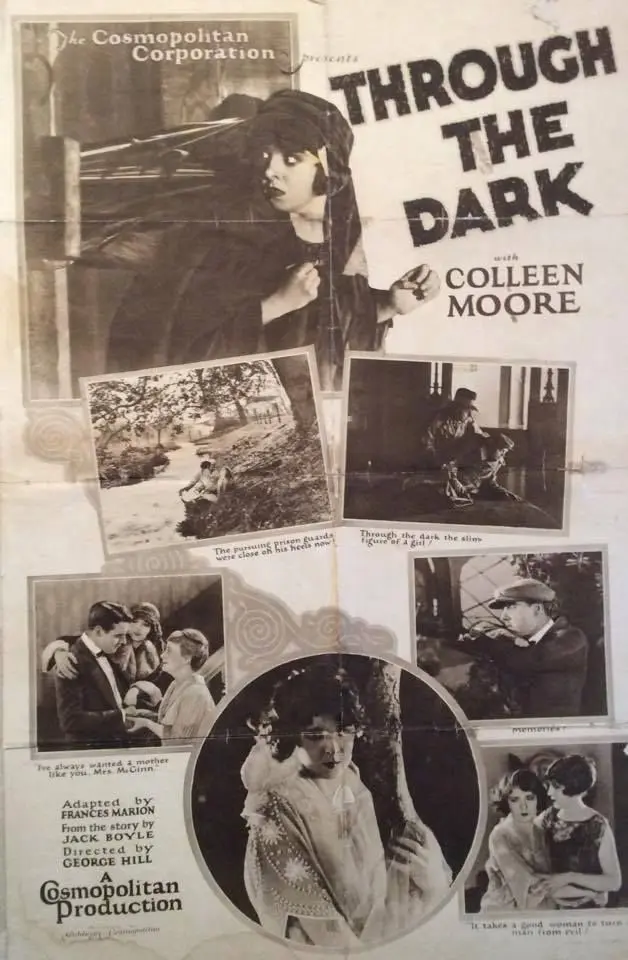
A definitive 6.8/10 rating for a film that redefined the boundaries of cult cinema. Through the Dark remains a cornerstone of transgressive art.
In the pantheon of silent cinema, few archetypes possess the enduring magnetism of the reformed rogue, and in Through the Dark (1924), we witness a seminal iteration of this trope through the lens of Jack Boyle’s legendary character, Boston Blackie. Directed by George W. Hill, this film serves as a fascinating bridge between the early melodrama of the 1910s and the sophisticated crime procedurals that would eventually dominate the pre-Code era. It is a work of high-stakes tension and surprising psychological depth, anchored by a script from the incomparable Frances Marion.
The film’s opening movement is a masterclass in atmospheric dread. The San Quentin State Prison is not merely a setting; it is a suffocating entity, a labyrinth of stone and iron that threatens to extinguish the spirit of its inhabitants. When the rebellion erupts, the camera captures a sense of genuine, unbridled anarchy. Unlike the more staged feeling of The Fourth Musketeer, where the conflict feels localized, the riot in Through the Dark feels like a systemic failure, a collective scream from the abyss. The lighting here is stark, utilizing the chiaroscuro techniques that would later define film noir, casting long, jagged shadows across the faces of the desperate men.
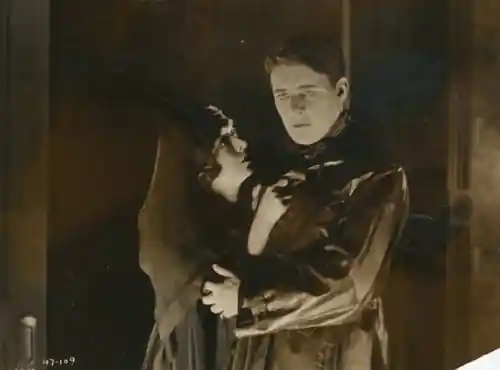
Forrest Stanley portrays Boston Blackie with a calculated stillness. He is the eye of the storm, navigating the chaos with a precision that borders on the supernatural. His escape isn't a product of luck but of a sharpened intellect honed by years of living on the periphery of society. This version of Blackie is less the dapper detective of later sound-era films and more a raw, survivalist force. The physicality of the escape—the climbing, the hiding, the breathless sprints—is captured with a kinetic energy that must have been revolutionary to audiences of 1924.
Perhaps the most compelling element of the film is Colleen Moore as Mary McGinn. While Moore is often pigeonholed as the quintessential flapper of the Jazz Age, here she displays a dramatic range that is frequently overlooked. Her Mary is not a damsel in distress nor a flighty ingenue. She is the catalyst for Blackie’s transformation, a woman of steel who risks everything to facilitate his flight. Her performance carries a weight of sincerity that anchors the more fantastical elements of the plot.
The chemistry between Stanley and Moore is built on a foundation of mutual desperation. Their interactions are devoid of the saccharine sentimentality often found in films like The Greatest Question. Instead, there is a gritty pragmatism to their alliance. Mary McGinn represents the possibility of a life beyond the shadows, but she is also a realist who understands the high price of freedom. This nuance is a testament to Frances Marion’s screenwriting prowess; she imbues her female characters with agency and internal lives that were rare for the period, similar to her work on Johanna Enlists.
One cannot discuss Through the Dark without acknowledging the structural brilliance of the script. Marion manages to weave a complex tapestry of crime, redemption, and pursuit without ever losing the thread of the central character's humanity. The pacing is relentless. Once Blackie clears the prison walls, the film transforms into a proto-thriller, a precursor to the great chase movies of the 1940s. The way the law is depicted—as an relentless, faceless machine—adds a layer of existential dread to the proceedings.

In comparison to other contemporary dramas like Gimme, which focuses more on domestic social pressures, Through the Dark is an outward-facing explosion of genre filmmaking. It utilizes the visual language of the era to tell a story that feels surprisingly modern in its cynicism toward institutions. The prison guards are not heroic figures; they are the enforcers of a cold, unyielding status quo. This thematic depth elevates the film from a simple crime yarn to a poignant commentary on the difficulty of escaping one's past.
The title of the film is literal and metaphorical. A significant portion of the action takes place in the dark, and the cinematography by Victor Milner (uncredited but often associated with this era of high-end production) is nothing short of miraculous. The way the light catches the steam from a train, the glint of a gun barrel, or the sweat on a fugitive's brow creates a tactile experience for the viewer. It lacks the pastoral beauty of Os Fidalgos da Casa Mourisca, opting instead for an urban, industrial grime that feels authentic and lived-in.
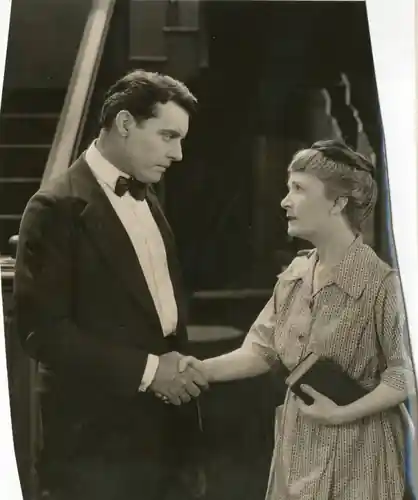
This aesthetic choice reinforces the film's central theme: the struggle to find light in a world designed to keep you in the shadows. The final act, which involves a tense confrontation that tests Blackie's resolve to remain on the path of the righteous, is filmed with a claustrophobic intensity. The use of close-ups during these moments allows the audience to see the internal conflict play out on the actors' faces—a technique that was still being refined in 1924.
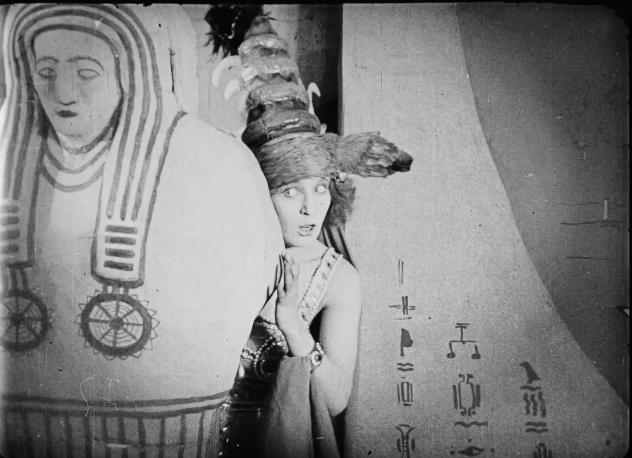
Through the Dark stands as a vital piece of cinematic history, not just for its contribution to the Boston Blackie mythos, but for its technical and narrative sophistication. It avoids the broad caricatures found in some silent comedies or the over-the-top theatricality of historical epics like Marc'Antonio e Cleopatra. Instead, it offers a grounded, gritty, and ultimately moving story of a man trying to outrun his own shadow.
For fans of silent film, it is a treasure trove of early 1920s filmmaking techniques. For the casual viewer, it remains a gripping thriller that holds up remarkably well. The performances by Forrest Stanley and Colleen Moore provide a human heart to the mechanical precision of the plot, ensuring that the film's emotional resonance survives long after the final title card fades. It is a reminder that even in the silent era, the most powerful stories were those that spoke to the universal human desire for a second chance, no matter how deep the darkness surrounding us may be.
While it may not have the whimsical charm of Casey at the Bat or the rugged outdoor spirit of Smiling Jim, Through the Dark carves out its own unique space in the crime genre. It is a film of shadows, both literal and figurative, and a testament to the enduring power of a well-told story of redemption. In the end, Boston Blackie's escape is not just from San Quentin, but from the darkness of his own soul—a journey that remains as compelling today as it was a century ago.
A seminal crime drama that showcases the incredible synergy between Frances Marion’s writing and the expressive potential of silent-era cinematography. It is a must-watch for anyone interested in the evolution of the American thriller and the career of the versatile Colleen Moore.
IMDb 6.2
1923
Community
Log in to comment.