DbcultAccessing Vault...
4.8/10
Senior Film Conservator
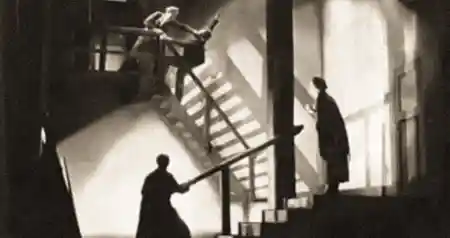
A definitive 4.8/10 rating for a film that redefined the boundaries of cult cinema. Revolte im Erziehungshaus remains a cornerstone of transgressive art.
So, Revolte im Erziehungshaus (or "Revolt in the Reformatory," if you prefer the English title) from way back in 1930. Is it worth tracking down today? Well, if you're into early sound films from Germany, especially those with a bit of social commentary, you'll probably find something to chew on. Anyone looking for a fast-paced thriller will be bored stiff, and if you can't stand old movies with slightly clunky sound, maybe give it a pass. But for a certain kind of film buff, it's a neat little piece of history.
The premise is pretty straightforward: a reform school for boys, and things are definitely not okay there. It’s got that classic "strict institution vs. rebellious youth" setup. The headmaster, played by Hugo Werner-Kahle, is just a monster, all about corporal punishment and humiliation. You feel that dread right from the start.
What really grabs you is how direct it feels. This isn't some subtle exploration of child psychology. This is about kids being treated terribly and, you know, eventually *revolting*. The film doesn't pull its punches on showing the cruelty. There’s one scene where a boy gets slapped across the face, and the sound design, for 1930, really makes it *thump*. You wince a little. 😬
Renate Müller plays the new, sympathetic teacher, Fräulein Frey. She's the one glimmer of hope in this otherwise grim place. Her arrival shifts the whole dynamic. You can almost feel the boys wondering if she's another wolf in sheep's clothing or genuinely different.
The boy who gets the most screen time is Peter, played by Carl Balhaus. He's the ringleader, the one who keeps pushing back. Balhaus has this really expressive face; even in black and white, you can see the anger and frustration bubbling up. He's not just a troublemaker; he’s a kid who’s been pushed too far.
There's a moment when the boys are forced to sing a song of praise for their cruel headmaster. The way they mumble and drag their feet, it’s just perfect. It’s not a big, dramatic speech, but a quiet, collective act of defiance. That stuff is so much more effective than yelling, sometimes.
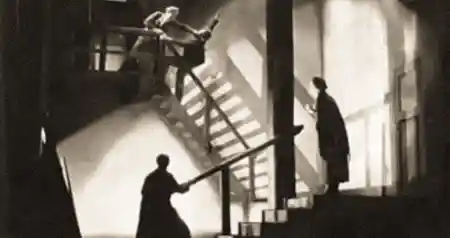
The film *really* takes its time setting up the oppressive atmosphere. Long shots of the boys marching in line, the stark school walls. It makes the eventual eruption feel earned, like a pressure cooker finally blowing. You’re waiting for it, almost willing it to happen.
One detail I found interesting: the food. They don't just say the food is bad; they show it. Lumpy, unappetizing mush. It’s a small thing, but it adds to the misery. It’s not just about beatings; it’s about *everything* being awful for these kids.
Wolfgang Zilzer, who plays one of the other boys, seems to carry a lot of the silent suffering. He's not as outspoken as Peter, but his eyes tell a story. He looks like he’s constantly on the verge of tears, or maybe just giving up. It's a subtle performance.
The "revolt" itself isn't some grand, organized military operation. It's messy, chaotic. Kids just fed up, lashing out. They barricade themselves in. It’s less about strategy and more about raw, desperate anger. The way the teachers try to break in, with axes and shouting – it gets pretty intense. For 1930, this felt pretty bold, I bet. Showing authority figures so clearly in the wrong.
The film’s ending feels… a little abrupt, honestly. It resolves things, but not in a neat, tied-up way. You’re left wondering what happens next for these kids, and if anything *truly* changes. It’s not a happy-ever-after kind of deal. More like, "they got a small victory, but the system is still there."
It’s a bit rough around the edges, especially the sound quality in parts, which is typical for early talkies. Sometimes the dialogue feels a little stilted, too. But the raw emotion and the clear message really cut through. It doesn't need fancy camera work to make its point. The story itself does most of the heavy lifting. It's a reminder that films were tackling serious social issues even almost a century ago.
You know, it reminded me a little bit of the themes in something like The Woman Suffers, though obviously a different setting. Both tackle injustice and people fighting back against it. Not the same movie at all, but that feeling of 'enough is enough' is there.
Overall, it’s a film that leaves an impression. Not because it’s a masterpiece of cinematic technique, but because its heart is very much in the right place. It champions the underdog, and you can’t help but root for those kids. ✊

IMDb —
1922
Community
Log in to comment.