DbcultAccessing Vault...
4.6/10
Senior Film Conservator
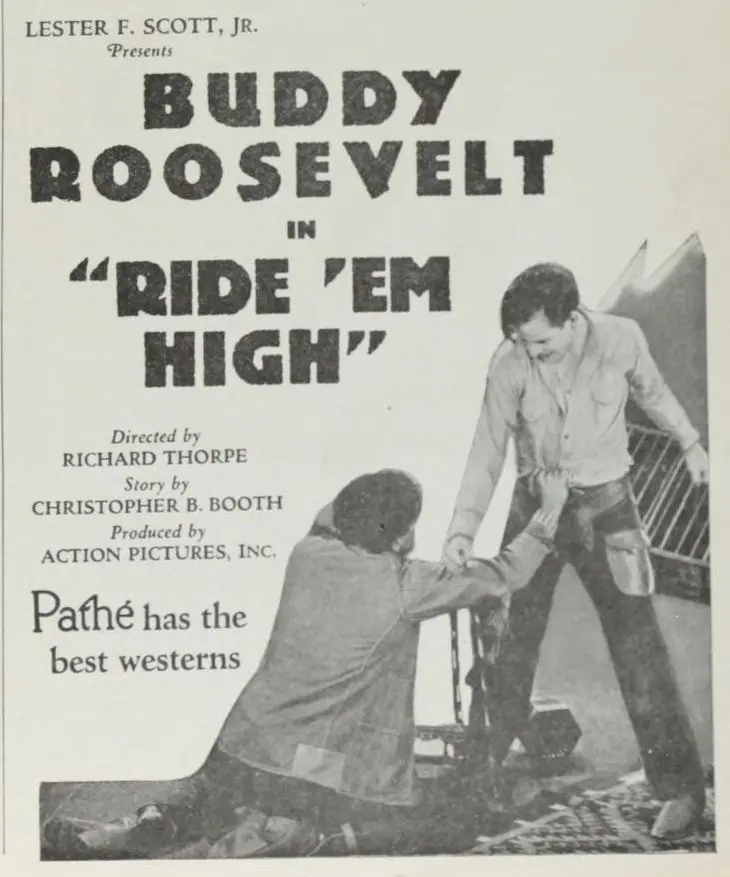
A definitive 4.6/10 rating for a film that redefined the boundaries of cult cinema. Ride 'em High remains a cornerstone of transgressive art.
Is Ride 'em High a silent Western worth digging out of the archives? Short answer: Yes, but only if you value raw, unpolished stunt work over narrative complexity.
This film is specifically for the silent-era completionist and those who appreciate the physical history of Hollywood stunt work. It is absolutely not for viewers who require a fast-paced, modern plot or high-fidelity audio-visual experiences.
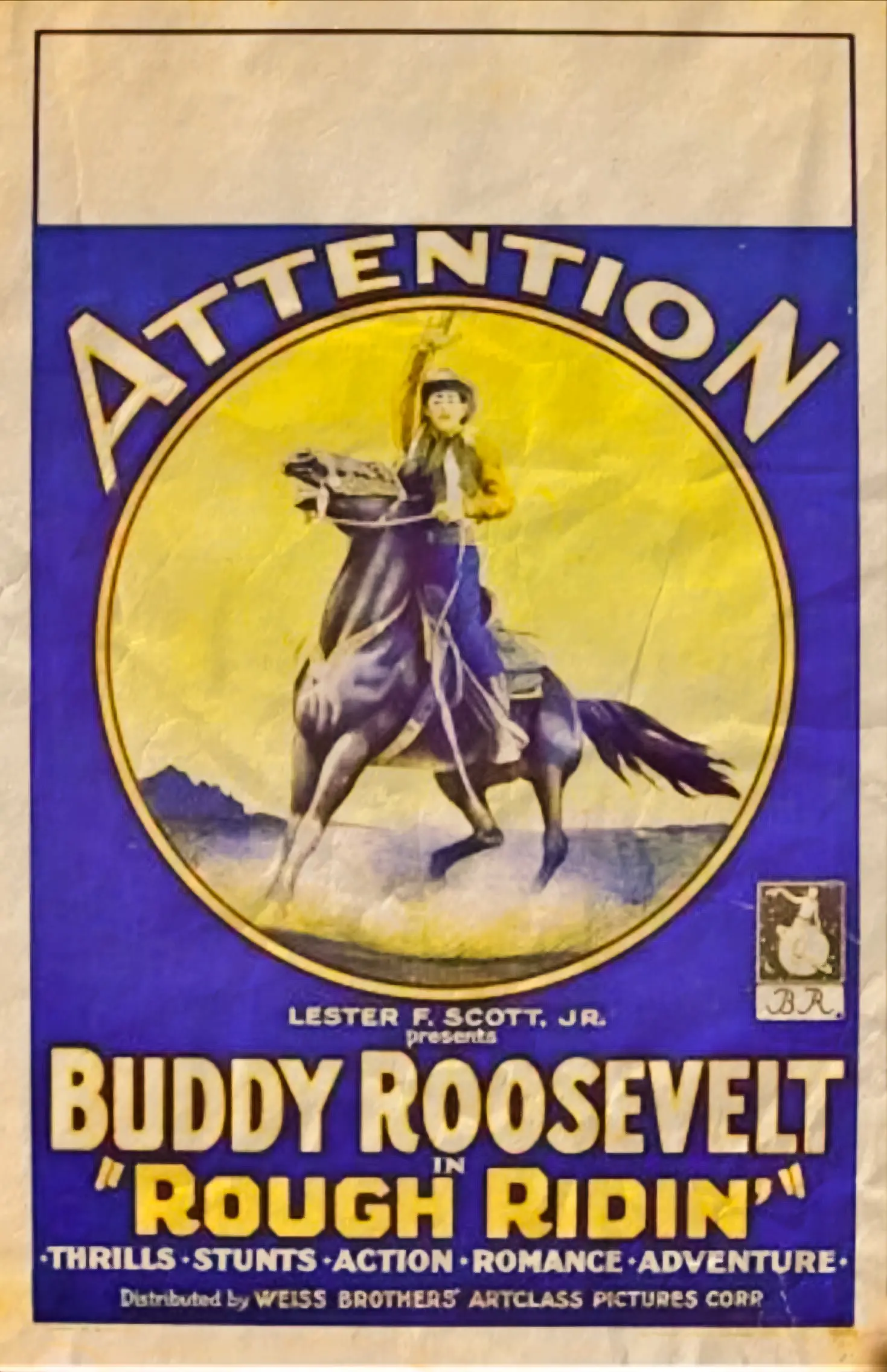
1) This film works because the physical chemistry between Buddy Roosevelt and his horse is more convincing than most modern CGI-driven action sequences.
2) This film fails because the plot is a skeletal framework that serves only to move Roosevelt from one stunt to the next, leaving character development in the dust.
3) You should watch it if you want to see the early directorial DNA of Richard Thorpe, a man who would go on to define the efficiency of the MGM studio system.
Ride 'em High (1927) is not a film that asks for your intellectual engagement. It demands your eyes. In an era before safety unions and digital doubles, Buddy Roosevelt was the real deal. When he swings from a moving stagecoach or gallops down a 45-degree incline, there is no trickery. It is pure, terrifying athleticism. This is the film's greatest strength and its only real reason for existing nearly a century later.
The story, penned by Christopher Booth, is almost aggressively standard. We have seen this ranch-dispute dynamic a thousand times. However, the execution by director Richard Thorpe elevates it slightly above the standard 'Poverty Row' fare of the time. Thorpe, who would later direct classics like Ivanhoe, shows an early knack for pacing. He doesn't let the camera linger on the mediocre dialogue cards. He keeps the horses moving.
Compare this to something like Firebrand Trevison, and you see a similar reliance on the 'lone hero' archetype. But Roosevelt brings a lighter, more agile energy than some of his more stoic contemporaries. He isn't just a cowboy; he's an acrobat in denim. This distinction is vital. It changes the tone from a grim morality play to a lighthearted adventure.
Richard Thorpe was a workman. He didn't care about the 'art' of the frame in the way a Murnau or a Griffith did. He cared about the shot being in focus and the actors being in place. This utilitarian approach is evident throughout Ride 'em High. The framing is often wide, allowing the landscape of the American West to do the heavy lifting. There is a specific scene involving a chase through a rocky canyon where the camera remains static while the action flows through the frame. It’s effective. It’s simple. It works.
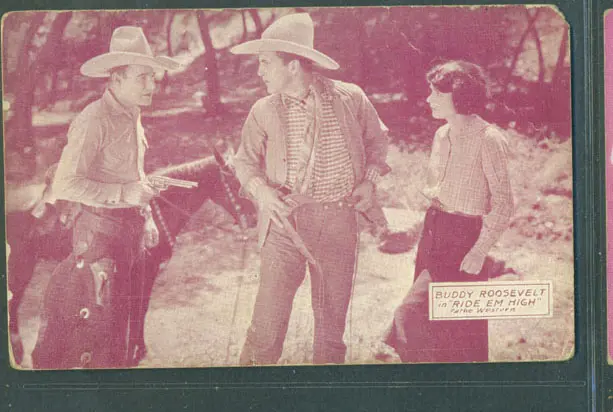
The cinematography doesn't have the atmospheric depth of Winners of the Wilderness, which utilized more complex lighting to establish mood. In Ride 'em High, the sun is your only key light. This results in high-contrast, harsh visuals that actually suit the brutal nature of the desert setting. The dust kicked up by the horses isn't a nuisance; it’s a texture that adds a layer of reality to the otherwise thin plot.
Olive Hasbrouck is often relegated to the 'damsel' role in these features, but here she manages to inject a sense of urgency into her scenes. Her performance is grounded, avoiding the over-the-top gesticulation that plagued many silent performers of the mid-20s. When she looks at Roosevelt, there’s a genuine sense of stakes. It isn't just a movie romance; it feels like a partnership born of necessity.
On the flip side, George Magrill as the antagonist is a bit of a cartoon. He sneers where he should simmer. He lacks the nuanced villainy found in films like The Man Who Forgot. However, in a B-Western, you don't need Iago. You need a guy who looks like he’d kick a dog. Magrill fits the bill perfectly. His physical presence is imposing enough to make the final fistfight feel like a genuine threat to our hero.
If you are looking for a masterpiece of silent cinema, look elsewhere. If you want to see the foundations of the American action movie, then yes, it is worth the 60-minute investment. Ride 'em High represents a time when movies were built on the backs of their stars—literally. It is a lean, mean, horse-riding machine that doesn't overstay its welcome. It is a historical document of a specific kind of American masculinity that has largely vanished from the screen.
The pacing of Ride 'em High is its secret weapon. Many silent films suffer from a 'middle-act sag' where the plot gets bogged down in unnecessary subplots. Thorpe avoids this. He treats the film like a sprint. The transition from the inciting incident—the threat to the ranch—to the climax is almost breathless. This is a sharp contrast to more dramatic rural works like The Hoosier Schoolmaster, which takes its time to build community dynamics.
The tone is surprisingly consistent. It never tries to be a comedy, nor does it dive too deep into tragedy. It stays in the lane of the 'Saturday Matinee' adventure. This consistency is why it remains watchable. You know exactly what you are getting within the first five minutes. It’s honest filmmaking. There is no pretension here.
Pros:
Cons:
Most critics ignore the horses in these reviews, but the equine performance in Ride 'em High is genuinely impressive. There is a level of training and trust visible on screen that surpasses what we see in modern Westerns. The horse isn't just a prop; it's a co-star. The way it reacts to the terrain and Roosevelt's cues is a masterclass in animal coordination that often goes unremarked in silent film history.
Ride 'em High is a functional, entertaining piece of genre history. It doesn't reinvent the wheel, but it keeps the wheel spinning at a respectable speed. Buddy Roosevelt is a charismatic lead who deserved more recognition than history has afforded him. While it lacks the emotional weight of something like A Prince in a Pawnshop, it succeeds in its primary goal: to thrill. It’s a B-movie, and it wears that badge with pride. It works. But it's flawed. Watch it for the grit, stay for the stunts, and forget the story the moment the lights come up.
IMDb —
1918
Community
Log in to comment.