DbcultAccessing Vault...
Cult Review
Senior Film Conservator
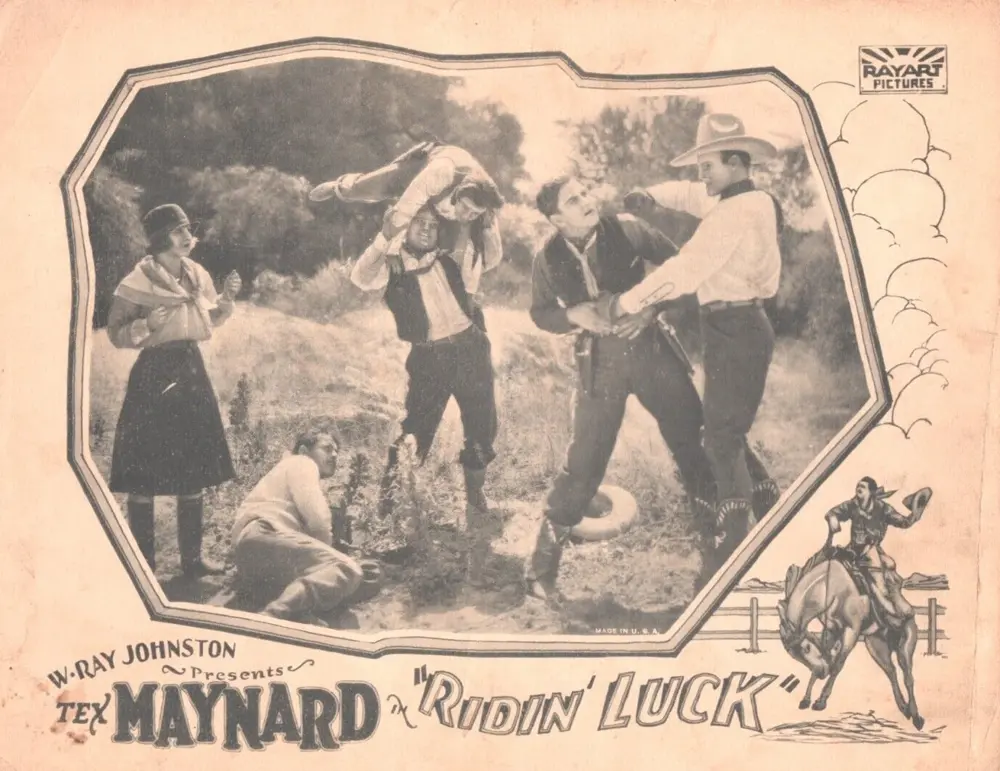
Is Ridin' Luck worth watching today? Short answer: yes, but with significant caveats that demand a certain appreciation for early cinematic history. This film, a product of its time, offers a fascinating window into the foundational elements of the Western genre, making it a compelling watch for dedicated film historians, silent film aficionados, and those curious about the roots of Hollywood storytelling. However, it is decidedly not for viewers seeking modern pacing, complex narratives, or high-fidelity visuals; its charms are subtle, requiring an engaged, patient eye.
For those willing to meet it on its own terms, Ridin' Luck delivers a surprisingly robust, if rudimentary, narrative that showcases the nascent power of visual storytelling. It works. But it’s flawed.
In the vast tapestry of early American cinema, many threads have frayed, some have snapped, and a precious few remain vibrant, offering glimpses into the storytelling sensibilities of a bygone era. Ridin' Luck, a 1920s Western from writers Arthur Hoerl and Francis James, starring the likes of Marshall Ruth and Ruby Blaine, is one such thread. It’s not a film that typically dominates retrospectives or film school curricula, yet its existence, and indeed, its survival, speaks volumes about the enduring appeal of the cowboy mythos. This is a film that, despite its age and the inherent limitations of the silent era, manages to convey a spirited narrative of good versus evil, resourcefulness against greed, all set against the iconic backdrop of the American frontier. Its very simplicity is, in a strange way, its greatest strength, allowing the fundamental archetypes to shine through with an almost primal clarity.
My initial skepticism, a natural response to approaching any film nearly a century old, quickly gave way to a quiet admiration for its straightforward ambition. This isn't a film trying to reinvent the wheel; it's a film demonstrating how effectively that wheel could turn, even in its earliest iterations. The narrative, centered on a charismatic drifter and a beleaguered ranch, feels instantly familiar, a testament to the genre’s foundational power. It’s a blueprint, yes, but a surprisingly sturdy one.
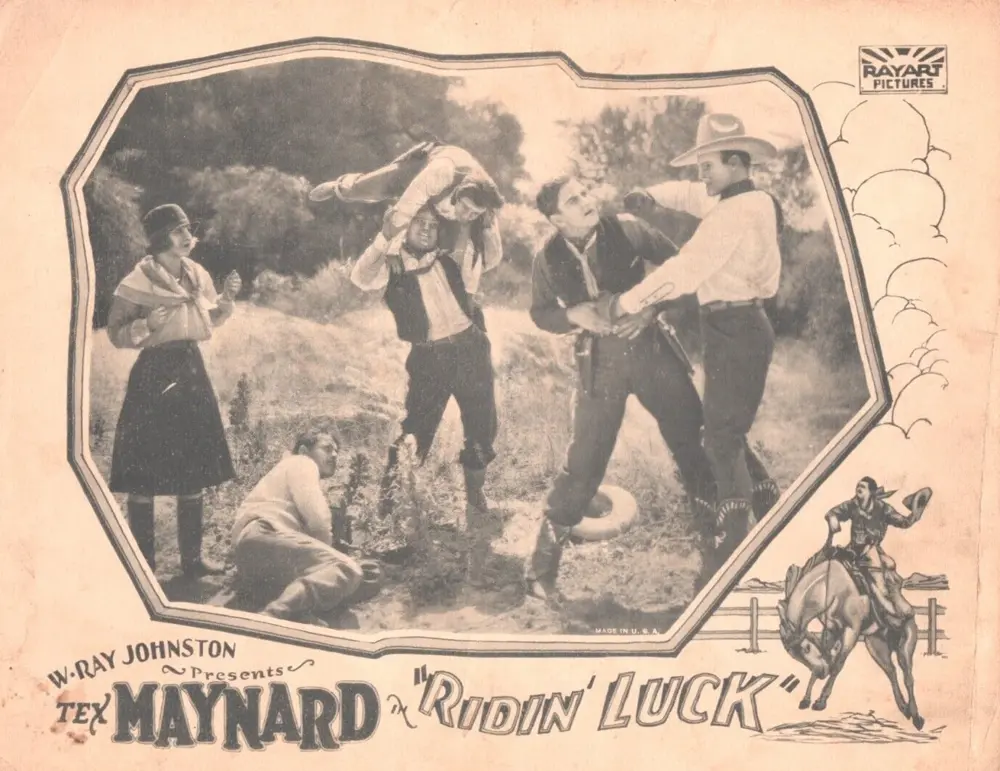
This film works because... it distills the essence of the Western genre into its purest form, delivering a clear, engaging conflict with archetypal characters that resonate despite the absence of spoken dialogue.
This film fails because... its technical limitations and reliance on silent film conventions can feel slow and visually uninspired to modern audiences accustomed to dynamic camera work and intricate sound design.
You should watch it if... you are a student of film history, a silent film enthusiast, or someone fascinated by the evolution of the Western, looking for a foundational example of its narrative and visual language.
In the silent era, acting was a physical art form, a ballet of exaggerated gestures and expressive facial contortions designed to convey emotion without the crutch of dialogue. Marshall Ruth, as 'Lucky' Jim, embodies this physicality with a compelling blend of rugged stoicism and mischievous charm. His performance is less about internal struggle and more about outward projection, a necessary choice that, surprisingly, grants his character an almost mythological quality. He’s the archetypal hero, capable of a quick grin one moment and a determined scowl the next. His interactions with Ruby Blaine's Mary are particularly noteworthy. Blaine, portraying the resilient ranch owner, manages to infuse her character with a quiet strength that avoids the damsel-in-distress trope, even within the confines of the era's gender roles. Her gaze, often conveying more than any intertitle could, suggests an inner resolve that makes her a worthy counterpart to Jim.
Charles Schaeffer, as the villainous Silas Kincaid, leans into the theatricality expected of silent antagonists. His sneers are pronounced, his gestures sweeping, creating a character whose malevolence is unmistakable. While some might find this approach overly simplistic by today's standards, it’s
IMDb —
1914
Community
Log in to comment.