Is Riding for a King, a forgotten relic from a bygone cinematic era, truly worth dusting off and experiencing in the modern age? Short answer: yes, but with significant caveats. This film is a compelling watch for dedicated historians of early cinema and those with a deep appreciation for the foundational elements of dramatic storytelling, particularly from the silent film period.
It is emphatically not for viewers accustomed to contemporary pacing, complex dialogue, or CGI spectacle. If you lack patience for visual storytelling that relies heavily on exaggerated gestures and intertitles, or if you demand instant gratification from your narratives, you will likely find it a tedious experience. However, if you are drawn to tales of unwavering loyalty, grand spectacle, and the raw, often melodramatic, emotion characteristic of early filmmaking, then this journey might just captivate you.
The Core Strengths and Weaknesses
This film works because of its ambitious scope and the earnest performances that anchor its rather straightforward narrative. It attempts, and often succeeds, in conveying epic stakes through sheer visual commitment and the charismatic presence of its lead.
This film fails because its narrative, while grand, can feel simplistic by today's standards, and its reliance on silent film conventions may alienate modern audiences unfamiliar with the grammar of the era.
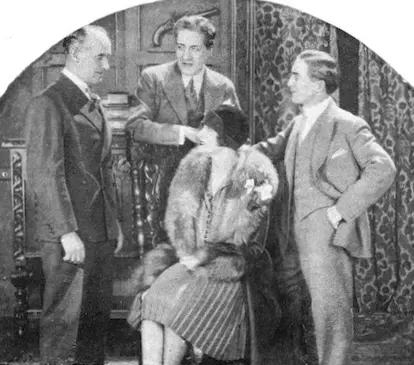
Scene from Riding for a King
Cinematic perspective: Exploring the visual vocabulary of Riding for a King (1926) through its definitive frames.
You should watch it if you are a student of film history, a silent cinema enthusiast, or someone intrigued by how foundational myths and heroic archetypes were first translated to the silver screen without the aid of sound. It offers a fascinating window into the storytelling sensibilities of its time.
A Glimpse into Royal Devotion: The Narrative Unpacked
Riding for a King, a title that immediately evokes images of chivalry and steadfast duty, lives up to its promise by delivering a narrative centered on the ultimate act of fealty. The film follows the arduous journey of a loyal subject, portrayed by the stoic Carlyle Blackwell, whose mission is to deliver a critical message or artifact to his beleaguered monarch. This isn't merely a courier service; it's a desperate race against time, with the fate of a kingdom, and perhaps the very life of the king, hanging precariously in the balance.
The plot, while simple in its premise, is elevated by the palpable tension created through a series of escalating challenges. From treacherous landscapes to cunning adversaries, every obstacle is designed to test the protagonist's resolve. The silent era's reliance on visual storytelling means that much of the character's inner turmoil and determination is conveyed through Blackwell's expressions and physical prowess, a testament to his commanding screen presence.
The film introduces a romantic subplot, subtly woven through the narrative by June Tripp’s character, whose presence adds a layer of emotional complexity to the hero’s already weighty burden. Her character represents the personal sacrifices made in the name of duty, the quiet longing for a life unburdened by royal mandates. This dynamic, though often understated, provides a crucial human element to an otherwise epic, almost mythical, undertaking.
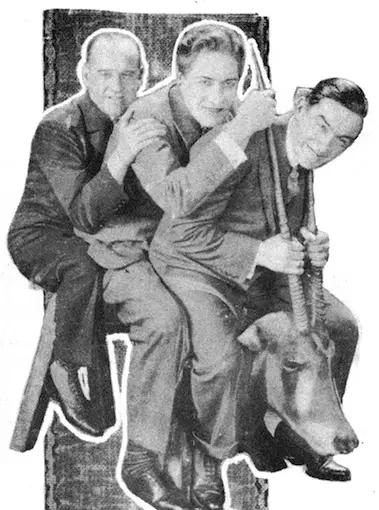
Scene from Riding for a King
Cinematic perspective: Exploring the visual vocabulary of Riding for a King (1926) through its definitive frames.
Performances That Speak Volumes (Without Sound)
The strength of Riding for a King lies significantly in its cast, particularly the central figure of Carlyle Blackwell. Blackwell, a veteran of the silent screen, brings a gravitas and an understated intensity to his role that is truly remarkable. His character's determination is etched onto his face, visible in every strained muscle and resolute gaze. In a pivotal scene where his horse falters amidst a raging storm, Blackwell's silent despair, followed by a surge of renewed resolve, is more impactful than any spoken dialogue could have been. It's a masterclass in conveying profound emotion through physical performance.
June Tripp, as the film's leading lady, offers a delicate counterpoint to Blackwell’s rugged heroism. Her performance is characterized by an expressive vulnerability that captures the anxieties and hopes of her character. While her role is somewhat archetypal for the era – the damsel in distress or the supportive love interest – Tripp imbues it with a genuine warmth and an inner strength that prevents her from becoming a mere plot device. Her tearful farewell scene, rendered through a series of poignant close-ups, is particularly memorable for its raw, unadulterated emotion.
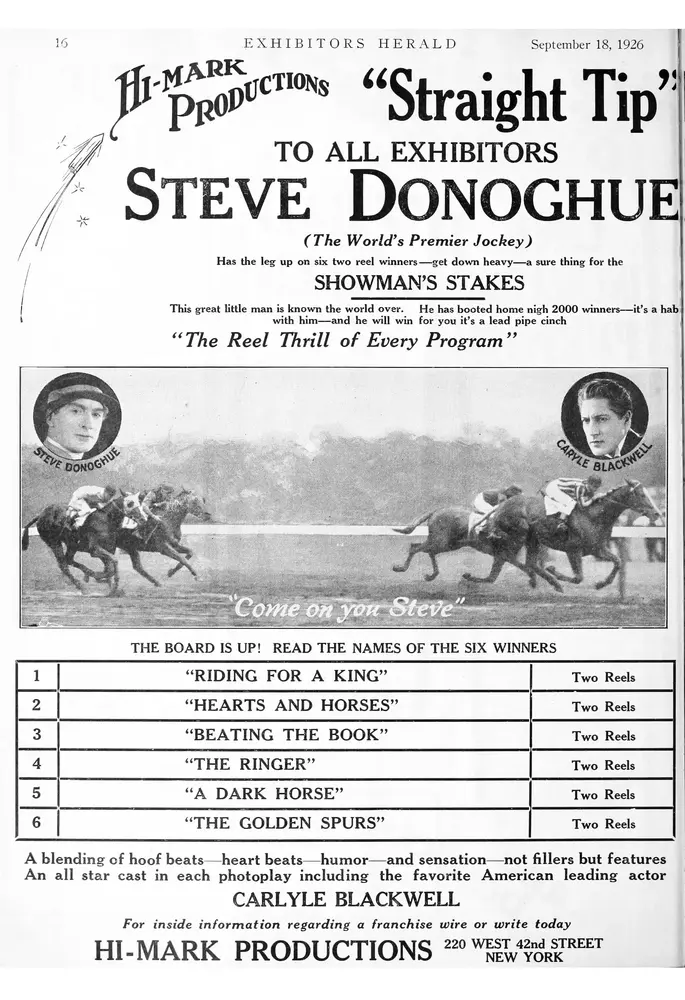
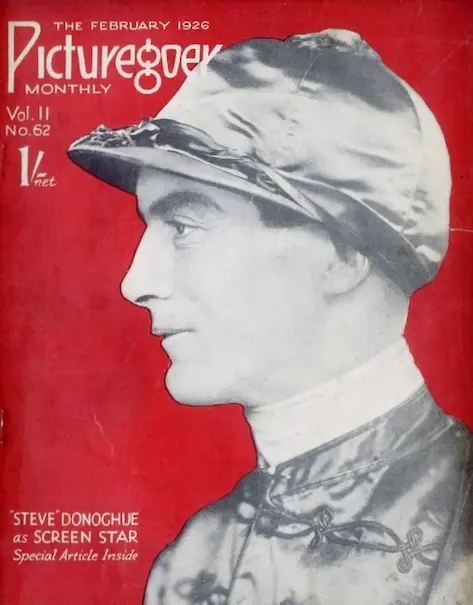
Even the supporting cast, including Cecil Morton York and Miles Mander, contribute effectively to the film’s dramatic tapestry. York, often cast as the villain or rival, delivers a performance that balances menace with a certain aristocratic cunning, making him a formidable antagonist. Mander’s portrayal, perhaps as a loyal aide or a conflicted noble, adds depth to the courtly intrigue, ensuring that the human element of the political struggle feels authentic. Steve Donoghue, a real-life jockey, likely brought an authentic equestrian presence, enhancing the believability of the 'riding' sequences.
Directorial Vision and Cinematic Language
The direction of Riding for a King, while adhering to the conventions of its time, showcases a surprising sophistication in its visual storytelling. The director understands the power of the wide shot to establish scale, particularly during the expansive riding sequences. The sweeping vistas, whether of open plains or treacherous mountain passes, are not merely backdrops; they are active participants in the protagonist's struggle, emphasizing the isolation and monumental challenge of his quest. One particularly effective sequence involves a montage of rapidly cut shots depicting the protagonist’s journey through diverse, increasingly difficult terrains, a technique that builds momentum and urgency.
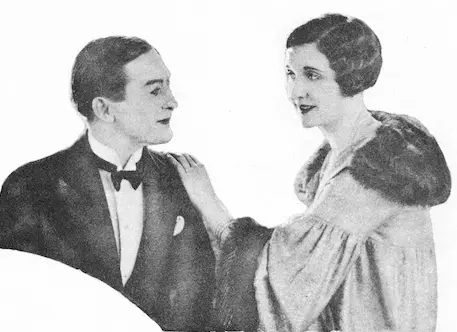
Scene from Riding for a King
Cinematic perspective: Exploring the visual vocabulary of Riding for a King (1926) through its definitive frames.
Conversely, the use of intimate close-ups is deployed with precision, allowing the audience to connect directly with the characters' emotional states. These moments, often featuring Blackwell or Tripp, are crucial for conveying nuances that would otherwise be lost without spoken dialogue. The director also employs innovative (for the time) camera angles, occasionally placing the camera low to emphasize the power of the horses or high to convey the vulnerability of the lone rider against the vast landscape.
The pacing of the film is deliberate, a common characteristic of silent cinema, yet it never feels unnecessarily slow. The narrative builds steadily, punctuated by moments of intense action or emotional release. While modern audiences might find the rhythm unfamiliar, it allows for a deeper immersion into the film's emotional landscape, giving each dramatic beat room to breathe. This considered approach ensures that the heroic journey feels earned, rather than rushed.
The Art of Cinematography: Light, Shadow, and Movement
The cinematography in Riding for a King is a fascinating study in early visual artistry. Shot in black and white, the film leverages the stark contrast between light and shadow to great dramatic effect. The use of natural light in outdoor scenes lends an authentic, almost documentary-like quality to the riding sequences, while indoor scenes utilize artificial lighting to create mood and emphasize character. A particularly striking example is a scene set in the king's chambers, where dramatic chiaroscuro lighting casts long shadows, enhancing the sense of tension and foreboding surrounding the monarch's predicament.
The camera work, while often static by today's standards, is surprisingly dynamic when required. Tracking shots follow the horses and rider, creating a sense of exhilaration and speed, a notable achievement for the era. The composition of each frame is meticulously crafted, often resembling classical paintings, with characters strategically placed to convey power dynamics or emotional isolation. This attention to visual detail ensures that even without sound, the images themselves tell a compelling and immersive story.
Scene from Riding for a King
Cinematic perspective: Exploring the visual vocabulary of Riding for a King (1926) through its definitive frames.
Pacing, Tone, and Enduring Themes
The pacing of Riding for a King is undeniably a product of its time. It’s measured, allowing scenes to unfold with a certain theatricality that permits the audience to absorb the visual information and emotional cues. While this might feel slow to viewers accustomed to MTV-era editing, it fosters a reflective viewing experience. The film trusts its audience to engage with its visual language, to interpret the subtle gestures and expressions that convey so much.
The tone is largely melodramatic, as was typical for silent dramas, but it’s an earnest melodrama. There's a genuine commitment to the high stakes and the emotional weight of the narrative. The film doesn't shy away from grand gestures or overt displays of emotion, which, when viewed through the lens of historical context, feel authentic rather than overwrought. There are moments of genuine suspense, particularly during the climactic ride, and moments of quiet pathos that resonate deeply.
What truly endures are the themes: unwavering loyalty, sacrifice for a greater good, and the triumph of the human spirit against overwhelming odds. These are timeless narratives that continue to resonate, even when presented in a cinematic language that has largely been superseded. It works. But it’s flawed.
It’s easy to dismiss early cinema as quaint or unsophisticated, but Riding for a King reminds us that the core principles of storytelling—conflict, character, resolution—were being explored with profound creativity long before synchronized sound. Its unconventional observation is how much emotional depth can be conveyed through the sheer force of performance and visual composition, proving that 'silence' can be anything but empty.
Comparing it to its Contemporaries
When placed alongside other films of its era, Riding for a King holds its own as a solid, if not groundbreaking, example of silent drama. It shares thematic similarities with other adventure-romances of the period, such as The Vengeance Trail or The Last Frontier, in its focus on heroic quests and moral struggles. However, its specific emphasis on royal duty sets it apart from more purely Western or action-oriented narratives.
The film's visual ambition, particularly in its outdoor sequences, might draw comparisons to epics like The Exiles, which also utilized expansive landscapes to underscore thematic weight. While it may not possess the sprawling scale of a D.W. Griffith production, it certainly aims for a similar emotional grandeur, delivered through a more focused, character-driven lens. It’s a compelling piece for understanding the diverse landscape of early 20th-century cinema.
Key Takeaways
Best for: Silent film aficionados, film historians, and those interested in the origins of cinematic melodrama and heroic archetypes.
Not for: Viewers seeking fast-paced action, modern dialogue, or CGI effects. Those with low patience for non-verbal storytelling will struggle.
Standout element: Carlyle Blackwell’s compelling and physically demanding performance, which anchors the entire narrative with unwavering conviction.
Biggest flaw: Its adherence to silent era conventions (e.g., intertitles, melodramatic acting) can be a barrier for contemporary audiences seeking immediate engagement.
Pros and Cons
Pros:
Strong Central Performance: Carlyle Blackwell delivers a powerful, physically expressive portrayal that carries the film's emotional weight.
Ambitious Scope: Despite its age, the film attempts and often achieves an epic feel, particularly in its outdoor sequences.
Historical Significance: Offers a valuable insight into early cinematic storytelling techniques and thematic preoccupations.
Visual Storytelling: Effective use of cinematography, lighting, and composition to convey narrative and emotion without dialogue.
Enduring Themes: Explores universal themes of loyalty, sacrifice, and duty that remain relevant.
Cons:
Pacing Challenges: The deliberate pace, while authentic to the era, may test the patience of modern viewers.
Melodramatic Tone: The overt emotionality and grand gestures can feel dated or exaggerated to contemporary sensibilities.
Intertitle Reliance: While necessary, the constant interruptions for text can break immersion for some.
Lack of Modern Polish: Absence of sound, color, and contemporary editing techniques might be a significant barrier for casual viewers.
Predictable Plot: The narrative, while well-executed, adheres closely to heroic archetypes, making some plot points foreseeable.
Verdict
Riding for a King is undeniably a product of its time, bearing all the hallmarks and eccentricities of early 20th-century cinema. It’s not a film that will appeal to everyone, nor should it be expected to. Its deliberate pacing, reliance on visual theatrics, and absence of spoken dialogue demand a particular kind of engagement from its audience. However, for those willing to meet it on its own terms, it offers a surprisingly compelling and emotionally resonant experience.
The film stands as a testament to the power of pure visual storytelling and the magnetic presence of its stars, particularly Carlyle Blackwell. It provides a valuable window into how foundational stories of heroism and sacrifice were crafted for the nascent silver screen. While it may not be a 'masterpiece' in the modern sense, it is a significant and worthwhile piece of cinematic history that deserves to be rediscovered by those with an appreciation for the art form's origins. It’s a robust, if somewhat archaic, journey that still manages to stir the spirit of adventure and loyalty. See it if you can. You might be surprised.