DbcultAccessing Vault...
4.6/10
Senior Film Conservator
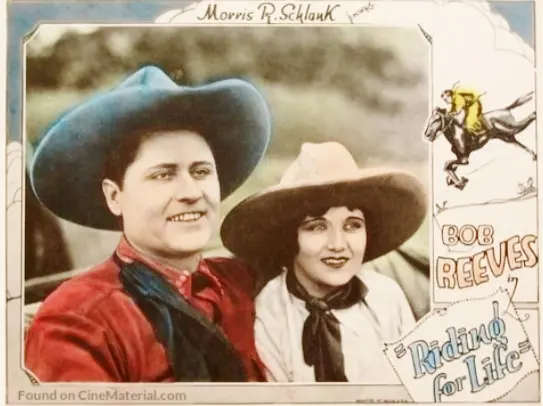
A definitive 4.6/10 rating for a film that redefined the boundaries of cult cinema. Riding for Life remains a cornerstone of transgressive art.
Riding for Life is a compelling silent film that delves into the life of Bob Williams, an Express Clerk who finds himself at the center of a plot that involves mistaken identities, familial betrayal, and the intricate web of small-town secrets.
Opening Scene: The film opens in a picturesque but seemingly tranquil small town, where Bob Williams, played by the versatile Bud Pope, works diligently at the local Express Office. The setting is bathed in the golden hues of dawn, symbolizing the purity and simplicity of life in this community, which soon unravels into a complex tale of corruption and confusion.
Bob's world is turned upside down when he receives news that his older brother, the Express Clerk, is in trouble. Bob quickly rides to the office, only to find the safe open, his brother and the money missing, and himself accused of the robbery. The accusation is the first of many twists that unravel the plot, each layer adding depth and complexity to the narrative.
The film's narrative structure is reminiscent of the West Meets East in its exploration of a protagonist who is wrongly accused and must clear his name. However, 'Riding for Life' also shares thematic elements with Young Ideas, where the protagonist's journey is not just about redemption but also about understanding the intricate balance of trust and betrayal within a community.
The performances in 'Riding for Life' are commendable. Bud Pope's portrayal of Bob Williams is nuanced, capturing the character's confusion, resolve, and eventual transformation. His interactions with the other characters, especially Bob Fleming, who plays the Deputy, are particularly well-crafted, adding layers of tension and empathy to the narrative.
The film's visual style is a testament to the skill of the silent film era. The use of lighting and shadow to convey emotions and plot twists is masterful. The opening scene with the golden hues of dawn sets a serene tone, which is contrasted with the stark, dramatic lighting used during the trial and the intense moments of suspicion and betrayal.
The score, composed by the talented Joseph Kane, enhances the film's emotional landscape. The use of music to underscore key moments, such as the opening scene and the trial, is both subtle and effective. The score's ability to transition between melancholic and uplifting tones mirrors the emotional journey of the characters, adding another layer of depth to the narrative.
One of the film's strongest aspects is its exploration of the dynamics within the small town. The relationships between the townspeople, the suspicions, and the eventual unraveling of these suspicions are portrayed with a realistic yet dramatic flair. The film's ability to balance these elements makes it a compelling watch, even for modern audiences.
The film's pacing is well-executed, with a mix of action, suspense, and character development that keeps the audience engaged. The plot twists are well-integrated and add to the overall complexity of the story. The film's climax, where the true culprits are revealed, is both satisfying and surprising, leaving the audience with a sense of closure and a deeper understanding of the characters.
In conclusion, 'Riding for Life' is a film that transcends its era, offering a compelling narrative that explores themes of trust, betrayal, and redemption. The performances, visual style, and musical score all contribute to a rich and engaging viewing experience. For fans of silent films and those interested in exploring the complexities of small-town dynamics, 'Riding for Life' is a must-watch.
If you enjoyed 'Riding for Life,' you might also like:
IMDb —
1929
Community
Log in to comment.