DbcultAccessing Vault...
6.4/10
Senior Film Conservator
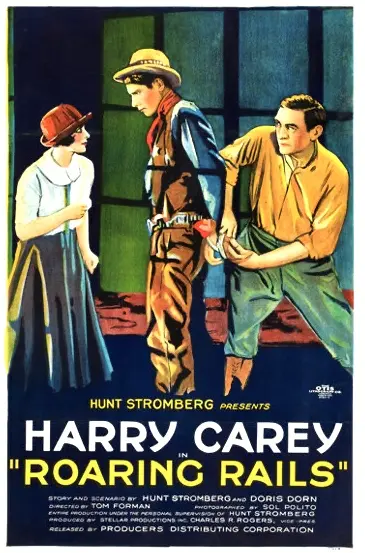
A definitive 6.4/10 rating for a film that redefined the boundaries of cult cinema. Roaring Rails remains a cornerstone of transgressive art.
In the early 20th century, during the tumultuous era of World War I, a railroad engineer, played by Wallace MacDonald, finds himself entangled in a web of circumstances that lead him to adopt a French orphan, portrayed by Frankie Darro. The engineer's decision to take in the young boy, who was left destitute by the war, marks the beginning of a journey that would test the very fabric of his character and the depths of his compassion.
The narrative, skillfully crafted by Hunt Stromberg and Doris Dorn, navigates through the complexities of the human condition, delving into themes of sacrifice, redemption, and the unbreakable bonds of familial love. As the engineer and the orphan, now a young boy, settle into their new life in the United States, they are met with a new set of challenges. The boy's health begins to falter, necessitating an eye operation that, unfortunately, is beyond the engineer's financial means.
In a heart-wrenching turn of events, the engineer makes a decision that would alter the course of their lives forever. With a heavy heart and an unwavering commitment to his adopted son, he takes the rap for a murder he did not commit. This selfless act, motivated solely by his desire to secure the boy's future and ensure he receives the medical attention he so desperately needs, is a testament to the transformative power of love and sacrifice.
The film, featuring a talented ensemble cast including Edith Roberts, Charles Belcher, and Harry Carey, presents a nuanced exploration of the human experience. It poses profound questions about the nature of morality, the consequences of our actions, and the enduring strength of paternal love. As the story unfolds, the audience is invited to bear witness to the unfolding drama, replete with moments of tenderness, despair, and ultimately, hope.
Cinematic Craftsmanship
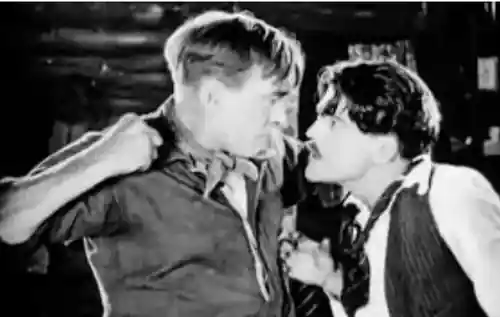
The cinematography, though reflective of its time, brings to life the stark realities of war and the resilience of the human spirit. The score, equally evocative, complements the on-screen narrative, elevating the emotional impact of key scenes and imbuing the story with a sense of authenticity.
In comparing 'Roaring Rails' to its contemporaries, such as The Crisis, Ship Ahoy, and His Wife's Good Name, it becomes evident that this film occupies a unique space within the cinematic landscape of the early 20th century. While other films of the era, like Das Gespensterschloß and The Wandering Two, explored themes of love, loss, and redemption, 'Roaring Rails' distinguishes itself through its unflinching portrayal of paternal sacrifice and the societal challenges of its time.
'Roaring Rails' stands as a poignant reminder of the power of cinema to illuminate the darkest corners of the human experience and to offer a message of hope and resilience. This film, much like Sapho, Beatrice Fairfax Episode 9: Outside the Law, and The Web of Desire, though often overlooked in discussions of early cinema, offers valuable insights into the thematic preoccupations and artistic achievements of its era.
In conclusion, 'Roaring Rails' is a masterpiece of early 20th-century cinema, offering a compelling narrative that explores themes of love, sacrifice, and redemption. Its place within the broader cinematic landscape of the time is well-deserved, and it remains a testament to the enduring power of film to capture the human condition in all its complexity.
Ultimately, 'Roaring Rails' is a film that defies the boundaries of time, speaking to universal themes that continue to resonate with audiences today. It is a must-see for anyone interested in the evolution of cinema and the exploration of the human condition.
IMDb 4.7
1936
Community
Log in to comment.