DbcultAccessing Vault...
5.6/10
Senior Film Conservator
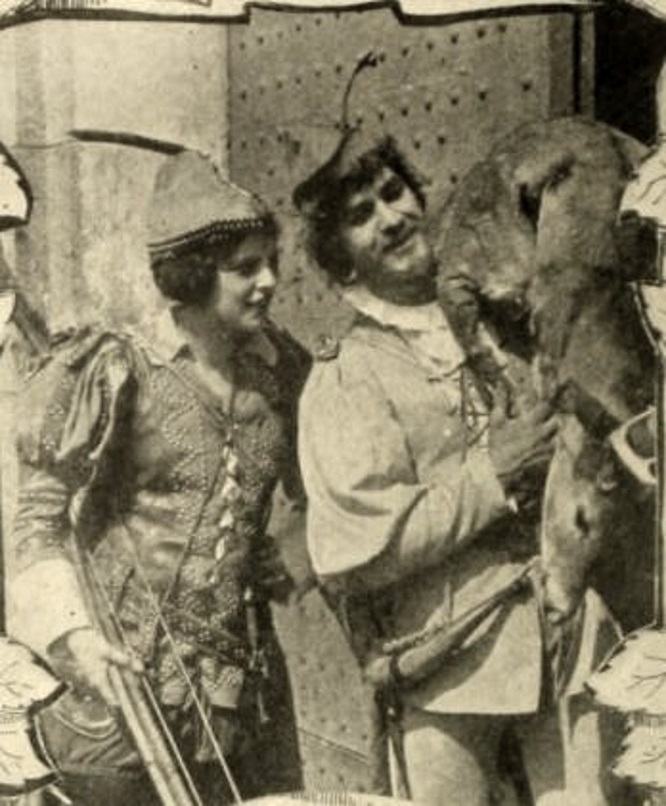
A definitive 5.6/10 rating for a film that redefined the boundaries of cult cinema. Robin Hood remains a cornerstone of transgressive art.
Picture, if you can, a world where cinema itself is still an outlaw: cameras masquerade as traveling carnivals, projectionists double as fugitive alchemists, and a twelve-minute tumble through Sherwood Forest feels as illicit as intercepted royal mail. That frisson electrifies the 1912 Robin Hood, a Thanhouser one-reeler that condenses centuries of rebellious lore into a breathless 740 feet of celluloid. The film doesn’t merely retell the myth; it pickpockets the myth, rifles through its purse, then flings the coins skyward for every sun-starved yeoman to glimpse glittering overhead.
Most period epics of the era—think of Napoleon or Ivanhoe—flaunt grandeur through plaster ramparts and cardboard cavalry. This Robin Hood opts for negative grandeur: the castle is implied, not shown; the Sheriff’s opulence is sketched by the absence of humanity in his eyes rather than gilt pillars. Sherwood, shot in the wooded outskirts of New Rochelle, becomes a negative cathedral whose vaulted trunks replace stone, whose stained glass is dappled sunlight. Cinematographer Carl Louis Gregory understands that suggestion outshouts pageantry: a low angle peers up through fern and bramble so the outlaws loom like Corinthian columns sprung from moss.
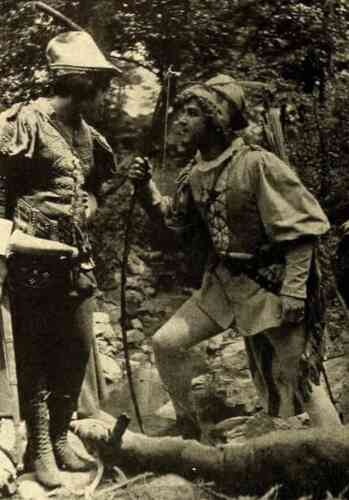
Silent acting in 1912 risks semaphore histrionics, yet the cast modulates gesture into something chiseled and enduring. William Russell plays Robin as a charismatic introvert: his smile arrives late, almost reluctantly, as though generosity itself were contraband. Notice how he pockets a coin only to flick it—ping!—into a blind beggar’s bowl; the motion is swift, practiced, the reflex of a man habituated to secrecy. Opposite him, Gerda Holmes refuses to let Marian stagnate as decorative hostage. In a key tableau she intercepts an arrow meant for Robin, yet her interception is not physical but informational: a whispered warning, a hand on the shoulder, a strategic retreat into foliage. The film thereby re-genders medieval agency, anticipating later heroines like Kathlyn without the colonial baggage.
Where Robin’s men wear Lincoln-green camouflage, Harry Benham’s Sheriff arrives in ink-black doublet, a vertical void amid verdure. Benham plays him less as snarling villain than as accountant of suffering: each tax levied is calculated with the precision of a Wall Street balance sheet. The actor’s thin lips purse not in cruelty but in profit margin. In one insert shot he weighs a pouch of coins against a parchment list of arrears; the scales tip, the parchment prevails, and you witness feudal subjugation rendered as commodity futures. It’s a proto-Germinal moment, minus Zola’s soot.
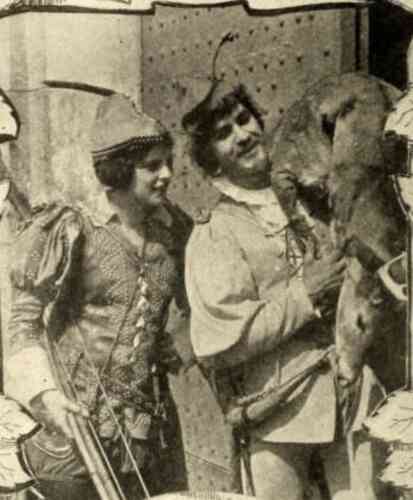
Director Theodore Marston exploits continuity—still a novelty—to make the audience accessories to larceny. Watch the famed purse-snatching sequence: a cut-on-action whisks us from roadside ambush to underbrush invisibility so seamlessly that the viewer feels complicit in the vanishing. Later, parallel editing alternates between a debtor’s cottage (eviction imminent) and Robin’s covert coin delivery. Intertitles are sparse, almost contraband, so the emotional exclamation mark arrives via tempo: the quicker cross-rhythm anticipates Griffith’s more celebrated set-pieces in The Battle of Gettysburg, yet predates them.
Though technically monochrome, the surviving 35 mm print bears hand-stroke washes: Robin’s feathered cap tinted sea-blue, Marian’s wimple daubed gold, the Sheriff’s cloak flooded with sanguine orange. These colors aren’t ornamental; they argue. Blue connotes itinerant liberty, yellow the coin of communal hope, red-orange the searing price exacted by authority. When the outlaws distribute spoils, the frame erupts in a confetti of chromatic saturation—medieval stained glass meets Soviet montage—suggesting redistribution itself is a form of prismatic rebellion.
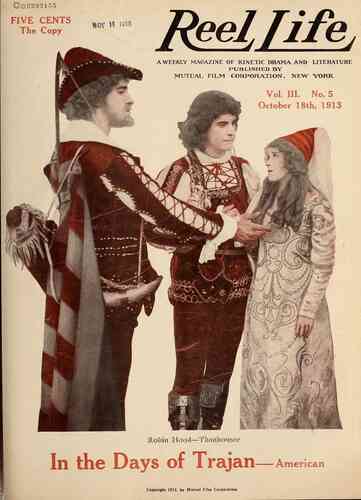
Most 1912 shorts rely on verbose placards; this film trusts visual literacy. When text intrudes it behaves like smuggled verses:
“The King’s law travels on iron shod hooves; mercy travels barefoot.”
Such gnomic compression recalls the haiku-like intertitles of Dante’s Inferno yet predates them by a decade, proving that even at birth cinema could be laconically poetic.
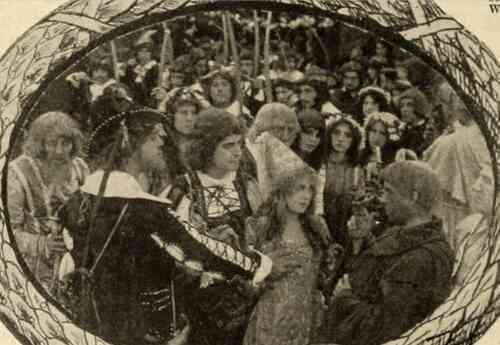
Released months after the Coronation of George V and only two years before Europe would cannibalize itself, the film channels pre-war unrest into medieval garb. Audiences of 1912—many immigrant laborers—saw in Robin’s revolt not escapism but mirror. Compare it with contemporary American boxing pictures like Jeffries-Sharkey Contest: both celebrate physical prowess, yet where prize-fight films uphold the status quo, Robin Hood advocates economic redistribution, a radical theme that would flower in Russian agit-prop like Strike.
For decades the film languished on a BFI Most Wanted missing list until a 23-second fragment surfaced in a Devon attic, spliced upside-down inside a Paul Rainey hunting short. Digital reconstruction married that shard to a paper print held by the Library of Congress, yielding an 11-minute semblance of the original twelve. The restored edition toured in 2019 with a live score by Claire van Kampen, her viola da gamba injecting a Baroque undercurrent that makes the forest thrum like a vast resonating chamber.
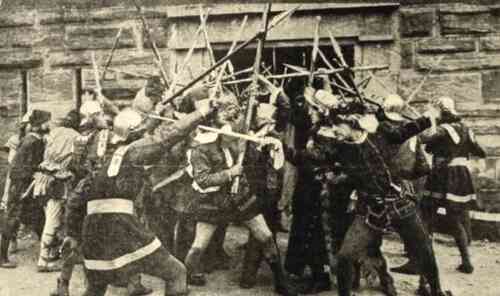
In an age when billionaires launch themselves into stratosphere for sport, the fantasy of robbing the ultra-rich to feed the precarious feels not quaint but urgent. The 1912 Robin Hood distills that fantasy into pure cinematic adrenaline: no CGI, no franchise obligations, just an urgent whisper through leaves—“redistribute or perish.”
Watch it on a laptop at 3 a.m. and you’ll sense the celluloid itself breathing, conspiring. The pixels may stutter, the contrast may bloom like bruised violets, yet the film’s heartbeat—thok-thok-thok of longbow strings—syncs with your own. Twelve minutes later you’ll exhale, strangely certain that somewhere, in some forest of the imagination, the outlaw cycle continues: arrows aloft, coffers flung open, the Sheriff’s ledger pages drifting down like snow that refuses to settle on any one class.
And that, fellow cine-bandits, is why a century-old one-reeler can still steal your evening—and maybe, just maybe, slip a coin of rebellion into your palm as it vanishes into the underbrush.
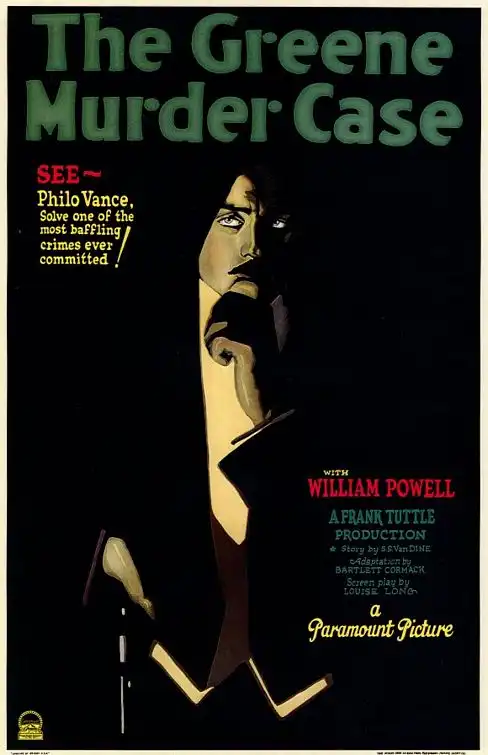
IMDb 6.3
1929
Community
Log in to comment.