DbcultAccessing Vault...
4/10
Senior Film Conservator
A definitive 4/10 rating for a film that redefined the boundaries of cult cinema. Rolling Home remains a cornerstone of transgressive art.
Short answer: Yes, but only if you have an appetite for the specific rhythmic charms of 1920s social satire. This film is for viewers who enjoy character-driven comedies about class anxiety and the 'fake it till you make it' ethos, but it is certainly not for those who require high-octane action or the sophisticated slapstick of a Buster Keaton feature.
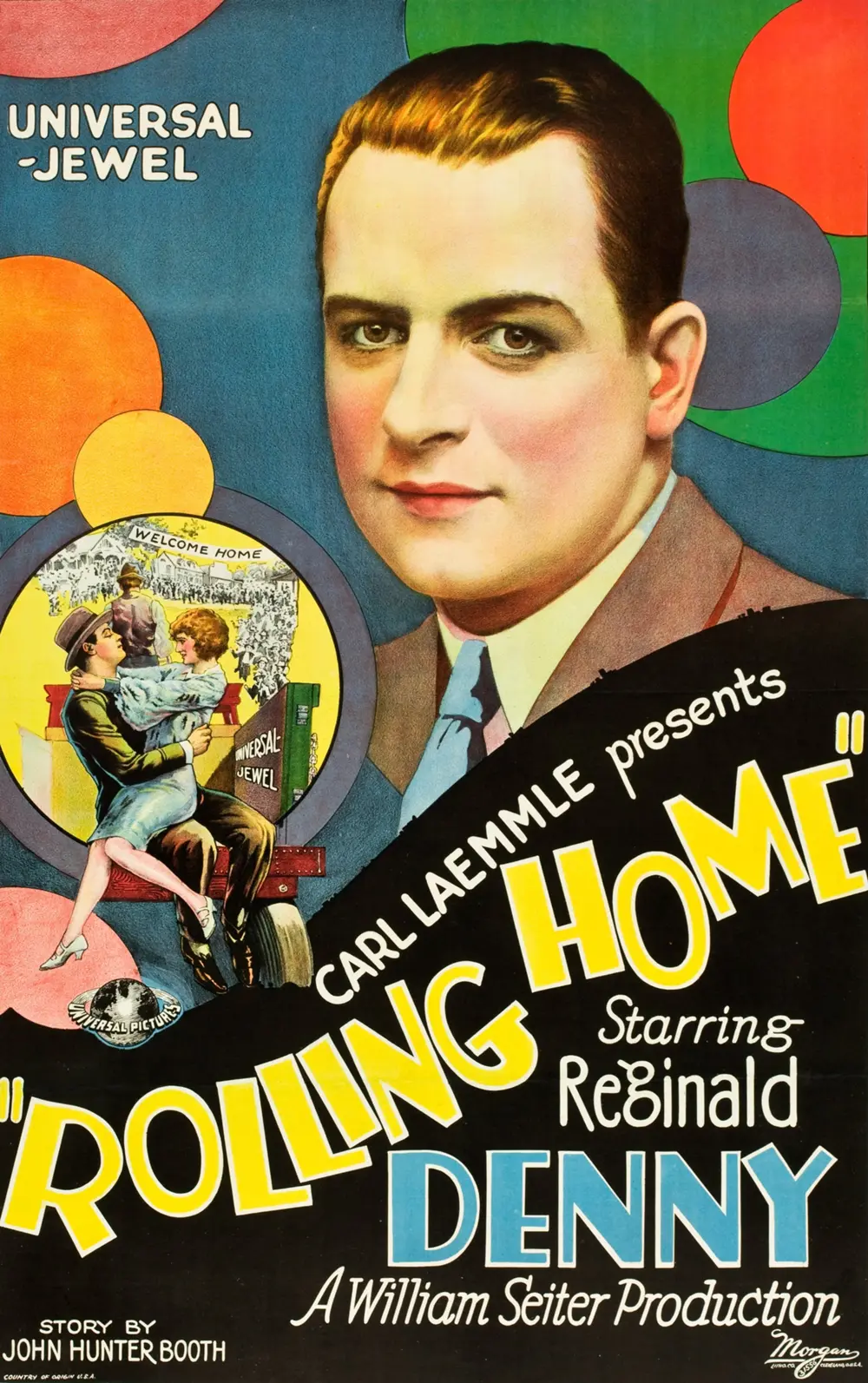
Rolling Home (1926) occupies a curious space in the silent era. It isn't a grand spectacle, nor is it a revolutionary piece of avant-garde cinema. Instead, it is a grounded, surprisingly cynical look at the American obsession with status. It asks a question that remains uncomfortably relevant: how much of our identity is tied to the car we drive and the balance in our checkbook? For Nat Alden, the answer is everything.
1) This film works because: The central premise of imposter syndrome is handled with a relatable, cringing sincerity that makes the comedy feel personal rather than just situational.
2) This film fails because: The resolution relies on a series of convenient coincidences that strip the protagonist of any real growth or accountability for his deception.
3) You should watch it if: You appreciate the nuanced social climbing tropes found in films like Mr. Billings Spends His Dime or if you want to see a rare, leading performance by Ben Hendricks Jr. that captures the desperation of the 1920s 'Promoter' archetype.
Yes, Rolling Home is worth watching for its historical value and its surprisingly modern take on social performance. While it lacks the iconic stunts of its contemporaries, it offers a more intimate look at small-town dynamics and the pressure to succeed. It is a solid example of the mid-tier studio comedies that kept the industry thriving during the silent peak.
The film opens with a sequence that sets the tone for Nat’s desperation. We see him being literally and figuratively ejected from the halls of power. The businessman who throws him out represents the hard, cold reality of 1920s capitalism—a world where ideas are worthless without capital. This rejection is the catalyst for everything that follows. It’s a punchy start. It establishes Nat not as a villain, but as a victim of his own ego.
When Nat meets his old Army buddy, the film shifts into a buddy-comedy gear that it probably should have explored further. The chemistry between Ben Hendricks Jr. and his chauffeur counterpart provides the film's most honest moments. There is a specific scene where they first enter the luxury car—the way they touch the upholstery and adjust their posture—that perfectly captures the intoxicating nature of stolen status. It’s not just about the car; it’s about how the car makes the world look at them.
The arrival in the hometown is staged with a sense of dread that balances the humor. The townspeople are painted with broad strokes, but their collective awe at Nat’s 'success' serves as a biting critique of provincialism. They don't see Nat; they see the chrome and the leather. This part of the film reminds me of the thematic weight found in The Song of the Soul, though handled with a much lighter touch. The lie isn't just Nat's; it's a lie the whole town wants to believe in.
Ben Hendricks Jr. gives a performance that is refreshingly restrained for the era. Many silent actors felt the need to telegraph every emotion to the back row of the theater, but Hendricks relies on a slumped shoulder or a darting eye to convey Nat’s constant fear of being caught. He makes the character sympathetic even when he is being objectively dishonest. It’s a difficult tightrope to walk.
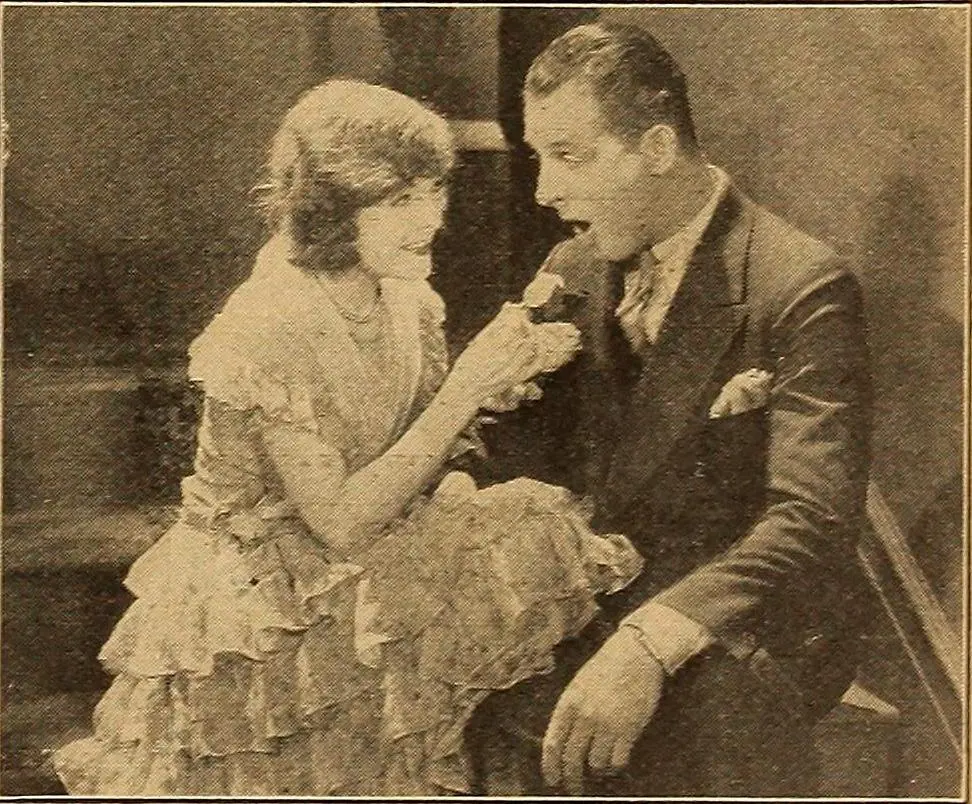
Marian Nixon, playing the love interest, does what she can with a somewhat underwritten role. Her function is primarily to act as Nat’s conscience. However, in the scenes where they are alone, there is a genuine warmth. You can see the tragedy of the situation: Nat is so busy pretending to be a millionaire to impress her that he misses the fact that she liked him better when he was just Nat. It’s a classic trope, but it’s executed here with a sincerity that avoids being overly saccharine.
The supporting cast, including Alfred Allen and E.J. Ratcliffe, provide the necessary friction. Ratcliffe, in particular, plays the 'businessman' archetype with a stiff-necked arrogance that makes you root for Nat’s deception, even if you know it’s wrong. It’s a battle of the classes where the poor man uses the rich man’s tools to beat him at his own game. Or at least, that’s the illusion.
Director William A. Seiter (and the writing team of Rex Taylor, John Hunter Booth, and John McDermott) understands the importance of pacing in a deception comedy. The 'complications' mentioned in the plot summary don't just happen; they cascade. Every time Nat thinks he has secured his secret, a new threat emerges. A local acquaintance knows too much, or the car requires maintenance that a 'millionaire' shouldn't have to worry about.
The cinematography is functional but effective. The use of deep focus in the scenes involving the car allows the audience to see the reactions of the townspeople in the background, emphasizing the scale of Nat’s lie. There is a specific shot of the car parked in front of a modest family home that says more about the American Dream than five minutes of dialogue ever could. It’s a visual juxtaposition that defines the film’s visual language.
Compared to more dramatic works of the same year, like The Third Degree, Rolling Home feels breezy. But that breeziness is deceptive. Underneath the humor is a real sense of anxiety. The film captures the frantic energy of the roaring twenties—a decade built on credit and optimism that was, much like Nat’s status, largely a performance. The pacing reflects this; it’s a nervous, twitchy kind of comedy.
When looking at Rolling Home alongside Never Say Die, we see a recurring theme in 1920s cinema: the fear of death vs. the fear of poverty. While the characters in those films face different stakes, the underlying tension is the same. How do we justify our existence when the world only values us for what we have? Rolling Home takes a more grounded approach than the slapstick-heavy Plain Jane, opting for a narrative that feels like it could actually happen.
The film also shares DNA with Blue Jeans in its depiction of rural versus urban values. Nat goes to the city to 'make it,' but he can only find 'success' by returning to the country with the trappings of the city. It’s a cynical cycle. The film suggests that the small town isn't a refuge from greed, but rather a place where greed is simply more transparent.
"The car is the real star of the show. It represents a level of mobility—both physical and social—that was still a novelty in 1926. In Nat's hands, it's a weapon of mass deception."
Rolling Home is a film that deserves more than its current status as a footnote in silent film history. It isn’t perfect. It’s flawed. The third act feels like the writers ran out of steam and decided to give everyone a hug instead of a lesson. However, the first two acts are a masterclass in building tension through social embarrassment. It captures a very specific American anxiety: the fear that if people saw who we really were, they wouldn't just be disappointed—they’d be bored.
The film is a reminder that the 'hustle culture' we complain about today isn't new. It was alive and well in 1926, fueled by the same desire for validation and the same fear of being 'ordinary.' Ben Hendricks Jr. carries the weight of that anxiety on his shoulders, and for 70 minutes, we feel it too. It’s a minor work, perhaps, but it’s an honest one. And in a world of silent films that often leaned into the fantastic, that honesty is worth something.
If you can find a clean print, watch it for the nuances. Watch it for the way the camera lingers on the faces of the neighbors as they inspect Nat's borrowed suit. Watch it for the quiet moments of doubt. It’s a film about a man rolling home, only to realize that home is the one place you can't actually hide.
IMDb —
1926
Community
Log in to comment.