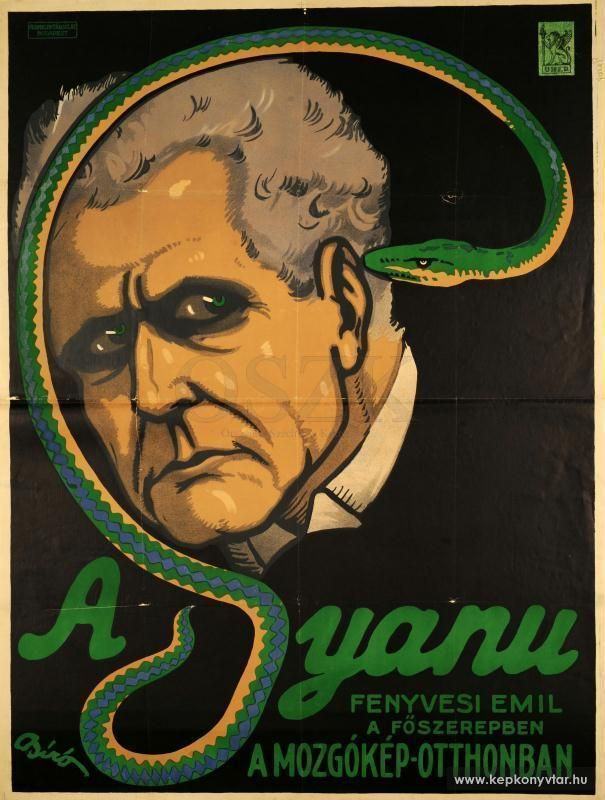
There are silents that merely flicker, and then there are silents that exhale—A gyanú belongs to the latter coven. Shot on the eve of the Great War’s collapse, this Hungarian curio predates Hitchcock’s criminal-lens trope by a full decade, yet it pulses with the same erotic dread that would later perfume Vanity and Th...
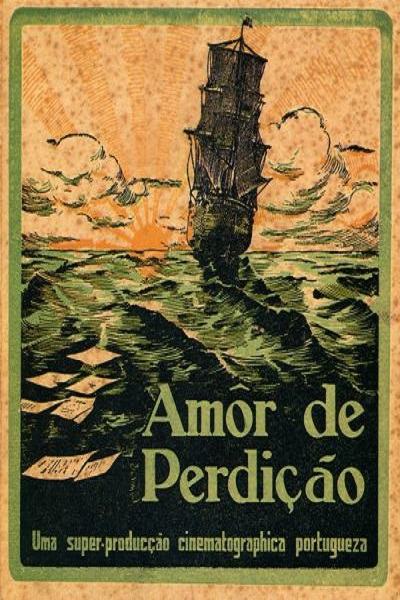
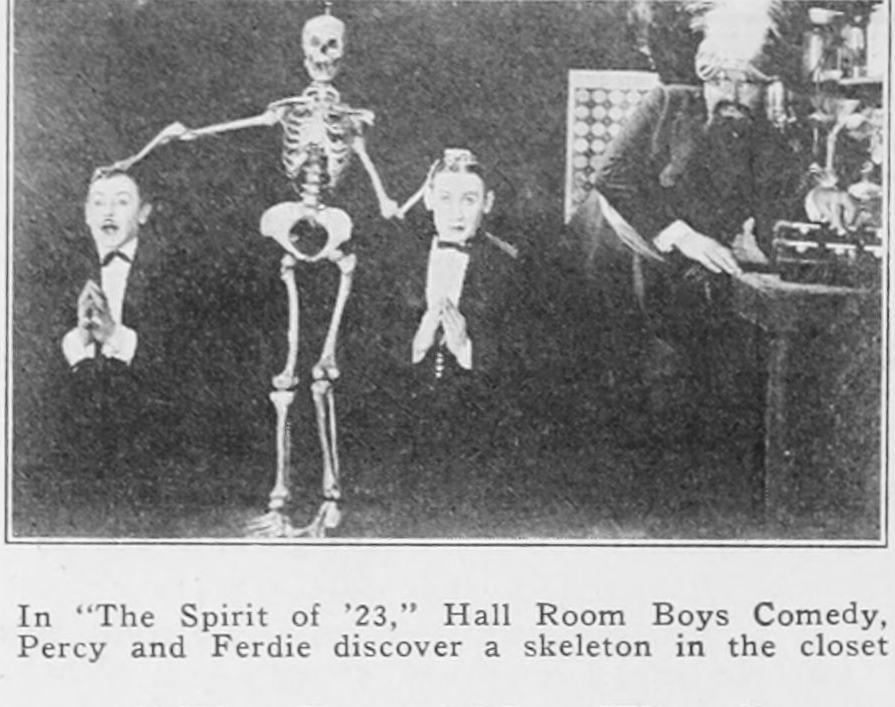
Comparing the cinematic DNA and archive impact of two defining moments in cult history.
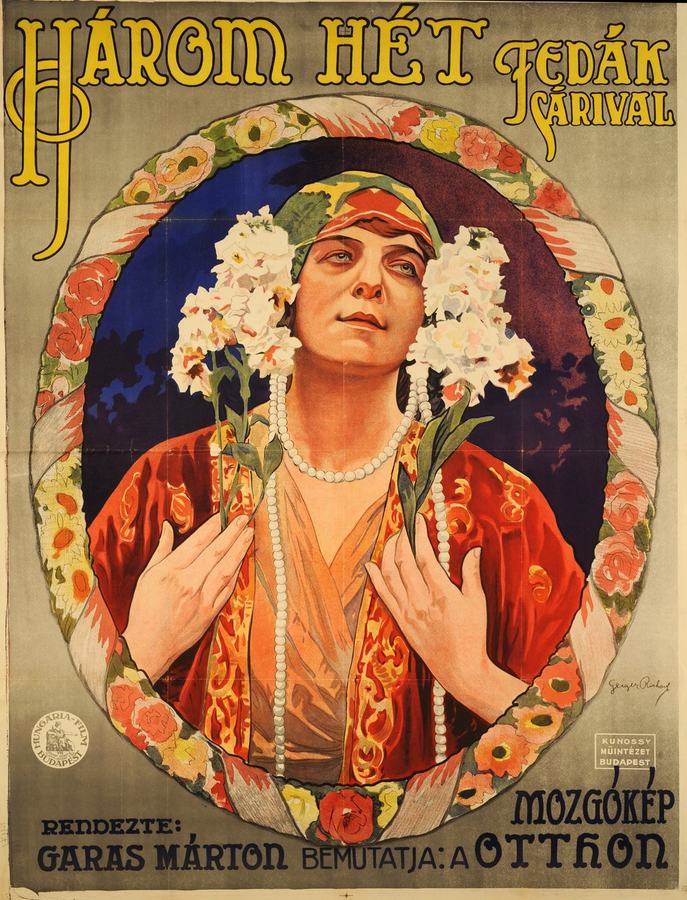
Márton Garas
Márton Garas
Community
Log in to comment.
" There are silents that merely flicker, and then there are silents that exhale—A gyanú belongs to the latter coven. Shot on the eve of the Great War’s collapse, this Hungarian curio predates Hitchcock’s criminal-lens trope by a full decade, yet it pulses with the same erotic dread that would later perfume Vanity and The House of Mystery. Director Mihály Kertész (later Hollywood’s Michael Curtiz) wields chiaroscuro like a scalpel. Note the sequence where Gyula Szöreghy’s magistrate—face a topogr..."