DbcultAccessing Vault...
5.3/10
Senior Film Conservator
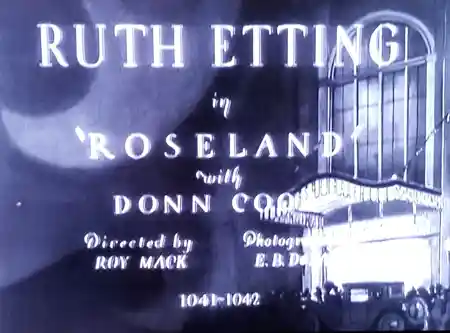
A definitive 5.3/10 rating for a film that redefined the boundaries of cult cinema. Roseland remains a cornerstone of transgressive art.
Alright, so Roseland. Is it worth tracking down today? Well, that really depends. If you're someone who loves digging into old melodramas, especially those focused on a particular kind of early 20th-century urban grit, then yeah, there’s something here for you. But if you need fast pacing, clear-cut motives, or even just decent sound quality by modern standards, you’ll probably be climbing the walls.
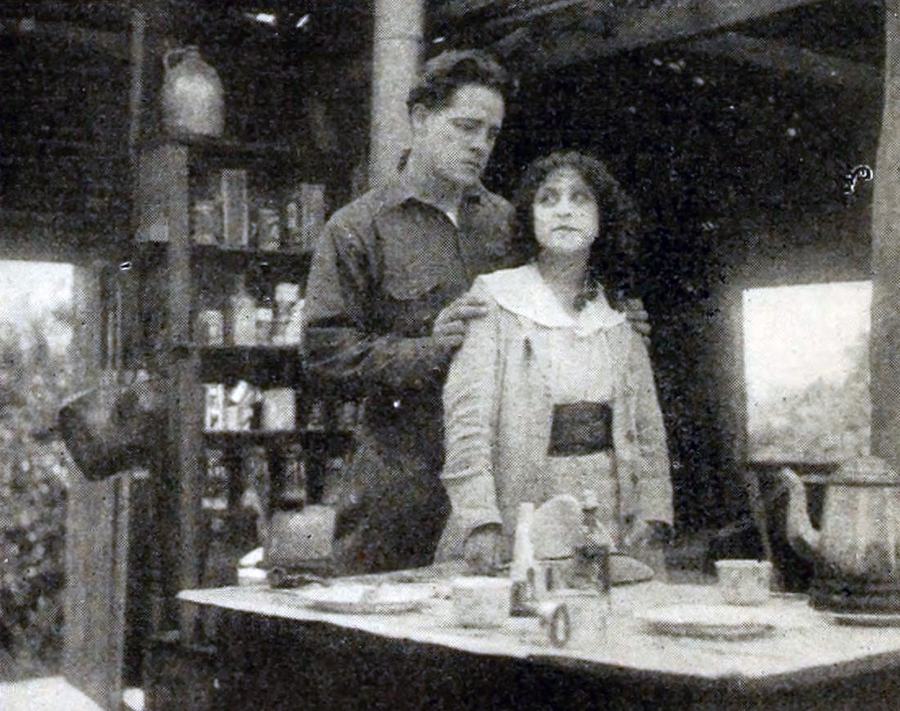
This is a film that really just wants to show you a slice of life, a dance hall hostess girl trying to find her way. Ruth Etting, playing herself in a way, she’s the centerpiece. She’s got this voice, right? And it carries you. Sometimes it’s the only thing carrying the whole picture.
The whole setup of a dance hall, it’s supposed to be glamorous, I guess, but it feels more like a place of endless longing. The men shuffle in, mostly trying to buy a bit of company. It’s less about dancing and more about this unspoken negotiation happening in every single shot.
There’s this one particular scene, it’s not even very long, where Etting is just sitting at a small table, watching the other girls. She’s not singing, not talking. Just observing. Her eyes, they hold this kind of weary hope, like she’s seen it all but hasn’t given up just yet. It’s a powerful moment, really.
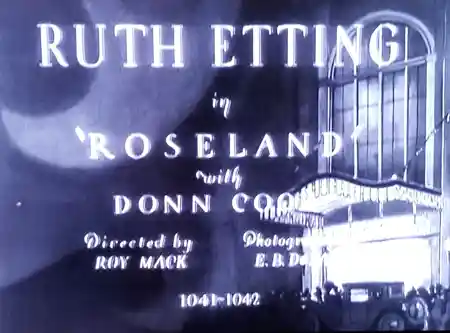
Then Jimmy Grainger Jr. comes into the picture, one of the 'right guys' she might be looking for. He’s got that boyish charm, a bit naive maybe. Their interactions, they feel a bit stilted sometimes, like they’re both reading from different scripts. It's not a bad thing, necessarily, it just makes you lean in a little more, trying to figure out what's actually going on underneath.
You can almost feel the movie trying to convince you that this budding romance really matters. The camera lingers on their hands touching, or a shared glance across a crowded room. But the chemistry isn’t always there, not in the way you'd expect from a modern film.
Kitty Alexander, she’s in a few scenes too, a rival or maybe just a friend. Her character, she seemed to have a bit more fire, a bit more directness than the others. I kept wanting to see more of her, to understand her angle. But then she just sort of… drifts out of frame.
The whole pacing of Roseland, it’s a bit like a slow dance itself. Some parts feel like they stretch on for ages, like you’re stuck in a loop. Then suddenly, something happens, a small confrontation or a song, and it jolts you awake. The transitions sometimes feel a bit abrupt, almost like a reel change you can feel, even if it’s been digitized.
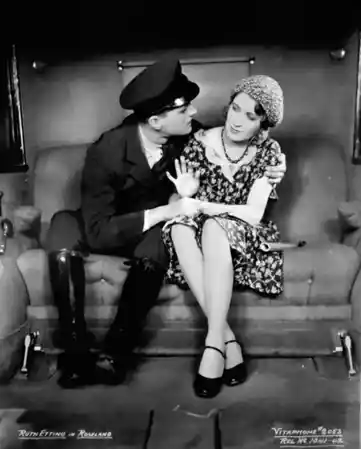
One reaction shot lingers so long on Donald Cook’s face after Etting rejects him, it almost becomes funny. He’s just standing there, utterly bewildered, for a beat too long. It’s a small thing, but it sticks with you.
The music, naturally, is a big part of it. Etting’s songs, they’re the soul of the film. They transport you. But sometimes the background score just vanishes, leaving these oddly quiet gaps. Like the sound mixer took a coffee break.
It’s not a film about grand gestures or big twists. It’s really about the small, everyday struggles of someone trying to make a life, and find some connection, in a place that’s always moving, always changing. The ending, it doesn't really tie everything up with a neat bow, which honestly, I appreciate. It feels more real that way.
You can almost see the fingerprints of the era all over it. The way people move, the fashion, the casual dialogue. It’s a snapshot, a rather melancholic one, of a certain time and place.
IMDb —
1930
Community
Log in to comment.