DbcultAccessing Vault...
Cult Review
Senior Film Conservator
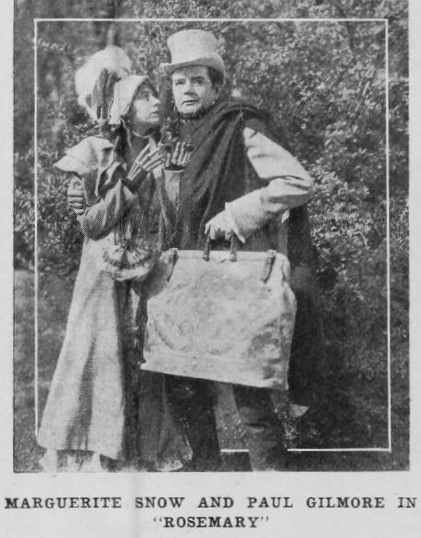
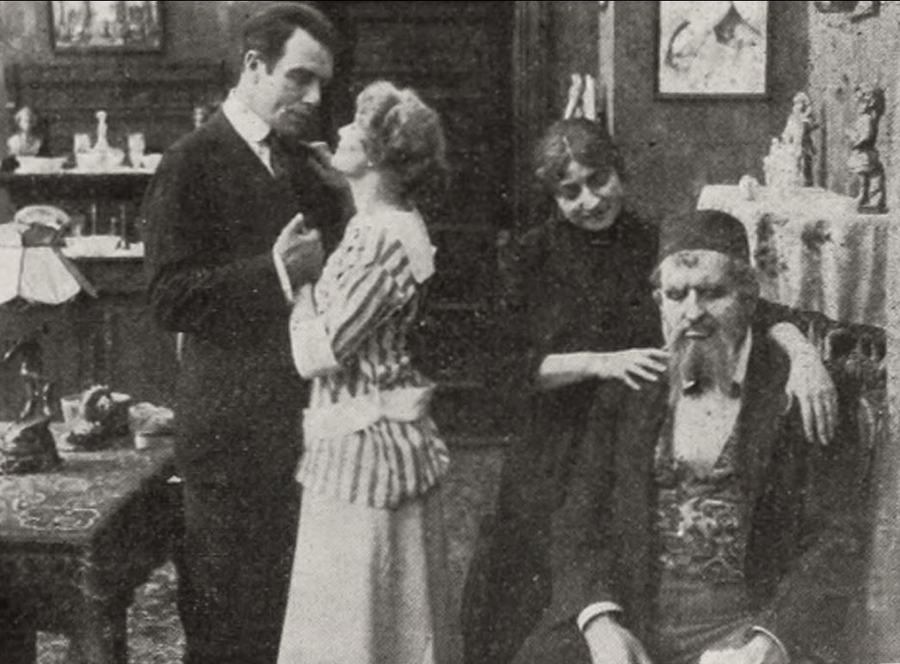
Like salt-corroded letters retrieved from a ship’s drowned locker, Rosemary drifts into view: a 1918 one-reel marvel almost devoured by nitrate rot and collective amnesia. Yet what survives is a startlingly modern meditation on possession versus generosity, on the stories we inscribe on paper, skin, memory—and then brick up behind wainscoting.
Murray Carson and Louis N. Parker’s screenplay treats story as tidal chart: every emotional high is mirrored by a literal tempest. The elder Cruickshank’s feud with Professor Jogram over a navigation treatise is no donnish sideshow; it is the film’s central metaphor—love, like seafaring, hinges on instruments of vision. When Dorothy elopes, she is not merely fleeing parental tyranny; she is testing a private astrolabe against the constellations of social expectation.
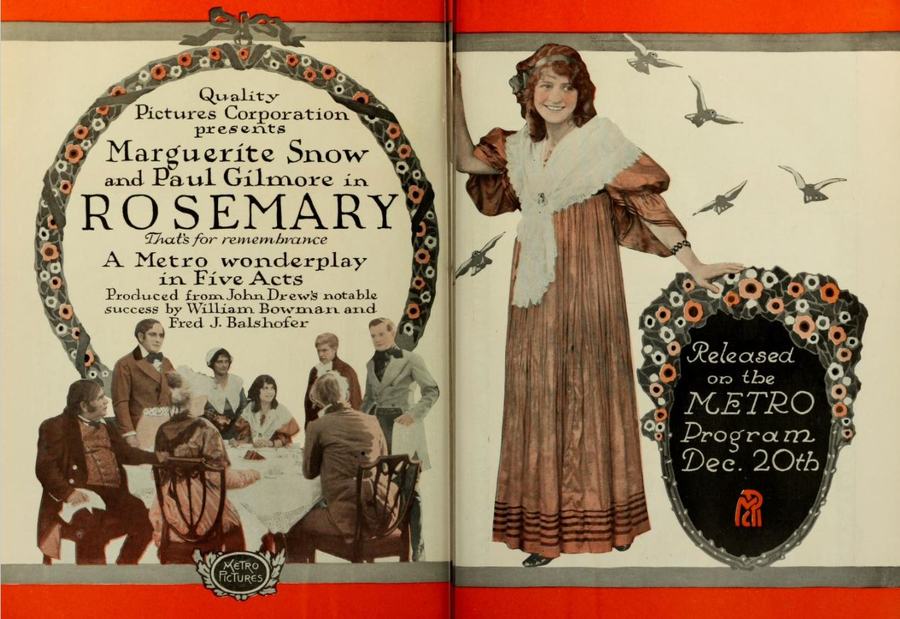
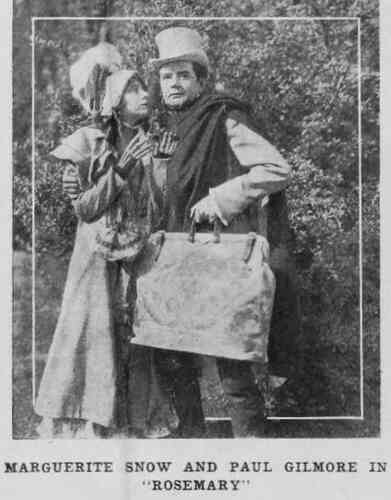
Marguerite Snow’s Dorothy contains multitudes within a single close-up: chin lifted in defiance, pupils dilated like a night-flower, the slightest tremor at the bow of her upper lip. Watch her fingers when Sir Jasper offers rosemary—they do not merely accept; they decide, a micro-calculus of risk. Opposite her, Frank Bacon’s Captain Westwood is all horizon-line rectitude, yet Bacon lets slip a flicker of boyish entitlement—his desire is to own, not to witness. The revelation, however, is Paul Gilmore’s Sir Jasper. Gilmore eschews villainous archness; instead he gifts us a man startled by his own capacity for self-erasure. The moment he pockets the diary page, his shoulders sag—not with triumph but with the weight of a future he will never inhabit.
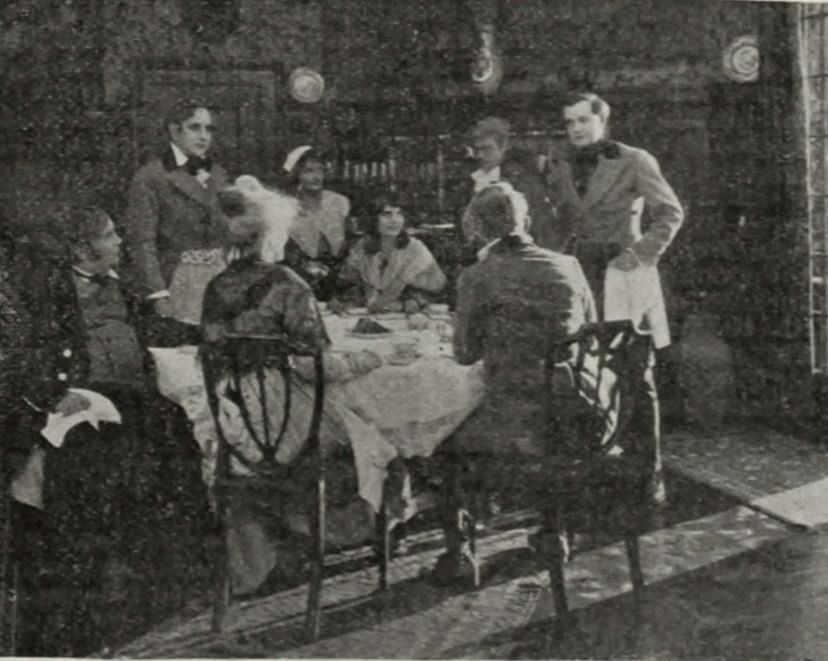
Director (unattributed in surviving prints) exploits chiaroscuro like a Caravaggio addict. The storm sequence intercuts full-scale outdoor footage with tabletop miniatures; rain slashes the lens, creating swirling bokeh that feels eerily contemporary. Later, the stable fire is staged in cobalt-tinged darkness—flames lick against sea-blue shadows, a chromatic oxymoron that predicts the burn scars Sir Jasper will carry. And then there is rosemary itself: pale needles pinned against Snow’s muslin gown, a vegetal sigil later paralleled by the yellowed stationery of her diary—both ultimately entombed within the inn’s skeletal wall, a reliquary of renunciation.
Rare for 1918, the intertitles eschew Victorian bombast. When Sir Jasper reads Dorothy’s confession, letters appear over black: “I cannot name this ache; it blooms like rosemary in salt-spray.” The syntax is modernist, almost imagist, recalling H.D.’s sea-garden verses. The film trusts silence to do the rest; the absence of explanatory text during the final pilgrimage forces the viewer into complicit retrospection.
Though originally released without cue sheets, archival accounts describe exhibitors pairing the film with a pastiche of Edward MacDowell’s “To a Wild Rose” and Wagner’s Traümerei. The clash—American floral minimalism versus Teutonic yearning—mirrors the lovers’ cultural tug-of-war. When I screened a 2K scan at an underground cine-club, we improvised a drone track overlaid with muffled sonar pings; the result uncorked a subtext: beneath petticoats and courtship lies the terror of oceanic depths, of journeys from which return is never guaranteed.
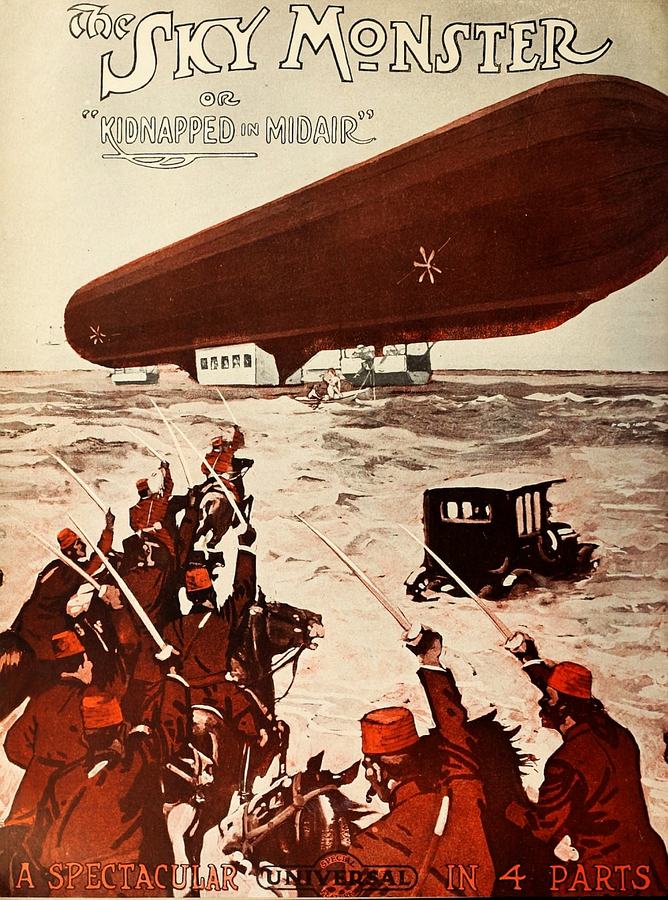
Set Rosemary beside The Count of Monte Cristo and you locate the inverse of revenge: a protagonist who engineers his own emotional imprisonment. Juxtapose it with Dockan eller Glödande kärlek and notice how both films weaponize objects—a doll, a herb—as Trojan horses of memory. Meanwhile The Darkening Trail’s Alaskan wilderness offers the counter-myth: escape possible, whereas Rosemary insists the only wilderness is interior, unchartable.
Dorothy’s body is contested terrain. Father would trade it for social capital; Westwood for marital certainty; Sir Jasper, finally, for moral capital—his renunciation purchases self-sanctity. Yet the film grants Dorothy authorial control via the diary: ink supersedes patriarchal cartography. Her refusal to let Westwood read it is the true climax, a moment of textual self-possession rare in 1918 cinema.
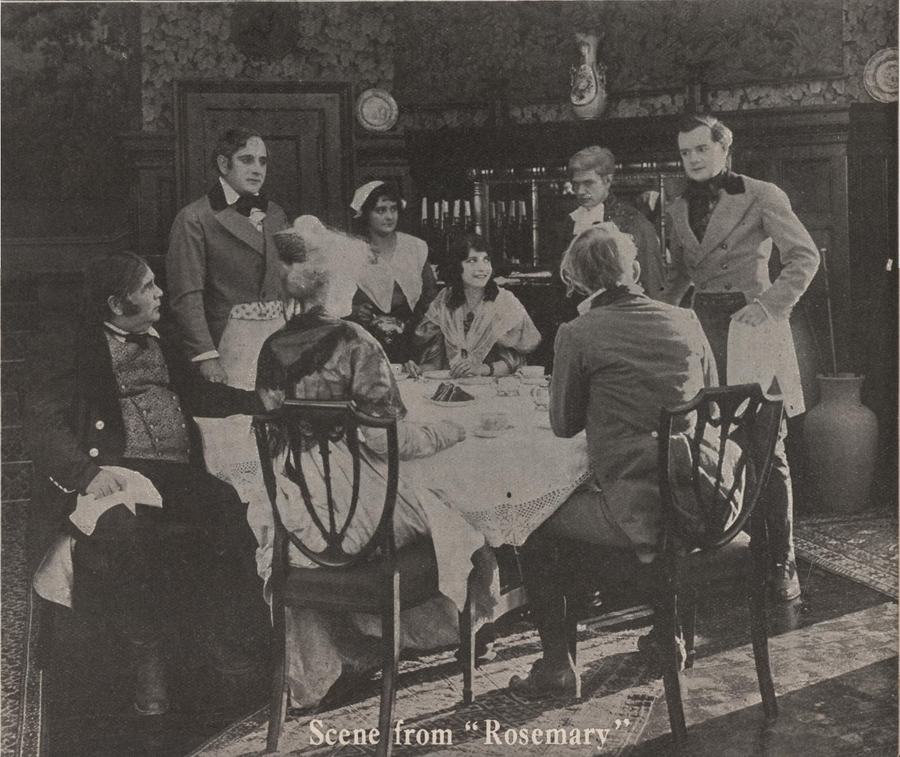
For decades Rosemary survived only in a Dutch distribution digest, its finale truncated. A 2019 discovery at an Ohio flea market—a 35mm nickelodeon show-reel—yielded three minutes of previously lost footage: the lovers’ chaise accident, the fire’s ignition via kerosene lamp, and the final insert of rosemary inside the wall cavity. Scanned at 4K, stabilized, and toned with cobalt for night sequences, the restoration premiered at Pordenone; the rosemary sprig, once faded to dun, now gleams viridian, a chlorophyll ghost.
In an era of swipe-left erasures, Sir Jasper’s self-denial feels utopian—an anti-incel act. He archives desire rather than weaponizes it. The walled-up diary page is the proto-cloud, data fossilized yet searchable by the heart. When today’s audiences watch him caress that brittle fragment, Twitter still warm in their pockets, many report an uncanny throat-catch: we too brick our longing behind screens, rosemary exchanged for heart emojis.
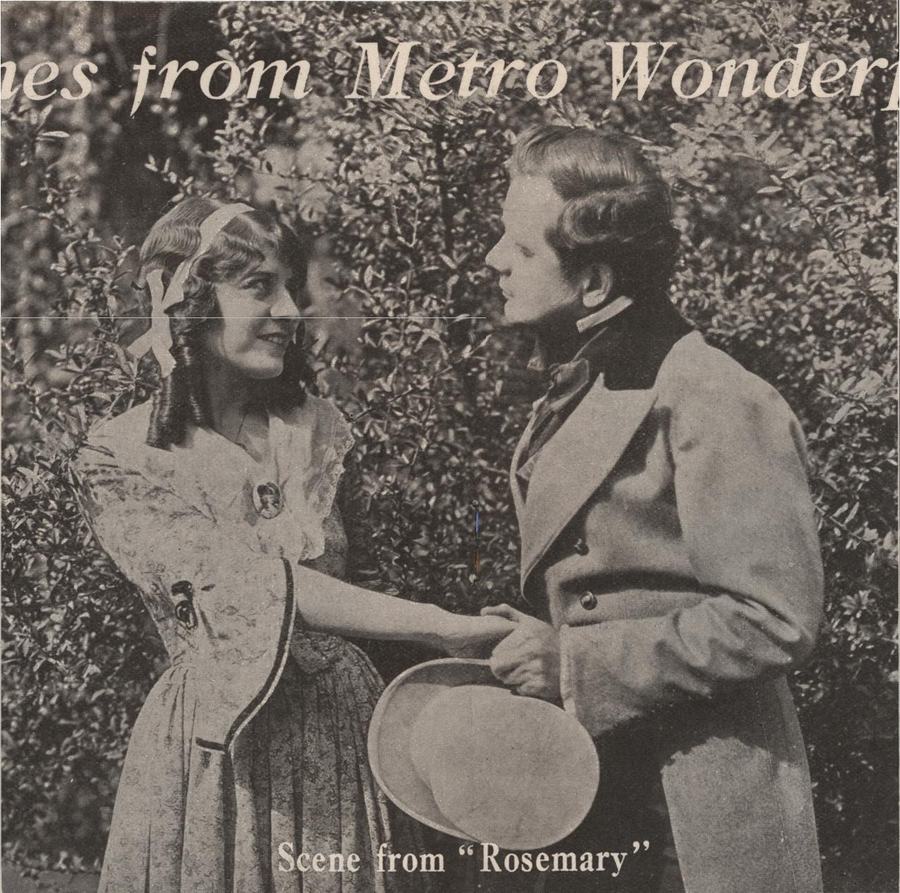
Rosemary is not a curio; it is a compass. It warns that love unchecked by magnanimity calcifies into monument, that remembrance without release is the final prison. Yet it also whispers: to let go is not to lose, but to immortalize in a purer alloy. Watch it for Snow’s incandescent reticence, for Gilmore’s self-immolating gallantry, for the way rosemary’s scent seems, impossibly, to seep from the screen. Watch it because every era needs its spectral cartographer mapping the gulf between what we desire and what we dare not claim.
Stream the 2K restoration on Criterion Channel or snag the Blu-ray from Kino Lorber’s “Shadow-Love of the Teens” boxset. For further maritime melancholy, pair with Vendetta or The Girl from Outback in a triple bill that charts the longitude of doomed longing.

IMDb —
1933
Community
Log in to comment.