DbcultAccessing Vault...
6.6/10
Senior Film Conservator
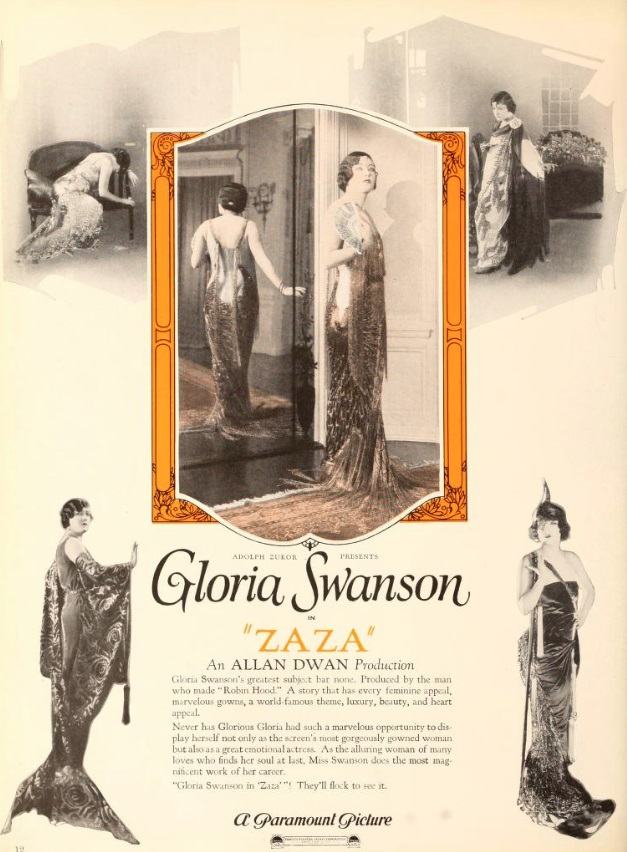
A definitive 6.6/10 rating for a film that redefined the boundaries of cult cinema. Zaza remains a cornerstone of transgressive art.
The 1923 film Zaza is a cinematic masterpiece that delves into the intricate world of human emotions, set against the picturesque backdrop of a small French town. With its release, the movie joined the ranks of other notable films of the era, such as Aladdin and the Wonderful Lamp and Pots-and-Pans Peggy, each offering a unique perspective on the human experience. Directed by Allan Dwan, Zaza features a talented cast, including Gloria Swanson, H.B. Warner, and L. Rogers Lytton, who bring depth and nuance to their respective characters.

At the heart of the story is Zaza, the favorite actress at the local open-air theater, played by the incomparable Gloria Swanson. Her character's complexity is a testament to Swanson's impressive range as an actress, as she effortlessly navigates the intricacies of Zaza's personality, from her captivating stage presence to her vulnerable and Vixen-esque nature. As the story unfolds, Zaza's life becomes intertwined with that of diplomat Bernard Dufresne, played by H.B. Warner, who finds himself drawn to her despite his initial reservations. Their romance is a delicate balancing act, with the societal expectations of Dufresne's diplomatic position threatening to upend their blossoming relationship.
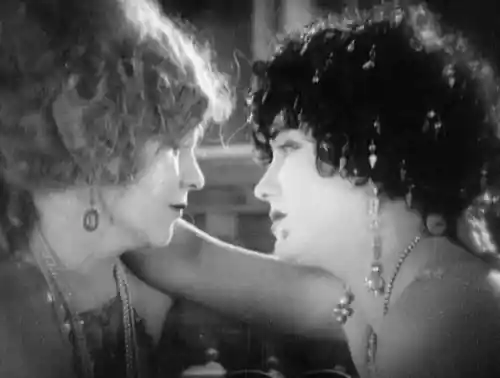
The film's narrative is a thought-provoking exploration of the human condition, touching on themes of love, duty, and the constraints of social class. The contrast between Zaza's humble background and Dufresne's aristocratic upbringing serves as a poignant reminder of the rigid social hierarchies that governed life in 1920s France. This dichotomy is skillfully woven throughout the story, as the characters navigate the treacherous landscape of their emotions, all while being mindful of the societal norms that govern their behavior. In this regard, Zaza bears some resemblance to other films of the era, such as The Cowboy Ace and Barry Butts In, which also explored the complexities of human relationships in the face of societal expectations.

One of the most striking aspects of Zaza is its use of cinematography, which masterfully captures the essence of the French countryside. The film's visuals are a character in their own right, with the rolling hills, quaint villages, and picturesque landscapes serving as a stunning backdrop for the story. The cinematographer's use of lighting is equally impressive, with the interplay of light and shadow adding depth and nuance to each scene. This attention to detail is a hallmark of the film, with every aspect, from the costumes to the set design, contributing to the overall sense of immersion and authenticity.

In comparison to other films of the era, such as Wings of the Morning and Cinderella Cinders, Zaza stands out for its thoughtful pacing and character development. The film's narrative is carefully crafted, with each scene building upon the last to create a sense of tension and anticipation. This is particularly evident in the scenes between Zaza and Dufresne, whose romance is a slow-burning fire that threatens to consume them both. The supporting cast, including L. Rogers Lytton and Lucille La Verne, add depth and complexity to the story, their characters serving as a foil to the tumultuous relationship between the two leads.
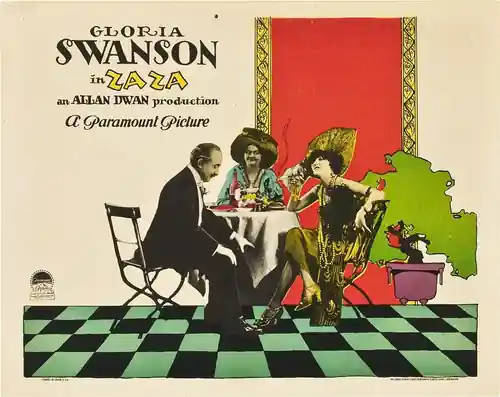
The film's themes and motifs are also worthy of note, as they add a layer of depth and complexity to the narrative. The use of symbolism, for example, is a powerful tool, with the theater serving as a metaphor for the performances we all give in life. Zaza's character, in particular, is a masterful creation, with her struggles to balance her passion for the stage with the demands of her personal life serving as a poignant reminder of the sacrifices we must make for the sake of our art. In this regard, Zaza bears some resemblance to other films, such as Miraklet: Tavlor ur det katolska samfundslivet and The Photo-Drama of Creation, which also explored the human condition through the use of symbolism and metaphor.
In conclusion, Zaza is a film that will resonate with audiences long after the credits have rolled. Its thoughtful pacing, complex characters, and poignant themes make it a must-see for anyone interested in the art of storytelling. With its release, the film joined the ranks of other notable movies of the era, such as His Dizzy Day and Ludzie bez jutra, each offering a unique perspective on the human experience. As a work of cinematic art, Zaza is a testament to the power of film to capture the essence of the human condition, with all its complexities and nuances. Whether you are a fan of classic cinema or simply looking for a thought-provoking film experience, Zaza is a movie that is sure to leave a lasting impression.
The film's influence can also be seen in other movies, such as The Courage of the Common Place and Nala Damayanti, which also explored the complexities of human relationships and the constraints of social class. The movie's use of cinematography and its thoughtful pacing have also been an inspiration to other filmmakers, with His Official Fiancée and Peck o' Pickles being two examples of films that have followed in its footsteps. As a classic of the silent era, Zaza continues to be a source of inspiration for filmmakers and audiences alike, its themes and motifs remaining as relevant today as they were when the film was first released.
In the end, Zaza is a film that will be remembered for its beautiful cinematography, its complex characters, and its thought-provoking themes. It is a movie that will continue to be enjoyed by audiences for generations to come, its influence visible in many other films, such as The Dark Star. Whether you are a fan of classic cinema or simply looking for a film that will challenge your perceptions and leave you thinking long after the credits have rolled, Zaza is a must-see.
IMDb 5.2
1934
Community
Log in to comment.