DbcultAccessing Vault...
Cult Review
Senior Film Conservator
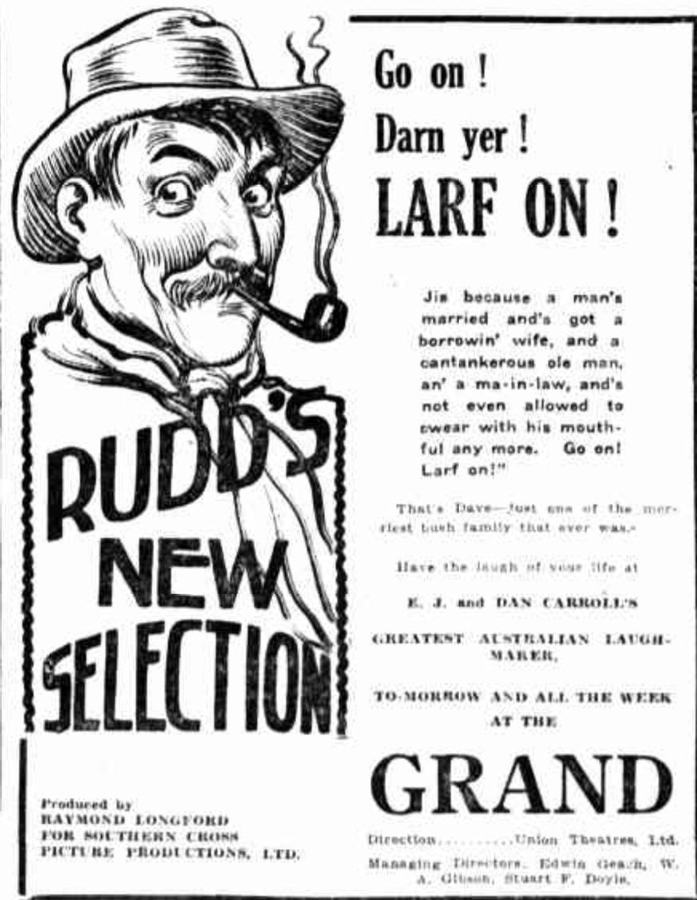
Rudd's New Selection (1919) is a cinematic relic that, despite its century-old origins, pulses with a startlingly modern relevance. Co-directed by Lottie Lyell and Raymond Longford, and based on the beloved bush stories of Steele Rudd, the film transcends its era as a poetic meditation on the collision between tradition and progress. The narrative meanders through the lives of a cross-section of Australian society, from the sunbaked outback to the cobblestone streets of emerging cities, capturing the zeitgeist of a nation in transition. The film’s structure, reminiscent of The Lion and the Mouse in its episodic pacing, deftly interweaves subplots to form a cohesive whole without sacrificing individual character depth.
What sets Rudd's New Selection apart is its unflinching gaze at the human condition. While the plot may seem deceptively simple—a farmer’s dilemma over land rights, a young couple’s struggle against societal norms—it is the film’s emotional texture that lingers. Meadow Peel, in her breakout role, portrays a woman torn between her loyalty to her family’s heritage and her aspirations for a life beyond the fences of her father’s farm. Her performance is a masterclass in silent film acting, conveying volumes through glances and gestures that resonate with the same poignancy as Ada St. Claire’s in The Knight of the Pines. The supporting cast, including Louis Fors as the idealistic but conflicted schoolteacher, adds layers of nuance, their interactions forming a microcosm of societal change.
The film’s visuals are a testament to Longford’s mastery of light and shadow. The golden-hour shots of wheat fields and the stark contrast of urban shadows mirror the thematic tension between pastoral idyll and industrial encroachment. One particularly striking sequence—a train slicing through the Australian bush—echoes the later aesthetic of Das Geheimnis der Lüfte, using motion as a metaphor for the unstoppable march of time. The editing, though constrained by early cinematic technology, is fluid and purposeful, ensuring that the film’s pacing remains brisk despite its thematic heft.
Thematically, Rudd's New Selection grapples with the paradox of progress. The film does not romanticize rural life but acknowledges its hardships, nor does it vilify urbanization but highlights its alienating effects. This duality is perhaps best embodied in the character of Ada Clyde, played with quiet ferocity by May Renne. Her journey from a sheltered farm girl to a fiercely independent woman parallels Australia’s own transformation, a motif that resonates with the existential undertones of Unsühnbar. The film’s resolution is neither triumphal nor nihilistic; instead, it offers a bittersweet acceptance of change, a theme that feels remarkably contemporary in an age grappling with climate change and technological upheaval.
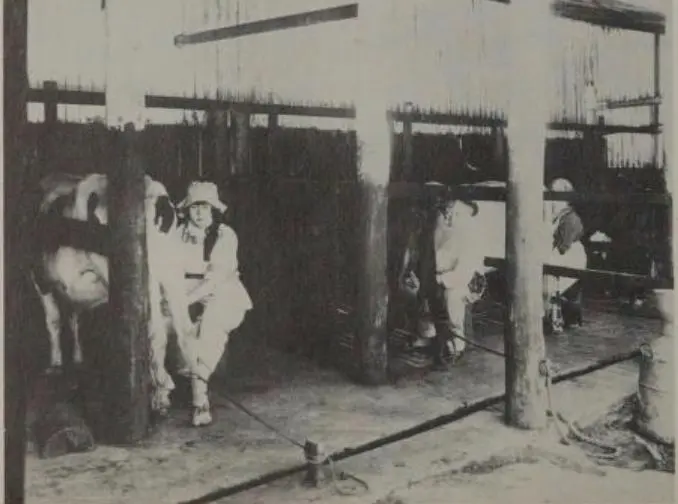
The score, composed anonymously in the era’s typical fashion, is a subtle but vital component of the film’s emotional landscape. While the absence of dialogue forces the narrative onto visual storytelling, the music—primarily a blend of folk melodies and industrial-era marches—guides the viewer’s emotional response. The use of diegetic sound, such as the creak of a wooden gate or the whistle of a steam train, further immerses the audience in the film’s world. This auditory layering is reminiscent of Ultus, the Man from the Dead, though here it serves to ground the story rather than heighten horror.
What is most striking about Rudd's New Selection is its unapologetic Australian identity. Unlike the often Eurocentric narratives of early cinema, this film roots itself firmly in the unique cultural and geographical context of the continent. The dialogue, though lost to time (as with all silent films), is preserved in the gestures and expressions of its actors, offering a window into the social mores of the era. The film’s portrayal of Indigenous Australians, while limited by the standards of today, is notably more nuanced than in many contemporaries, a point of discussion that invites comparison with Australia Calls’s later treatment of the same themes.
The film’s legacy lies in its ability to speak across generations. Modern viewers may initially be struck by the sepia-toned aesthetic, but the themes of displacement, identity, and the search for meaning are as urgent now as they were a century ago. The film’s influence can be traced in later works like The Home Town Girl, which similarly explores the tension between rural and urban life, but Rudd's New Selection remains a touchstone for its unflinching honesty and artistic ambition.
In conclusion, Rudd's New Selection is more than a historical artifact; it is a profound exploration of the human experience, rendered with the technical ingenuity and emotional depth that defined the silent film era. Its enduring relevance, coupled with its masterful execution, cements its place as a cornerstone of Australian cinema. For scholars of early film and enthusiasts alike, this work is an essential viewing, offering both a window into the past and a mirror reflecting our present.
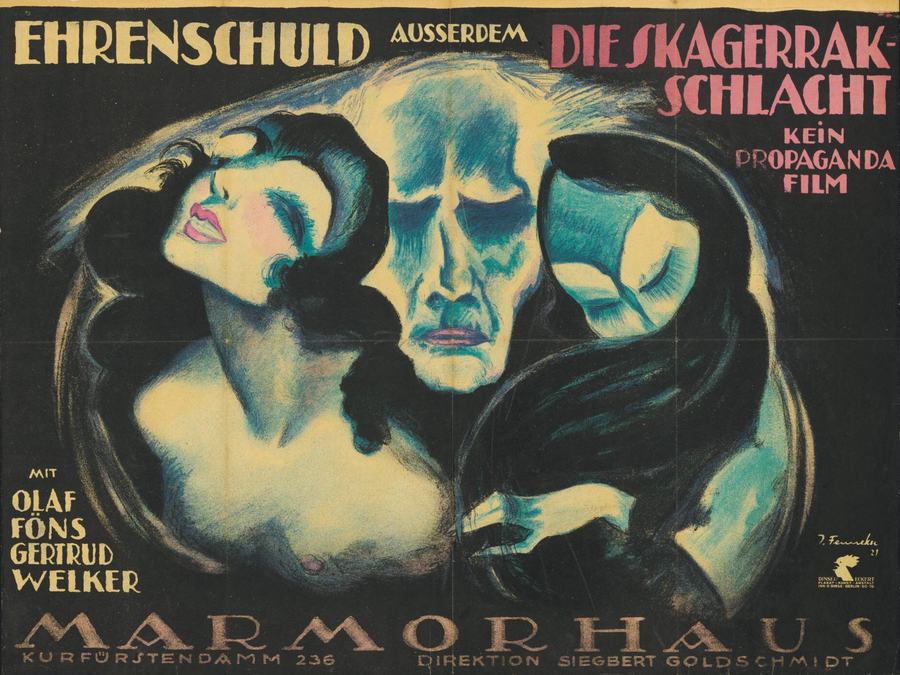
IMDb —
1921
Community
Log in to comment.