DbcultAccessing Vault...
Cult Review
Senior Film Conservator
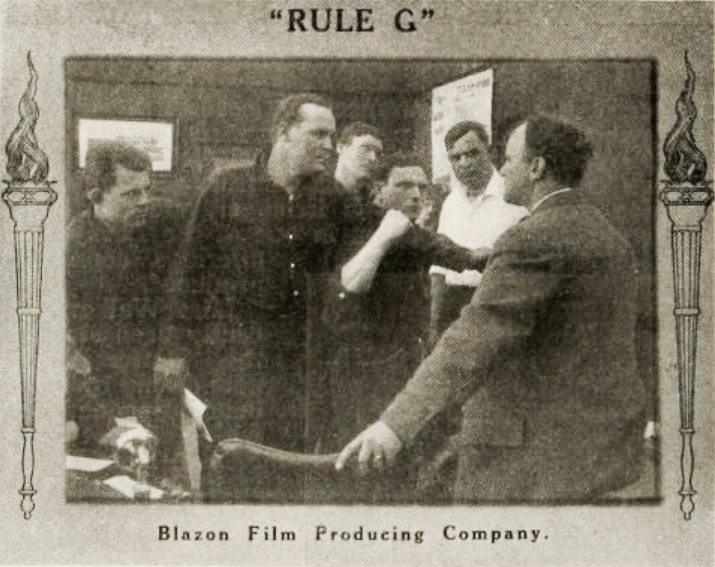
In the annals of early cinema, where moral narratives often intertwined with the burgeoning realities of an industrialized world, Rufus Steele's "Rule G" emerges as a compelling, if often overlooked, testament to the human struggle against personal demons and societal strictures. Released in an era when film was still finding its voice, this dramatic silent picture, penned by Steele himself, delves into a deeply resonant theme: the devastating ripple effects of individual failing within a system demanding absolute precision and unwavering sobriety. It's a poignant exploration of duty, addiction, and the often-brutal path to redemption, underscored by performances that, even across the chasm of a century, manage to convey a profound emotional truth. Far from being a mere historical curiosity, "Rule G" offers a stark, unflinching look at the consequences of choices, rendered with a narrative urgency that belies its age, drawing viewers into a world where a single lapse can precipitate an unthinkable catastrophe.
The film's intricate plot centers on Jack O'Connor (Jack O'Connor), a young, ostensibly diligent telegrapher for the Western & Pacific Railroad. His professional life, however, masks a corrosive secret: a burgeoning dependency on alcohol, an insidious habit that places him in direct violation of "Rule G," the company's draconian policy forbidding intoxication while on duty. This clandestine struggle is further complicated by his deep affection for Mary Posey (Kathleen Emerson), the spirited and virtuous daughter of John Posey (A.C. Posey), a revered veteran engineer whose life embodies the very principles of reliability and steadfastness that Jack is so precariously undermining. The narrative skillfully constructs a tension between Jack's personal frailty and the ironclad demands of his profession, setting the stage for an inevitable collision of worlds. Steele’s writing, while direct, manages to imbue these early character sketches with enough depth to elicit genuine empathy and apprehension from the audience, a considerable feat given the limitations of the silent medium.
The dramatic fulcrum arrives on a night of relentless storm, a classic cinematic device amplifying the impending human tempest. A critical train dispatch, vital for rerouting an express and averting a disastrous head-on collision, needs to be transmitted. But Jack, having succumbed to his weakness, lies incapacitated at his post, the crucial message unread, the fate of countless lives hanging precariously in the balance. John Posey, oblivious to the looming peril, pilots the express, his trust implicitly placed in the unseen network of telegraphers. It is Mary, visiting Jack, who stumbles upon the horrifying truth: her beloved is compromised, and her father's train is hurtling towards disaster. This revelation propels her into a desperate, adrenaline-fueled race against time, a frantic attempt to warn her father and prevent an unthinkable tragedy. The film masterfully builds suspense, transforming the static setting of the telegraph office into a crucible of moral reckoning, and the railroad tracks into a literal path of impending doom. The climax is a symphony of frantic effort and agonizing realization, culminating in Jack's profound, sober confrontation with his failure, spurred by Mary's heroic, last-ditch intervention.
The ensemble cast, under Steele’s direction, delivers performances that, for their era, are remarkably nuanced. A.C. Posey, as the venerable engineer John Posey, embodies the stoic dignity and unwavering commitment to duty that forms the moral backbone of the narrative. His portrayal is one of quiet strength, a man whose life is defined by the rhythm of the rails and the responsibility he carries. Posey doesn't need grand gestures; his presence alone communicates a lifetime of dedicated service, making his eventual unwitting vulnerability all the more poignant. When the danger becomes clear, his reactions, though silent, speak volumes about a father's fear and an engineer's professional anguish. This grounded performance provides a crucial anchor for the more volatile emotional currents of the film, allowing the audience to truly feel the stakes involved. His character is a moral compass, a representation of the ideal against which Jack's failings are starkly contrasted.
Kathleen Emerson, as Mary Posey, is arguably the film's beating heart. Her performance is a captivating blend of youthful innocence, burgeoning love, and ultimately, fierce resolve. Initially presented as the object of Jack's affection, she swiftly transforms into the narrative's primary agent of crisis and salvation. Emerson conveys Mary's dawning horror and subsequent desperate heroism with an intensity that transcends the limitations of silent acting. Her frantic dashes, her wide-eyed pleas, and her determined actions are not merely pantomime; they are a visceral expression of a daughter's love and a woman's courage. Her character arc, from hopeful lover to unwitting savior, resonates deeply, highlighting the often-underestimated strength of women in these early cinematic dramas. Her desperate attempt to prevent the collision is one of the film's most memorable and emotionally charged sequences, underscoring the film's powerful message about personal responsibility and the ripple effect of human actions.
Jack O'Connor, playing the titular character of Jack O'Connor, delivers a portrayal of internal conflict that is both convincing and distressing. His descent into the throes of addiction, and his subsequent agonizing realization of the consequences, is handled with a commendable degree of sensitivity for the era. He avoids caricature, instead presenting a flawed individual caught in a tragic spiral. Harry L. Stevenson, as Superintendent Stevenson, embodies the unyielding authority of the railroad, a necessary counterpoint to Jack's vulnerability. His stern demeanor and unwavering adherence to "Rule G" serve as a stark reminder of the unforgiving nature of industrial employment, and the high price of transgression. Paul Gillette and Lawrence Katzenberg, in their supporting roles, contribute to the film's overall authenticity, sketching out the community surrounding the main drama, adding texture to the world Steele creates. The collective effort of the cast ensures that the film's emotional impact is fully realized, transcending the need for spoken dialogue through expressive physicality and poignant facial expressions.
Rufus Steele, wearing both the writer's and director's hats, demonstrates a keen understanding of cinematic storytelling, even in its nascent form. His narrative is tightly structured, building suspense with an almost clockwork precision that mirrors the very industrial setting of the film. Steele understands the power of visual metaphor – the relentless march of the train, the ticking clock, the looming storm – to heighten dramatic tension without relying on exposition. The pacing, while deliberate, never lags, maintaining a gripping momentum as the crisis unfolds. What's particularly striking is Steele's willingness to confront a difficult subject like addiction head-on, treating it not as a sensationalist plot device, but as a genuine human struggle with profound societal implications. This approach lends "Rule G" a gravitas that elevates it beyond mere melodrama, positioning it as a significant social commentary for its time. His direction emphasizes clear visual communication, ensuring that every gesture, every shot composition, contributes to the overarching narrative and emotional impact. The visual language of the film, though simple by modern standards, is remarkably effective in conveying complex ideas and feelings.
The cinematography, while constrained by the technology of the era, effectively captures the grim realities of the railroad environment and the urgency of the unfolding crisis. Shots of the thundering express train, contrasted with the quiet, desperate struggle in the telegraph office, create a potent visual juxtaposition. Steele utilizes close-ups to emphasize the emotional turmoil etched on his actors' faces, a technique increasingly refined in early cinema to connect audiences more intimately with the characters' internal states. The use of natural light and carefully composed interiors further grounds the narrative in a believable reality, enhancing the sense of impending doom. The film's visual grammar, though rudimentary by today's standards, serves its purpose with admirable efficiency, drawing the viewer into the high-stakes world of railway operations where human error carries monumental consequences. It's a masterclass in making the most of available resources to tell a powerful story.
"Rule G" stands as a compelling example of early cinema's capacity for moral storytelling, finding parallels with other works that explored human vice and virtue. Its focus on the insidious nature of addiction and its destructive impact on both personal and professional lives echoes themes seen in later, more explicit dramas. The narrative's emphasis on a woman's agency in averting disaster, particularly Mary's valiant efforts, resonates with the spirited heroines seen in films like What Happened to Mary, where female characters often found themselves at the center of thrilling, life-or-death scenarios. Furthermore, the film's examination of duty, betrayal, and the path to expiation aligns it with the moral gravity found in pictures such as The Tempting of Justice, where characters grapple with profound ethical dilemmas. While "Rule G" is distinct in its industrial setting, the core human struggles it portrays are universal, connecting it to a broader tapestry of early cinematic explorations into the human condition.
The stark portrayal of the railroad as a demanding, unforgiving environment also brings to mind the industrial dramas that became a staple of the era, though few tackled the specific internal conflict of addiction with such directness. The consequences of Jack's actions, and the rigid adherence to rules enforced by Superintendent Stevenson, speak to a societal understanding of industrial discipline that was paramount in the early 20th century. This film, therefore, acts not only as a compelling drama but also as a fascinating sociological document, reflecting the anxieties and moral codes of its time. The intensity of the climax, with its desperate race against time and the thundering trains, offers a precursor to the action sequences that would define later cinematic thrillers, demonstrating that even in its nascent form, cinema possessed the power to create heart-stopping suspense. It's a reminder that fundamental storytelling techniques, regardless of technological advancements, remain timeless.
"Rule G" is more than just a historical artifact; it is a powerful drama that retains its emotional punch even today. Its strengths lie in its clear, compelling narrative, its earnest performances, and its unflinching look at the destructive power of addiction and the arduous journey towards redemption. While some aspects of its staging and acting might appear quaint to modern eyes, the core human story—of fallibility, love, sacrifice, and the hope for a second chance—is timeless. The film's ability to generate genuine suspense and empathy without spoken dialogue is a testament to Steele's directorial prowess and the expressive capabilities of his cast. It reminds us that the foundational elements of compelling storytelling were present from the very beginning of cinema, long before complex sound design or elaborate special effects became commonplace. The film’s message about accountability and the courage required to confront one’s flaws remains as relevant now as it was a century ago.
In conclusion, "Rule G" deserves to be rediscovered and appreciated for its significant contribution to early American cinema. It is a film that dared to tackle a difficult social issue with sensitivity and dramatic flair, proving that the silent era was anything but silent in its emotional impact. Rufus Steele, A.C. Posey, and Kathleen Emerson, along with the rest of the dedicated cast and crew, crafted a work that speaks volumes about human nature, the demands of a rapidly modernizing world, and the enduring power of hope. It stands as a powerful reminder that the best stories, regardless of their vintage, continue to resonate because they illuminate the fundamental truths of the human experience. If you ever have the chance to witness this forgotten gem, prepare for a journey along tracks that lead not just to a thrilling climax, but to a profound reflection on the choices that define us and the grace that can ultimately redeem us. It's a film that leaves a lasting impression, long after the final reel has spun.
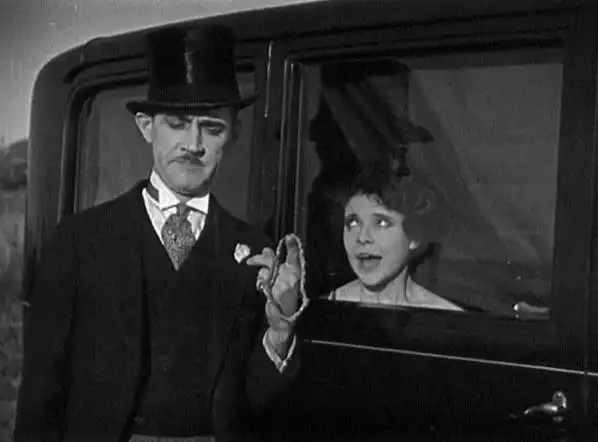
IMDb 7.9
1928
Community
Log in to comment.