DbcultAccessing Vault...
7.1/10
Senior Film Conservator
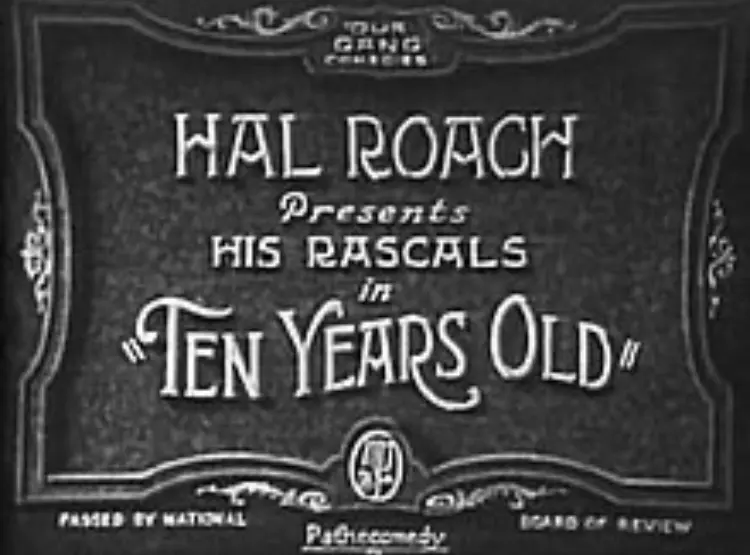
A definitive 7.1/10 rating for a film that redefined the boundaries of cult cinema. Ten Years Old remains a cornerstone of transgressive art.
Is 'Ten Years Old' still worth watching today? Short answer: absolutely, but with the understanding that it’s a relic of a bygone era. This Hal Roach 'Our Gang' short offers a delightful, if occasionally dated, glimpse into the foundational humor of early cinema, making it a must-see for aficionados of slapstick and historical film. However, those seeking modern pacing or complex narratives might find its simple charm a little too quaint.
It's a film best suited for classic film enthusiasts, those with a nostalgic bent for the 'Our Gang' series, or anyone interested in the evolution of comedic storytelling. Conversely, it is decidedly not for viewers who demand contemporary production values, intricate plots, or humor entirely devoid of period-specific sensibilities.
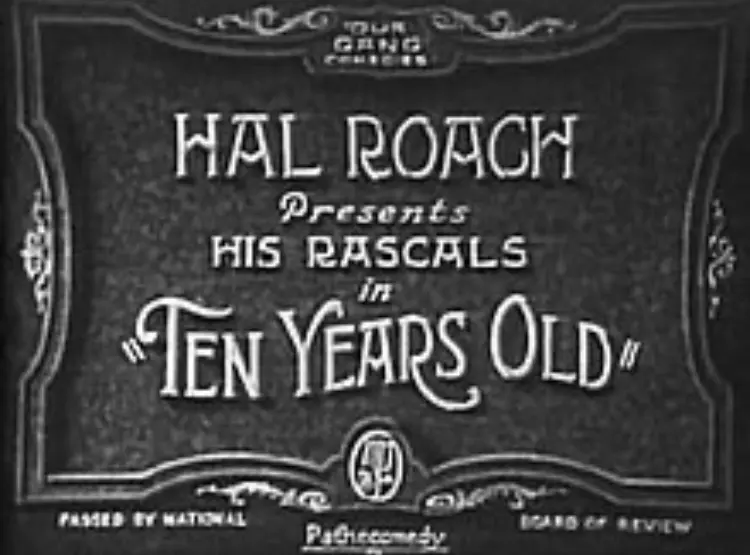
In the pantheon of early 20th-century comedy, the 'Our Gang' — or 'The Little Rascals' as they later became known — shorts hold a unique and cherished place. These films, masterminded by Hal Roach, captured the unvarnished spirit of childhood, blending innocent mischief with genuine comedic timing. 'Ten Years Old,' a 1928 entry, stands as a testament to this enduring formula, distilling the essence of youthful rivalry and unexpected twists into a compact, entertaining package.
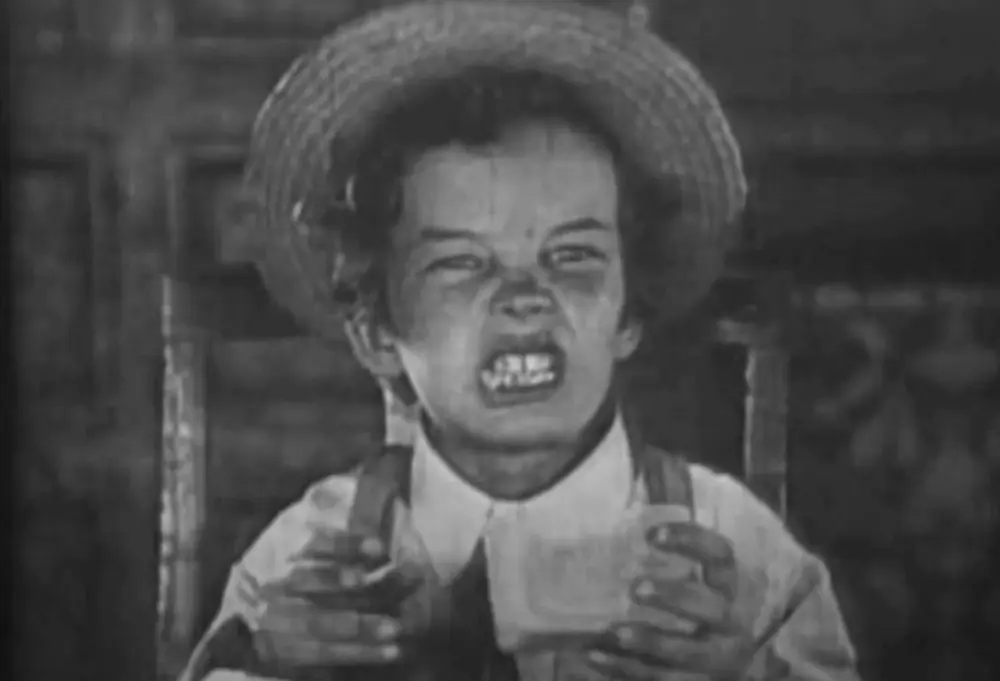
The premise is deceptively simple: Joe Cobb, our earnest protagonist, finds his milestone tenth birthday overshadowed by a competing party thrown by the more popular Jackie Condon. This social slight, a universal experience for many children, immediately grounds the film in relatable human emotion, even amidst the exaggerated antics that follow. The forced merger of the two parties creates a fertile ground for comedic friction and social awkwardness, a true stroke of genius in its simplicity.
What truly elevates 'Ten Years Old' beyond a mere historical curiosity is its unwavering commitment to the gag. The narrative builds steadily towards the reveal of Mildred Kornman's ill-intentioned cake sabotage, a dark comedic undercurrent that provides the film with its most memorable moments. It’s a bold move for a children's short, injecting a dose of anarchic chaos into an otherwise wholesome setting.
Yes, 'Ten Years Old' is worth watching. It's a foundational piece of American comedy.
This film works because of its authentic child performances, the ingenious simplicity of its premise, and its surprisingly effective build-up to a classic comedic payoff.
This film fails because some of its comedic beats, particularly the physical gags, can feel a little drawn out by modern standards, and the narrative, while charming, lacks depth.
You should watch it if you appreciate the historical significance of silent-era comedy, enjoy the 'Our Gang' ethos, or are simply looking for a lighthearted, well-executed piece of vintage slapstick.
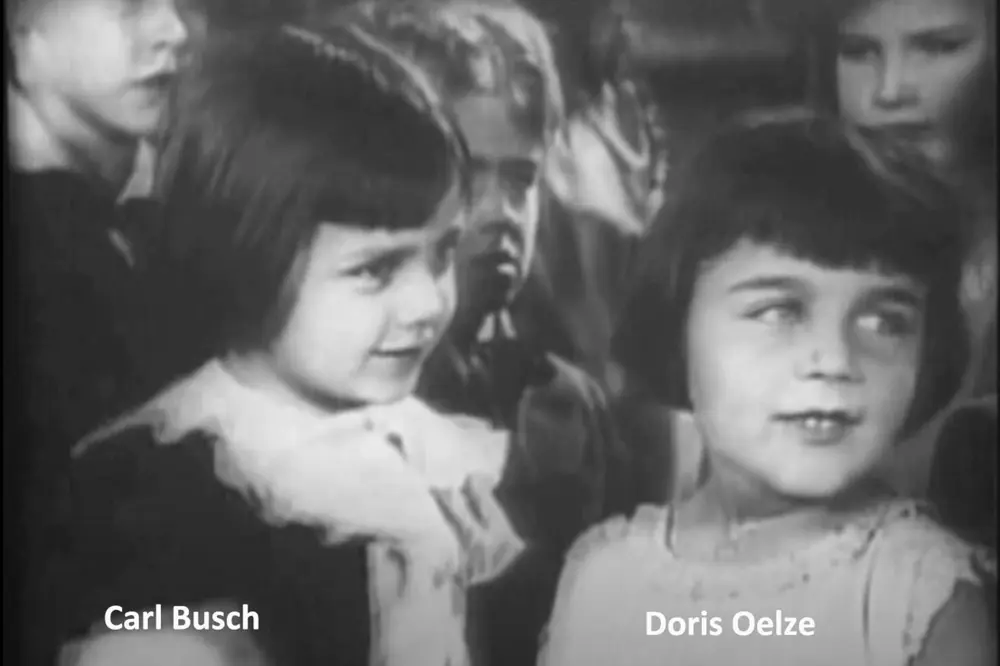
The direction by Hal Roach, though uncredited, or H.M. Walker as writer, is evident in the film's brisk pacing and clear visual storytelling. Silent films, by their very nature, demand a heightened sense of visual clarity and physical expressiveness, and 'Ten Years Old' delivers on both fronts. The reactions of the children, particularly Joe Cobb's initial dejection and later, the collective horror at the cake, are communicated with an immediacy that transcends the lack of dialogue.
The cinematography, while basic by today's standards, effectively frames the action, ensuring that every comedic beat lands. There's a particular shot where Mildred is seen furtively adding her 'ingredients' to the cake, framed just so that her mischievous intent is clear to the audience, creating a delicious sense of dramatic irony that the children within the film are oblivious to. This simple framing technique is crucial for building anticipation in a silent narrative.
The ensemble cast, a hallmark of the 'Our Gang' series, is uniformly excellent. Joe Cobb, with his perpetually earnest expression, is the perfect foil for the more boisterous Jackie Condon and the subtly sinister Mildred Kornman. Kornman, in particular, delivers a quietly menacing performance, her sweet demeanor belying the nefarious act she commits. It's a surprisingly nuanced bit of child acting for the era, hinting at a darker comedic sensibility than one might expect.
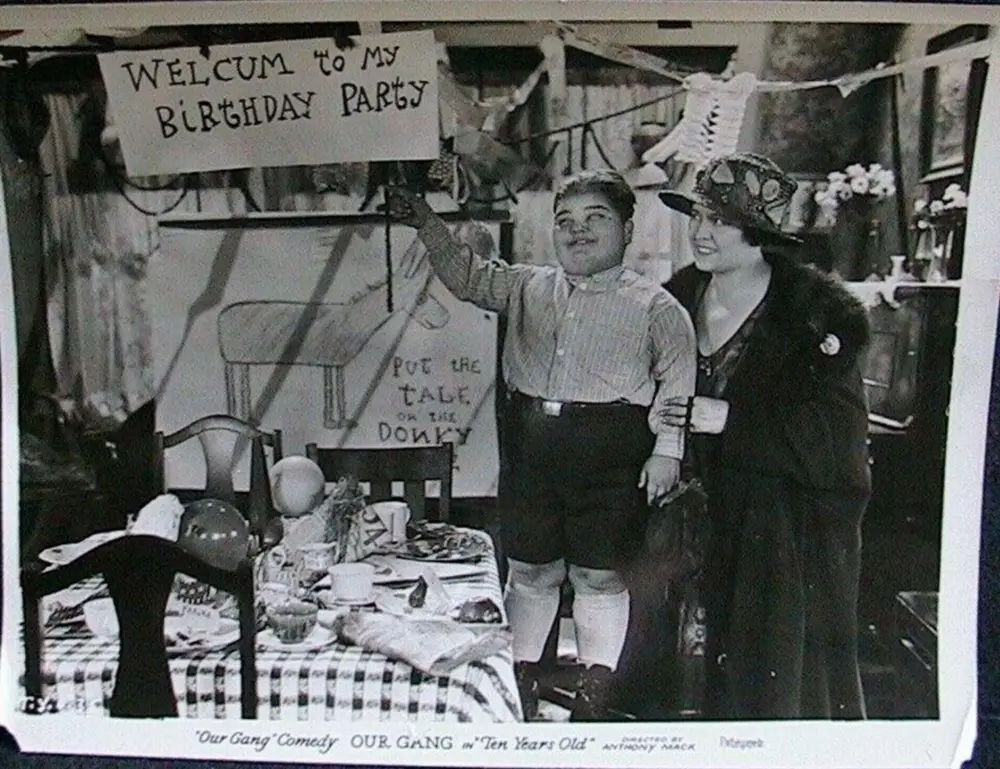
Consider the scene where Joe proudly presents his homemade cake. The camera lingers on his beaming face, then subtly shifts to Mildred's knowing smirk. This simple visual juxtaposition speaks volumes, building tension without a single intertitle. It’s a testament to the skill of the filmmakers in conveying complex emotional states through purely visual means.
One of the more debatable aspects of many early shorts, including 'Ten Years Old,' is their pacing. While often brisk in their setup, the comedic payoffs sometimes feel extended, lingering on a single gag longer than a modern audience might prefer. The sequence involving the children attempting to eat the sabotaged cake, for instance, maximizes its comedic potential, but also stretches the moment to its absolute limit. This isn't a flaw, per se, but rather a stylistic choice reflective of the era, designed to ensure every audience member fully grasped the humor.
The tone of 'Ten Years Old' is predominantly lighthearted and mischievous, yet it possesses a surprising edge. The act of sabotaging a birthday cake, particularly with tacks, introduces a strain of dark humor that is both shocking and hilarious. It’s an unconventional choice for a children's comedy, and one that gives the film a certain memorable bite. This willingness to push boundaries, even slightly, is what makes many Hal Roach productions feel enduringly fresh.
Compared to other 'Our Gang' entries, such as the musical antics in The Jazz Hounds, 'Ten Years Old' leans more heavily into situational comedy and physical reactions. While 'The Jazz Hounds' revels in synchronized chaos and musical numbers, 'Ten Years Old' finds its humor in the escalating absurdity of a single, central predicament. Both are effective, but they showcase different facets of the series' comedic range.
Beyond the overt slapstick, 'Ten Years Old' subtly explores the often brutal social hierarchies of childhood. Joe Cobb's initial isolation, followed by the forced integration of the parties, speaks volumes about the desire for acceptance and the pain of being an outsider. Mildred's act of sabotage, while played for laughs, can also be interpreted as a desperate, if misguided, attempt to assert control or gain attention within this complex social landscape. It’s a surprising depth for a short film, suggesting that even simple comedies can inadvertently touch upon profound human experiences. I believe this underlying tension is what truly gives the film its staying power, more so than the visual gags alone.
The film doesn’t just present children as innocently mischievous; it shows them as fully formed social beings, navigating popularity, jealousy, and the sometimes-cruel realities of group dynamics. This observational quality is an unexpected strength, making the film resonate beyond its immediate comedic impact.
Make no mistake, 'Ten Years Old' is a charming and historically significant piece of cinema. It works. But it’s flawed. Its charm lies in its unpretentious portrayal of childhood and its effective, if sometimes drawn-out, comedic construction. It serves as an excellent entry point for those curious about the 'Our Gang' series or the silent film era itself, offering a concentrated dose of what made these shorts so beloved.
While it may not pack the same punch as a modern comedy, its historical value and genuine moments of humor make it an experience well worth having. This film is more than just a relic; it's a vibrant snapshot of a particular time in cinematic history, delivered with a mischievous wink. It’s a testament to the fact that good comedy, even without sound, can truly transcend generations. Give it a watch, and you might just find yourself unexpectedly delighted by its simple, yet potent, magic. It’s an essential piece of the Hal Roach legacy.
IMDb 6.6
1926
Community
Log in to comment.