United States
The genesis of cinematic comedy is often unfairly reduced to a few titan names, yet the archival rediscovery of works like Daddy Ambrose reminds us that the silent era was a lush ecosystem of varied comedic archetypes. Mack Swain, a performer whose physical presence was as substantial as his comedic timing, brought to ...


Comparing the cinematic DNA and archive impact of two defining moments in cult history.
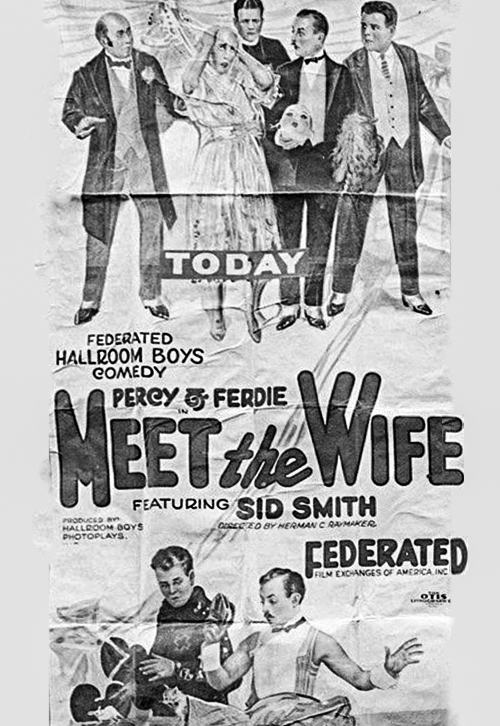
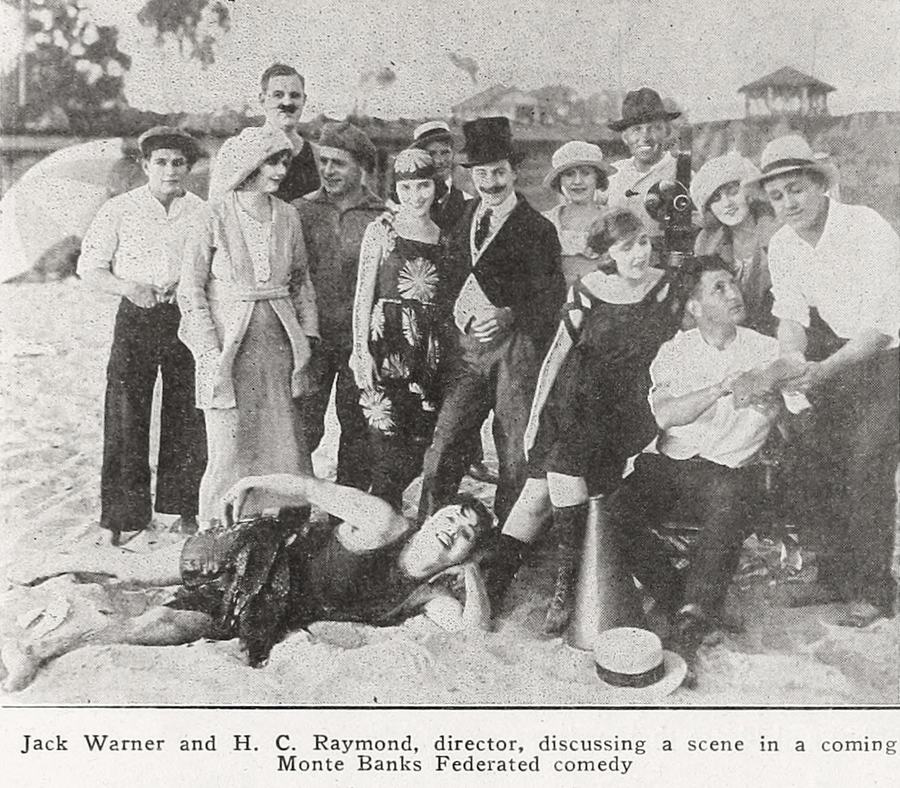
Herman C. Raymaker

Herman C. Raymaker
Community
Log in to comment.
"The genesis of cinematic comedy is often unfairly reduced to a few titan names, yet the archival rediscovery of works like Daddy Ambrose reminds us that the silent era was a lush ecosystem of varied comedic archetypes. Mack Swain, a performer whose physical presence was as substantial as his comedic timing, brought to the screen a specific brand of 'heavy' humor that served as a precursor to the more nuanced character studies we see in later decades. This film, featuring the enigmatic Lottie Cru..."

Deep dive into the cult classic
Discover similar cinematic experiences
A Directorial Spotlight on Herman C. Raymaker