DbcultAccessing Vault...
Cult Review
Senior Film Conservator
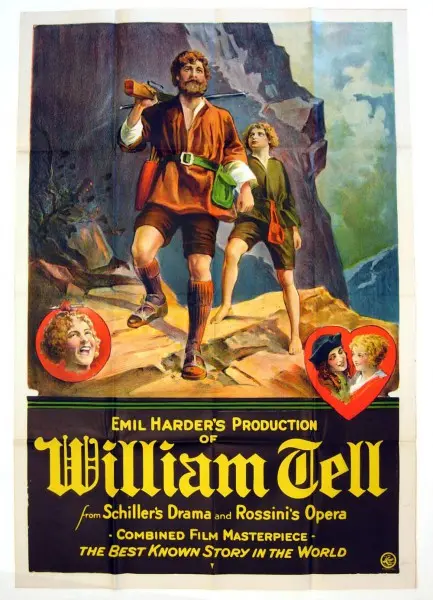
The cinematic landscape often attempts to capture the ephemeral essence of national identity, but few subjects possess the sheer, monolithic weight of the Swiss archer. In this iteration of William Tell, we are treated to a visual feast that transcends mere historical reenactment, opting instead for a hagiographic exploration of rebellion. The film, rooted deeply in the literary soil of Friedrich Schiller, manages to eschew the typical pitfalls of period-piece stagnation, delivering a narrative that feels as jagged and formidable as the peaks of the Uri Alps.
From the opening frames, the director establishes a visual grammar that prioritizes the environment as a central protagonist. The mountains are not merely a backdrop; they are a claustrophobic witness to the Hapsburg encroachment. Rudolph Jung, portraying the titular hero, inhabits the role with a stoic gravitas that mirrors the granite cliffs he traverses. Unlike the flamboyant protagonists found in The Ne'er-Do-Well, Jung’s Tell is a man of few words and deliberate actions. His performance is a masterclass in internal monologue expressed through physical presence.
The screenplay, a collaborative effort involving Emil Harder and John Slobey, stays remarkably faithful to the rhythmic pulse of the original legend while injecting a modern sensibility regarding the mechanics of power. The tension is built not through frenetic editing, but through the slow, agonizing accumulation of injustices. We see the peasantry ground beneath the heel of Gessler’s vanity, a portrayal that rivals the bureaucratic cruelty seen in Pyotr Velikiy, though set in a far more rustic and intimate theater of war.
The centerpiece of the film—the legendary apple-shot—is handled with a surgical precision that defies the technological limitations of its era. The camera lingers on the sweat-beaded brow of the archer and the trembling innocence of the child, played with heartbreaking sincerity. This sequence is a masterstroke of suspense, utilizing negative space and silence to amplify the stakes. It is here that the film shifts from a historical drama into something more primal, touching upon the universal fear of a father’s failure. It evokes the same visceral emotional stakes found in Man and His Soul, yet anchors them in a tangible, political consequence.
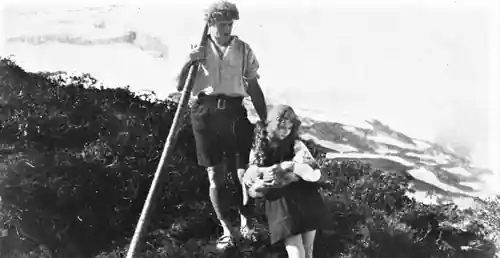
When analyzing the film's place in the early 20th-century canon, one must consider its contemporaries. While Bride of Vengeance deals with the machinations of the Borgias with a certain operatic flair, William Tell remains grounded in the earthy reality of the soil. There is no decadent artifice here; the costumes look lived-in, and the castles feel damp with the humidity of the valleys. This commitment to verisimilitude sets it apart from more stylized works like Bella Donna, which prioritize glamour over grit.
The film also navigates the complex waters of femininity in a patriarchal mythos. Elisabeth Jaun and Maria Bernhard-Ulbrich bring a quiet strength to their roles, representing the domestic front of the resistance. Their performances remind the viewer that the struggle for freedom was not confined to the battlefield or the public square, but was a fire tended in the hearths of every Swiss home. This nuanced portrayal of family dynamics is reminiscent of the emotional complexity found in Trois familles.
From a technical standpoint, the film is a marvel of location shooting. The logistics of transporting heavy camera equipment into the heart of the mountains must have been Herculean. The result, however, is a sense of scale that studio-bound productions of the time simply could not replicate. The rushing waters of the lake, the mist clinging to the pines, and the sharp, unforgiving light of the high altitudes create an atmosphere of impending doom and eventual triumph. It shares a certain rugged aesthetic with A Tüz, though with a more focused narrative trajectory.
Furthermore, the pacing of the film is surprisingly brisk. While many historical epics of the silent or early sound era suffer from a certain lethargy, William Tell moves with the momentum of an arrow released. The editing by the uncredited technicians (likely guided by the writers and director) ensures that the political machinations never overshadow the human drama. Even the more philosophical segments, where the characters debate the morality of regicide, are handled with a kinetic energy that prevents the film from becoming a dry lecture.
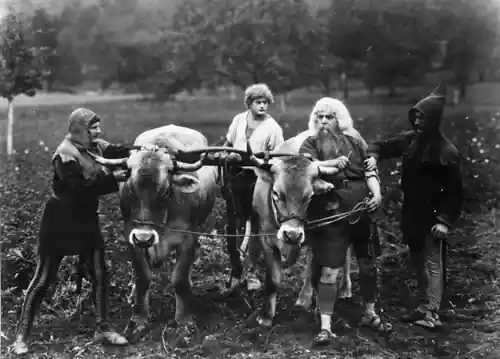
In the final act, as the various cantons unite at Rütli, the film achieves a crescendo of patriotic fervor that avoids the cloying sentimentality often found in such scenes. The Oath of the Rütli is presented with a solemnity that feels earned. It is a moment of profound cinematic catharsis, contrasting sharply with the tragic undertones of Forbidden Paths or the moral ambiguity of Body and Soul. Here, the path is clear, and the soul of the nation is unified.
The antagonist, Gessler, is played with a sneering, aristocratic disdain that makes his eventual downfall all the more satisfying. The film doesn't shy away from the brutality of his rule, illustrating the petty humiliations that often spark the greatest fires of revolt. This dynamic—the small man standing against the giant—is a trope as old as time, but here it is rendered with a freshness that belies its age. It makes the viewer reflect on the themes of Humility and the inherent dignity of the common man.
Ultimately, William Tell is more than a mere chronicle of historical events; it is a meditation on the nature of courage. It asks what it takes for a man of peace to pick up a weapon, and what it costs a nation to buy its freedom. The film’s lexical diversity of imagery—from the pastoral beauty of the valleys to the cold, hard steel of the tyrant’s armor—creates a rich sensory experience. It lacks the whimsical nature of Distilled Love or the lightheartedness of Fresh Paint, but in their place, it offers a profound and lasting resonance.
For those who appreciate cinema as a vessel for folklore, this film is an essential artifact. It bridges the gap between the theatrical traditions of the past and the burgeoning visual language of the future. It is a work of high ambition and even higher execution, standing as a testament to the power of myth to inspire and the power of film to preserve that inspiration for generations to come. Whether compared to the intrigue of Alias Ladyfingers or the artistic aspirations of Inspiration, this Swiss epic remains a towering achievement in the landscape of early 20th-century storytelling.
"A cinematic arrow that strikes the heart of the Swiss spirit with unerring accuracy."
IMDb —
1918
Community
Log in to comment.