DbcultAccessing Vault...
Cult Review
Senior Film Conservator
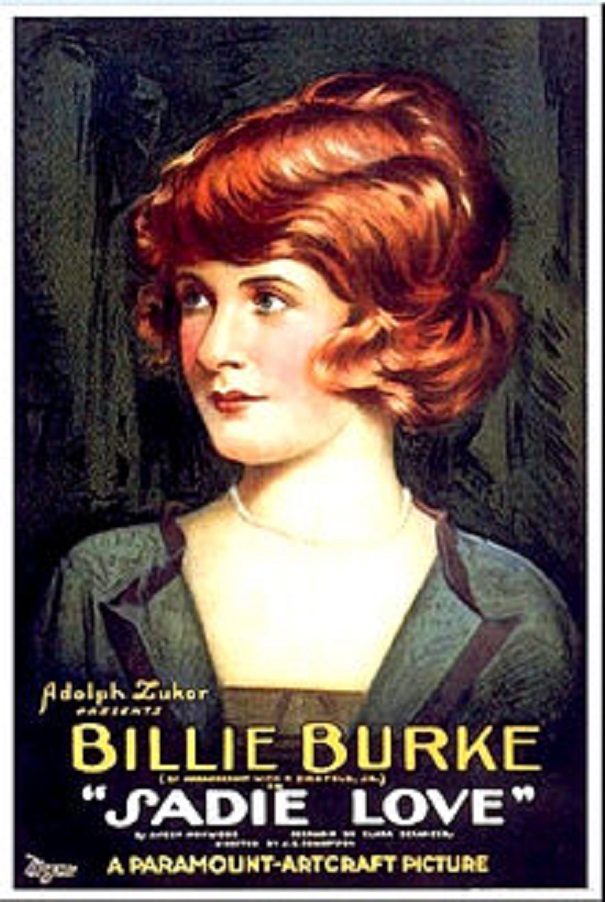
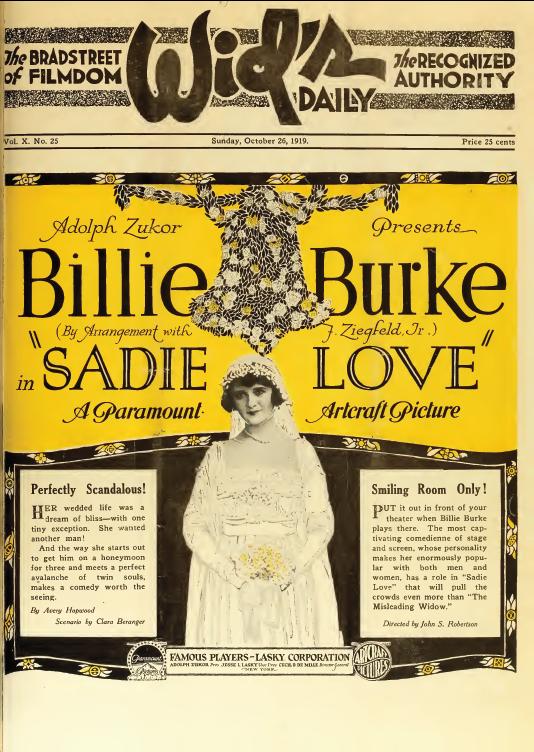
Stepping back into the flickering glow of early cinema, one occasionally unearths a treasure that, while perhaps not universally lauded in its time, offers a unique window into the sensibilities and societal mores of a bygone era. Such is the case with Sadie Love, a film that, despite its relative obscurity today, merits a closer look, especially for those fascinated by the evolution of the romantic comedy and the enduring star power of its lead, Billie Burke. Far from a mere historical curiosity, this picture, with its intricate plot and sparkling performances, stands as a testament to the sophisticated storytelling ambitions of its period.
At its heart, Sadie Love is a delightful confection, a frothy yet insightful exploration of a young woman's quest for an idealized love amidst the rigid expectations of high society. Our protagonist, the titular Sadie, is no shrinking violet; she's a spirited, independently wealthy American socialite, already a two-time widow, yet undeterred in her pursuit of a profound, soul-stirring connection. It's a premise that immediately sets her apart from many heroines of the day, who were often depicted as more passive recipients of romantic attention. Sadie is an active agent in her own destiny, even if that agency occasionally leads her down a path of comedic misadventure.
The screenplay, crafted by the perceptive minds of Clara Beranger and Avery Hopwood, demonstrates a keen understanding of character and comedic timing. Beranger, a prolific writer of the era, was known for her ability to infuse her narratives with intelligence and a certain modern sensibility, often tackling themes of female agency and societal constraints with a nuanced touch. Hopwood, primarily a playwright, brought a theatrical flair to the proceedings, evident in the film's sharp dialogue (even in its silent form, conveyed through intertitles) and well-structured farcical elements. Their collaboration results in a narrative that, while ostensibly lighthearted, subtly critiques the transactional nature of marriage within the upper echelons of society.
Sadie's romantic dilemma is personified by the opposing forces in her life. On one hand, there's her Aunt Margaret A. Wiggin, portrayed with formidable elegance by Ida Waterman. Wiggin is the quintessential society matriarch, a staunch advocate for 'sensible' unions, constantly pushing Sadie towards the dependable, if somewhat dull, Mr. Shaw Lovett (Jed Prouty). Lovett, with his earnest demeanor and predictable charm, represents the safe, conventional path, a stark contrast to Sadie's more adventurous spirit. Prouty delivers a performance that perfectly encapsulates the well-meaning but ultimately uninspiring suitor, a man who, in any other story, might be the ideal catch, but for Sadie, he's merely a gilded cage.
The true object of Sadie's affections, or at least her romantic fantasies, is the dashing but financially strapped playwright, Charles Craig. James Crane imbues Craig with a captivating blend of artistic passion and worldly cynicism, making him an intriguing, if morally ambiguous, romantic lead. His portrayal skillfully navigates the fine line between genuine affection and opportunistic ambition, leaving the audience, much like Sadie, to ponder his true intentions. This ambiguity is one of the film's strengths, adding layers of psychological depth to what could otherwise be a straightforward romantic comedy.
The plot truly ignites when Sadie, in a moment of whimsical boredom or perhaps a desire to spice up her own narrative, invents a secret admirer. This seemingly innocent fabrication inadvertently ensnares Craig, who mistakenly believes a rival suitor, the charmingly roguish Lord Fitzwilliam, is the recipient of Sadie's invented affections. Charles Craig (the actor, not the character) embodies Lord Fitzwilliam with a suave, almost theatrical villainy, a perfect foil to James Crane's more brooding playwright. This mistaken identity trope, a staple of comedic narratives across centuries, is handled with a fresh, brisk energy that keeps the audience engaged and amused.
Further complicating Sadie's already tangled romantic web are the peripheral characters, each contributing to the escalating chaos. Helen Montrose, as Sadie's maid, delivers a nuanced performance, offering quiet observations and occasional, well-meaning interferences that ripple through the narrative. Perhaps most intriguing is Hedda Hopper as May Rogers, Sadie's ambitious social secretary. Hopper, who would later become a formidable Hollywood gossip columnist, brings a certain knowing glint to her role, hinting at the behind-the-scenes machinations and social climbing that characterized the era's upper crust. Her character's actions, whether deliberate or accidental, serve to further muddle Sadie's romantic prospects, providing fertile ground for comedic misunderstandings.
The film's second act transports our characters to a grand European tour, a common narrative device of the time, providing a picturesque backdrop for further romantic entanglements and self-discovery. This change of scenery not only offers visual splendor but also allows Sadie to escape, however temporarily, the rigid social strictures of New York. It's during this journey that the comedic elements reach their zenith, with intercepted letters, dramatic confrontations, and near-misses piling up in a delightful cascade of farcical events. The visual storytelling, characteristic of silent cinema, relies heavily on expressive acting and well-composed shots to convey emotion and plot points, and Sadie Love executes this with commendable skill.
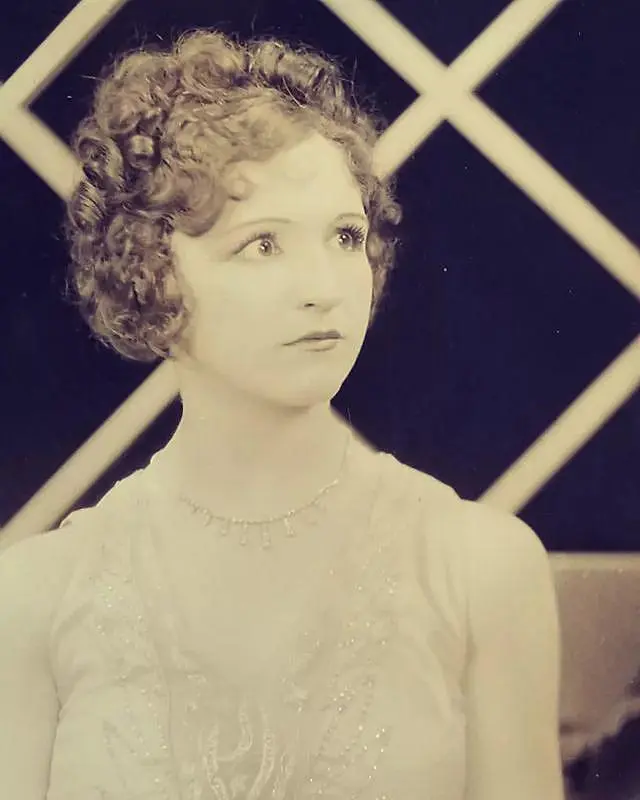
What truly elevates Sadie Love beyond a simple period piece is Billie Burke's incandescent performance. Burke, with her distinctive voice (even if unheard in a silent film, her presence conveyed it) and effervescent charm, was a natural for roles that required a blend of high society elegance and a touch of endearing flightiness. Here, she crafts a Sadie who is both naive and shrewd, vulnerable and resilient. Her comedic timing, conveyed through subtle gestures and exaggerated expressions, is impeccable, drawing the audience into Sadie's emotional rollercoaster. Burke's ability to imbue her character with genuine warmth and a relatable yearning for authentic connection makes Sadie a truly memorable figure, a woman ahead of her time in her insistence on love over convention.
In an era where female characters were often confined to more restrictive roles, Sadie stands out as a woman who actively seeks her own happiness, even if her methods are occasionally unconventional. This thematic thread resonates with other films of the period that explored shifting gender roles and societal expectations. One might draw a thematic parallel to films like The Scarlet Letter, not in terms of subject matter, but in its exploration of a woman grappling with societal judgment and personal desire, albeit with a far lighter touch in Sadie Love. Or consider the spirited independence of characters in Mirandy Smiles, though Sadie's world is one of drawing-rooms and grand tours rather than rural charm. The film's strength lies in its gentle subversion of expectations, allowing its heroine to stumble, learn, and ultimately grow.
The direction, while not overtly flashy, is competent and ensures the narrative flows smoothly, keeping the audience abreast of the various romantic entanglements without losing track of the central emotional journey. The use of elaborate sets and period costumes further immerses the viewer in the opulent world of Sadie Love, contributing significantly to the film's overall charm and authenticity. The visual aesthetic is rich, a testament to the meticulous craftsmanship prevalent in early Hollywood productions, even for what might be considered a 'lighter' fare.
Comparing Sadie Love to other films of its time helps contextualize its significance. While it lacks the grand historical sweep of something like Les amours de la reine Élisabeth, its focus on character-driven romantic drama offers a more intimate, albeit equally engaging, viewing experience. It also stands in contrast to the more action-oriented or melodramatic narratives like The Whispering Chorus or Greater Love Hath No Man, preferring the subtle humor and emotional complexities of social maneuvering. Instead, it aligns more closely with drawing-room comedies or light dramas where wit and mistaken identity drive the plot, perhaps echoing the theatricality seen in works adapted from stage plays, a common practice in early cinema. The film's engagement with societal pressures and personal desires also subtly echoes themes found in The Test, though through a distinctly comedic lens.
Ultimately, Sadie Love is more than just a forgotten film; it's a testament to the enduring power of a well-told story, brought to life by a captivating cast and thoughtful craftsmanship. It's a film that, despite its silent nature and vintage aesthetic, speaks to universal themes of love, self-discovery, and the timeless human desire for genuine connection. For those willing to delve into the rich tapestry of early cinema, Sadie Love offers a delightful and surprisingly resonant experience, proving that some stories, like true love, are indeed timeless. It's a charming reminder that even in an age without synchronized sound, the emotional resonance of a compelling narrative and a stellar performance can transcend the decades, leaving a lasting impression on the discerning viewer. The film, a product of its time, manages to feel remarkably fresh in its exploration of romantic idealism versus pragmatic reality, a dichotomy that continues to challenge protagonists and audiences alike. Its wit and charm are undeniable, a cinematic bonbon that leaves a sweet aftertaste and a newfound appreciation for the nuanced artistry of silent-era romantic comedies. It reminds us that the pursuit of genuine affection, free from societal artifice, is a journey as old as time itself, and one that, in the capable hands of Billie Burke and her talented ensemble, remains utterly captivating. The film's gentle satire of high society's foibles, coupled with its heartfelt portrayal of a woman's quest for authenticity, ensures its place as a minor but significant entry in the annals of romantic cinema. It's a delightful discovery, offering both entertainment and a valuable glimpse into the cultural landscape of its creation, a true gem for enthusiasts of classic Hollywood.
IMDb 6.7
1927
Community
Log in to comment.