DbcultAccessing Vault...
6.6/10
Senior Film Conservator
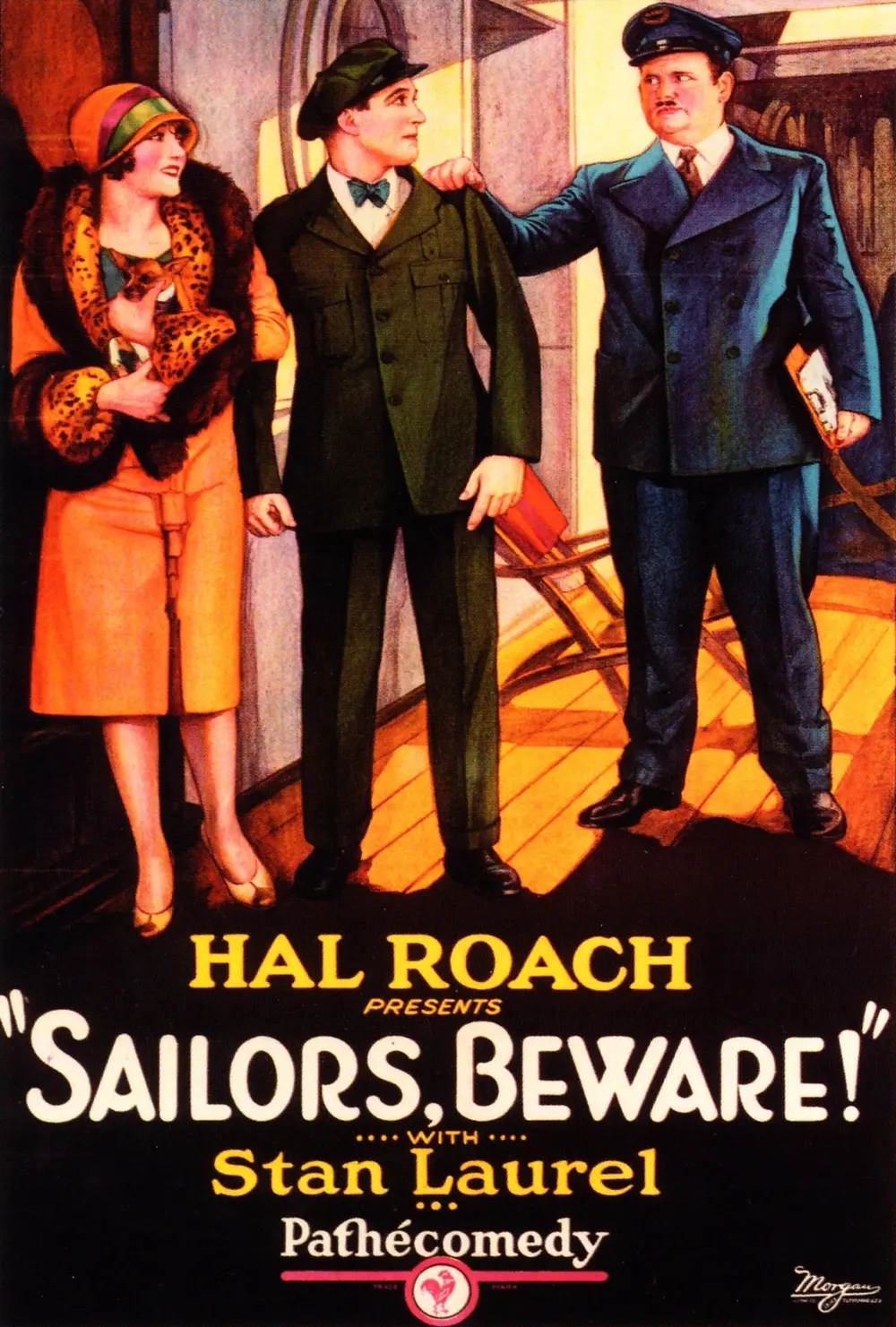
A definitive 6.6/10 rating for a film that redefined the boundaries of cult cinema. Sailors, Beware! remains a cornerstone of transgressive art.
Is Sailors, Beware! still a viable piece of entertainment for the modern viewer? Short answer: yes, but primarily as a fascinating specimen of comedy evolution rather than a consistent laugh-a-minute riot.
This film is for the silent cinema purist and those interested in the 'proto-history' of the world's most famous comedy duo. It is not for anyone who requires fast-paced dialogue or finds the 'midget-as-a-baby' trope more creepy than comical.
1) This film works because Anita Garvin brings a sharp, villainous edge that creates a perfect foil for Stan Laurel's chaotic energy.
2) This film fails because the central gag involving the adult-sized baby is repeated until it loses its initial shock value.
3) You should watch it if you want to see the exact moment where the Laurel and Hardy dynamic began to crystallize into something special.
In 1927, the film industry was on the precipice of total transformation. While epic dramas like The Covered Wagon had already established the scale of cinema, the Hal Roach 'Fun Factory' was perfecting the art of the short-form gag. Sailors, Beware! sits at a unique intersection.
It isn't quite a 'Laurel and Hardy' film in the way we understand it today. They don't share the screen as a unified front against the world. Instead, they are two separate gears in a larger machine. Stan is the protagonist, while Ollie is a supporting presence.
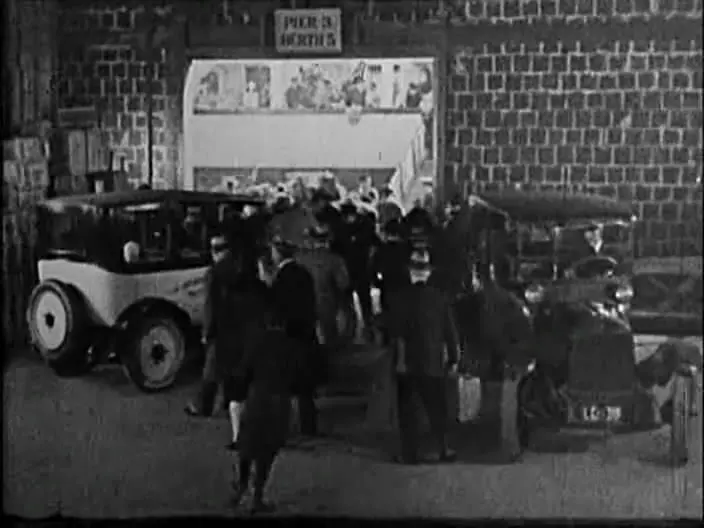
It works. But it’s flawed. The film lacks the seamless pacing of their 1930s work. However, the raw materials are all there. You can see Stan developing the 'fiddling with the hat' mannerisms that would become his trademark.
While the title might suggest a focus on the sailors, the film is anchored by Anita Garvin. She plays the grifter with a stone-faced seriousness that makes the absurdity around her even funnier. She doesn't wink at the camera.
In one specific scene, she manages to maintain a look of motherly concern while her 'infant' is clearly smoking a cigar in the pram. This commitment to the bit is what elevates the short above standard slapstick. She is as formidable here as any lead in Women First.
Her performance is a masterclass in the 'straight man' role. Without her grounded presence, Stan’s antics would feel untethered. She provides the necessary friction. It is a shame she isn't discussed as often as her male counterparts.
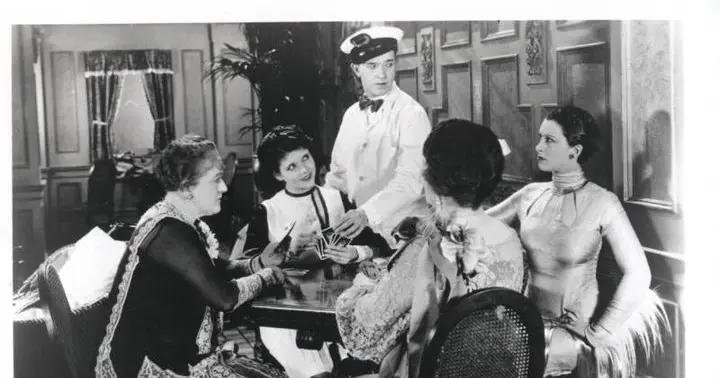
The most debatable aspect of Sailors, Beware! is its central conceit. The use of Gustav Schaffrath as a grown man in a baby bonnet is inherently grotesque. By modern standards, it’s a bit jarring.
However, the comedy derived from this is surprisingly sophisticated. There is a moment where Stan tries to shave the 'baby' after noticing a five-o'clock shadow. It is surreal. It is dark. It is arguably the funniest part of the film.
The physical comedy is brutal. People are kicked, dunked in water, and shoved. Unlike the more melodramatic tone of films like Scars of Jealousy, the violence here is rhythmic. It’s like a dance.
Yes, Sailors, Beware! is worth watching for its historical significance and a few standout gags. It provides a rare look at Stan Laurel’s solo capabilities before he became half of a duo. The film is short, punchy, and offers a glimpse into the 1920s maritime aesthetic.
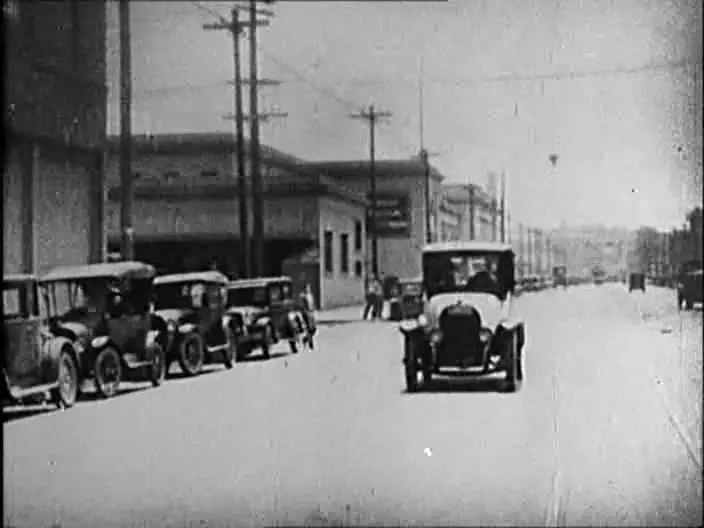
If you enjoy seeing how comedy archetypes were built, this is a goldmine. It doesn't have the emotional depth of later Chaplin, but it has more bite. It is meaner than you expect.
Oliver Hardy’s role as the ticket collector is relatively minor, but his presence is felt. He already possesses that wonderful 'slow burn'—the look of exasperation directed at the audience. It’s a technique that would later define their talkies.
When he interacts with Stan, there is an unspoken understanding. They move around each other with a subconscious synchronization. It’s better than the chemistry found in Dancing Daddy or other contemporary shorts.
Hardy is the gravity to Stan's helium. Even in this early stage, you can see why Hal Roach eventually decided to pair them permanently. They didn't just fit together; they completed the frame.
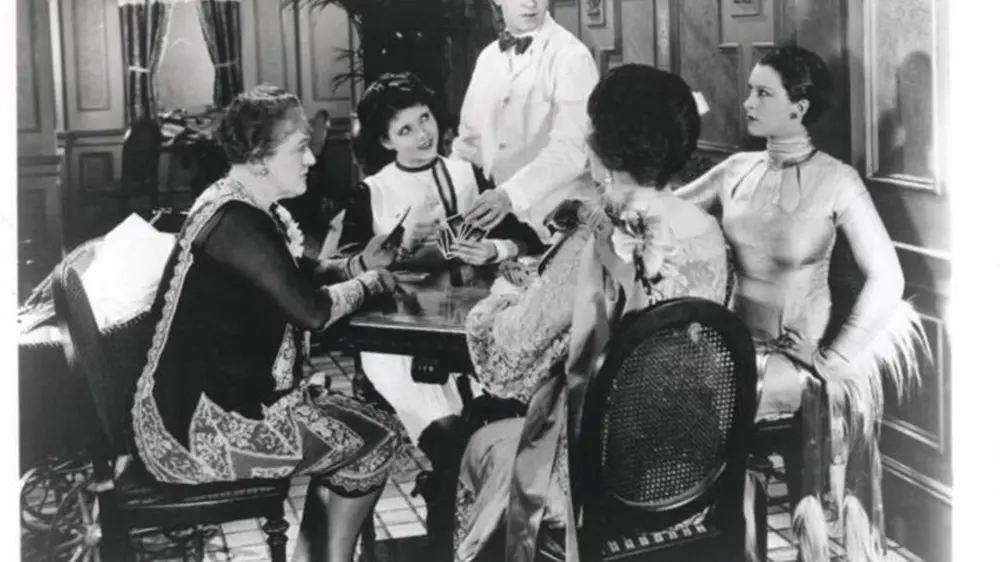
The setting of a luxury liner provides ample opportunity for class-based humor. Stan, as the steward, is at the bottom of the hierarchy. He is abused by everyone, from the captain to the 'baby'.
The cinematography is functional but effective. The use of tight corridors and cramped cabins enhances the feeling of chaos. It’s a claustrophobic comedy. Everything feels like it’s about to boil over.
Compare this to the stage-bound feel of The Vortex. Sailors, Beware! feels much more alive. The camera moves with the action, capturing the frantic energy of the chase scenes.
The film features excellent physical timing and a unique, cynical edge. The 'shaving the baby' scene is a classic of the era. It also serves as an important historical document of the Roach studio.
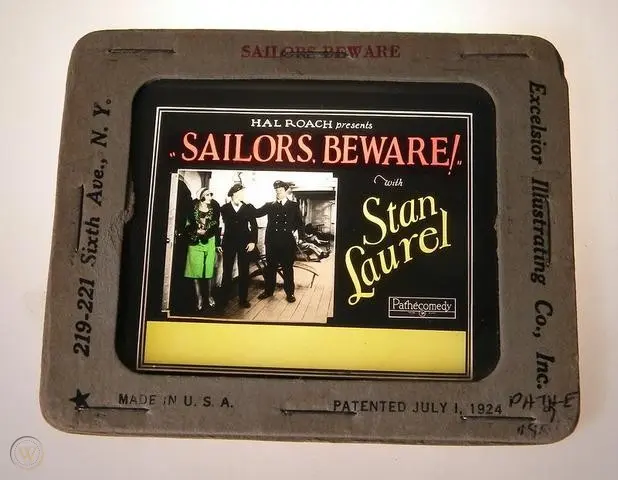
The plot is incredibly thin, even for a two-reeler. Some of the gags feel dated and repetitive. The ending is somewhat abrupt and lacks a satisfying resolution.
Sailors, Beware! is a fascinating, if slightly uneven, entry in the silent comedy canon. It isn't a masterpiece, but it is a vital stepping stone. It proves that Stan Laurel was a brilliant comedian in his own right, even before his partnership with Hardy was fully forged.
The film is awkward. It is funny. It is old. But most importantly, it has personality. It doesn't play it safe. The 'baby' gag is nightmare fuel, yet you can't look away.
Final rating: A must-watch for historians, a 'maybe' for everyone else. It’s a 20-minute window into a world where comedy was dangerous, physical, and unapologetically weird.
IMDb —
1915
Community
Log in to comment.