DbcultAccessing Vault...
Cult Review
Senior Film Conservator
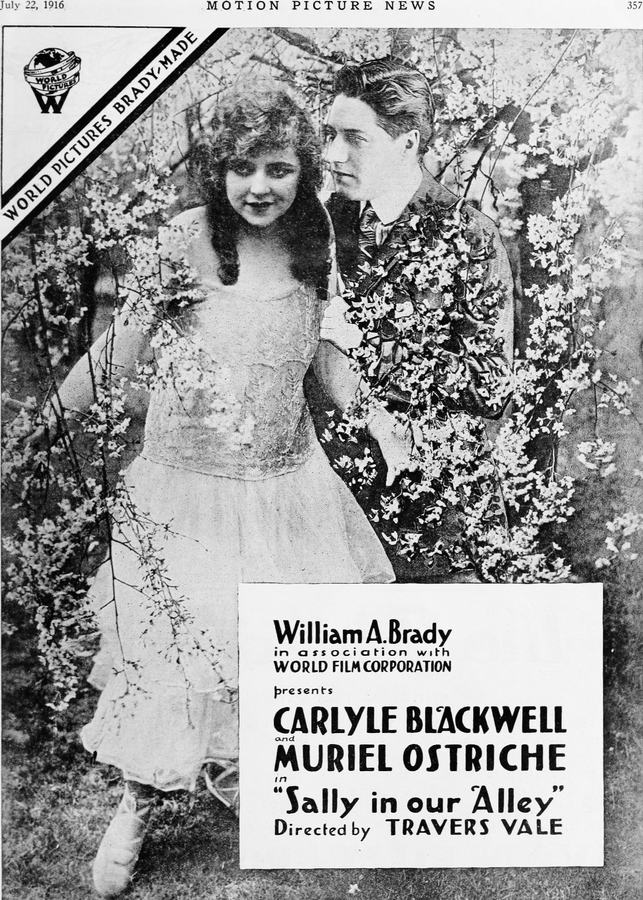
From the moment the flickering images of Sally in Our Alley grace the screen, one is transported to a bygone era, a time when cinema spoke not through sound, but through the eloquent language of gesture, expression, and the potent symbolism of its settings. This 1920 silent drama, a poignant exploration of social stratification and the indomitable spirit of a young woman, solidifies its place as more than just a historical artifact; it is a resonant narrative that continues to echo in contemporary discussions of class, aspiration, and the complexities of the human heart. George Yohalem’s writing, translated to the screen, crafts a world both stark and hopeful, where the grime of urban poverty cannot entirely extinguish the flame of ambition. The film’s enduring power lies in its ability to paint a vivid picture of a life constrained by circumstance yet propelled by an unyielding desire for betterment, a theme that, even a century later, retains its profound relevance and emotional weight.
The narrative’s genesis lies in the aptly named 'Pigtail Alley,' a particularly squalid section of the lower East Side, a veritable crucible of hardship that shapes its inhabitants with an unforgiving hand. Here, we meet Sally McGill, a young Irish girl whose youthful innocence is tempered by the harsh realities of her existence. Compelled to work tirelessly to support her entire family, Sally embodies a quiet strength, a resilience forged in the fires of necessity. Her daily grind is punctuated by the earnest affections of Ben Blaney, a young foreman at her workplace, portrayed with a grounding authenticity by Walter Greene. Ben represents the stable, working-class ideal; his love for Sally is uncomplicated, deeply rooted in their shared struggles and the tacit understanding that comes from navigating the same difficult world. Yet, Sally’s gaze, though appreciative of Ben’s devotion, often drifts beyond the confines of their shared reality, hinting at a nascent yearning for something more, a life less burdened by the incessant demands of survival. This subtle interplay of desires — the comfort of the familiar versus the allure of the unknown — establishes a fundamental tension that drives much of the film’s emotional landscape.
The arrival of Mrs. Rockwell, a wealthy and childless benefactress, acts as a pivotal catalyst, introducing a disruptive element of hope and possibility into Sally’s circumscribed world. Mrs. Rockwell, played by Muriel Ostriche with a delicate balance of benevolence and a certain aristocratic remove, finds solace in extending her charity to a select few of the poorest children each summer, offering them respite at her country home. Her visit to 'Pigtail Alley' is depicted with a keen eye for contrast, highlighting the stark disparity between her world of comfort and the abject poverty she encounters. It is during this excursion that she spots Sally, an impulsive decision leading her to invite the young girl to earn her board and keep by caring for and assisting with the children. The joy that irradiates Sally’s face at this unexpected opportunity is palpable, a testament to the power of a single act of kindness to ignite dormant dreams. This sequence subtly critiques the paternalistic nature of philanthropy while simultaneously acknowledging its transformative potential for individuals like Sally. It’s a moment that could easily be saccharine, but the film imbues it with a genuine sense of escape and burgeoning self-discovery, setting Sally on a trajectory far removed from her humble beginnings.
Sally’s initial foray into Mrs. Rockwell’s world, however, is not without its immediate repercussions on her personal life. Ben Blaney, sensing the shifting sands beneath their relationship, proposes marriage, only to be met with a gentle but firm rejection. This moment is crucial, illustrating Sally’s burgeoning awareness of aspirations beyond a simple, secure union. She is drawn to a different kind of life, one that promises intellectual and social elevation, a stark contrast to the familiar comfort Ben offers. The seeds of a deeper conflict are sown, exacerbated by the presence of Isabelle, Mrs. Rockwell’s niece. Portrayed by Betty K. Peterson, Isabelle is the embodiment of class-based antagonism, her jealousy and violent dislike for Sally stemming from a deep-seated insecurity and a fierce protectiveness of her privileged position. Isabelle’s machinations underscore the inherent difficulties of social mobility, revealing that even with a benevolent patron, the barriers of class prejudice remain formidable. This dynamic echoes the societal friction often depicted in other films of the era, such as The Wasted Years or Old Heidelberg, where class distinctions frequently dictate the course of romantic and personal destinies.
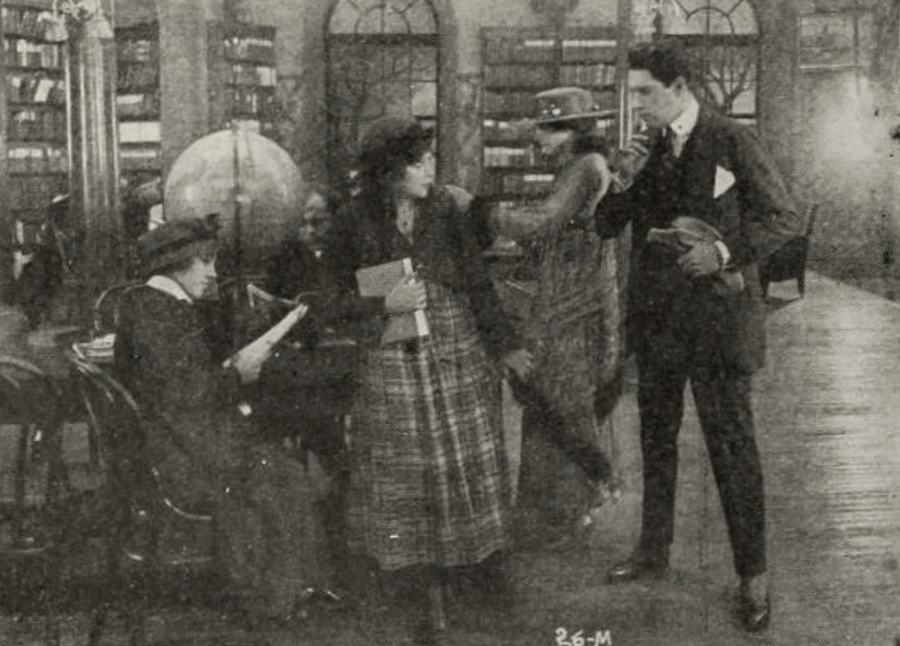
Isabelle’s malicious efforts eventually succeed in having Sally discharged from Mrs. Rockwell’s employ, a setback that, paradoxically, propels Sally further along her path of self-improvement. Rather than succumbing to despair, Sally demonstrates an admirable tenacity, securing a position in a millinery store. This new environment proves to be an unexpected boon, offering her practical opportunities to observe and internalize the refined manners and sophisticated ways she so deeply admires. Her ambition, far from being crushed, is ignited anew. She supplements her experiential learning by joining a library, dedicating herself to formal study, an act that speaks volumes about her intellectual curiosity and unwavering commitment to self-betterment. This period of self-directed education is a powerful testament to Sally’s character, distinguishing her as a proactive agent of her own destiny rather than a passive recipient of fate’s whims. It’s a narrative arc reminiscent of the determined heroines in films like Life's Whirlpool, who strive against adversity to forge their own paths.
As fate would have it, Mrs. Rockwell, finding herself in need of a maid, seeks out Sally once more, offering her the position. This reunion marks another turning point, bringing Sally back into the orbit of polite society and, more significantly, into renewed contact with Paul Taylor, portrayed with suave charm by Carlyle Blackwell. Paul, a man of evident social standing, is drawn to Sally’s quiet grace and newfound poise. His proposal to her on her way home one evening is the culmination of a growing mutual attraction, yet Sally, acutely aware of the vast social gulf that still separates them, finds herself in an agonizing predicament. Her refusal, though painful, is a testament to her integrity and her clear-eyed understanding of the societal strictures that would inevitably complicate such a union. She tells him he must never see her again, a heartbreaking decision born of pragmatism rather than a lack of affection. This emotional complexity elevates the romance beyond a simple 'rags-to-riches' fantasy, imbuing it with a sense of tragic realism that resonates deeply. The film delicately explores the sacrifices often demanded by love when confronted with unyielding social barriers, a theme echoed in other compelling dramas of the period.
Sally’s subsequent decision to leave Mrs. Rockwell’s employment to become an artist’s model is another bold move, indicative of her independent spirit and her refusal to settle for a life defined by subservience. Her pledge to Mrs. Rockwell to keep her new address a secret underscores her desire for autonomy, a deliberate severance from the ties that bind her to her past. However, Paul, relentless in his pursuit, circumvents this secrecy by appealing to Sally’s mother. The mother, blinded by the alluring prospect of a financially advantageous marriage for her daughter, unwittingly betrays Sally’s trust, providing Paul with her new address. This act of unwitting betrayal highlights the pervasive societal pressure for upward mobility, often at the expense of personal agency. The ensuing scene, where Paul waits for Sally, escorts her home, and embraces her in the doorway, is charged with both tenderness and impending drama. It is a moment of vulnerability and romantic culmination, abruptly shattered by the appearance of Ben. Walter Greene’s portrayal of Ben’s rage upon witnessing the embrace is visceral and heartbreaking, a raw explosion of jealousy and proprietary love, culminating in a violent confrontation where he strikes Paul down. This dramatic climax is expertly staged, relying on the actors’ expressive performances to convey the raw emotional turmoil of the love triangle.
The aftermath of the confrontation leads to a moment of profound emotional maturity and self-sacrifice on Ben’s part. When he learns that Paul has formally asked for Sally’s hand in marriage, Ben confronts Sally not with anger, but with a poignant resignation. He articulates the painful truth: they are not made of the same clay, and Sally has irrevocably outgrown 'Pigtail Alley.' His words, delivered with a quiet dignity, acknowledge her transformation and her rightful place in a world beyond his reach. He expresses a heartfelt wish for her happiness with Paul, a testament to a love so deep it transcends personal desire. This scene is arguably the most moving in the film, transforming Ben from a jealous suitor into a noble, self-sacrificing figure. It provides a dignified closure to his character arc, elevating the narrative beyond a simple romantic rivalry to a more profound commentary on personal growth and the acceptance of divergent destinies. The emotional weight of this concession is palpable, delivered through the nuanced expressions characteristic of silent film acting.
The film culminates in Sally’s decisive choice, a culmination of her journey from the gritty streets of 'Pigtail Alley' to the threshold of a new life. She goes to Paul, who, holding her in his arms, finishes the sentence that Ben’s outburst had interrupted: "When do we start for South America?" This final line, a promise of adventure and a fresh start in a distant land, symbolizes a complete break from her past and the societal constraints that once defined her. It’s a romantic, albeit somewhat fantastical, resolution that nevertheless feels earned. The journey to South America is more than just a physical relocation; it represents Sally’s complete emancipation, her embrace of a future where her refinement and aspirations are not merely tolerated but celebrated. The ending offers a satisfying sense of closure, not just for the romantic pairing, but for Sally’s personal odyssey of self-discovery and social ascent. It underscores the film's optimistic message about the possibility of transcending one's origins through perseverance and genuine affection. This optimistic, expansive conclusion offers a stark contrast to the often more somber or ambiguous endings found in some contemporary melodramas, like The Catspaw, which explored darker facets of human nature.
The performances across the board are commendable, particularly given the demands of silent film acting, which relies heavily on exaggerated gestures and expressive facial work to convey emotion. Mary Foy, as Sally McGill, carries the film with an impressive range, transitioning convincingly from a burdened working girl to a woman of refined grace and quiet determination. Her emotional journey is the anchor of the narrative, and she delivers a nuanced portrayal that makes Sally’s aspirations and dilemmas deeply relatable. Walter Greene’s Ben Blaney is a portrait of steadfast loyalty and ultimately, heartbreaking sacrifice, his final scenes imbued with a genuine pathos. Carlyle Blackwell brings a suitable charm and earnestness to Paul Taylor, making his pursuit of Sally feel genuine rather than merely opportunistic. Even supporting roles, such as Betty K. Peterson’s Isabelle, are etched with enough clarity to drive the plot’s conflicts effectively. The ensemble cast, under the direction, manages to convey the intricacies of their relationships and the weight of their social circumstances without a single spoken word, a true testament to their craft and the power of visual storytelling.
Sally in Our Alley stands as a compelling example of early 20th-century cinema’s capacity for social commentary wrapped in a deeply personal drama. It is a film that, despite its age, speaks volumes about universal themes: the yearning for a better life, the harsh realities of class division, the complexities of love, and the transformative power of ambition. Its narrative arc, while perhaps conforming to certain melodramatic conventions of its era, offers a surprisingly nuanced exploration of character and motivation. The film’s visual storytelling, its use of setting to underscore thematic elements, and the emotive performances of its cast make it a valuable piece of cinematic history and an engaging watch for contemporary audiences interested in the roots of narrative film. It’s a reminder that even in the absence of sound, a story told with sincerity and skill can resonate across generations, offering insights into both the past and the enduring human condition. Much like the timeless appeal of Snow White, which captivated audiences with its visual poetry, Sally in Our Alley demonstrates the enduring magic of the silent screen.
The film’s exploration of social mobility, particularly through the lens of a strong female protagonist, positions it alongside other significant works of the period that grappled with similar themes. Sally’s journey from 'Pigtail Alley' to the promise of South America is not merely a tale of romance but a testament to individual agency in the face of systemic barriers. It highlights the often-overlooked struggles of the working class and the profound impact of benevolent intervention, even if flawed, on individual lives. The visual rhetoric employed throughout the film, from the stark contrasts between the impoverished alley and the opulent Rockwell estate to the subtle shifts in Sally’s attire and demeanor, effectively communicates her evolving status and aspirations. This visual language is a hallmark of silent cinema, where every frame, every gesture, and every costume choice carried immense narrative weight. The film provides a window into the social fabric of its time, reflecting both the rigid class structures and the nascent hopes for individual advancement that characterized the early 20th century. Its enduring legacy lies in its ability to transcend its historical context, offering a timeless story of a woman’s quest for self-fulfillment against formidable odds, a spirit that continues to inspire and provoke thought, solidifying its place in the pantheon of classic silent dramas.
IMDb 4.9
1934
Community
Log in to comment.