DbcultAccessing Vault...
5.8/10
Senior Film Conservator
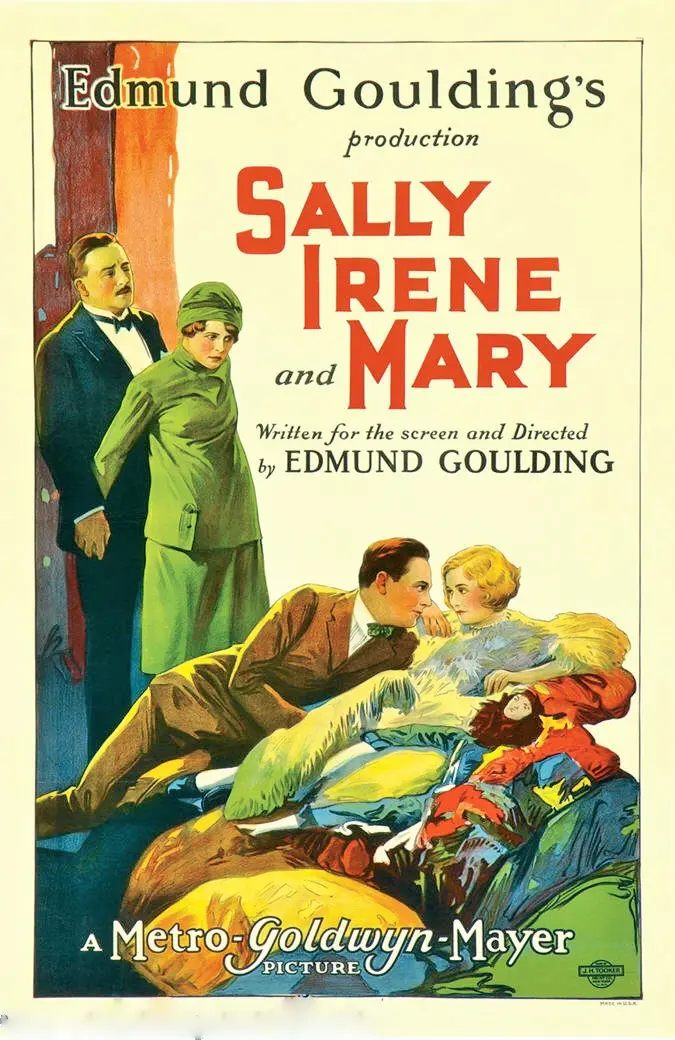
A definitive 5.8/10 rating for a film that redefined the boundaries of cult cinema. Sally, Irene and Mary remains a cornerstone of transgressive art.
In the gilded cage of Broadway, three women, Sally, Irene, and Mary, embark on a journey that promises the world but delivers only heartache and disillusionment. This 1928 silent film, directed by Edmund Goulding, is a searing indictment of the commodification of talent and the reduction of human relationships to transactional exchanges.
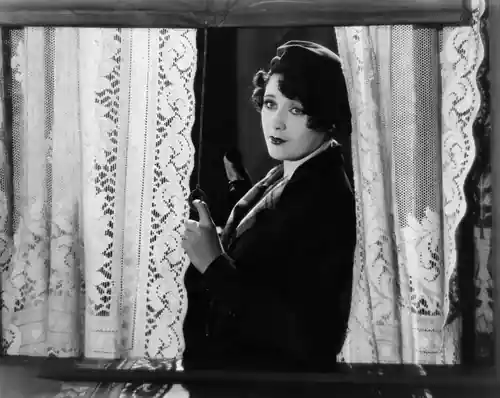
The narrative pivots around the eponymous trio, played by Lillian Elliott, Douglas Gilmore, and Sally O'Neil, whose rise to stardom is meteoric but ultimately hollow. As they ascend the rungs of fame, they find themselves ensnared in a complex web of love, money, and betrayal. The film's portrayal of their struggles is both a tribute to the enduring power of female friendship and a scathing critique of the societal pressures that drive women to sacrifice their autonomy for the sake of success.
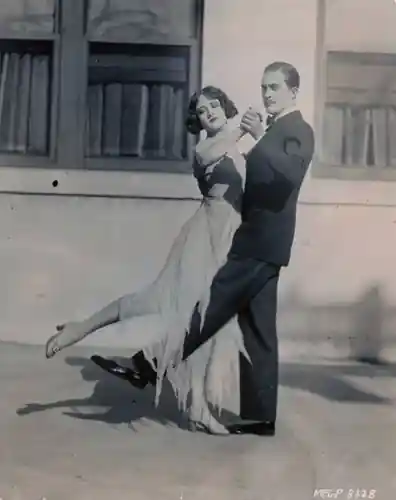
The performances of the lead actresses are noteworthy, capturing the vulnerability and resilience that define the female experience in the face of overwhelming adversity. Sally O'Neil, in particular, shines as the embodiment of youthful innocence and ambition, her character's trajectory a poignant reminder of the ephemeral nature of fame and the enduring consequences of one's choices.
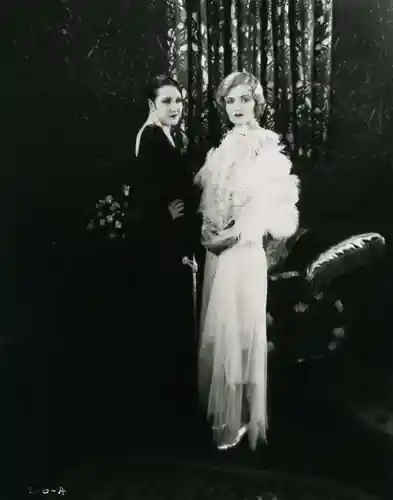
The supporting cast, including Joan Crawford, Henry Kolker, and Bess Flowers, adds depth and nuance to the narrative, their characters providing a nuanced exploration of the moral compromises that underpin the pursuit of stardom. The cinematography is equally impressive, capturing the vibrant energy of Broadway and the stifling conformity of the show business milieu.
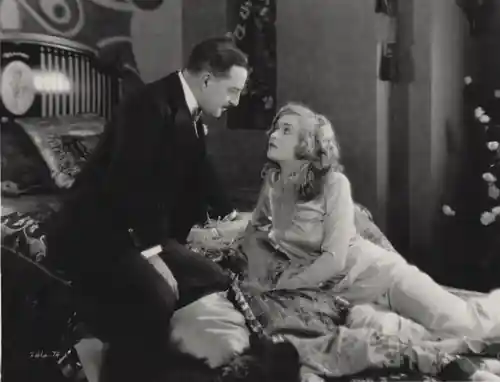
A thematic resonance with contemporaneous films like Footlights and The Heart of Jennifer is evident, as all three films grapple with the tensions between artistic expression and commercial exploitation. However, Sally, Irene and Mary distinguishes itself through its unflinching portrayal of the darker aspects of fame, a critique that is both a product of its time and a timeless commentary on the human condition.
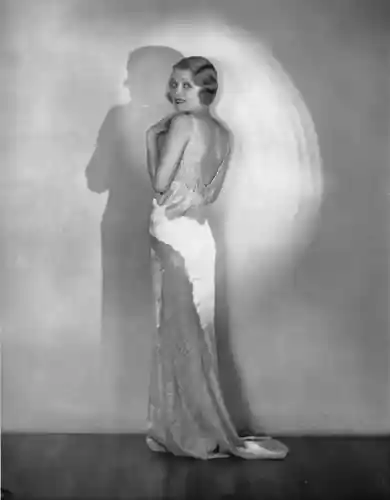
The screenplay, penned by Eddie Dowling, Joseph Farnham, Edmund Goulding, and Cyrus Wood, is a masterclass in narrative complexity, weaving together multiple storylines and character arcs to create a rich tapestry of human experience. The dialogue, though silent, speaks volumes about the societal norms and expectations that govern the characters' lives, a testament to the enduring power of storytelling in the silent era.
In conclusion, Sally, Irene and Mary is a masterpiece of the silent era, a film that continues to resonate with audiences today through its exploration of the universal themes of love, ambition, and the human cost of success. For fans of classic cinema, this film is an essential viewing experience, one that offers a poignant reminder of the enduring power of storytelling and the importance of artistic expression.
Further exploration of the themes and motifs presented in Sally, Irene and Mary can be found in films like Man's Plaything, Why Elephants Leave Home, and Terror Trail, all of which offer a nuanced exploration of the human condition and the complexities of relationships. Additionally, Disraeli, The Lone Round-Up, and Le ultime avventure di Galaor provide a fascinating insight into the societal norms and expectations that govern the characters' lives, while S.O.S., The Lover of Camille, and Political Pull offer a critique of the social and cultural norms of the time.
Ultimately, Sally, Irene and Mary is a film that defies categorization, a cinematic treasure that continues to captivate audiences with its timeless themes and universal appeal. Whether you're a film aficionado or simply a lover of classic cinema, this movie is sure to leave a lasting impression, a testament to the enduring power of storytelling and the importance of artistic expression.
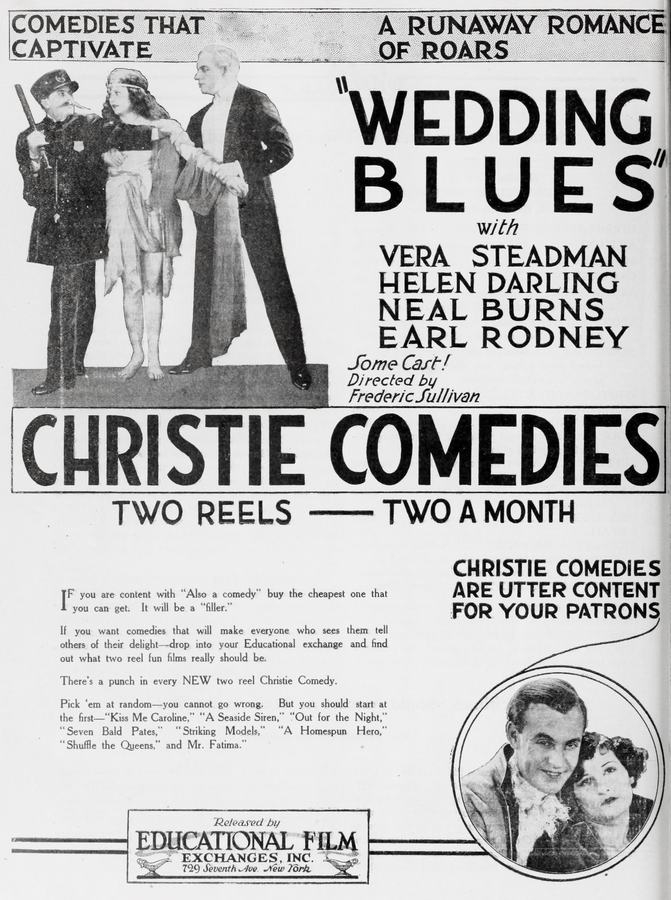
IMDb —
1920
Community
Log in to comment.