DbcultAccessing Vault...
Cult Review
Senior Film Conservator
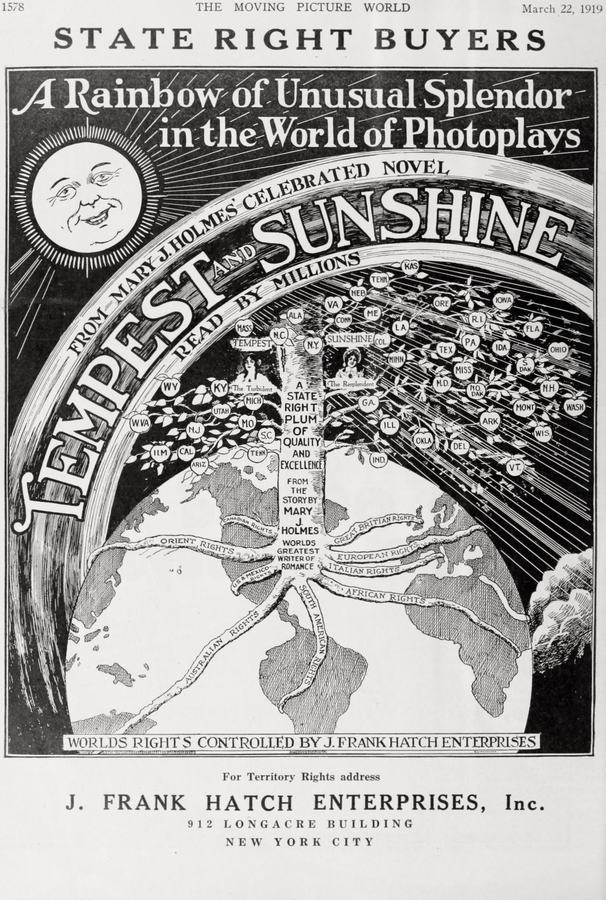
The 1910 iteration of Tempest and Sunshine stands as a fascinating artifact of early American cinema, capturing the transition from broad theatrical gestures to a more nuanced, albeit still melodramatic, exploration of human character. Adapted from Mary J. Holmes’ immensely popular 1854 novel, the film navigates the perilous waters of Antebellum morality and sisterly discord with a fervor that remains palpable even a century later. Unlike the atmospheric dread found in The Mysteries of Souls, this production leans into the domestic sphere, finding its horror in the betrayal of blood and the subversion of the written word.
The titular characters represent a binary opposition that was a staple of Victorian literature. Julia Middleton (Tempest) is a whirlwind of ego and calculation. Her decision to sabotage her sister’s happiness is not merely an act of spite, but a desperate reclamation of power in a society that offers women few avenues for agency. In contrast, Fanny (Sunshine) occupies the role of the virtuous heroine, a figure who must endure the machinations of her sibling with a fortitude that borders on the divine. This dynamic provides the film with a rhythmic tension, oscillating between Julia’s frantic plotting and Fanny’s serene, if oblivious, romantic bliss.
The crux of the plot hinges on the manipulation of correspondence—a theme that resonates with the era's preoccupation with social standing and the sanctity of the letter. Julia’s elaborate plan involves the forging and theft of letters, a narrative device that effectively externalizes her internal corruption. By intercepting the communication between Sunshine and her wealthy suitor, Julia attempts to rewrite reality itself. This obsession with controlling the narrative is a precursor to the more modern psychological thrillers we see in contemporary cinema, suggesting that the fear of a 'stolen identity' or a 'tampered reputation' is a foundational element of the American psyche.
The cinematic execution of this deception is handled with a surprising level of sophistication for 1910. The use of close-ups on the forged documents serves to emphasize the physical reality of Julia’s crimes. One cannot help but compare this focus on the 'materiality of sin' to the thematic underpinnings of The Pit, where the mechanics of greed are laid bare. In Tempest and Sunshine, the 'greed' is emotional and social, a hunger for a life that Julia feels she has forfeited through her own impulsive actions.
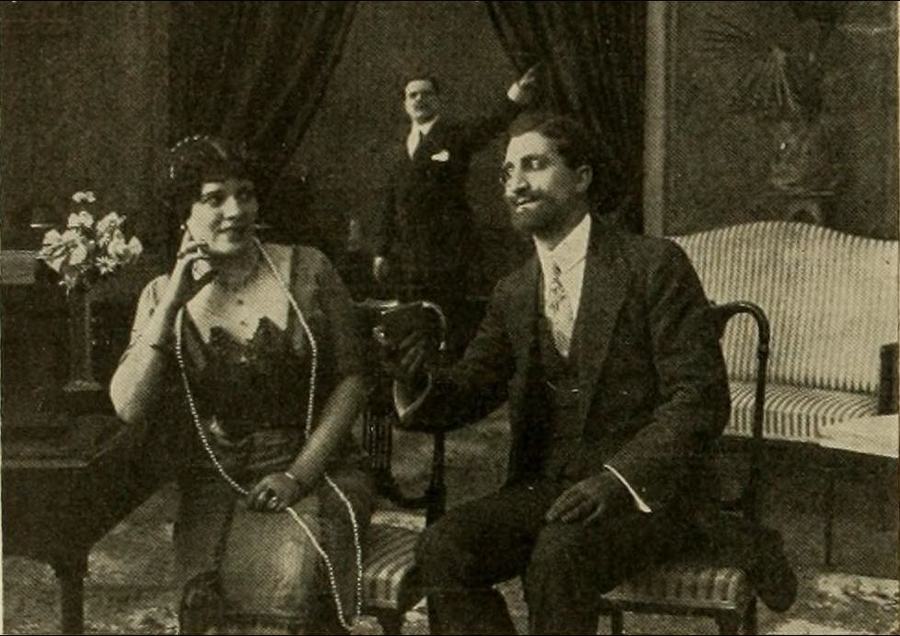
The cast, led by the formidable Evelyn Greeley and Carlton S. King, delivers performances that bridge the gap between the stage and the screen. Greeley, in particular, captures the 'Tempest' moniker with a physicality that is both jarring and mesmerizing. Her movements are sharp, her glances piercing, creating a visual shorthand for a woman possessed by an insatiable envy. King, as the guilt-ridden former suitor, provides the necessary moral friction. His transformation from a willing accomplice to a remorseful confessor is the film’s emotional anchor, a trajectory of redemption that mirrors the ethical complexities explored in The Convict Hero.
The supporting roles, including those played by Warren Hughes and Mrs. Carson, flesh out the Southern milieu, providing a sense of place that is essential to the story’s impact. The Middleton household is depicted not just as a setting, but as a microcosm of a stratified society where appearance is everything. The rigid social codes of the Kentucky plantation serve as the bars of a cage for Julia, driving her toward the desperate measures that define the plot.
When examining Tempest and Sunshine alongside its contemporaries, one begins to see the emergence of a distinct cinematic language for moral conflict. While Chained to the Past deals with the inescapable nature of one's history, Tempest and Sunshine focuses on the active creation of a false history. Julia is an architect of lies, and her eventual failure is a testament to the era’s belief in the ultimate triumph of 'truth' as a natural force.
Furthermore, the film’s portrayal of sisterly rivalry invites comparison to The Trey o' Hearts, though the latter leans more heavily into the adventure and action genres. In Holmes’ world, the conflict is internal and domestic, fought with pens and whispers rather than guns and chases. This focus on the 'quiet' violence of the home makes the eventual confession all the more explosive. The moment the ex-suitor breaks his silence is a catharsis that rivals the operatic endings of Camille, providing a resolution that is as much about the restoration of the social order as it is about the happiness of the individual.
The direction of the film, while constrained by the technical limitations of 1910, exhibits a keen eye for symbolism. The contrast between light and shadow is utilized to distinguish between the two sisters, a visual trope that would later become a staple of Film Noir. Sunshine is often framed in open, brightly lit spaces, suggesting her transparency and innocence. Tempest, conversely, is frequently shown in doorways or near windows, caught between the interior world of her secrets and the exterior world she seeks to manipulate. This use of space to define character is a hallmark of sophisticated storytelling, echoing the visual depth found in Balleteusens hævn.
The pacing of the film is deliberate, allowing the tension of the forgery plot to build toward a fever pitch. There is a palpable sense of dread as the wedding of Sunshine approaches, a deadline that Julia must meet to ensure her sister’s ruin. This 'race against time' is a classic narrative device, but here it is infused with a psychological weight that makes the stakes feel deeply personal. Unlike the broader social critiques of Forbidden Fruit, Tempest and Sunshine remains laser-focused on the intimate betrayals that occur within the family unit.
Mary J. Holmes was one of the most widely read authors of the 19th century, and the adaptation of her work into film was a significant cultural event. Tempest and Sunshine served as a bridge between the Victorian literary tradition and the burgeoning medium of cinema, bringing a familiar story to a new audience in a visceral way. The film’s exploration of the 'fallen' woman—not through sexual transgression, but through moral and social perfidy—offered a complex look at femininity that challenged the simplistic 'damsel' tropes of the time.
In the broader context of silent film history, this production occupies a space alongside works like The Colleen Bawn and Alien Souls, films that sought to translate regional identities and moral fables into a universal visual language. While it may lack the grand scale of Golfo di Napoli, its power lies in its specificity. It is a quintessentially American story, grappling with the shadows of the South and the enduring struggle between our best and worst impulses.
Ultimately, Tempest and Sunshine is a testament to the enduring power of character-driven drama. It reminds us that even in the earliest days of cinema, filmmakers were capable of plumbing the depths of the human heart, finding both the storm and the light that reside within us all. Its legacy continues to inform the way we perceive sisterly bonds and the devastating impact of a lie, making it an essential watch for any serious student of film history or the Southern Gothic tradition.
IMDb 6.9
1921
Community
Log in to comment.