DbcultAccessing Vault...
6/10
Senior Film Conservator
A definitive 6/10 rating for a film that redefined the boundaries of cult cinema. Sami sitsotskhle remains a cornerstone of transgressive art.
Stepping into the world of Sami sitsotskhle (1926) is akin to unearthing a forgotten time capsule, a vivid cinematic artifact from a nascent Georgian film industry grappling with profound societal shifts. This silent drama, often overlooked in the broader canon of early cinema, offers a compelling window into the anxieties and aspirations of a nation on the cusp of radical transformation. Far from being a mere historical curiosity, Ivane Perestiani and Giorgi Tsereteli’s collaborative vision pulsates with an urgency that transcends its era, presenting a narrative framework where love, passion, and murder become stark reflections of the burgeoning capitalist forces reshaping Georgia. The film doesn't just tell a story; it embodies a cultural moment, a societal pulse captured with striking intensity through the lens of a still-evolving art form.
At its core, Sami sitsotskhle delves into the volatile intersection of personal desire and socio-economic upheaval. The plot, deceptively simple on the surface – a tale of forbidden love and its tragic consequences – becomes a potent allegory for the moral ambiguities unleashed by Georgia’s transition towards a more capitalistic structure. The traditional communal bonds and ethical frameworks, once the bedrock of society, are shown to fray under the relentless pressure of individualistic ambition and material yearning. The film masterfully sketches a world where the pursuit of personal happiness, unmoored from established moral anchors, can lead to devastating outcomes. This thematic exploration aligns it with other European silent films of the period that grappled with similar themes of social decay and urban alienation, though Sami sitsotskhle anchors its narrative firmly in the specific cultural tapestry of Georgia.
The central characters are not merely participants in a melodrama; they are embodiments of the era's conflicting forces. The protagonist, often portrayed with an almost innocent desperation by Tsetsilia Tsutsunava, seeks an escape from the mundane, drawn to the allure of wealth and status that new economic paradigms promise. Her choices, driven by a complex mixture of naiveté and burgeoning self-interest, set in motion a chain of events that exposes the fragility of human relationships when tested by temptation. This exploration of individual moral compromise within a rapidly changing society finds echoes in films like The Painted Soul, which similarly probes the psychological impact of societal pressures on personal integrity. However, Sami sitsotskhle distinguishes itself by grounding these universal human struggles within a distinctly Georgian context, lending it a unique cultural texture.
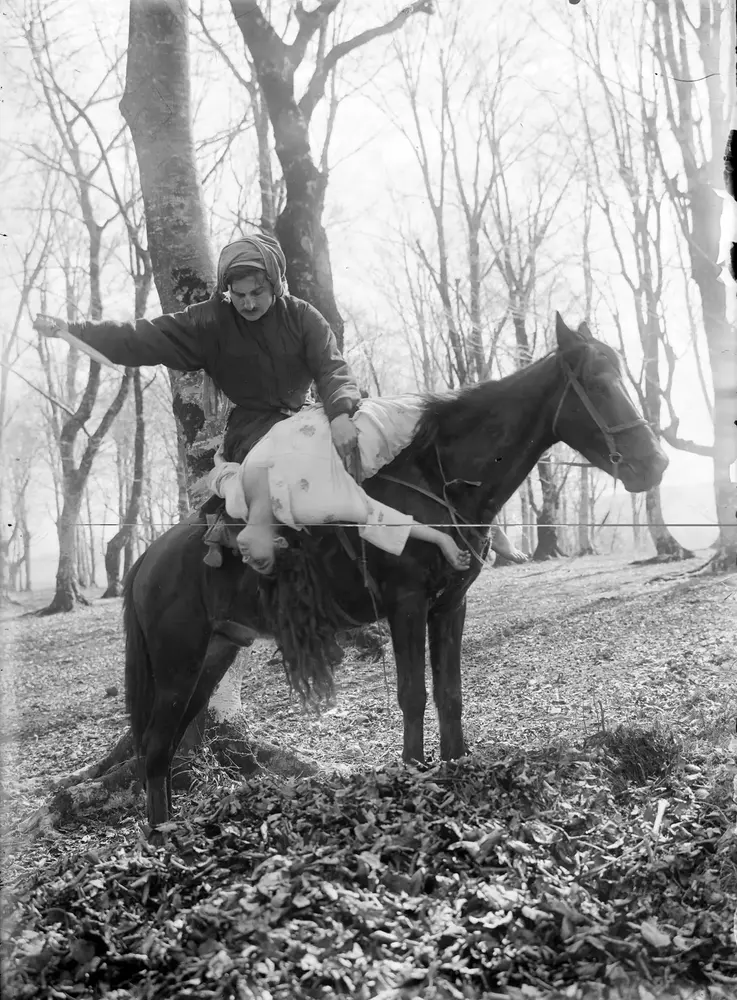
The ensemble cast of Sami sitsotskhle delivers performances that are both deeply expressive and remarkably nuanced, a testament to the power of silent acting. Tsetsilia Tsutsunava, in particular, commands the screen with a captivating presence, conveying a spectrum of emotions from youthful idealism to profound despair with remarkable clarity. Her large, expressive eyes and subtle gestures speak volumes, ensuring the audience is intimately connected to her character's internal turmoil. She masterfully navigates the tricky terrain of conveying complex motivations without dialogue, a skill that separates truly great silent film actors from the merely competent.
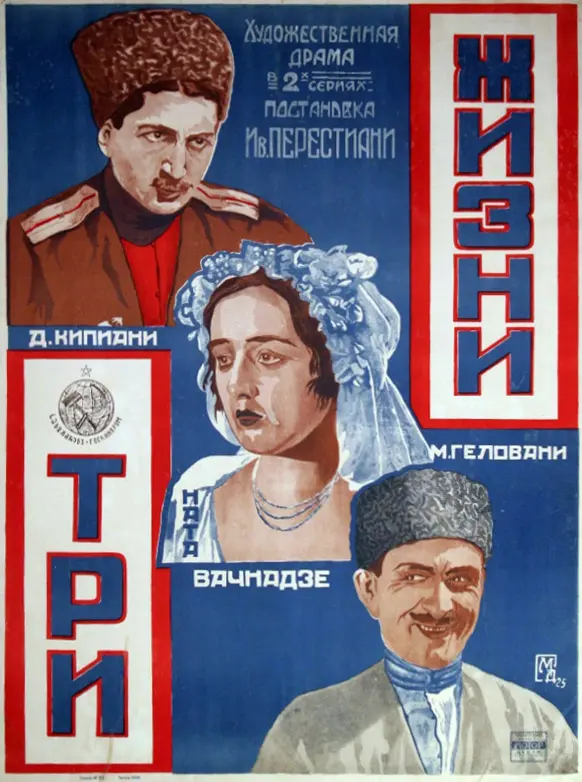
Opposite her, the formidable presence of Solomon Mikhoels brings a gravitas and intensity that anchors the dramatic weight of the film. His portrayal of a man ensnared by passion and circumstance is both chilling and tragically human. Mikhoels, known for his theatrical prowess, translates that stage presence seamlessly to the cinematic medium, utilizing his physicality and facial expressions to craft a character of immense psychological depth. The interplay between Tsutsunava and Mikhoels creates a palpable tension that drives the narrative forward, making their ill-fated connection feel genuinely consequential. Their performances, alongside those of Nato Vachnadze and Mikheil Gelovani, who each contribute layers of complexity to their respective roles, elevate the film beyond a simple potboiler into a work of considerable dramatic art. Gelovani, in particular, despite his later typecasting, demonstrates an early versatility here that hints at his broader range.
The supporting cast, including A. Lagzde, Ivan Kruchinin, and Dimitri Kipiani, each contribute to the rich tapestry of characters, providing a microcosm of Georgian society. Their collective efforts ensure that even minor roles feel integral to the unfolding tragedy, illustrating the communal impact of individual transgressions. The nuanced acting throughout is a stark reminder of the sophisticated storytelling possible even without spoken words, relying instead on the universal language of human emotion and gesture. This level of ensemble performance is comparable to some of the finest European dramas of the era, where the collective artistry of the cast was paramount to conveying intricate narratives, perhaps even more so than in films focused on individual star power like My Boy which relied heavily on the charisma of Jackie Coogan.
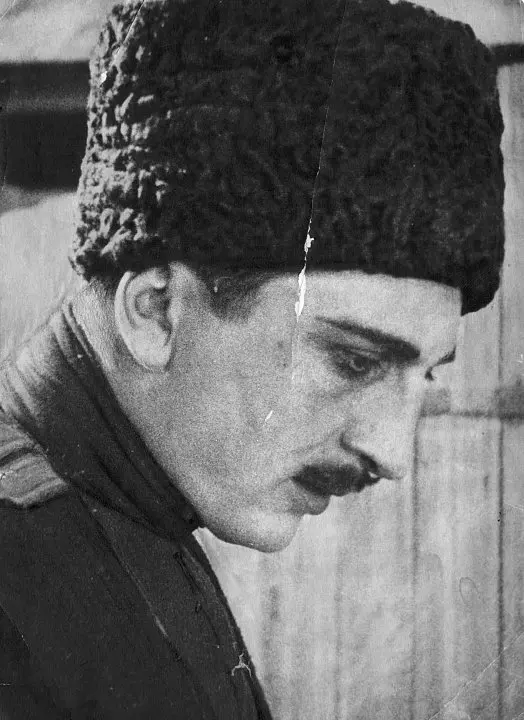
Ivane Perestiani and Giorgi Tsereteli’s direction in Sami sitsotskhle is characterized by a keen eye for visual storytelling and a deliberate pacing that allows the emotional weight of the narrative to sink in. The cinematography, while perhaps not as overtly experimental as some of its European contemporaries, is nonetheless effective in establishing mood and atmosphere. The use of natural light and carefully composed shots often imbues the Georgian landscapes and urban settings with a character of their own, serving as silent witnesses to the unfolding human drama. The visual aesthetic reflects a nascent but confident cinematic language, prioritizing clarity and emotional resonance over mere spectacle.
The directors demonstrate a masterful understanding of editing to build suspense and emphasize key emotional beats. There are moments of striking visual power, where the juxtaposition of images or the lingering on a character's face speaks volumes beyond what any intertitle could convey. This approach to visual rhythm and dramatic emphasis places Sami sitsotskhle firmly within the tradition of sophisticated silent film narrative, where every frame is meticulously crafted to advance the story and deepen the audience's engagement. The film's ability to create a palpable sense of dread and impending tragedy through purely visual means is particularly commendable, drawing parallels to the atmospheric tension found in crime dramas like Fantomas: The Man in Black, though with a distinctly more psychological and less overtly pulp aesthetic.
The film also showcases an interesting blend of realism and dramatic stylization. While the settings feel authentic, the characterizations and heightened emotional states lean into the melodramatic conventions of the era, a balance that works remarkably well. This stylistic choice allows the film to comment on profound social issues without sacrificing the compelling human drama at its core. It’s a delicate dance that Perestiani and Tsereteli execute with considerable skill, ensuring that the film remains both accessible as entertainment and potent as social commentary. The visual language employed here, while distinct, shares a common thread with other films exploring the darker undercurrents of society, such as The Prussian Cur, in its unflinching gaze at human failings.
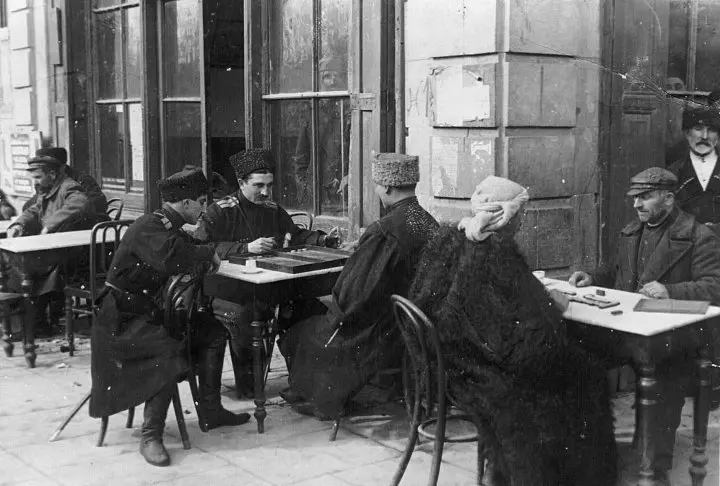
Beyond its immediate narrative, Sami sitsotskhle functions as a powerful piece of socio-political commentary. The phrase "upcoming capitalistic Georgia" in its plot description is key, indicating the filmmakers' intent to critique or at least examine the societal shifts occurring around them. The film implicitly critiques the moral vacuum that can emerge when traditional values are discarded in favor of material gain and unbridled individualism. The tragic trajectory of its characters serves as a cautionary tale, suggesting that progress, if not tempered by ethical considerations, can lead to personal and communal devastation. This makes it a fascinating historical document, reflecting the anxieties and debates of a nation in transition, much like Neglected Women tackled contemporary social issues with a critical lens, albeit from a different cultural perspective.
The themes explored – betrayal, ambition, the corrupting influence of desire – are timeless, granting Sami sitsotskhle an enduring relevance. While the specific context of 1920s Georgia is unique, the underlying human struggles resonate across different cultures and eras. The film’s unflinching portrayal of the consequences of moral decay and unchecked passion ensures its place not just as a significant work of Georgian cinema, but as a compelling human drama. It reminds us that the challenges of modernization and the complexities of human nature are universal, making the film's message surprisingly contemporary even a century later. Its examination of crime and consequence also touches upon themes explored in films such as Sonka zolotaya ruchka, though Sami sitsotskhle grounds its criminal elements more deeply in the personal and societal repercussions rather than focusing solely on the exploits.
Sami sitsotskhle is more than just a historical artifact; it is a vibrant, emotionally charged piece of cinema that deserves wider recognition. Its intricate plot, powerful performances, and insightful social commentary combine to create a compelling and thought-provoking experience. For cinephiles interested in the diverse tapestry of world cinema, particularly the rich, often overlooked contributions of early Georgian filmmaking, this movie is an essential viewing. It stands as a testament to the creative vigor and artistic ambition present in an industry finding its voice amidst profound national transformation. The film's ability to weave together a gripping personal drama with incisive social observation is a hallmark of truly great storytelling, irrespective of its temporal setting or the technological constraints of its production era.
The writers, Ivane Perestiani and Giorgi Tsereteli, crafted a narrative that is both specific to its time and place, yet universal in its exploration of human nature's darker impulses. Their collaborative effort produced a film that not only entertains but also provokes reflection on the enduring challenges of societal evolution and individual morality. It’s a powerful reminder that the silent era was anything but silent in its capacity to communicate complex ideas and profound emotions. The enduring power of Sami sitsotskhle lies in its eloquent, wordless articulation of a society in flux, and the timeless tragedy of human desire gone awry. It is a film that speaks volumes, even in silence, and its rediscovery offers invaluable insights into the rich heritage of world cinema.
IMDb 7.4
1927
Community
Log in to comment.