DbcultAccessing Vault...
Cult Review
Senior Film Conservator
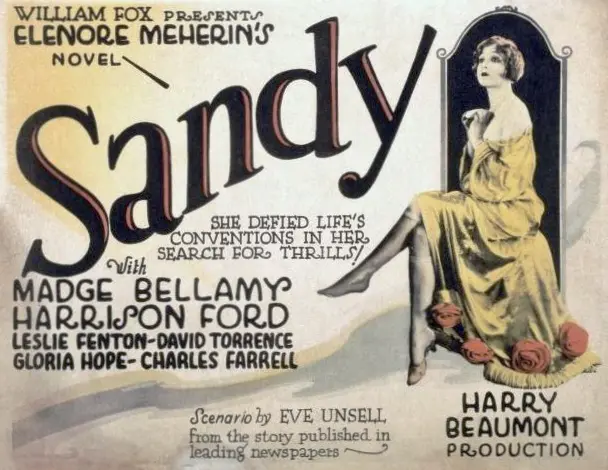
Is Sandy (1926) a forgotten masterpiece of the silent era? Short answer: No, it is a fascinatingly frantic relic that prioritizes melodrama over logic, making it more of a historical curiosity than a cinematic essential.
This film is for silent film historians and those obsessed with the 'Flapper' archetype of the 1920s. It is definitely not for viewers who demand coherent character motivations or a plot that doesn't rely on three separate life-altering coincidences in the final act.
This film works because it captures the genuine social anxiety of the mid-1920s, specifically the fear that 'Jazz Age' independence would lead to the total moral collapse of young women.
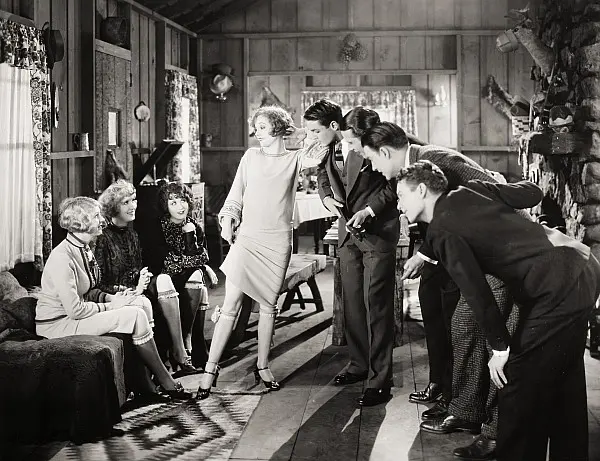
This film fails because the script by Elenore Meherin and Eve Unsell piles on so much tragedy—from child death to murder-suicide—that the emotional weight eventually turns into unintentional camp.
You should watch it if you want to see Madge Bellamy at her most expressive, or if you're tracking the evolution of the 'fallen woman' trope in early Hollywood.
The film opens with Sandy McNeil embracing 'unconventional jazz ethics.' It’s a phrase that feels like it belongs in a sensationalist tabloid of the era. The movie treats these ethics like a literal contagion. Sandy isn't just a girl who likes to dance; she’s presented as a rebel without a clear cause, which makes her eventual downfall feel less like a tragedy and more like a moralistic finger-wagging from the director.
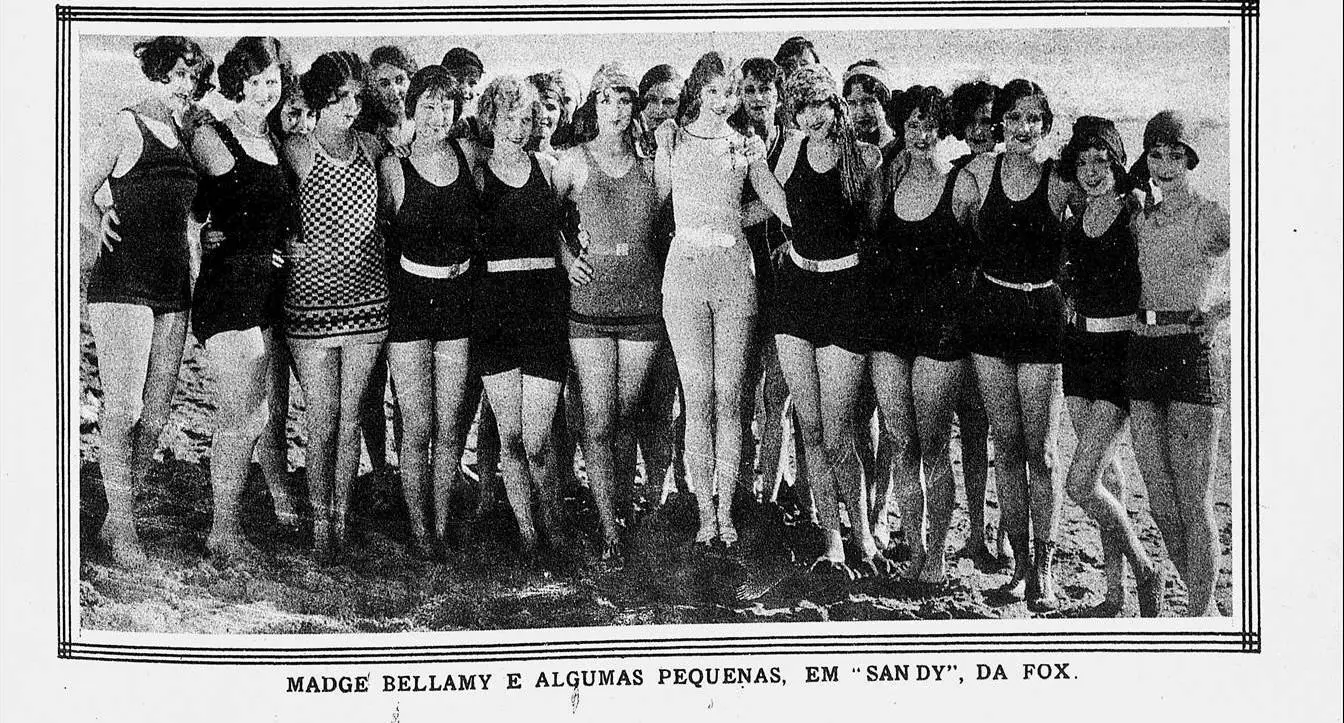
Consider the auto breakdown scene. In a modern context, it’s a minor inconvenience. In 1926, it is a life-shattering event that forces a woman into a marriage with a cruel man. The film uses this moment to strip Sandy of her agency. It’s a sharp contrast to the more lighthearted approach to social mishaps seen in Mighty Like a Moose, which handles social embarrassment with a wink rather than a shroud.
Let’s address the elephant in the room: Harrison Ford. No, not that one. This is the silent era leading man, and his performance here is stiff. He plays the role with a theatricality that hasn't aged as well as some of his contemporaries. Compared to the work seen in Captain Swift, Ford feels like he’s playing a caricature of a hero rather than a man with actual blood in his veins.
Madge Bellamy, however, is the film's saving grace. She has a face made for the silent screen—wide eyes that can convey a shift from youthful arrogance to soul-crushing grief in a single frame. When her character’s child dies due to her husband’s cruelty, Bellamy doesn't overact with wild gestures. She goes still. It is a rare moment of subtlety in a film that otherwise screams its emotions at the audience.
The second half of the film is where logic goes to die. Sandy meets Ramon, an architect. Then Ramon's mistress appears. Then Sandy falls for her cousin's boyfriend, Douglas. It is a tangled web that makes Frou Frou look like a documentary. The pacing becomes breathless, but not in a way that generates tension. Instead, it generates exhaustion.
The murder-suicide sequence is particularly jarring. Ramon, a character we barely know, suddenly becomes a vessel for extreme violence. It feels unearned. The film wants the shock value of a gunshot without doing the work to build Ramon’s psychological instability. It’s a narrative shortcut that undermines the stakes of the final courtroom scene.
If you are looking for a cohesive story, then no. Sandy (1926) is a narrative wreck. However, if you are looking for a window into the 1920s psyche, it is absolutely worth a look. It shows exactly what the 'older generation' of that time feared about the youth movement. It is a propaganda piece disguised as a romance.
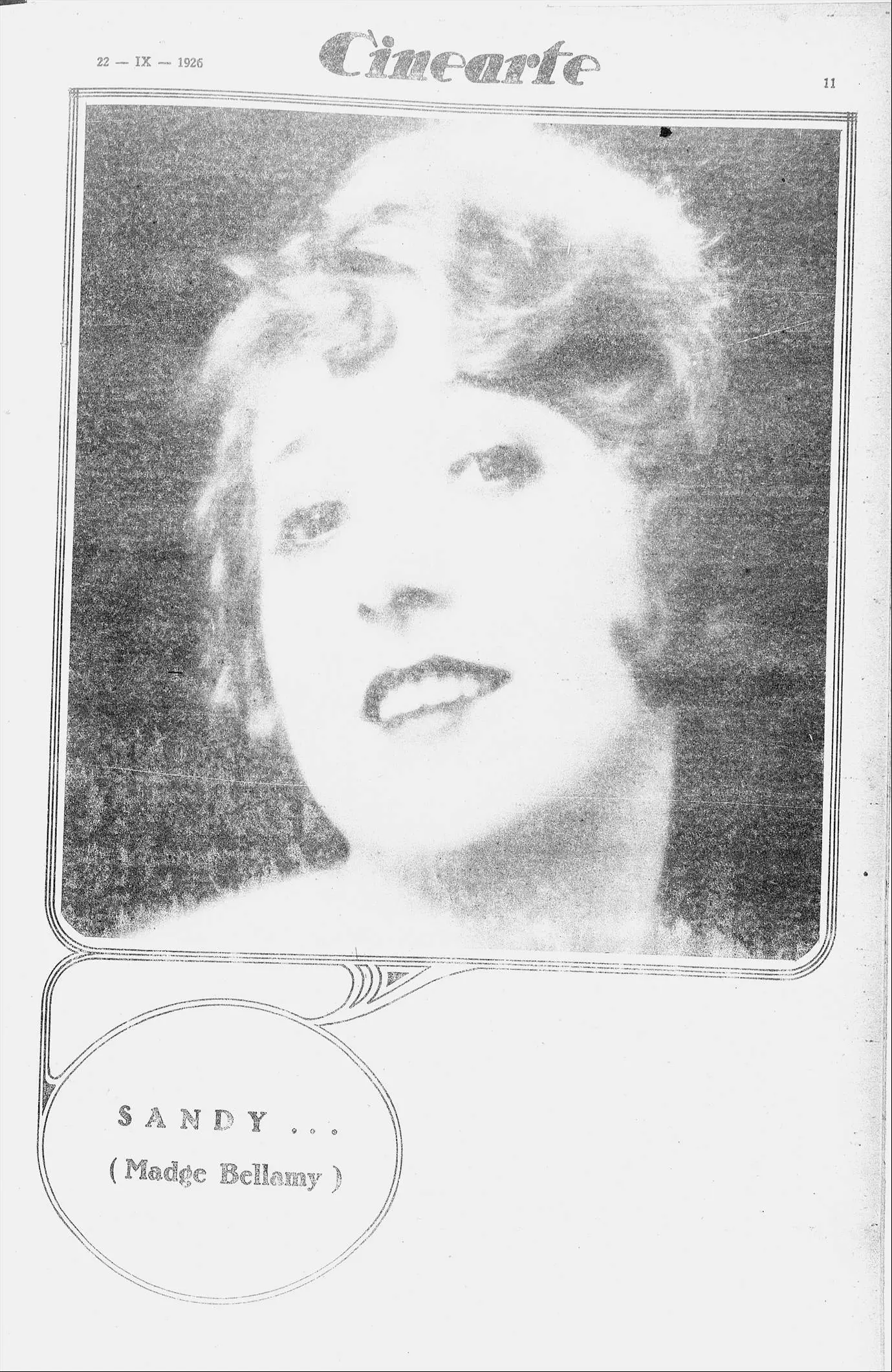
The film lacks the visual innovation found in The Border Legion, but it makes up for it with sheer, unadulterated drama. It’s the 1920s version of a soap opera, turned up to eleven. It works. But it’s flawed.
Pros:
- Madge Bellamy’s expressive performance.
- High production values for the era.
- A fascinating look at 1920s 'Jazz Age' moral panic.
Cons:
- The plot is incredibly contrived.
- The 'Jazz Ethics' concept is poorly defined.
- The ending feels rushed and overly sacrificial.
The cinematography in Sandy is standard for the mid-20s. There are few experimental shots. The lighting is flat, lacking the expressionistic shadows you might see in European films of the same year. However, the set design for the McNeil household and the architect's office is impressive. They feel lived-in, providing a sense of place that movies like The House of Toys often lacked.
The pacing is the biggest technical hurdle. The first act moves slowly, establishing a family dynamic that we don't really care about. Then, the final twenty minutes move at a breakneck speed, throwing deaths and confessions at the viewer like a Gatling gun. It’s uneven. It’s messy. It’s 1920s cinema at its most unrefined.
"Sandy is a film that wants to be a tragedy but settles for being a spectacle. It treats its protagonist like a pinball, bouncing her from one disaster to the next until she finally stops moving."
Sandy (1926) is not a good movie by modern standards, but it is an important one for understanding the era's fears. It tries to punish its heroine for her independence, only to realize at the last second that she needs to be the hero. This internal conflict makes the film feel disjointed. It’s a loud, clunky, and occasionally beautiful mess. Watch it for Bellamy, but leave your logic at the door.
IMDb 7.1
1927
Community
Log in to comment.