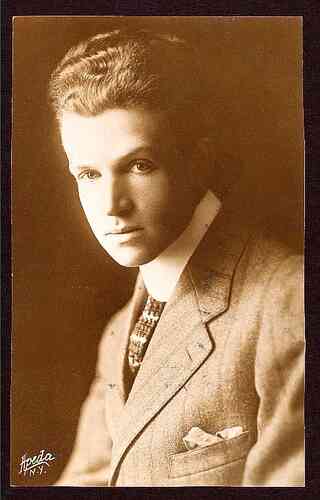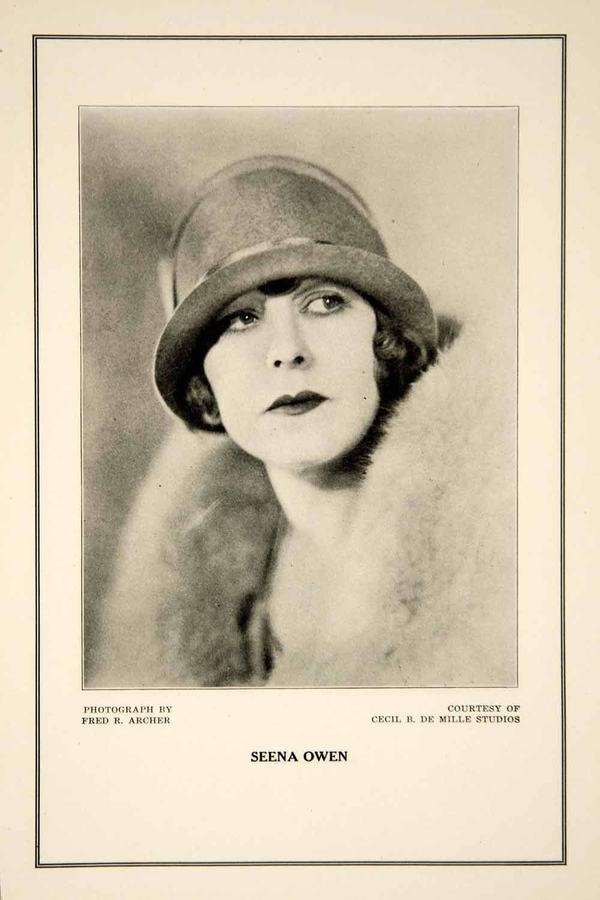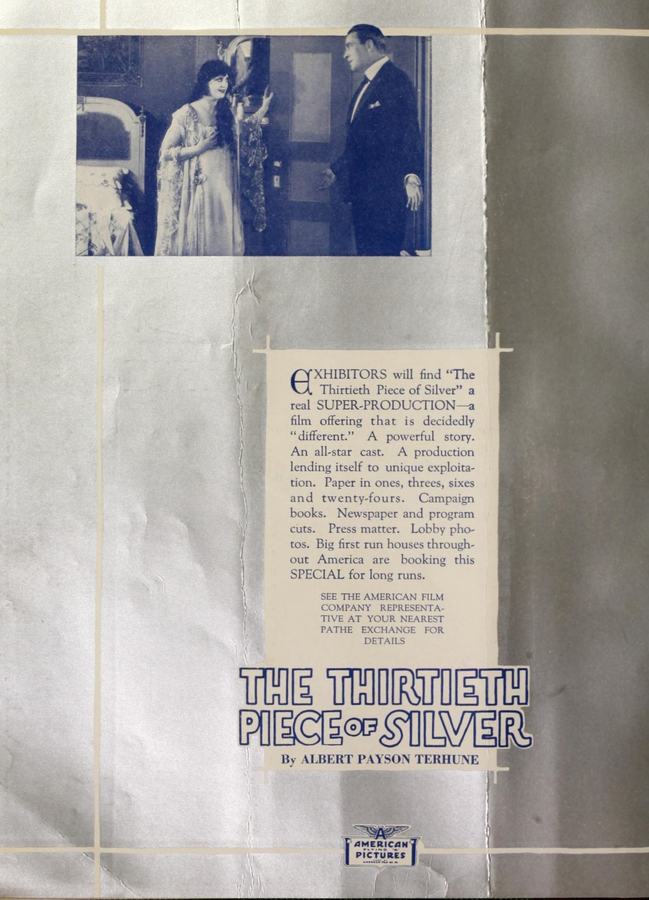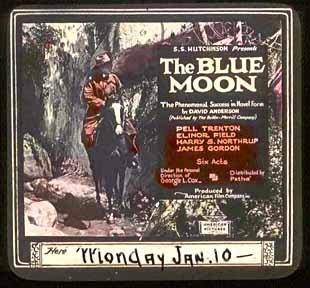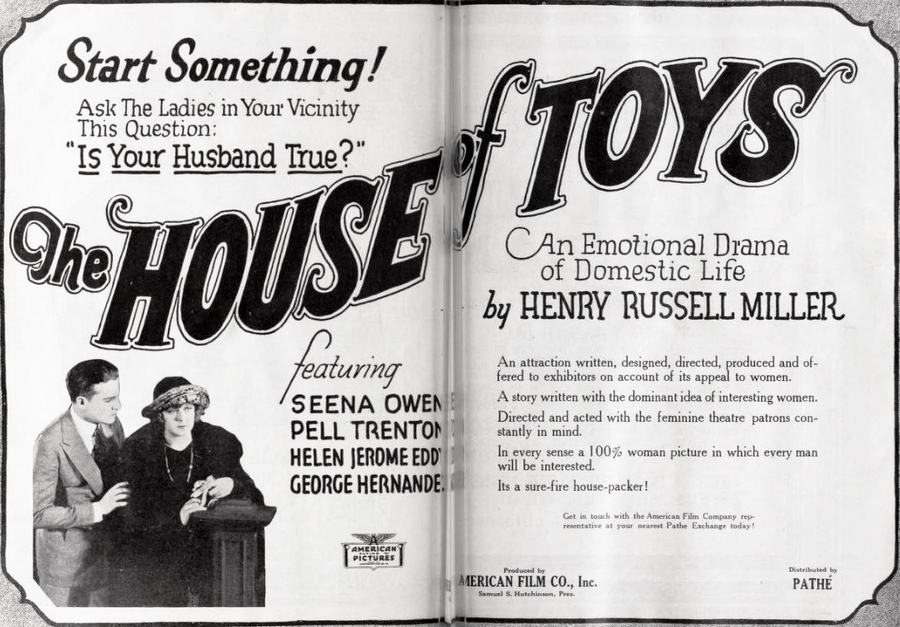
Shirley, the wife of poor architect Quentin, accedes to her wealthy aunt's advice against marrying a poor man and leaves him. Quentin gives up his dream of becoming an architect and takes a job as a draftsman.
A cathedral of silence, erected in 35 mm nitrate and now half-remembered only in feverish stills, The House of Toys (1921) is less a film than a séance—its characters wandering through negative space like marionettes whose strings have been snipped by money, class, and the merciless arithmetic of desire.The plot, decep...
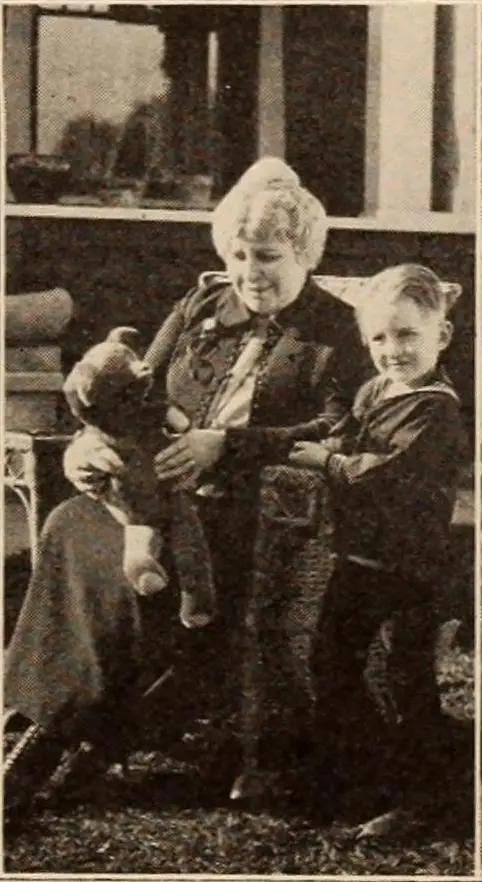
publicity
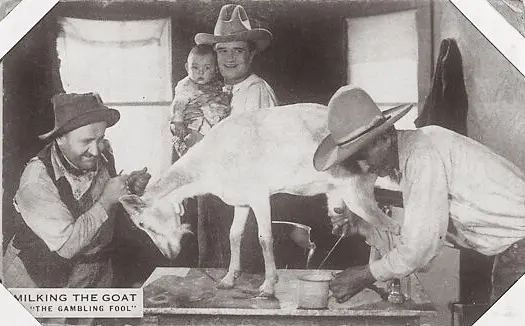
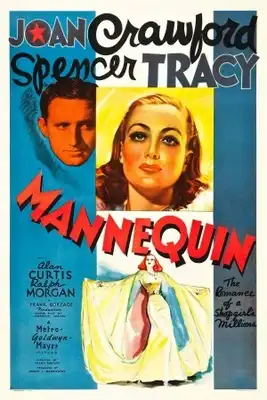
Comparing the cinematic DNA and archive impact of two defining moments in cult history.
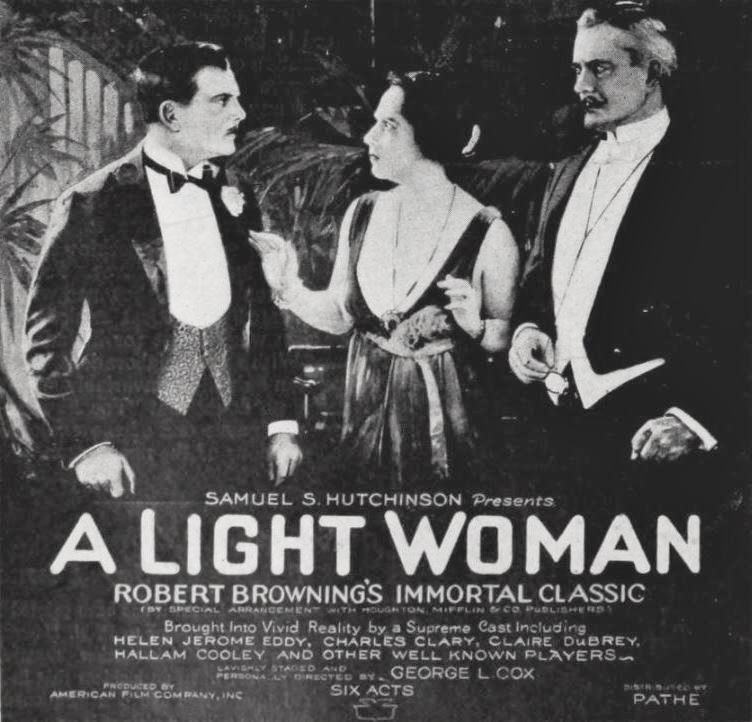
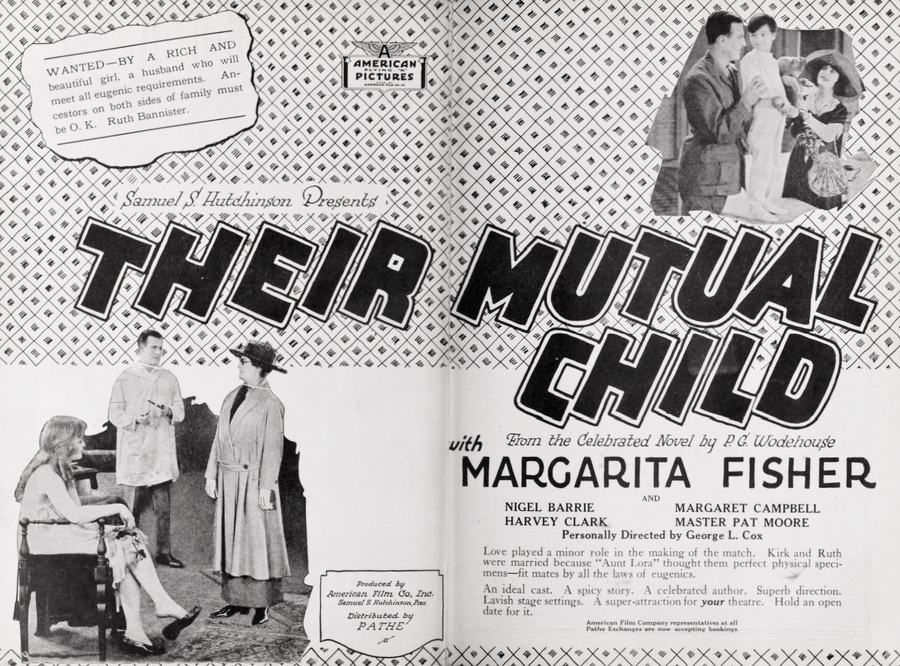
George L. Cox
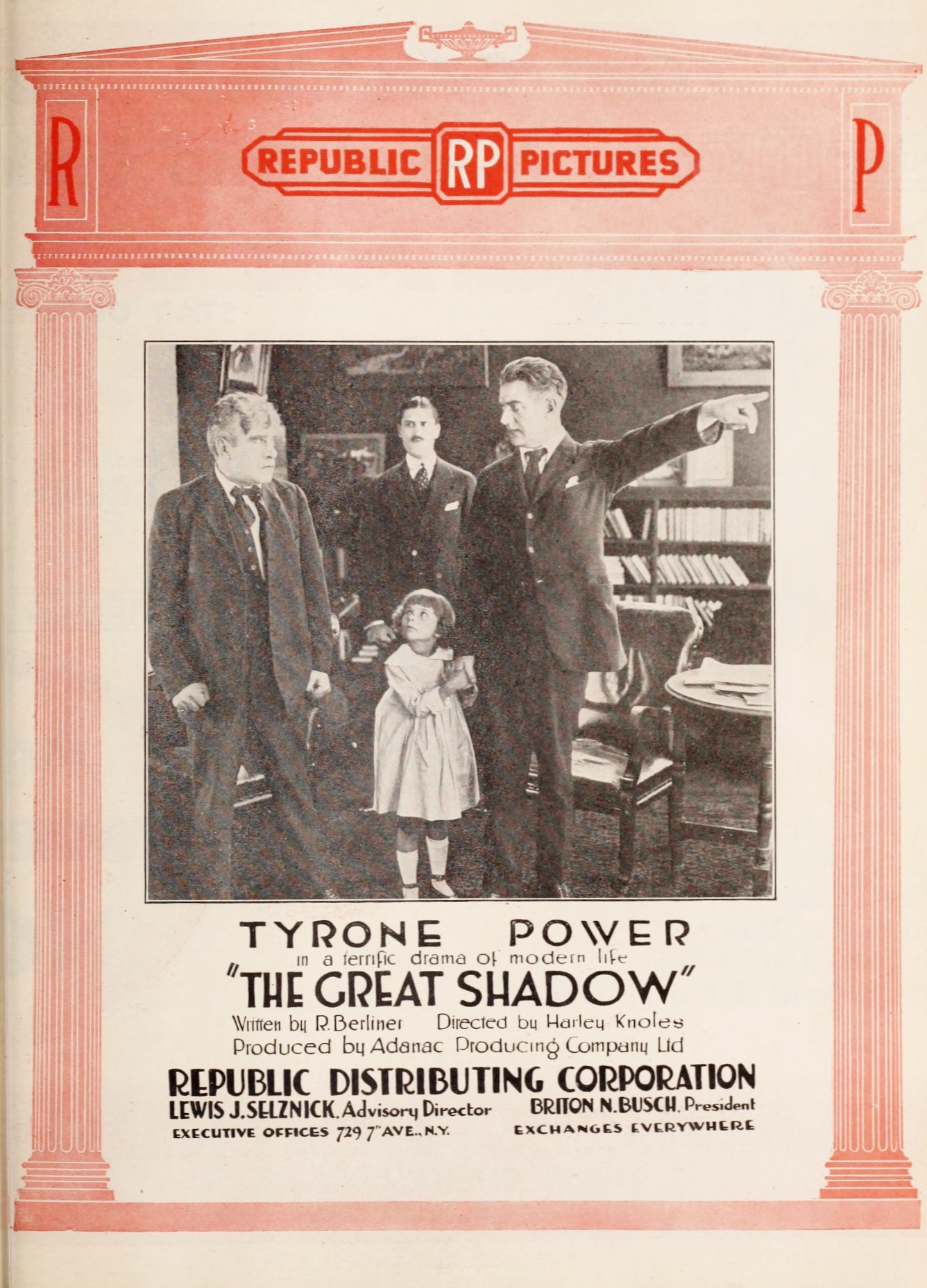
Harley Knoles
Community
Log in to comment.
"A cathedral of silence, erected in 35 mm nitrate and now half-remembered only in feverish stills, The House of Toys (1921) is less a film than a séance—its characters wandering through negative space like marionettes whose strings have been snipped by money, class, and the merciless arithmetic of desire.The plot, deceptively banal on paper, curves inward like a Möbius strip: Shirley’s betrayal is not merely romantic but epistemological—she confiscates Quentin’s future by invoking the aunt’s ledg..."
Henry Russell Miller, Daniel F. Whitcomb
United States
Deep dive into the cult classic
Discover similar cinematic experiences
A Directorial Spotlight on George L. Cox