DbcultAccessing Vault...
7.2/10
Senior Film Conservator
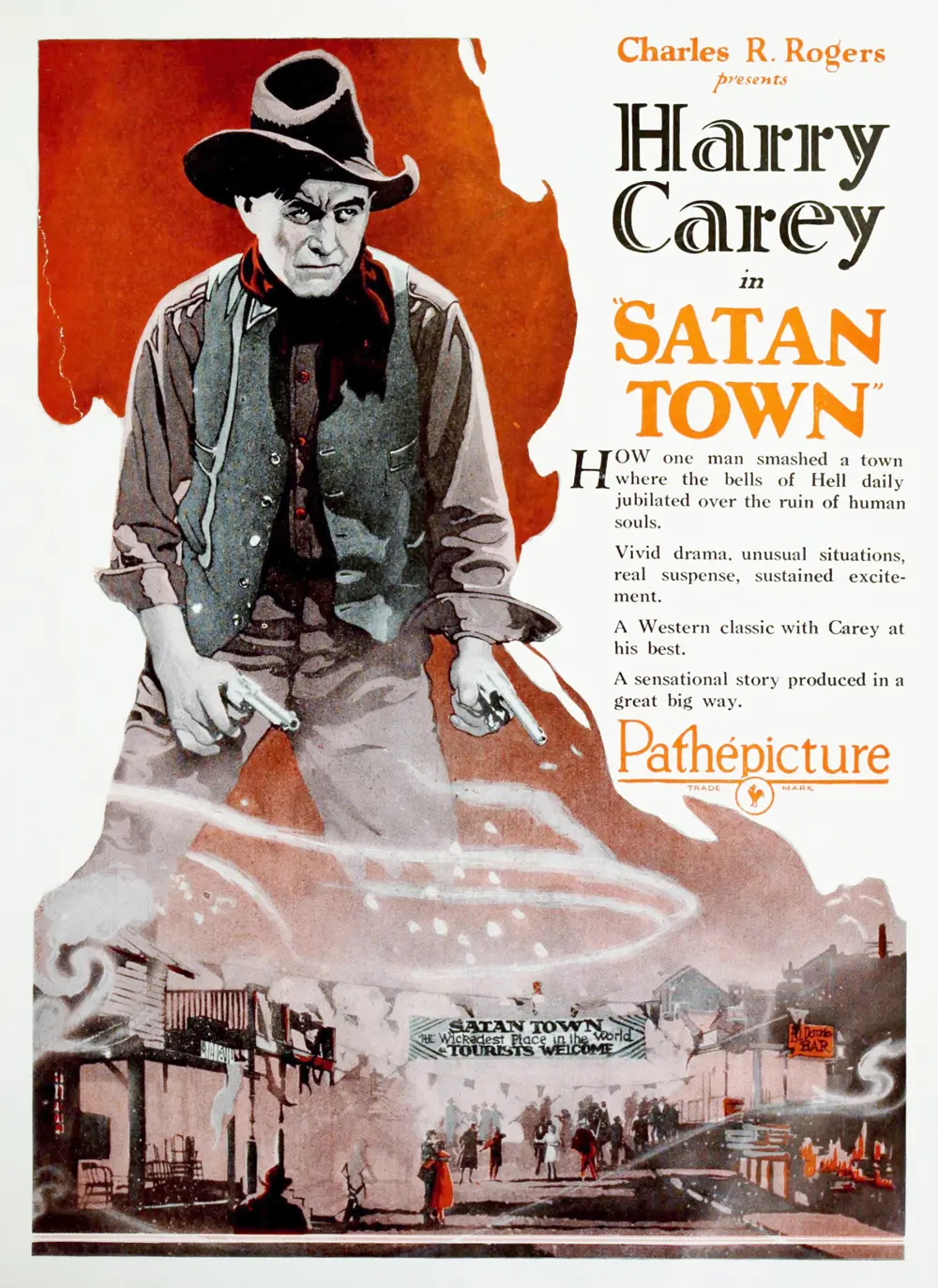
A definitive 7.2/10 rating for a film that redefined the boundaries of cult cinema. Satan Town remains a cornerstone of transgressive art.
Is Satan Town a forgotten relic or a visceral piece of early American grit? Short answer: It is a muscular, uncompromising brawler of a film that rewards viewers who can handle silent-era pacing.
This film is specifically for fans of early Western archetypes and those interested in the transition of Harry Carey from a D.W. Griffith ensemble player to a standalone icon of the rugged frontier. It is absolutely NOT for viewers who require high-speed editing or those who find the moral binaries of the 1920s too simplistic for modern consumption.
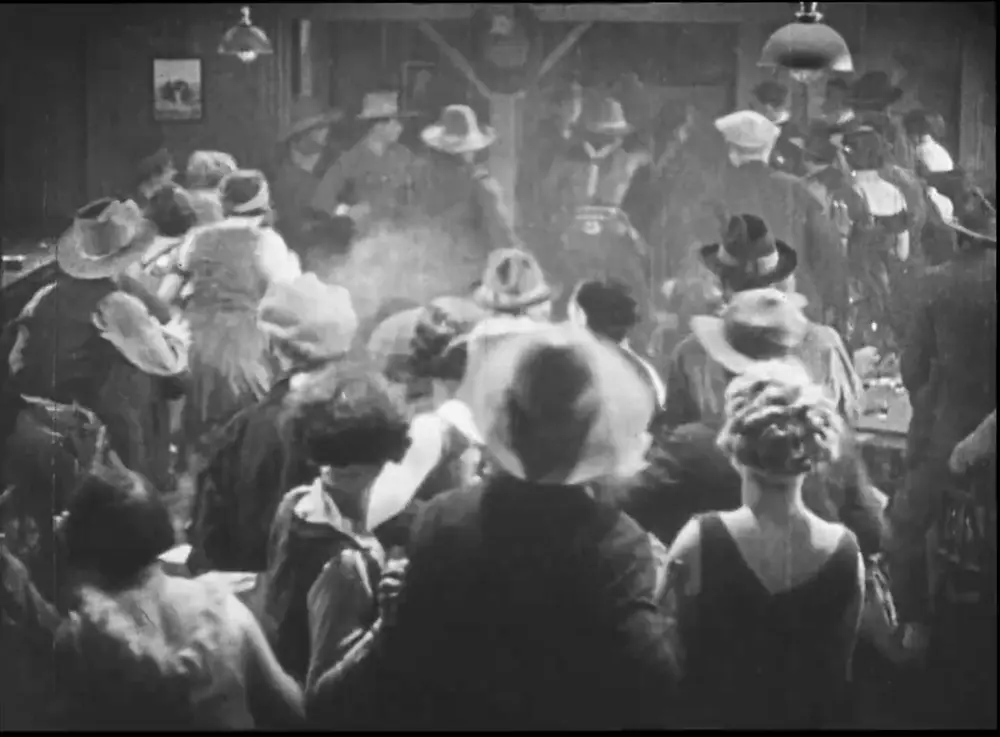
1) This film works because Harry Carey’s screen presence provides a grounded, naturalistic anchor to a setting that could easily have devolved into a cartoonish depiction of sin.
2) This film fails because the secondary characters, particularly the 'wicked' denizens of the Palace Hotel, lack the psychological depth found in contemporary dramas like The Heart of the Hills.
3) You should watch it if you want to see one of the most convincing barroom brawls of the silent era, staged with a physicality that puts many modern CGI-heavy fights to shame.
Yes, but with caveats. If you are looking for a complex narrative, you won't find it here. However, if you want to witness the DNA of the 'Man with No Name' being formed, Carey’s performance is essential viewing. The film captures a specific moment in American cinema where the Western was moving away from the Victorian melodrama of The Girl Who Wouldn't Quit and toward a more cynical, grit-under-the-fingernails aesthetic.
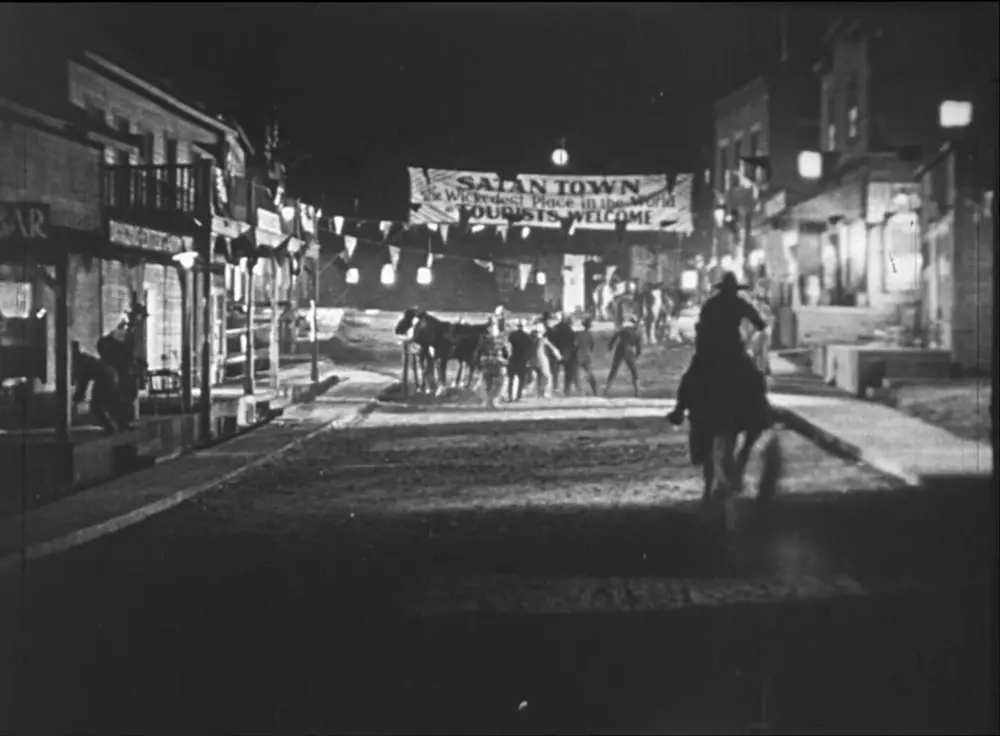
The setting of the Palace Hotel is the film's most effective character. Director Edmund Mortimer (uncredited but influential) treats the saloon not as a set, but as a pressure cooker. The banner across main street—'Tourists Welcome'—is a brilliant, cynical touch that suggests the town's wickedness is its primary export. This isn't a town that happened to become bad; it is a town that markets its soul for a profit.
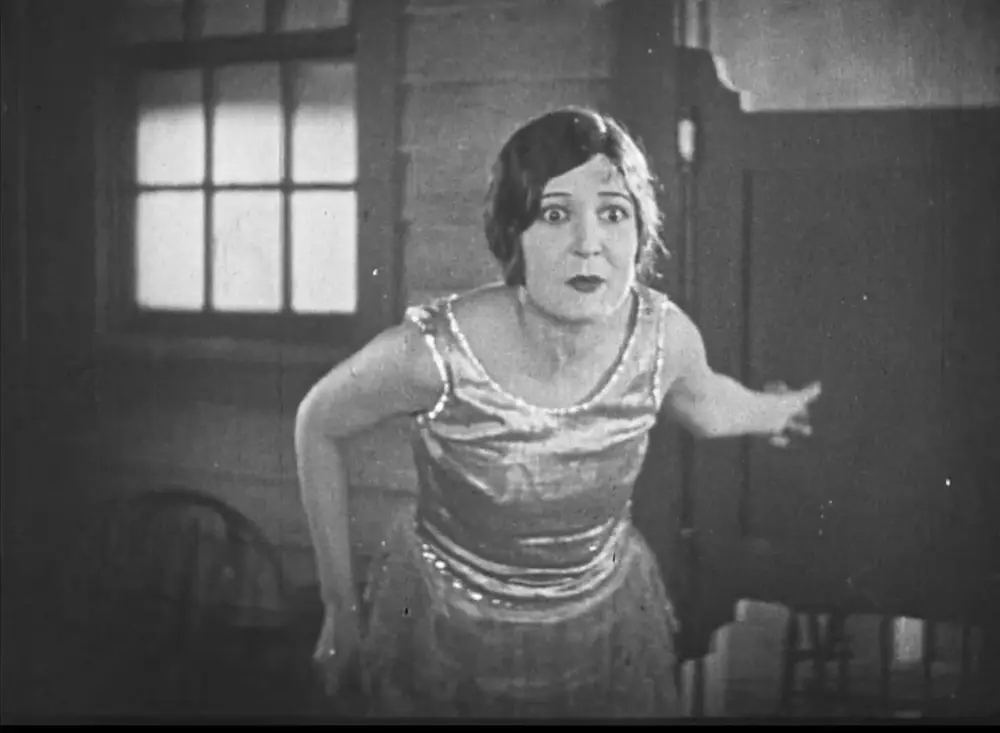
The cinematography within the hotel uses the shadows of the 1920s lighting to great effect. When Sue enters the room, she is often framed in a way that suggests a candle being brought into a cavern. The contrast between her pristine Salvation Army uniform and the grime of the patrons is a visual shorthand for the film's central conflict. It lacks the experimental flair of something like The Rustle of Silk, but it makes up for it with a heavy, atmospheric weight.
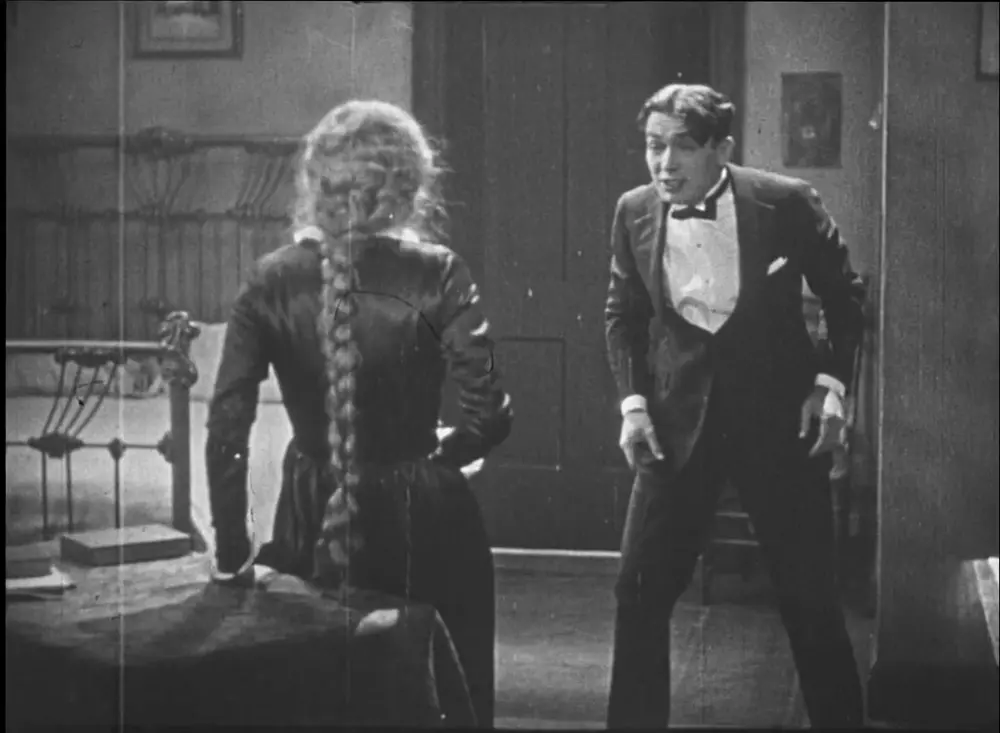
Harry Carey was always the antithesis of the 'pretty boy' cowboy. In Satan Town, his Bill Scott is a man who looks like he has slept in his clothes for a week. There is a specific moment when he first enters the Palace Hotel; he doesn't scan the room with a hero's gaze. Instead, he looks for the bar. It is a small, humanizing detail that separates him from the more theatrical stars of the time.
His fight with Malamute is the film's centerpiece. While the technical wrestling in Stecher-Caddock Wrestling Match is more 'accurate,' the brawl in Satan Town is more emotional. It is messy. Chairs are broken, bodies are slammed into tables, and the camera stays close to the action. You feel the impact of every punch. It isn't just about winning a fight; it's about the physical exhaustion of standing up for something in a place that wants to tear you down.
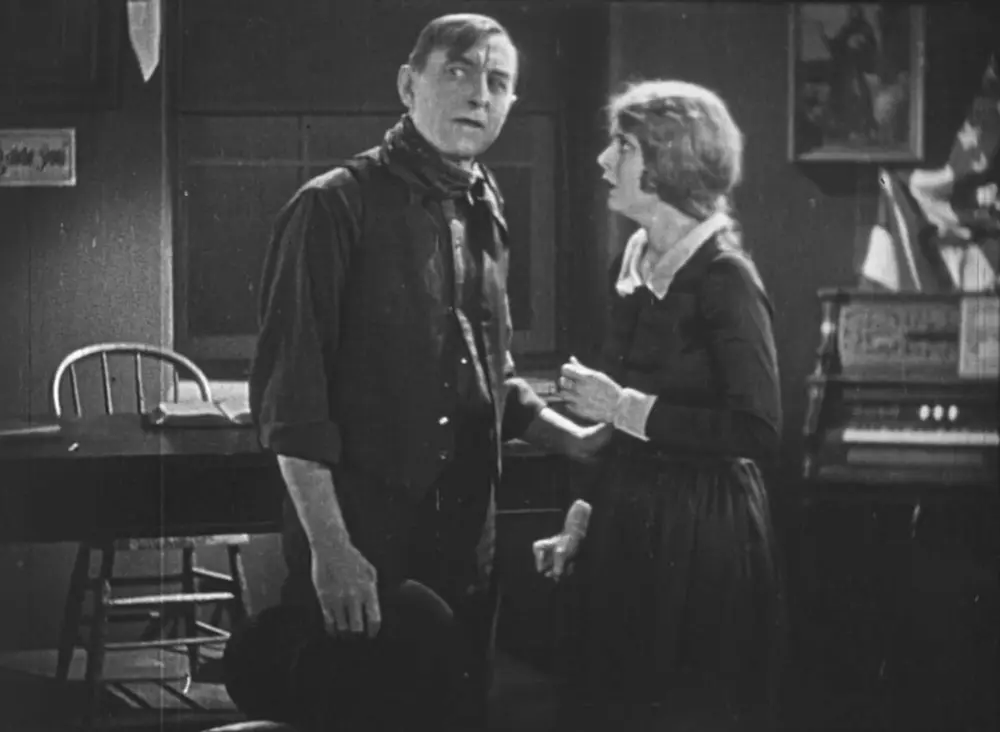
The writing by Jack Boyle and Marion Jackson is lean. They understand that in a silent Western, dialogue cards are often the enemy of pacing. They allow the physical performances to tell the story. However, the film occasionally leans too heavily on the 'fallen woman' trope. While Trilby Clark does an admirable job as Sue, her character is more of a symbol than a person. She exists to be saved, which is a disappointing regression compared to the more active female protagonists seen in The Iron Ring.
The pacing is brisk, perhaps too much so. The transition from Bill’s arrival to the final confrontation happens with a suddenness that leaves little room for character development. But in a film titled Satan Town, you aren't here for a character study; you're here for the collision.
One surprising element of Satan Town is how it handles the concept of the 'tourist.' By making the town's depravity a spectacle for outsiders, the film subtly critiques the audience's own desire to see 'the wickedest place.' We are the tourists. We are the ones riding into the Palace Hotel to watch the drunks and the brawlers. It is a meta-commentary that feels decades ahead of its time, even if it was likely unintentional.
Satan Town is a punch to the gut of silent-era gentility. It’s raw. It’s dirty. It works. While it lacks the narrative complexity of modern cinema, its commitment to a gritty, atmospheric world makes it a vital piece of Western history. Harry Carey proves once again that he was the true father of the rugged screen hero.
IMDb 6.1
1933
Community
Log in to comment.