DbcultAccessing Vault...
5/10
Senior Film Conservator
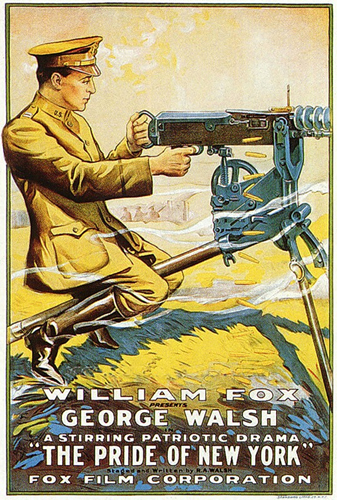
A definitive 5/10 rating for a film that redefined the boundaries of cult cinema. The Pride of New York remains a cornerstone of transgressive art.
Stepping back into the flickering glow of early cinema, one often finds narratives that, despite their age, resonate with an almost startling clarity, mirroring societal anxieties and aspirations that feel timeless. 'The Pride of New York' (1917), directed by the prolific Raoul Walsh and penned by Walsh himself alongside Ralph Spence, is precisely such a film. It's a vibrant tapestry woven with threads of patriotic fervor, class conflict, and a burgeoning sense of American identity amidst the crucible of World War I. More than a mere period piece, it serves as a fascinating lens through which to examine the moral compass of a nation on the precipice of global conflict, deftly contrasting the superficiality of inherited wealth with the profound integrity forged in the fires of service and sacrifice.
At its heart, the film is a character study, albeit one painted with the broad, expressive strokes characteristic of the silent era. We are introduced to Harold Whitley, a figure who, in another context, might have been a romantic lead. Instead, he embodies the indolent, entitled scion of New York's elite, a man whose primary concern upon the United States' entry into the Great War is not national duty, but personal inconvenience. His immediate reaction to the Selective Draft is a testament to his self-absorption: a desperate plea to his fiancée, Mary, for a hurried marriage, solely to exploit the exemption granted to married men. This opening gambit immediately establishes Whitley as a character antithetical to the heroic archetype, a stark contrast to the burgeoning patriotism sweeping the nation.
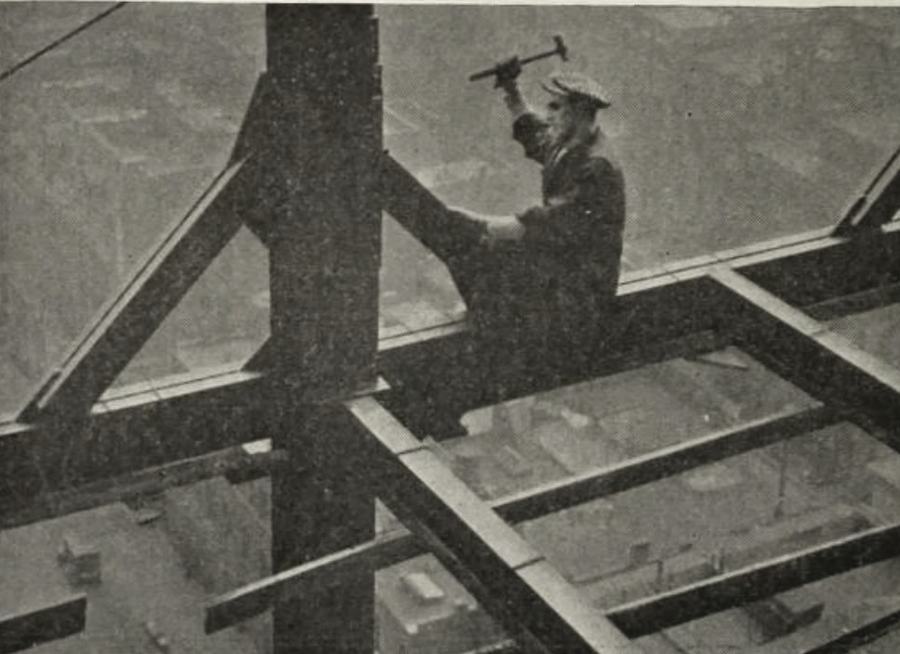
Mary, thankfully, is no demure damsel. Her indignant refusal to be a shield for Harold's cowardice is a pivotal moment, signaling her own strength of character and moral clarity. This isn't a woman content to be a mere accessory; she possesses an innate sense of honor that transcends social standing. Her subsequent encounter with Jim Kelly, the son of a contractor working on Harold's father's impressive twenty-story skyscraper, is brilliantly staged. The skyscraper itself is a potent symbol: a monument to American ambition, industry, and the very spirit of progress that Harold so conspicuously lacks. Jim, ascending on a beam, is introduced as a man of action, grounded yet reaching for new heights, his physical prowess and unpretentious confidence immediately captivating Mary, and by extension, the audience. This visual metaphor, Jim literally rising above the world that Harold merely inherits, is a masterstroke of early cinematic storytelling.
The ensuing interaction at Mary's Fifth Avenue address, where Jim chivalrously returns her forgotten gloves only to be met with Harold's snobbish disdain, further solidifies the class divide and the moral chasm between the two men. Harold's insults are not merely personal; they are a reflection of a societal prejudice, an ingrained belief in the superiority of inherited status over earned merit. This theme of class disparity and its impact on character is a recurring motif in cinema of this period, often serving to champion the working-class hero over the effete aristocrat. Films like Ready Money or even earlier works like Gretchen the Greenhorn, while perhaps not directly analogous in plot, often explored the virtues of self-made individuals against the backdrop of inherited wealth, albeit with varying degrees of social commentary.
The narrative then shifts to the training camp, a setting that serves as a crucible for character. Here, Jim Kelly's innate enthusiasm for service and his natural leadership qualities shine, swiftly earning him a promotion to aviation captain. The aerial combat element, still nascent in WWI, adds an exciting, modern dimension to the heroism, linking Jim to the cutting edge of military innovation. Harold, predictably, falters. His cowardice, explicitly stated as the reason for his release, is not merely a personal failing but a symbolic rejection of the national call to arms. This stark contrast in their military fortunes is crucial; it’s not just about who is a better soldier, but who embodies the true spirit of patriotism and selflessness. The film effectively uses the military structure to strip away social pretense, revealing the true character beneath.
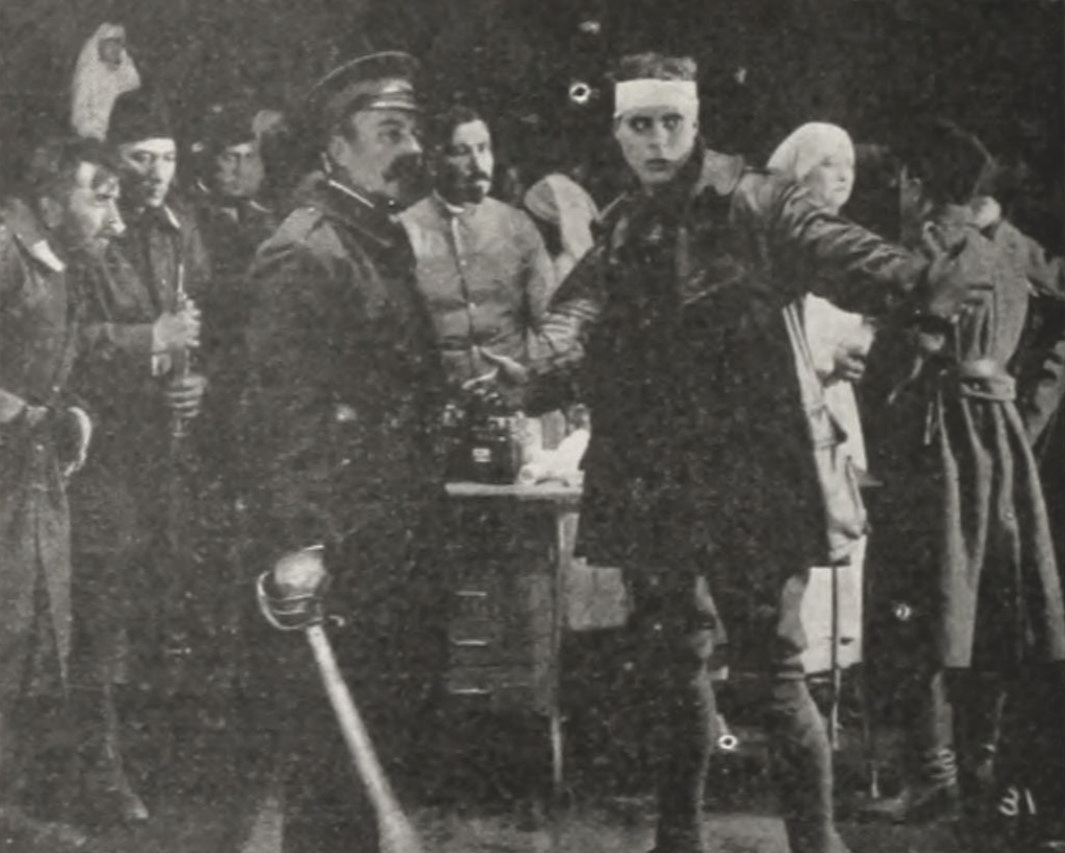
The transition to the battlefields of France elevates the stakes dramatically. Here, Mary reappears, no longer merely a romantic interest but an active participant in the war effort as a Red Cross nurse. Her presence on the front lines, tending to the wounded, underscores her moral evolution and commitment to service, further distinguishing her from Harold's initial attempts at evasion. It is in this brutal landscape that Jim, knocked unconscious by a shell, finds himself under Mary's care. This reunion, amidst the devastation, is poignant, a quiet moment of human connection against the backdrop of unimaginable chaos. It solidifies their bond, not through societal expectation, but through shared experience and mutual respect forged in adversity.
Jim's subsequent actions in France cement his heroic status. His capture of a German raiding party is depicted with an ingenuity that speaks to his resourcefulness and daring. The clever ruse of forcing the Germans to exchange clothes with Allied soldiers, leading to their tragic demise by their own side, is a brutal but effective demonstration of wartime cunning. While morally ambiguous by today's standards, within the narrative context of a wartime propaganda film, it serves to highlight Jim's strategic brilliance and his unwavering commitment to the Allied cause. Such dramatic acts of espionage and cunning were popular tropes, seen in films like La revanche, though perhaps with different ethical implications.
The climax of the film is a breathless sequence of escalating danger and heroic endeavor. Mary's abduction by a German prince provides the ultimate catalyst for Jim's heroic pursuit. This damsel-in-distress trope, while common, is executed with a dynamism that keeps the audience on the edge of their seats. Jim's pursuit is a multi-stage spectacle: a furious horseback chase, a perilous tumble over a cliff (a daring stunt for the era), a desperate swim to shore, and a timely arrival to rescue Mary. This sequence is a testament to the action-oriented filmmaking of Raoul Walsh, who would later become renowned for his masterful handling of adventure and spectacle. The sheer physical commitment demanded of the actor, George Walsh (Jim Kelly), underscores the film's dedication to portraying visceral heroism.
The final escape in an airplane brings the narrative full circle, tying back to Jim's role as an aviation captain and emphasizing the modernity of the conflict. It's a triumphant conclusion, not just for the characters, but for the thematic arc of the film itself. The airplane, a symbol of progress and escape, carries them away from the clutches of the enemy, and metaphorically, from the superficial world of Harold Whitley. This final image of aerial triumph reinforces Jim's status as a quintessential American hero, combining traditional virtues of courage and strength with the innovative spirit of the new century. We see echoes of similar aerial heroics in other films of the era, such as The Red Ace, which also capitalized on the public's fascination with aviation during wartime.
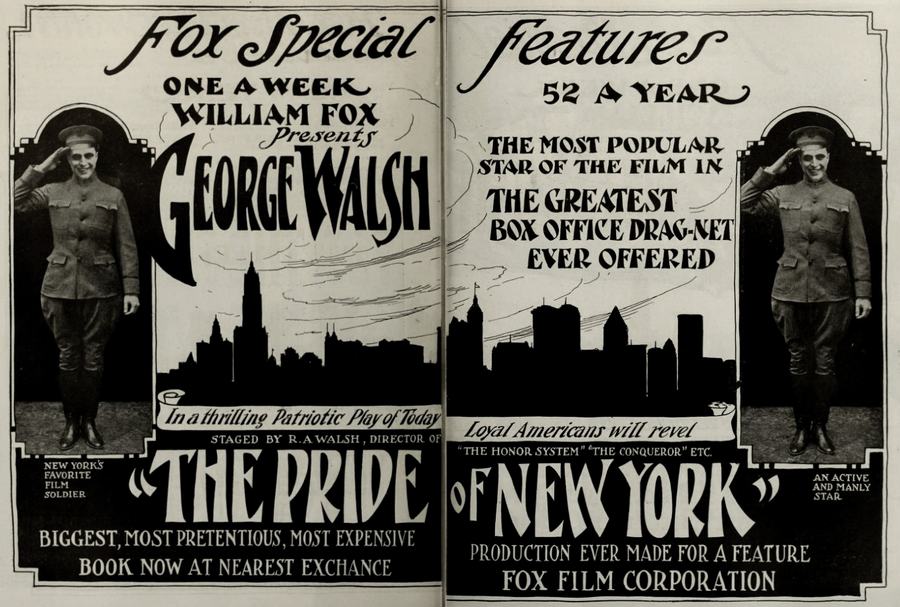
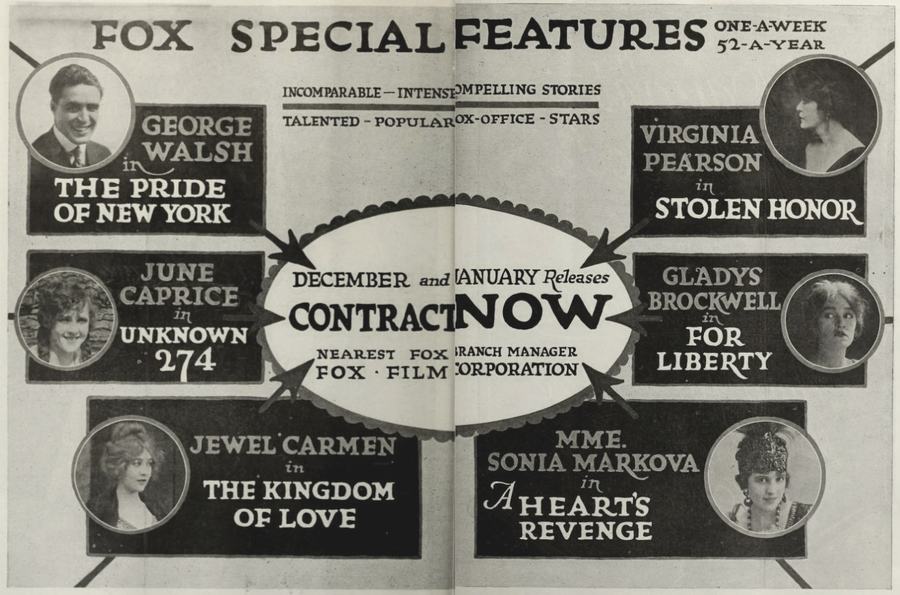
The performances in 'The Pride of New York' are, as expected for the silent era, often broad and expressive, relying heavily on pantomime and exaggerated facial expressions to convey emotion. George Walsh, as Jim Kelly, embodies the strapping, earnest hero with conviction. His physical presence and athletic prowess are undeniable, making his daring stunts believable and his character's heroism palpable. William Bailey, playing the ignoble Harold Whitley, skillfully portrays the character's snobbery and cowardice without resorting to caricature, making his transformation (or lack thereof) all the more impactful. Regina Quinn, as Mary, provides a strong, independent female lead, a refreshing departure from some of the more passive heroines of the period. Her ability to convey both indignation and compassion, strength and vulnerability, makes her character a compelling foil to both Jim and Harold.
Raoul Walsh's direction is robust and dynamic. Even in these early years, Walsh demonstrates a keen eye for action sequences and a knack for visual storytelling. The skyscraper scene, the training camp sequences, and especially the climactic chase and aerial escape, are all handled with a sense of urgency and excitement that belies the technical limitations of the time. Walsh understood how to use the camera to create momentum and immerse the audience in the narrative. His collaboration with writer Ralph Spence likely contributed to the tight plotting and clear thematic development. The film’s pacing is brisk, moving from one significant plot point to the next without lingering, maintaining audience engagement throughout its runtime. This kind of energetic pacing can be seen as a hallmark of early American adventure cinema, a style that would be further refined in later decades but was clearly present in works like this.
Beyond the thrilling plot, 'The Pride of New York' offers a rich tapestry of thematic elements. It's a powerful statement on the nature of true heroism, arguing that it stems not from birthright or social standing, but from an inner moral compass, courage, and a willingness to serve a cause greater than oneself. The film implicitly critiques the idle rich, suggesting that their privilege often comes at the cost of character and genuine contribution. In contrast, the working-class hero, Jim Kelly, embodies the virtues that the film champions: selflessness, bravery, ingenuity, and an unwavering commitment to justice. This narrative arc would have resonated deeply with an American audience grappling with the demands of wartime and a shifting social landscape, where traditional hierarchies were being challenged by the meritocracy of military service.
The film also touches upon the evolving role of women. Mary's journey from a fiancée rejecting a cowardly proposal to a Red Cross nurse on the front lines showcases a burgeoning sense of female agency and participation in national affairs. She is not merely an object of affection or a prize to be won, but an active participant in the moral and physical landscape of the war. This was a significant departure from more traditional portrayals of women in cinema, even if the ultimate resolution still placed her in need of rescue. Compare this to films like The Beautiful Adventure, which, while romantic, often centered female characters within more conventional domestic or romantic spheres.
Released in 1917, 'The Pride of New York' arrived at a crucial moment in American history, just as the nation was mobilizing for war. As such, it functions not only as entertainment but also as a piece of patriotic propaganda, designed to galvanize public support for the war effort and to define what it meant to be an American hero. The clear distinction between the valorous Jim and the craven Harold would have served as a moral lesson, encouraging young men to embrace their duty and reject self-serving impulses. The film, therefore, is an invaluable historical document, offering insight into the cultural attitudes and values of its time, particularly concerning masculinity, class, and national identity during wartime.
While perhaps not as widely remembered as some of Walsh's later masterpieces, 'The Pride of New York' stands as a compelling example of early American cinema's ability to blend thrilling action with resonant social commentary. It's a film that, despite its age and silent format, manages to convey a powerful message about courage, duty, and the enduring triumph of character over circumstance. For enthusiasts of silent film, military dramas, or simply anyone interested in the evolution of cinematic storytelling, 'The Pride of New York' offers a captivating glimpse into a pivotal moment in both film history and American history. Its narrative echoes can be felt in countless war films that followed, solidifying its place as an important, if often overlooked, piece of the cinematic puzzle. It reminds us that even in the absence of spoken dialogue, the power of visual storytelling and compelling character arcs can transcend time, offering insights that remain relevant even today. The film’s energetic pacing and clear moral compass also set it apart from some of the more melodramatic or contemplative silent features, giving it a timeless appeal that continues to engage viewers interested in the foundational elements of action cinema. It truly captures the spirit of an era, and the enduring appeal of a hero's journey, making it a film well worth revisiting.
IMDb 4.5
1920
Community
Log in to comment.