DbcultAccessing Vault...
7.7/10
Senior Film Conservator
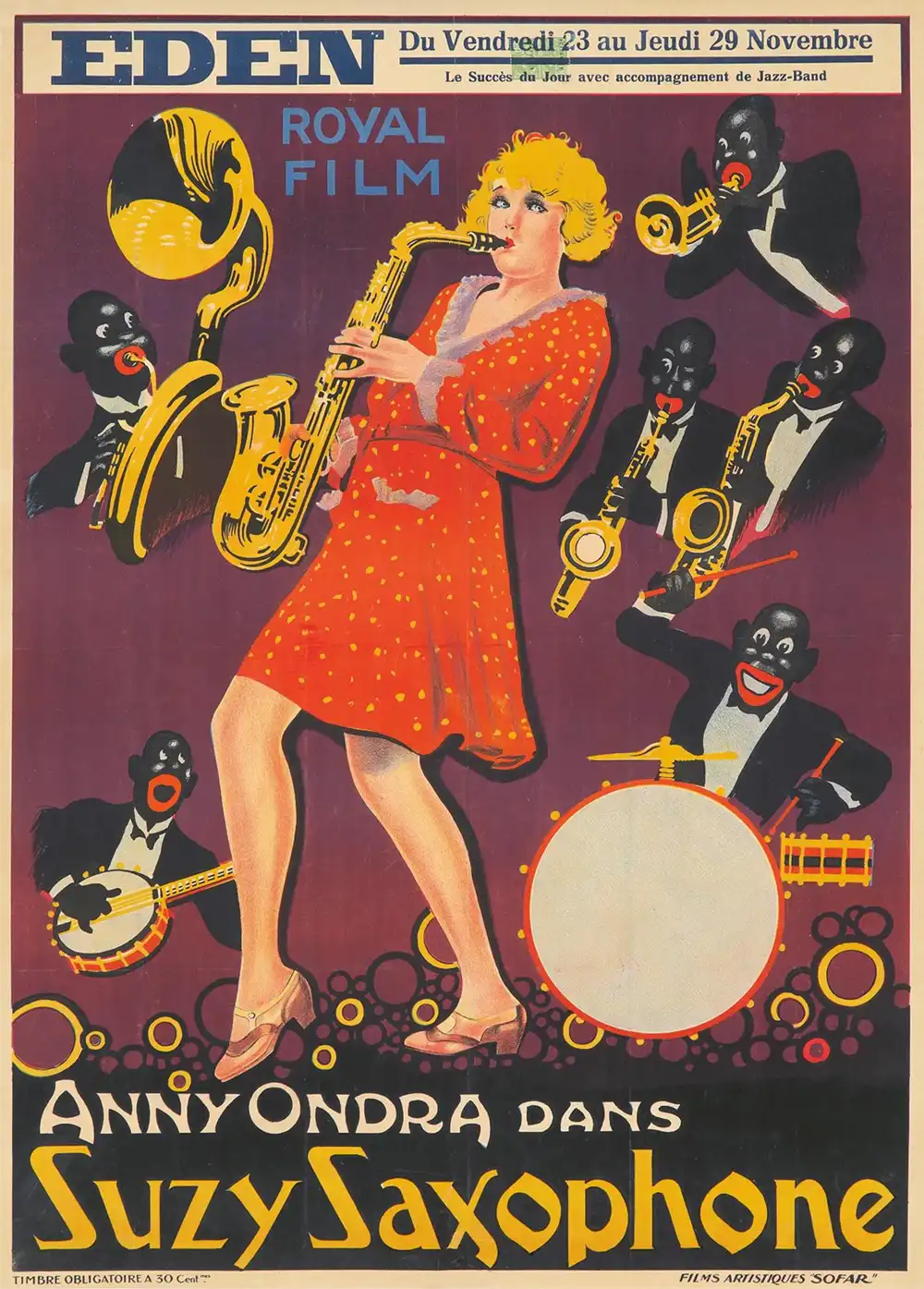
A definitive 7.7/10 rating for a film that redefined the boundaries of cult cinema. Saxophon-Susi remains a cornerstone of transgressive art.
If you are looking for a profound meditation on the European class structure, Saxophon-Susi will leave you wanting. However, if you want to see one of the most charismatic performers of the silent era at the height of her powers, this film is essential viewing. It is a fast-paced, often ridiculous farce that works primarily because of Anny Ondra’s relentless energy. It’s for anyone who enjoys the lighthearted social comedies of the era, like The Prince and Betty, but it will likely frustrate those who prefer their silent cinema to be heavy on expressionism and light on slapstick.
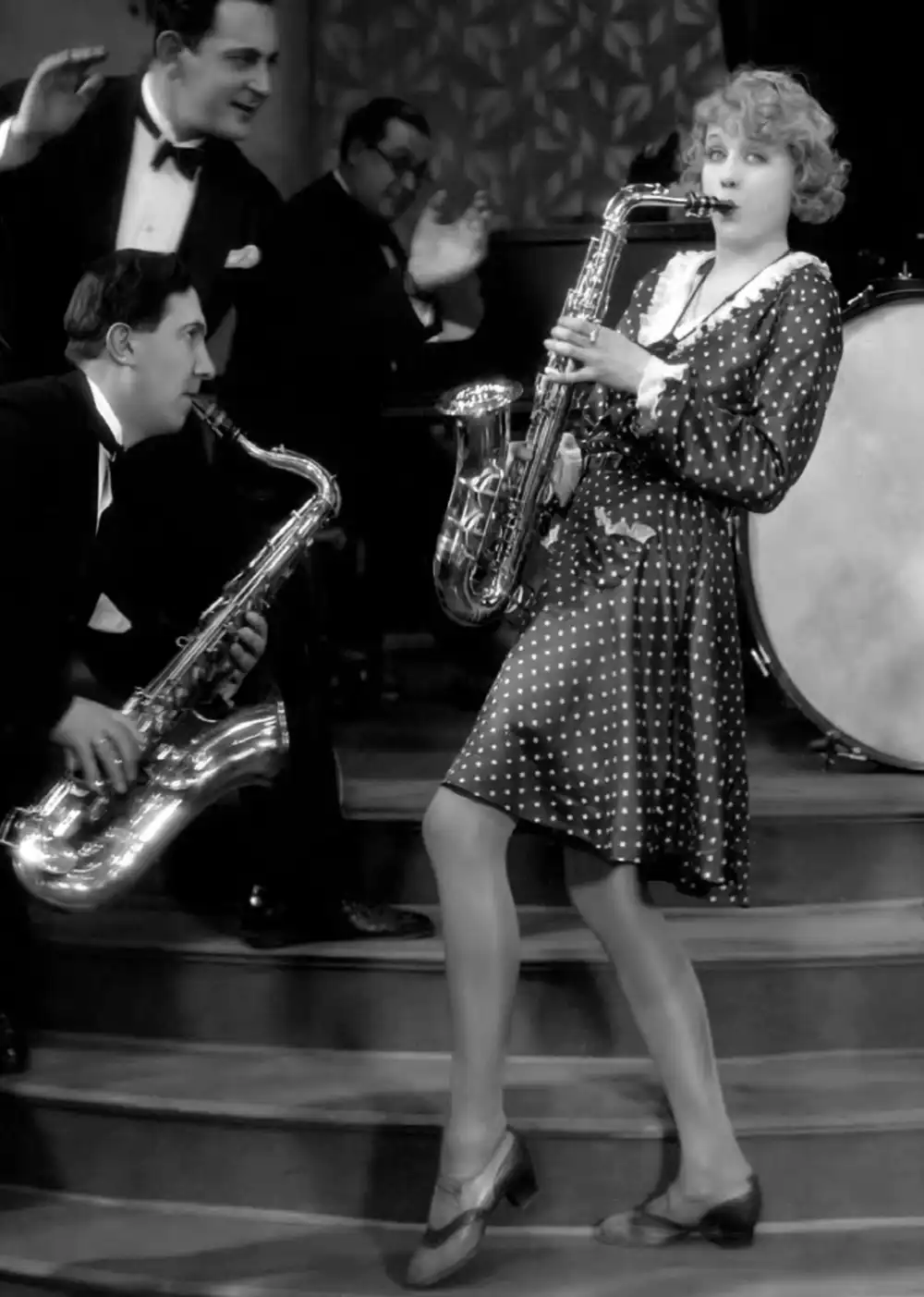
The film lives and dies by Anny Ondra. While many silent actresses of the late 20s were still leaning into the 'tragic waif' or 'vamp' archetypes, Ondra was doing something much more modern: she was a clown. In Saxophon-Susi, she plays Susi with a frantic, rubber-faced enthusiasm that feels closer to Lucille Ball than Lillian Gish.
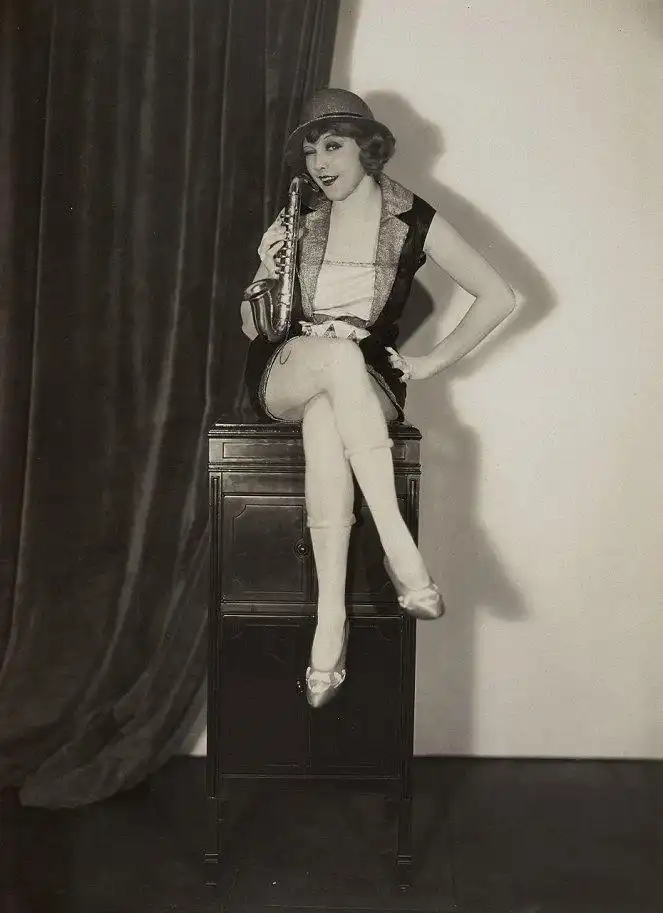
There is a specific scene early on where she is forced to sit through a formal dinner at her father’s castle. The way she fidgets with her silverware and mimics the stiff posture of the guests around her tells you everything you need to know about her character without a single intertitle. When she finally gets her hands on a saxophone, she doesn’t just play it; she wields it like a weapon of rebellion. Her physical comedy is precise—watch for the moment she tries to sneak out of the house and gets her dress caught in a doorframe; her reaction isn't one of dainty distress, but a genuine, frustrated scowl that feels surprisingly real.
Director Karel Lamač makes some very specific visual choices to distinguish between the two worlds of the film. The scenes at the Count’s estate are shot with static cameras and deep focus, emphasizing the cold, cavernous architecture that traps Susi. The lighting is flat and even, making the luxury look boring.
In contrast, the scenes in the London music halls and the cabaret are much more dynamic. The lighting becomes high-contrast, with shadows cutting across the dance floor. There’s a wonderful sequence involving the 'Susi Girls' (the dance troupe) where the editing rhythm picks up speed, mimicking the syncopation of the jazz music we can’t actually hear. It’s a stark contrast to the more deliberate, slower pacing found in films like Le lion des Mogols. Here, the camera is as restless as the protagonist.
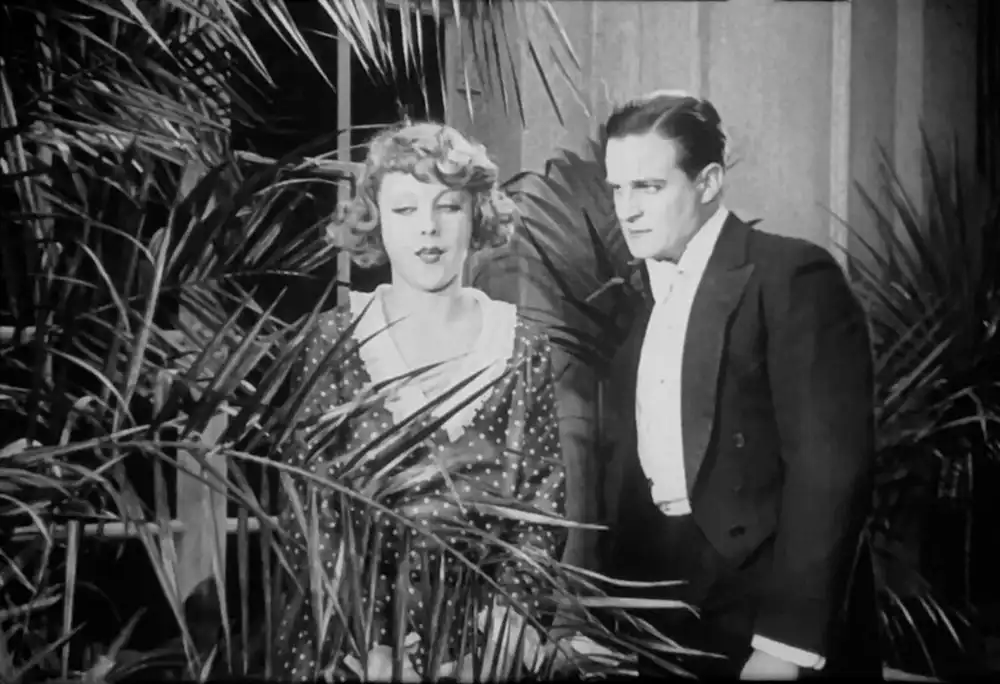
The film isn't without its stumbles. The middle act, which takes place largely at a girl’s finishing school, drags significantly. The 'identity swap' trope is a staple of farce, but the script spends a bit too much time on the 'fish out of water' jokes involving the showgirl trying to act like a countess. These moments feel a bit repetitive, and the schoolmistress characters are played with such broad, pantomime-style villainy that they stop being funny after the third or fourth encounter.
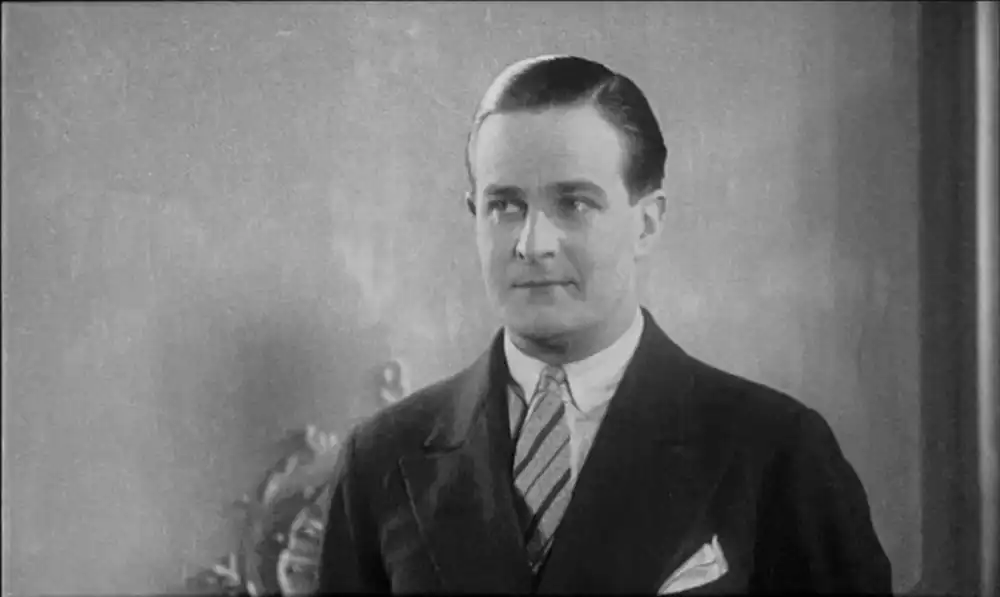
The romance between Susi and the young diplomat (played by Malcolm Tod) also feels a bit thin. Tod is handsome enough, but he lacks Ondra's spark. Their scenes together are the only moments where the film’s energy dips. He often stands with a stiff, wooden posture that makes you wonder what a fireball like Susi sees in him, other than his ability to facilitate the plot.
A notable highlight for fans of German cinema is the appearance of a young Hans Albers. Even in a relatively minor role, he commands the screen. There is a brief moment where he is backstage, leaning against a prop, and his effortless cool makes the rest of the male cast look like amateurs. It’s a reminder of why he became a massive star just a few years later; he has a naturalistic way of moving that was rare in 1928.
Saxophon-Susi is a loud film for a silent one. You can almost hear the brassy music and the clinking of glasses in the club scenes. While the plot is predictable and the secondary characters are mostly cardboard cutouts, the film succeeds as a showcase for Anny Ondra’s comedic timing.
Ultimately, it’s a charming artifact of the late silent period, catching that brief window before the talkies arrived and changed the grammar of comedy forever. It’s worth a watch if only to see a masterclass in how to carry a film with nothing but a saxophone and a very expressive face.
IMDb 6.3
1935
Community
Log in to comment.