DbcultAccessing Vault...
6/10
Senior Film Conservator
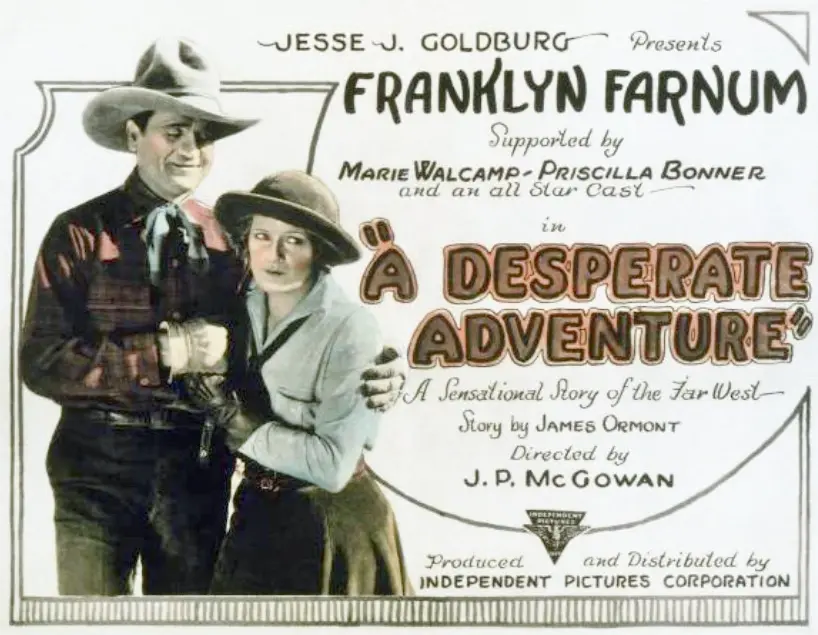
A definitive 6/10 rating for a film that redefined the boundaries of cult cinema. A Desperate Adventure remains a cornerstone of transgressive art.
There is a peculiar, almost haunting resonance in the way silent cinema captured the concept of the 'chase.' Without the crutch of synchronized dialogue, the burden of tension fell entirely upon the physicality of the actors and the rhythmic precision of the edit. J.P. McGowan’s 1924 effort, A Desperate Adventure, stands as a testament to this era of pure visual storytelling. While many modern audiences might view the plot—a Secret Service agent hunting the father of his beloved—as a relic of melodramatic convenience, a closer inspection reveals a sophisticated exploration of conflicting loyalties that feels surprisingly modern in its execution. Compared to the more abstract tensions found in The White Masks, McGowan’s work here is grounded in a visceral, earthy reality.
Franklyn Farnum, a stalwart of the silent screen whose versatility often went underappreciated, brings a rugged, brooding intensity to the role of the agent. His performance isn't merely about the stunts—though those are executed with a daring that would make modern CGI-reliant stars blush—it’s about the micro-expressions of a man caught between the gears of the state and the whispers of the heart. The narrative architecture, penned by James Ormont, avoids the simplistic 'hero vs. villain' dichotomy. Instead, it invites the viewer to empathize with the fugitive, a man whose criminality is shadowed by his role as a father, creating a narrative tension that rivals the international intrigue of Der Mann ohne Namen - 1. Der Millionendieb.
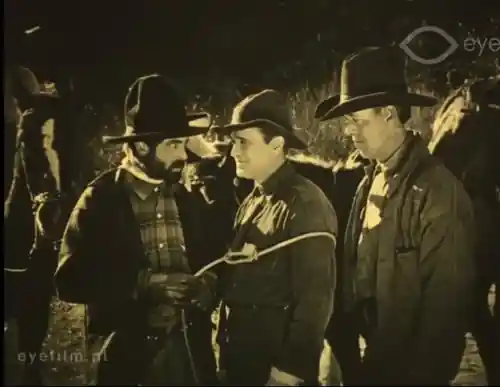
McGowan was a director who understood the geography of a scene. In A Desperate Adventure, he utilizes the frame not just to hold the actors, but to trap them. The chase sequences are not merely linear; they are claustrophobic, even when set in wide-open spaces. There is a sense of impending doom that mirrors the thematic weight found in The Honor of His House. Every frame feels deliberate, a far cry from the slapdash productions that often plagued the lower-budget 'Poverty Row' studios of the time. The cinematography captures the dust, the sweat, and the palpable anxiety of the hunt with a clarity that belies the film's age.
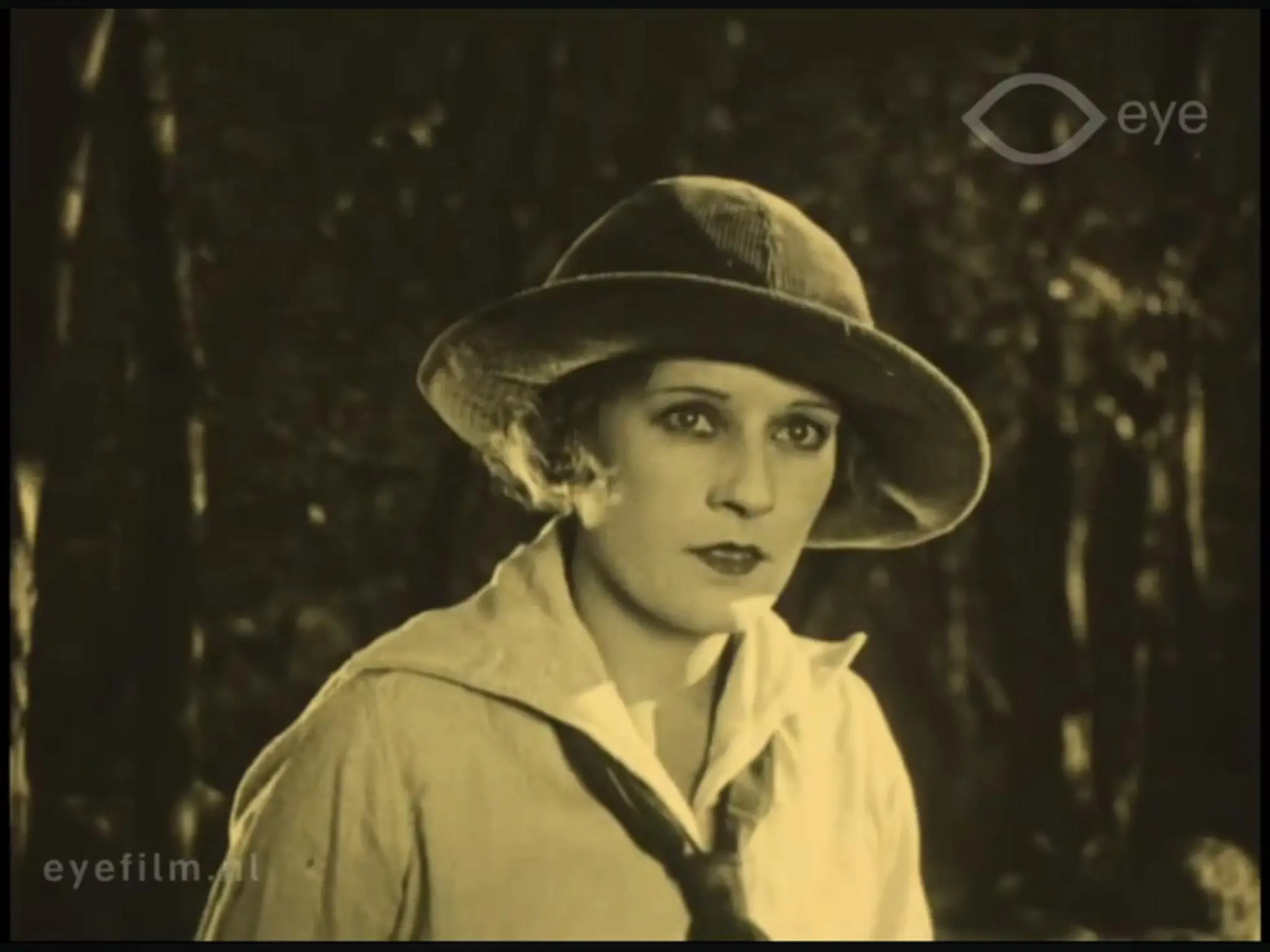
The supporting cast provides a sturdy foundation for Farnum’s lead. Priscilla Bonner, as the sweetheart caught in the crossfire, delivers a performance of remarkable restraint. In an era where 'damsel in distress' was the default setting, Bonner imbues her character with a quiet strength and a visible internal conflict. She isn't just a prize to be won; she is the emotional anchor of the film, reminding us of the human cost of the protagonist’s 'adventure.' Her presence elevates the film beyond a simple genre exercise, much like the nuanced character work in Alias Mary Brown.
At its core, A Desperate Adventure is a study in irony. The very skills that make the protagonist an exceptional agent—his tenacity, his observational prowess, his unwavering commitment to the law—are the very tools that threaten to destroy his personal happiness. This 'cruel fate' trope was a staple of 1920s cinema, yet Ormont’s script handles it with a level of sophistication that prevents it from feeling cloying. The film asks a difficult question: can one truly serve two masters? It’s a theme that resonates through the ages, appearing in various guises in films like The City of Masks, but rarely with the raw, unvarnished energy present here.
The pacing of the film is relentless. From the opening sequence, McGowan establishes a tempo that rarely falters. While some films of this period, like Winter Has Came, opt for a more contemplative, atmospheric approach, A Desperate Adventure is a machine built for momentum. The transitions between the high-octane pursuit and the intimate domestic scenes are handled with a surgical precision that keeps the audience off-balance, mirroring the protagonist's own disorientation as his professional and private lives collide.
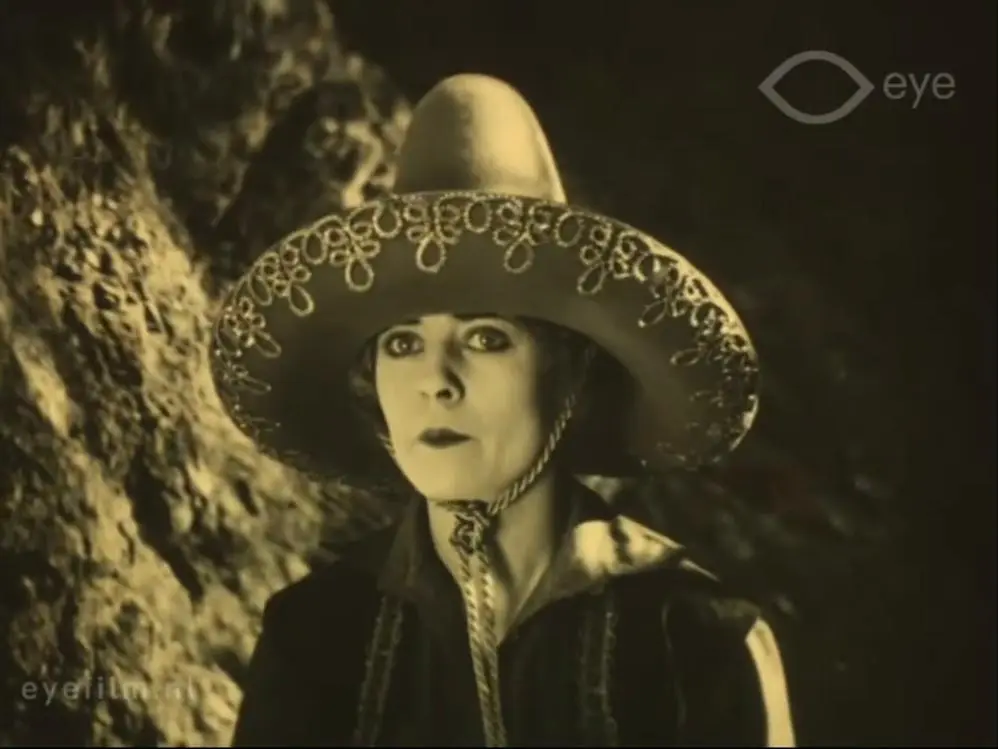
Technically, the film is a marvel of its time. The use of natural lighting in the outdoor sequences creates a stark, high-contrast look that emphasizes the moral 'black and white' of the law versus the 'gray' of human relationships. The editing, often attributed to McGowan himself, uses quick cuts to heighten the sense of danger during the film's climax. This was a period of great experimentation, and while it may not have the surrealist flourishes of La luz, tríptico de la vida moderna, its technical competence is undeniable. The film manages to communicate complex emotional states through visual shorthand—a lingering shot of a badge, a hesitant hand on a doorframe, the frantic galloping of a horse against a setting sun.
One cannot discuss this film without mentioning the work of Mack V. Wright and Slim Riley, who provide the necessary grit to the film’s underworld. Their performances add a layer of authenticity to the 'criminal' element that is often missing from more sanitized productions. They represent the 'desperate' side of the adventure, the harsh reality that the protagonist must confront. This groundedness is what separates the film from the more whimsical or comedic adventures of the era, such as Be a Little Sport or Somebody Lied.
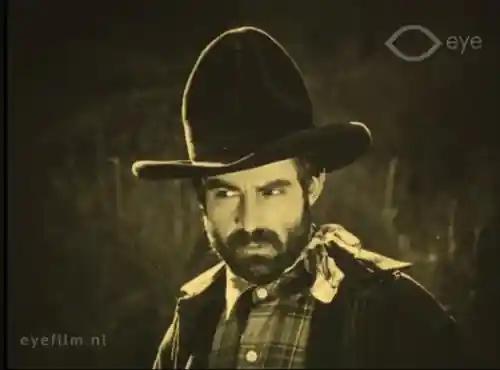
Why does a film like A Desperate Adventure matter today? In an age of over-explained plots and digital saturation, there is something profoundly refreshing about the economy of silent storytelling. It requires the viewer to be an active participant, to read the subtext in a glance and find the meaning in the movement. It belongs to a lineage of films that explored the American psyche during a time of rapid social change, standing alongside titles like The Torch Bearer and Queens Are Trumps in its attempt to define the 'hero' in an increasingly complex world.
The film also serves as a fascinating snapshot of the career of J.P. McGowan. Known as the 'Railroad Man' of the movies for his prolific work in action serials, McGowan’s ability to deliver high-quality entertainment on a limited budget is on full display here. He was a filmmaker who understood that the 'adventure' wasn't just about the external stakes, but the internal journey of the characters. This depth is what allows A Desperate Adventure to transcend its genre trappings. It isn't just a chase movie; it’s a meditation on the heavy price of duty.

While it may lack the international acclaim of some of its contemporaries, such as the Swedish charm of Boman på utställningen, A Desperate Adventure holds a unique place in the American silent canon. It represents the bridge between the simple morality plays of the early 1910s and the sophisticated noir-inflected thrillers that would emerge in the decades to follow. It is a film that rewards the patient viewer, offering a rich tapestry of emotion and action that remains surprisingly potent a century later.
In the final act, the film reaches a crescendo of emotional and physical tension that is masterfully orchestrated. The resolution, while satisfying the generic requirements of the time, leaves the audience with a lingering sense of the complexity of the human condition. It’s a far cry from the lightheartedness of Once a Mason or the sentimentalism of The Faded Flower. Instead, it leaves us in a space of moral ambiguity, reflecting on the 'desperate' choices we all must make when our worlds collide.
For those looking to explore the roots of the modern action-thriller, A Desperate Adventure is essential viewing. It reminds us that before there were explosions and high-tech gadgets, there were men and women, faces and landscapes, and the eternal struggle between what we owe the world and what we owe those we love. It is a stark, beautiful, and relentlessly entertaining piece of cinema history that deserves to be pulled from the shadows and celebrated for the craft and heart it displays.
Ultimately, the film succeeds because it never loses sight of its humanity. Even in the heat of the chase, McGowan finds moments of quietude—a shared look, a moment of hesitation—that ground the spectacle. It is this balance of the epic and the intimate that makes A Desperate Adventure a standout work of the mid-1920s, a film that continues to pulse with a desperate, vibrant energy that time has not been able to extinguish.
IMDb 6.6
1928
Community
Log in to comment.