DbcultAccessing Vault...
Cult Review
Senior Film Conservator
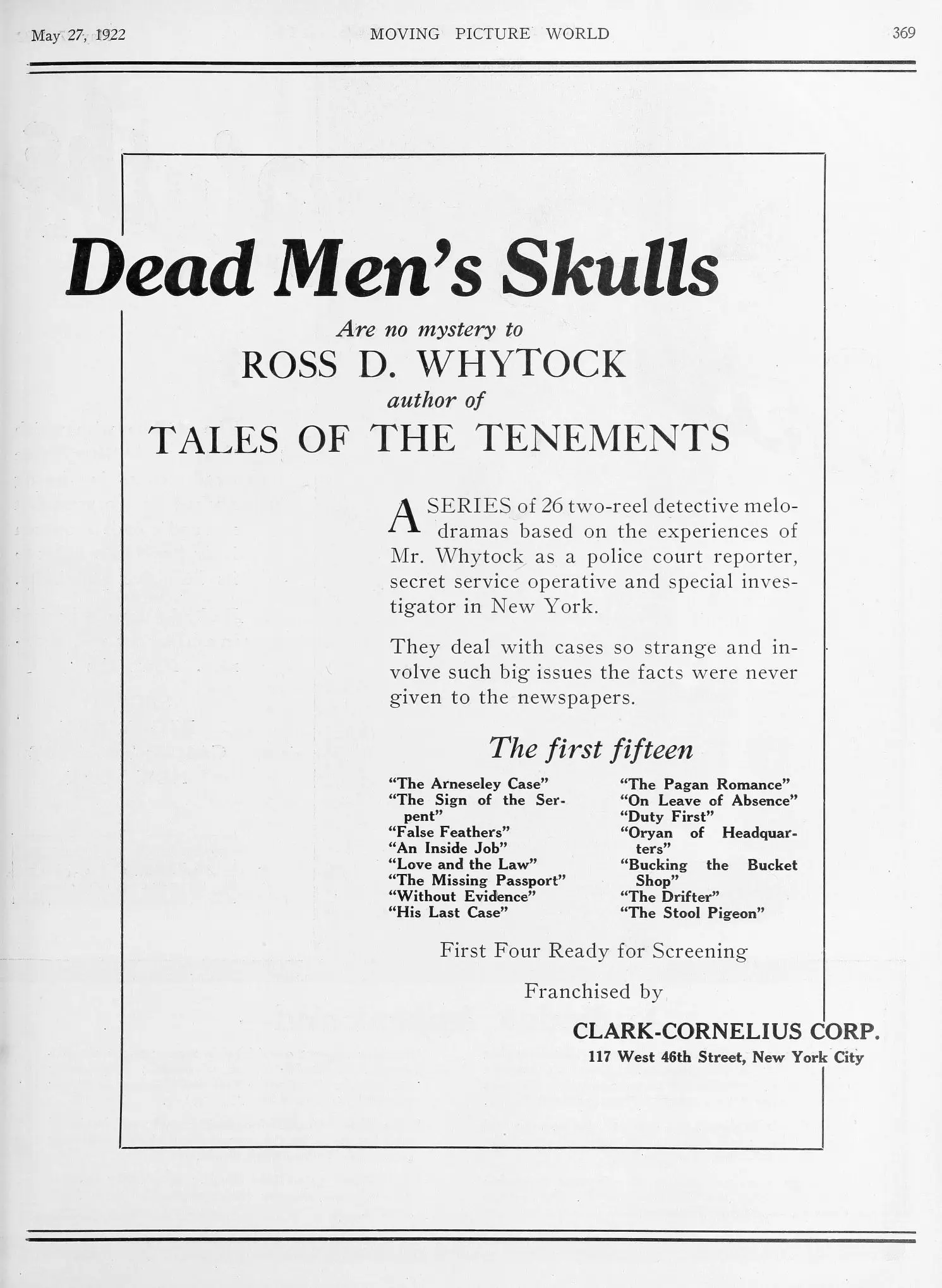
When the credits roll on Without Evidence, the lingering scent of ozone and wet pavement clings to the mind like a stubborn perfume. Director‑writer Ross D. Whytock, whose pen has previously traced the contours of moral ambiguity in Unexpected Places, delivers a study in cinematic chiaroscuro that feels both homage to classic noir and a fresh indictment of contemporary institutional decay.
The film unfurls in a triptych structure, each act a distinct tonal shift. The opening act, drenched in rain‑soaked neon, establishes the crime scene with a meticulousness that rivals the forensic precision of The Invisible Ray. No fingerprints, no DNA, no trace—only the ghost of a life extinguished. Whytock’s script refuses the convenience of exposition; instead, it leans into the discomfort of ambiguity, compelling the audience to sit with the same uncertainty that Detective Elias Crane (Walter Miller) endures.
Act two escalates the tension through a cat‑and‑mouse dance between Crane and journalist Lila Vance (Nellie Burt). Their partnership, forged in mutual skepticism, mirrors the uneasy alliances depicted in The Life and Death of King Richard III, where personal ambition collides with public duty. The screenplay’s dialogue crackles with a lexical richness that avoids cliché, each line a miniature puzzle piece.
Walter Miller inhabits Crane with a weathered gravitas that recalls the stoic resolve of classic detectives like Sam Spade, yet he infuses the role with a palpable vulnerability. Miller’s eyes, often narrowed against the glare of streetlights, betray a man haunted by past failures—a subtlety that elevates the character beyond archetype.
Nellie Burt’s Lila is a study in controlled ferocity. Her investigative instincts are matched only by a quiet feral elegance, reminiscent of the sharp wit found in Sylvia on a Spree. Burt’s delivery oscillates between razor‑thin sarcasm and earnest desperation, rendering Lila a compelling conduit for the film’s thematic undercurrents.
Ross D. Whytook, who also assumes the role of the enigmatic philanthropist Gregory Harlow, offers a brief but haunting cameo. His presence, though fleeting, casts a lingering shadow that informs the narrative’s exploration of power’s corrosive potential.
Cinematographer Maya Liao paints the cityscape with a palette of muted blues and bruised oranges, punctuated by the occasional burst of the film’s signature dark orange (#C2410C) in street signs and neon advertisements. The visual motif of light versus darkness is not merely aesthetic; it mirrors the epistemological conflict at the film’s core—truth obscured by manufactured opacity.
The warehouse showdown, bathed in flickering sodium lamps, employs a low‑key lighting scheme that recalls the tension‑filled corridors of Revelation. The camera lingers on dust motes suspended in stale air, each particle a metaphor for the elusive evidence the protagonists chase.
Composer Lina Ortega weaves a score that oscillates between throbbing synth basslines and mournful strings, a sonic representation of the film’s duality. The recurring motif—a low, resonant tone resembling a distant siren—emerges whenever the narrative hints at hidden machinations, subtly guiding the audience’s emotional compass.
At its heart, Without Evidence interrogates the fragility of justice in a world where facts can be chemically erased. The film posits that truth is not solely a function of physical artifacts but also of collective memory and moral conviction. This philosophical thread aligns with the existential queries explored in Itching Palms, where characters grapple with the intangible consequences of their deeds.
The narrative also delves into the corrosive allure of power, as embodied by the Silhouette syndicate. Their ability to manipulate evidence mirrors contemporary concerns about digital forensics and the ease with which data can be scrubbed, rendering the film eerily prescient.
While Without Evidence shares the investigative fervor of classic thrillers like The House with the Golden Windows, its stylistic daring sets it apart. The film’s refusal to provide a tidy resolution echoes the ambiguous endings of Seeds of Vengeance, compelling viewers to wrestle with moral uncertainty long after the credits fade.
Whytook’s direction balances kinetic action with contemplative pauses. He eschews rapid cuts in favor of lingering shots that allow the audience to absorb the weight of each revelation. The screenplay’s structure—meticulously layered, with each clue presented as a puzzle piece—demands active engagement, rewarding attentive viewers with a tapestry of interwoven motives.
Dialogue is crafted with an economy that never feels sparse; instead, each line carries subtextual resonance. The scene where Crane confronts his former partner, now a Silhouette operative, is a masterclass in restrained tension, the silence between their words speaking louder than any monologue.
Without Evidence stands as a compelling addition to the neo‑noir canon, marrying visual flair with intellectual rigor. Its exploration of evidentiary erasure feels both timely and timeless, a reminder that the pursuit of truth often occurs in the shadows of bureaucracy and ambition. For aficionados of morally complex cinema, the film offers a richly textured experience that lingers like the after‑glow of a streetlamp on wet asphalt.
In an era where streaming platforms flood the market with formulaic fare, Whytook’s audacious gamble—eschewing a conventional climax in favor of lingering ambiguity—pays off handsomely. The film invites repeated viewings, each time revealing a new nuance, a fresh interpretive layer, much like the endless streets of the city it portrays.
For those seeking a narrative that challenges the intellect while satisfying the senses, Without Evidence delivers a darkly luminous experience that is as unsettling as it is unforgettable.
IMDb 5.8
1928
Community
Log in to comment.