DbcultAccessing Vault...
Cult Review
Senior Film Conservator
Short answer: Yes, if you appreciate Westerns that prioritize character over plot. No, if you seek brisk storytelling or modern pacing.
This film works because it dares to let silence linger and lets its characters’ contradictions define the narrative. It fails because it underplays its own emotional stakes, resolving Haida’s fate with clinical detachment. You should watch it if you’re a student of early cinema’s visual language or a fan of morally gray protagonists.
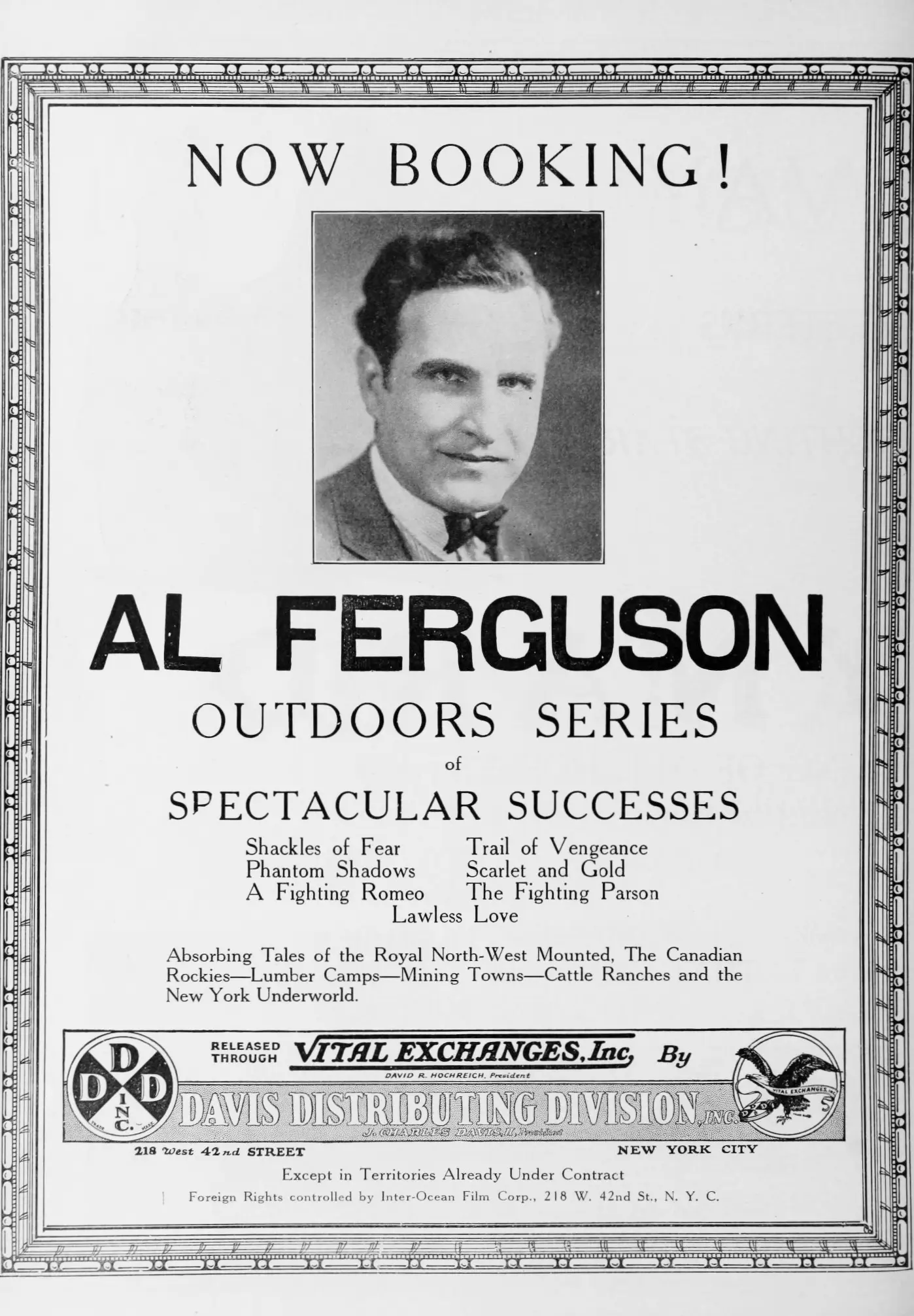
Al Ferguson’s Larry is a masterclass in restrained performance. His eyes—often shadowed by the wide-brimmed hat of the Mountie—betray more than his words ever do. In the scene where he first finds Haida (Lucille Du Bois) in childbirth, his body tenses like a coiled spring; the camera lingers on his clenched fists, a visual metaphor for his internal conflict. Du Bois, meanwhile, embodies a tragic duality: her stoic endurance of Larry’s indifference contrasts with fleeting moments of vulnerability, like when she gazes at the newborn, realizing her fate is tied to a man who sees her as an obligation.
Director Harry A. Pollard leans into the era’s theatricality but tempers it with naturalistic framing. A pivotal scene where Larry trails Black Logan through a forest is shot in long takes, mimicking the slow, inevitable march toward violence. The camera doesn’t judge; it simply watches, letting the audience piece together the moral cost of Larry’s pursuit.
The film’s cinematography (by William H. Daniels) is its quietest rebellion. Wide shots of the Canadian wilderness dwarf the characters, emphasizing their insignificance against nature’s indifference. In Haida’s suicide scene, the camera slowly zooms in on a river as she walks into it—water reflecting the sky’s muted grays—until her figure dissolves into the background. It’s a brutal visual cue: her death is rendered as a natural occurrence, not a tragedy.
The tone walks a tightrope between stoic realism and melodrama. When Larry finally kills Black Logan, the victory is undercut by the absence of any emotional release. The music swells, but the camera remains cold, a decision that feels jarring in an era accustomed to catharsis. It’s a choice that divides viewers: some call it daring, others call it emotionally sterile.
The film’s pacing is its most polarizing element. The first act drags under the weight of its own solemnity, with Larry’s internal monologues (delivered via intertitles) feeling like a distraction from the visceral acting. However, the second act gains momentum in the final chase sequence against Logan, where the editing quickens to a fever pitch. This tonal shift feels dissonant, but it mirrors Larry’s journey from inaction to decisive violence.
Themes of duty and sacrifice are explored with uncomfortable specificity. The marriage between Larry and Haida—a transactional arrangement meant to legitimize the child—is never framed as romantic. Instead, it’s a pragmatic contract, and the film’s refusal to romanticize this union is its boldest move. The tragedy lies not in Haida’s death but in the realization that Larry’s actions were never about her.
Pros:
Cons:
For cinephiles, yes. *Scarlet and Gold* is a curious artifact of pre-Code Hollywood, where moral complexity was presented without the crutch of tidy resolutions. But casual viewers may find it alienating—the film’s deliberate pacing and unresolved character arcs demand a level of patience rarely rewarded in modern cinema.
Its greatest strength is also its greatest weakness: the refusal to offer easy answers. Larry’s final marriage to Ruth feels less like a triumph and more like an escape, a detail the film never interrogates. That discomfort is part of its power.
This is not a film for everyone. But for those who appreciate its unflinching look at the cost of duty and the fragility of human connection, *Scarlet and Gold* is a masterclass in restraint. It works. But it’s flawed. Its legacy lies in its willingness to ask uncomfortable questions—and to let them linger without resolution.
IMDb 5.9
1929
Community
Log in to comment.