DbcultAccessing Vault...
6.4/10
Senior Film Conservator
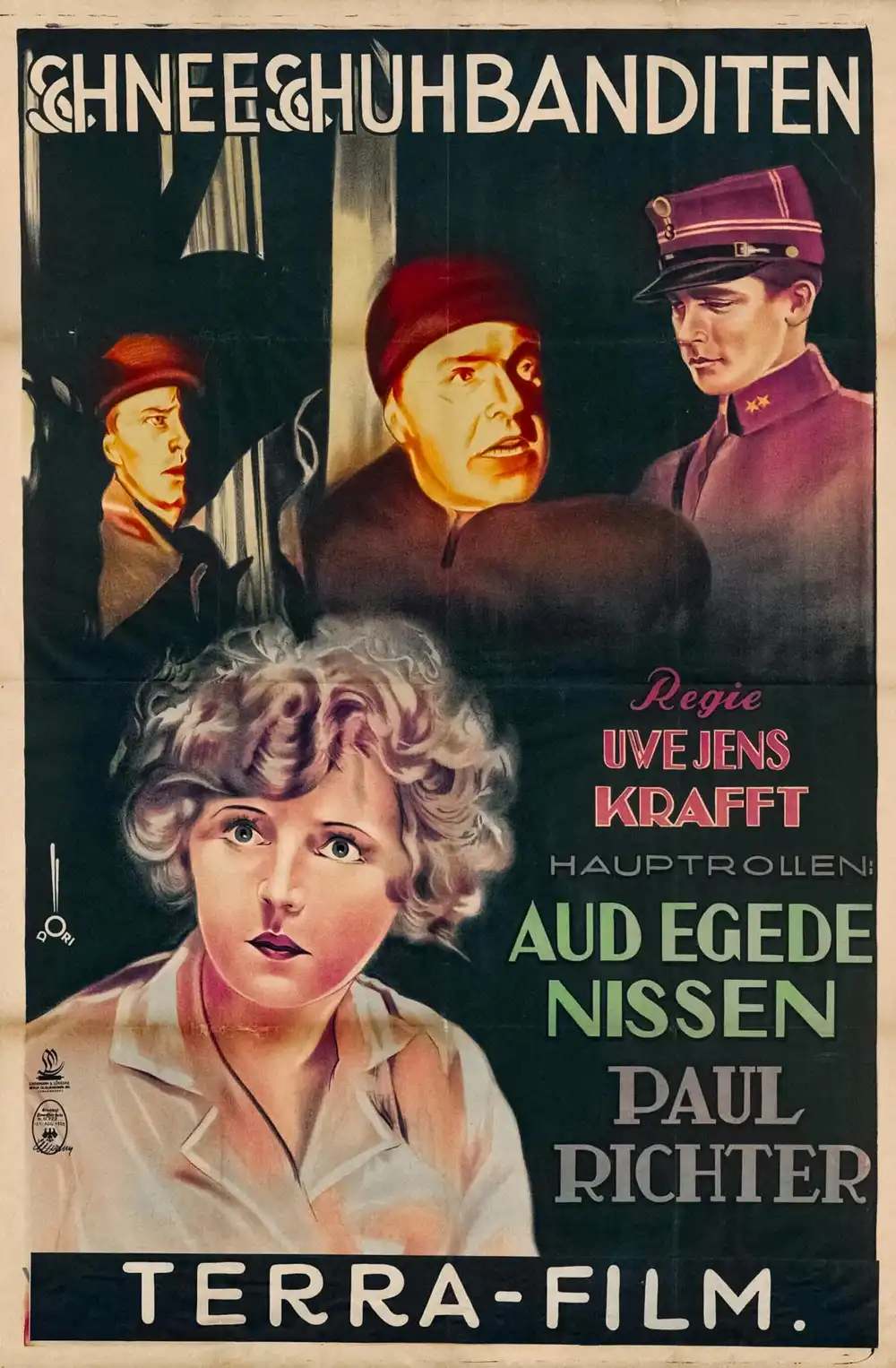
A definitive 6.4/10 rating for a film that redefined the boundaries of cult cinema. Schneeschuhbanditen remains a cornerstone of transgressive art.
If you are the type of person who enjoys watching 1920s athletes do things that would definitely result in a modern-day lawsuit, Schneeschuhbanditen is worth a look. It is a movie where the logic is as thin as the wooden planks they used for skis back then. If you need a plot that makes sense, you will probably hate this. But if you like seeing vintage winter gear and people making terrible life choices in the snow, it is a fun enough time.
The main guy, Tom, is a national ski jumper. We see him doing these jumps early on, and the camera stays on the landings for a beat too long every time. You are just waiting for his knees to explode. He wants to marry Grete, whose dad runs the state railways. To prove he is more than just a guy who flies through the air, he gets a job in the railway's PR department. His big 'brilliant' idea? Robbing the train at night. He thinks this will somehow promote the railway. The movie never quite explains why anyone thought a heist would make people want to buy more tickets. Tom just goes for it with this blank, confident expression that makes him look slightly deranged.
There is a scene in the train car where the lighting is actually pretty moody. The shadows of the window frames flicker across the seats as the train moves. It looks great. But then the 'bandits' show up on their snowshoes and the whole thing turns into a bit of a scramble. The snowshoes look incredibly clunky. Watching someone try to look menacing while waddling on giant tennis rackets is a specific kind of comedy that I do not think was intentional. The editing during the robbery is also a bit frantic—there is a cut to a reaction shot of a passenger that feels like it belongs in a completely different movie.
Grete is on the train, because of course she is. The way she and Tom interact is stiff, even for a silent film. It is that era of acting where every emotion requires a full-body workout. When she realizes it is Tom under the mask, she does this hand-to-forehead gesture that lasts about five seconds too long. It is not quite as bizarre as the vibes in The Hypnotic Violinist, but it is close. You can tell they were trying for high drama, but it just feels like two people who are very cold trying to remember their blocking.
The middle section drags quite a bit. There is a lot of footage of the train just moving through the mountains. It is nice if you like steam engines and snowy landscapes, I guess. The costumes are a highlight—everyone is wrapped in these heavy, itchy-looking wool coats. You can almost smell the wet wool through the screen. There is one extra in the background of the station scene who is wearing a hat so large it looks like it is trying to eat his head. I spent about three minutes just watching him instead of the main characters.
It is not a masterpiece, and it is certainly not as tight as The Master Mystery. It is a weird artifact. It feels like it was made by people who really loved the mountains and did not really care if the script held water. The ending feels rushed, like they were losing light or running out of film. Tom gets what he wants, but you are left wondering if Grete’s dad should really have a guy this impulsive running his marketing department.
The snow looks beautiful, though. There is a shot near the end where the sun hits the drifts just right, and for a second, you forget how stupid the plot is. Then someone waddles past on snowshoes again and ruins the moment.
IMDb —
1924
Community
Log in to comment.