DbcultAccessing Vault...
Cult Review
Senior Film Conservator
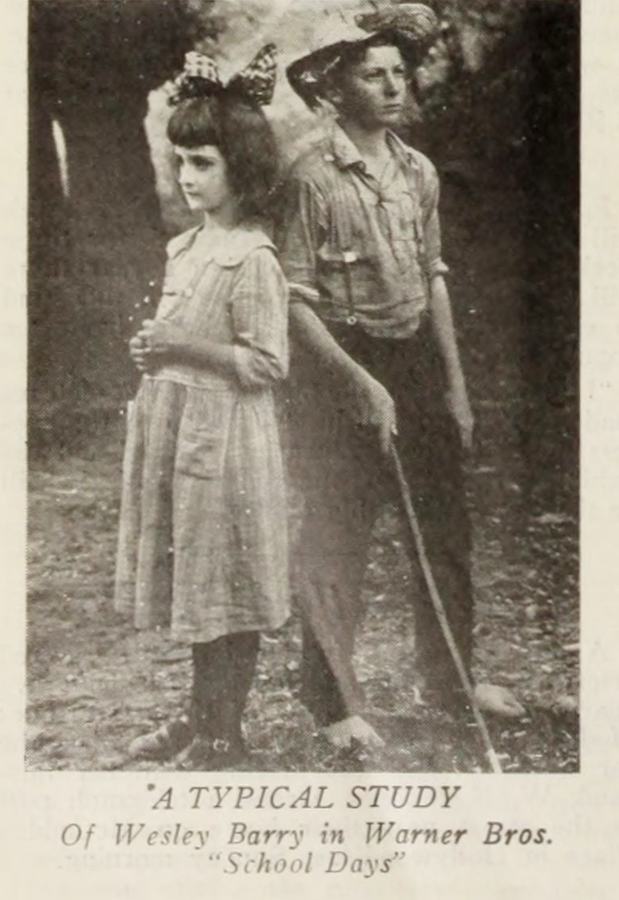
William Nigh’s School Days—not to be confused with any scholastic romp—unfurls like a celluloid fever dream stitched from corn-silk and gunpowder. The film’s very title drips with sardonic venom: the only classroom here is a chromium-plated purgatory where naïveté is flayed alive and the report card is written in bullet casings.
Frank Conlan’s protagonist, only ever called “the boy,” arrives via Grand Central with a cardboard valise and eyes the color of unfiltered sky. Nigh shoots his entrance through a fish-eye lens of commuters, so the lad appears to tumble from a threshing machine into a turbine. The director’s visual lexicon borrows the angular shadows of Caligari but swaps expressionist cardboard for the hard glitter of actual steel; every girderscape is a moral grid.
Cue Evelyn Sherman’s character, “the duchess,” a flapper siren whose cigarette holder is a slim exclamation point punctuating every sin. She first appears reflected in a shop-window crammed with Tiffany trinkets—her image superimposed over diamond chokers like a price tag on the sublime. One rooftop foxtrot later, the boy is hooked, lined, and sinkered into high society’s aquarium where the water is 90-proof.
George Lessey’s gambling kingpin, “the professor,” operates out of a subterranean pool hall wallpapered with greenbacks. Cue electric fan blades slicing the smoke into cubist wisps while Jerome Patrick’s jazz quartet murders a ragtime funeral march. The film’s tinting veers from amber opulence to arsenical green, as if the very celluloid were developing gangrene. When the boy loses the deed to his father’s farm on a single turn, the intertitle card burns red—literally hand-tinted with cochineal dye that seems to hemorrhage.
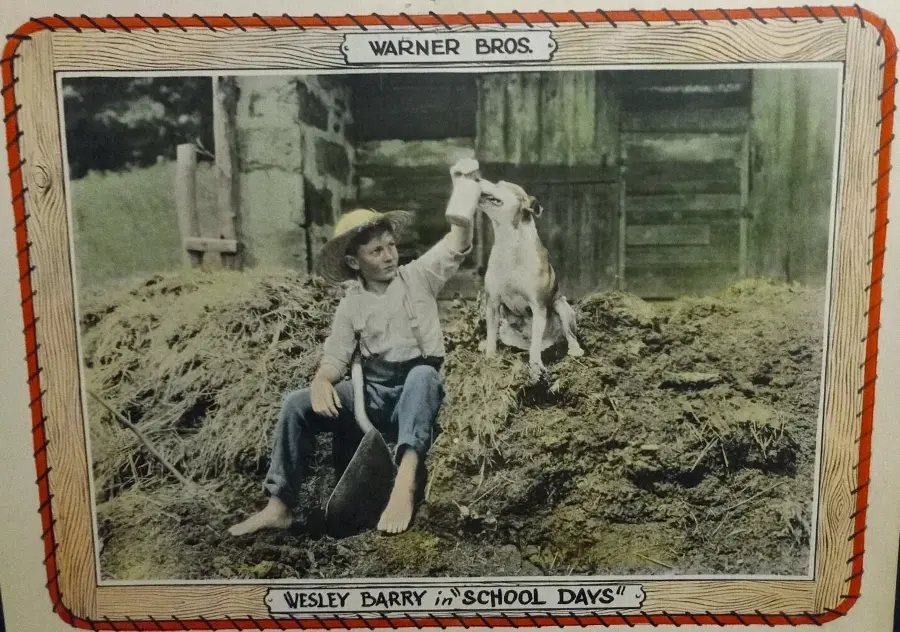
Yet what distinguishes School Days from other country-mouse-sees-vice tales like The Clodhopper is its refusal to moralize. Nigh and scribe Walter DeLeon offer no Salvation Army band at the finale, no dewy-eyed maiden waiting with a Bible and a slice of shoofly pie. Instead, the narrative spirals into a Möbius strip of self-consuming ambition: every step up the social ladder snaps a rung behind him.
Arline Blackburn’s morphine-addled poetess, a peripheral character on paper, becomes the film’s Cassandra. In a chiaroscuro stairwell she croons, “The city will gift you silk, then invoice you in skin.” Moments later she overdoses off-camera; we only glimpse her ruby pump protruding from a laundry chute, a single satin comma punctuating the sentence of her demise.
The camera technique is proto-noir before noir had a passport. Nigh mounts the Eyemo on a fire-escape for a vertiginous downward tilt as the boy scampers across 42nd Street, neon advertisements bleeding into the lens like stained-glass windows in a whorehouse. Compare this to the static tableaux of Forbidden Paths, and you see why critics of ’21 dubbed the picture “the first urban expressionist symphony.”
Performance-wise, Conlan oscillates between slack-jawed awe and feral desperation without the aid of spoken word—his cheekbones do the talking. Watch the way his pupils dilate when he first snorts cocaine off a compact mirror; the iris shot literally blooms open, as if the camera itself is inhaling. Meanwhile, Wesley Barry as the street urchin “Gutterbird” provides Dickensian comic relief, but even his pratfalls land on broken glass.
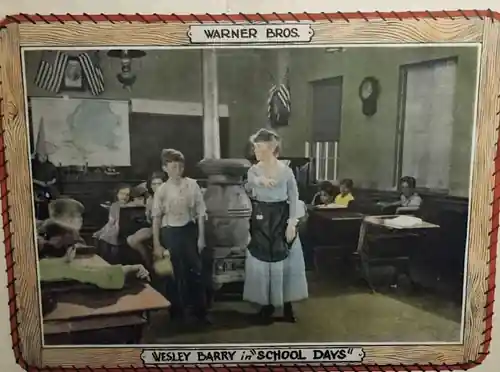
Composer (and uncredited co-writer) Hoey Lawlor supplements the silent reels with a cue sheet calling for sirens, temple blocks, and a muted cornet. At the premiere, synchronized stagehands released the scent of bourbon into the auditorium during the speakeasy scene—an early stab at 4DX gimmickry that had temperance unions picketing outside the Capitol Theatre.
Gender politics? Complicated. The duchess wields sexuality like a stiletto, yet her downfall is preordained by the Hays-adjacent ethos that the vamp must self-immolate. Nevertheless, Sherman’s performance radiates agency; she commands the frame even when reduced to pawn. In an abandoned subway tunnel she challenges the boy: “You came to conquer Babylon, but you can’t read its alphabet.” The line, delivered via intertitle, burns longer than any dialogue in Triste Crepúsculo.
Technical minutiae: cinematographer William Marshall (borrowing from German imports) layers scrims of gauze over the lens to halo the opium den sequences, creating halation reminiscent of later Wong Kar-wai. The 4K restoration by EyeFilmlab reveals cigarette burns previously masked by decades of dupe decay; each ember now glows like a cinder from Dante.
Curiosities abound: Hippy the Dog cameos as a seeing-eye terrier for a blind bootlegger, receiving star billing above human actors—proof that studio execs understood viral marketing ninety years before Twitter. And keep an eye out for author John Galsworthy’s fleeting cameo as a magistrate; he reportedly donated his salary to a home for “fallen women,” a meta-commentary on the plot he helped shape.
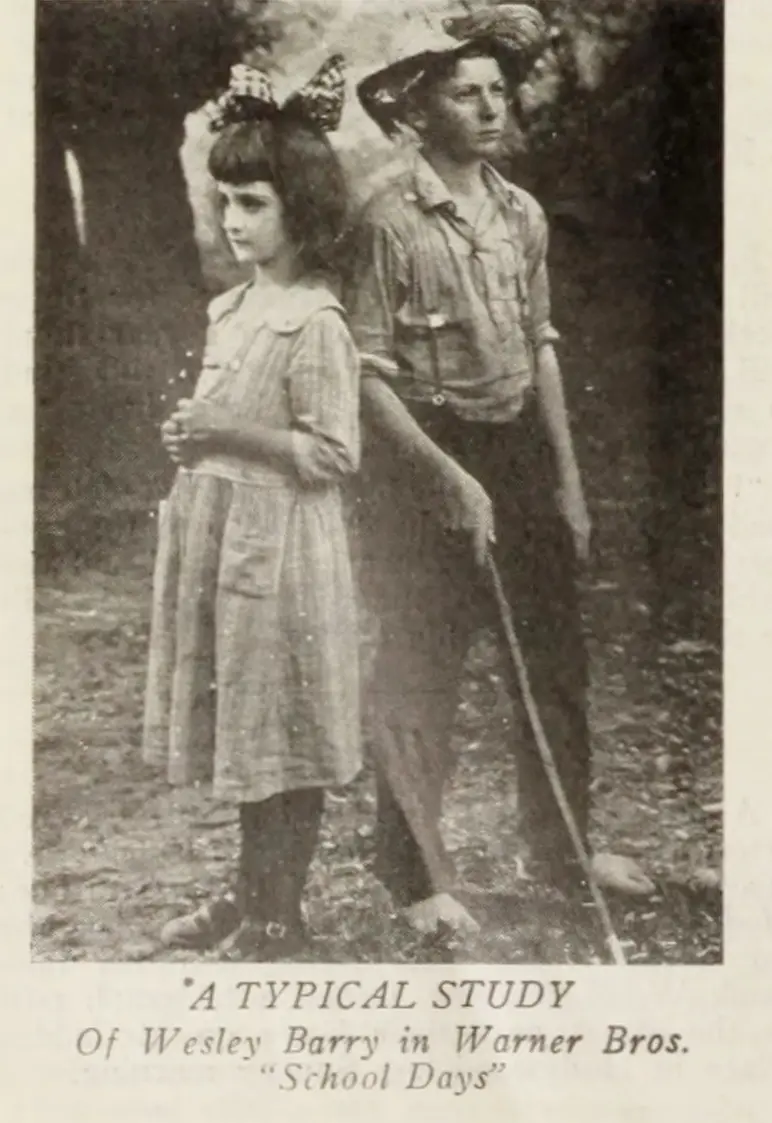
Thematic resonance? The film prefigures America’s boom-to-bust cycle, a jazz-age overture to the crash of ’29. Its moral vacuum echoes in Scorsese’s Wolf of Wall Street and in the Instagram bacchanals of modern influencers. When the boy finally staggers aboard an outbound elevated train at dawn, his reflection superimposed over the skyline resembles a ghost double-exposed on prosperity’s ledger.
Collectors note: the lone surviving 35mm nitrate print resides at the Library of Congress, vinegar-syndromed but salvageable. A crowdfunding campaign aims to strike a 16mm safety print for repertory circuits; pledge perks include a reproduction of the duchess’s onyx cigarette holder and a digital score by the Berklee Silent Film Ensemble.
Comparative litmus: where A Gutter Magdalene sentimentalizes redemption, School Days prefers the taste of battery acid. Its DNA mutates in The Gray Mask yet surpasses that pulp exercise in nihilistic chic. If you’re hunting for a lineage, trace the film’s footprints through von Sternberg’s Underworld to Jules Dassin’s Night and the City.
Final shot: the boy’s straw boater floats down the East River, caught in the wake of a garbage scow. Iris out. No “The End,” just the river’s black tongue lapping the brim. That refusal of closure is what cements School Days as a proto-noir cornerstone, a tarnished coin tossed into the fountain of American myth. Seek it out—before the last remaining print dissolves into the same murky water.
IMDb 5.7
1928
Community
Log in to comment.