DbcultAccessing Vault...
6.2/10
Senior Film Conservator
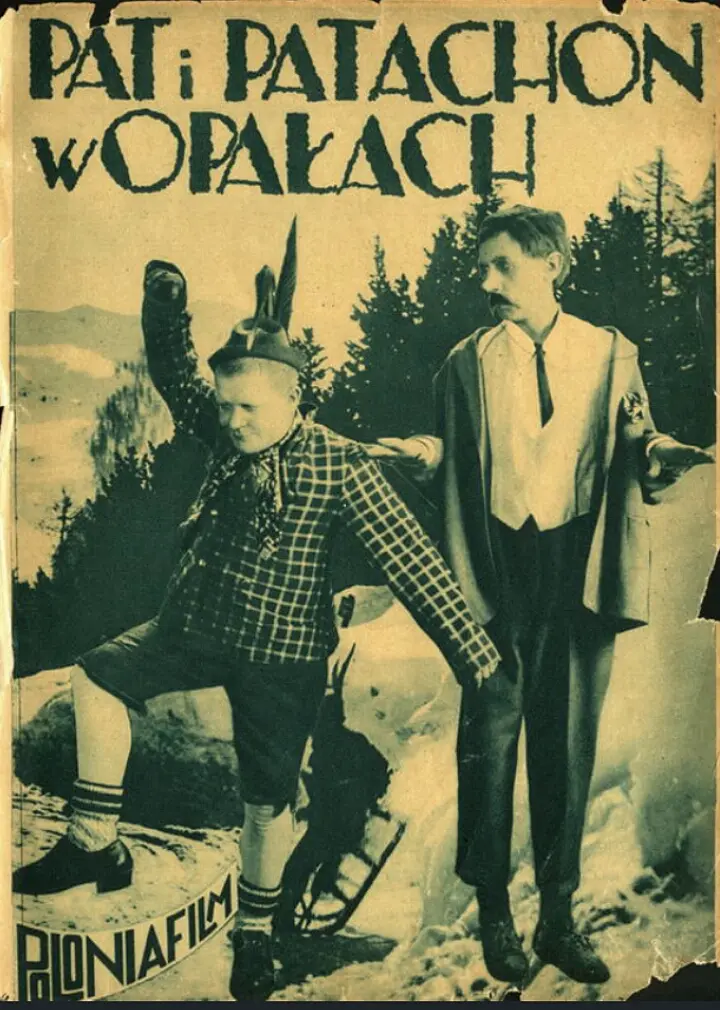
A definitive 6.2/10 rating for a film that redefined the boundaries of cult cinema. Schwiegersöhne remains a cornerstone of transgressive art.
Is "Schwiegersöhne" worth watching today? Short answer: absolutely, but with a clear understanding of its historical context and comedic sensibilities.
This film is a delightful discovery for aficionados of early European cinema and physical comedy, yet it might prove a challenging watch for those accustomed to modern narrative pacing and sophisticated humor.
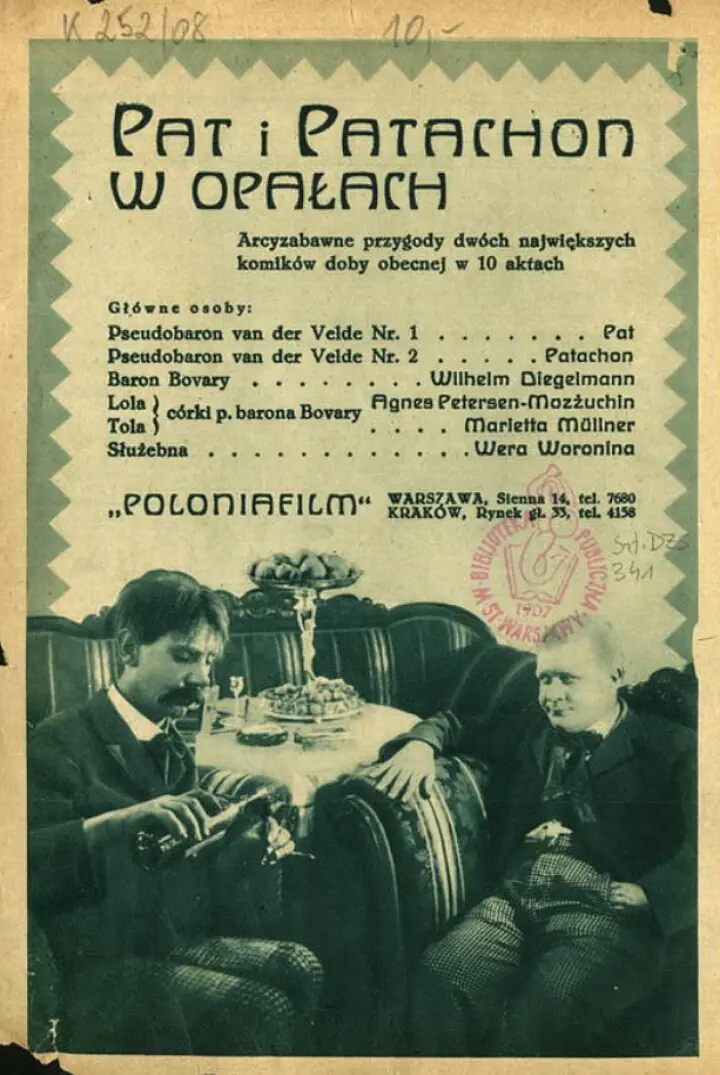
"Schwiegersöhne," a rarely discussed gem from early German cinema, offers a fascinating glimpse into the comedic landscape of its era. Directed by Hans Steinhoff and penned by Ida Jenbach and Steinhoff, this film brings together a vibrant ensemble, most notably the Danish comedic titans, Harald Madsen and Carl Schenstrøm, better known as Pat & Patachon. Their presence alone signals a particular brand of humor: broad, physical, and universally appealing, even across language barriers.
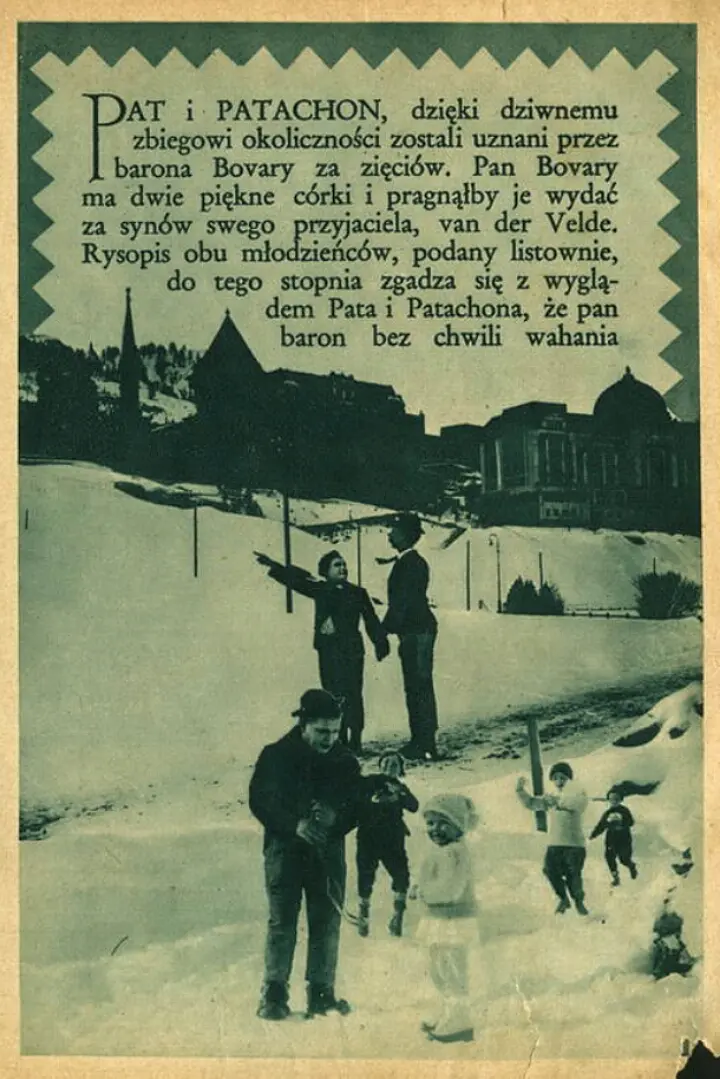
The film's premise, while straightforward, serves as a robust framework for a series of escalating comedic set pieces. It’s a testament to the enduring appeal of domestic squabbles and the timeless quest for validation within a family unit. The central conflict, a patriarch's attempt to discern the true character of his sons-in-law, resonates even now, albeit through a distinctly period lens.
This film works because: Its core comedic premise, built around the clash of personalities and the universal theme of familial expectations, transcends its era, amplified by the unparalleled physical comedy of its lead duo.
This film fails because: Its pacing can feel deliberate, even ponderous, to a contemporary audience, and certain comedic tropes, while groundbreaking for their time, have since become clichés.
You should watch it if: You have an appreciation for silent or early sound era cinema, enjoy broad physical humor, or are curious about the foundations of European slapstick comedy.
At its heart, "Schwiegersöhne" is a study in contrasts. Herr Klein, the beleaguered head of the household, attempts to impose order on his chaotic domestic life. His two daughters have chosen husbands who could not be more different. One is a hapless, well-meaning fellow (Schenstrøm) paired with a perpetually anxious sidekick (Madsen) – a dynamic familiar to fans of Pat & Patachon. Their every attempt at competence devolves into charming ineptitude.
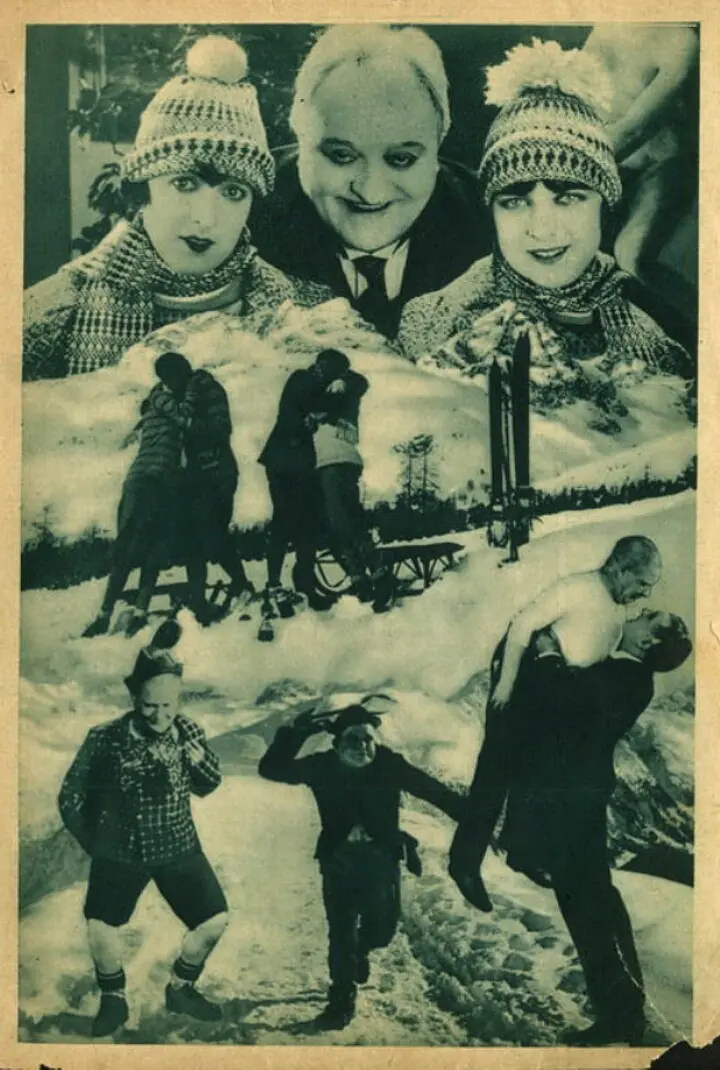
On the other side stands a more conventional, perhaps even sly, son-in-law, played with a subtle smirk by Oskar Sima. He represents the seemingly more successful, socially adept individual, whose polish often masks a deeper self-interest. The narrative cleverly pits these two archetypes against each other, not in direct antagonism, but through Herr Klein's well-intentioned, yet disastrous, tests.
One particular sequence, likely involving a household repair or a business venture, exemplifies this. While Sima's character might present a meticulously planned, albeit ultimately flawed, solution, the duo of Schenstrøm and Madsen would undoubtedly turn a simple task like fixing a leaky faucet into a deluge, a cascade of pipes, and a general state of watery disarray. This physical humor, often relying on prop comedy and exaggerated reactions, is the film's undeniable strength.
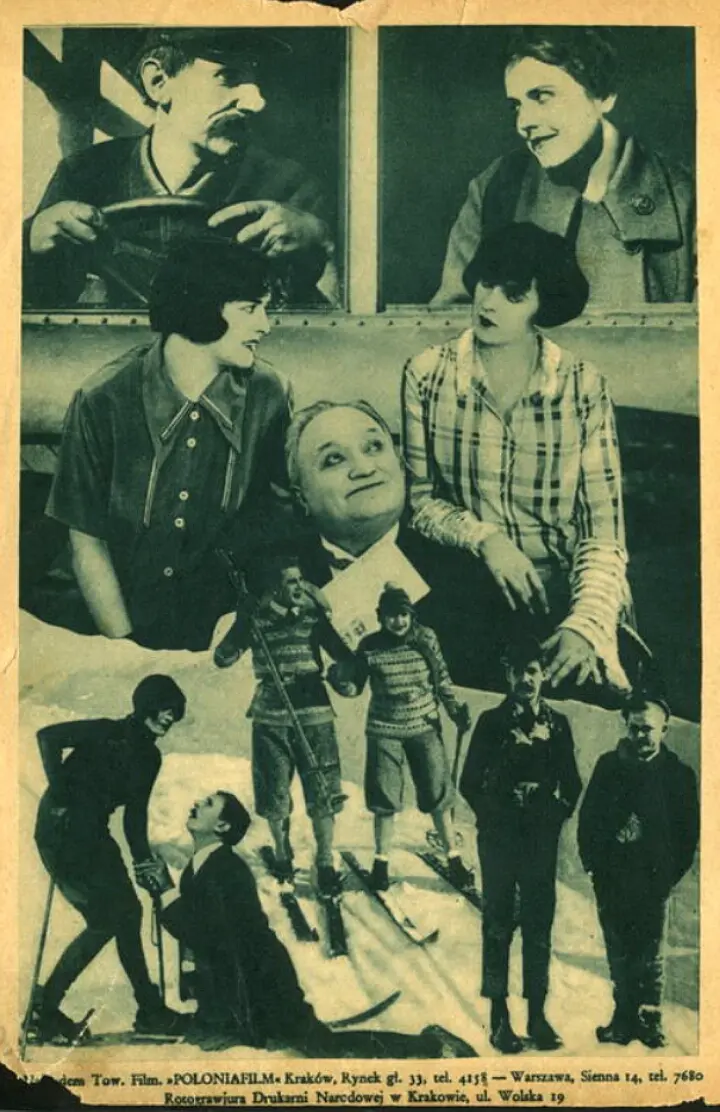
The casting of Harald Madsen and Carl Schenstrøm (Pat & Patachon) is a stroke of genius, immediately anchoring the film in a tradition of beloved European slapstick. Schenstrøm, with his lanky frame and perpetually bewildered expression, perfectly embodies the hapless Everyman. Madsen, his shorter, stouter counterpart, provides the grounding, often exasperated, foil. Their timing is impeccable, a result of years perfecting their craft on stage and screen.
Consider, for instance, a scene where they attempt to impress Herr Klein with their culinary skills. Schenstrøm might comically misinterpret a recipe, leading to an explosion of flour, while Madsen tries desperately to salvage the situation, only to get tangled in a tablecloth. It’s simple. It works. But it’s flawed in its predictability.
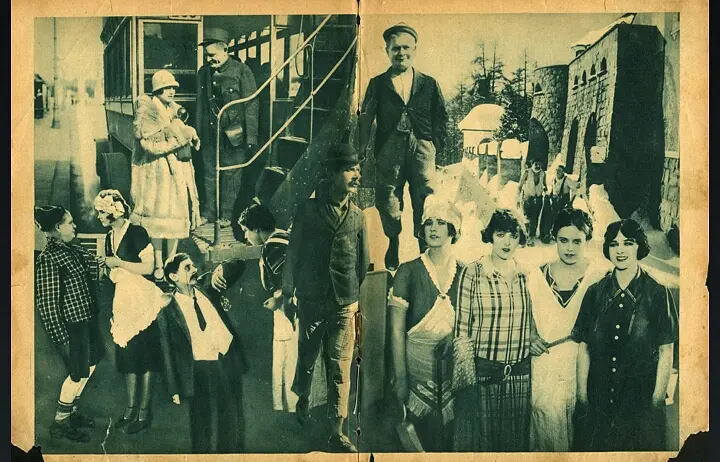
In stark contrast, Oskar Sima’s portrayal of the more cunning son-in-law is a masterclass in understated villainy. He doesn't resort to overt gags but rather to subtle gestures and knowing glances. Vera Voronina and Gisela Günther, as the daughters, navigate this comedic landscape with grace, providing the emotional anchors and often the bewildered reactions to their husbands' antics.
Wilhelm Diegelmann as Herr Klein grounds the entire affair with a performance that vacillates between exasperation and genuine affection. His reactions are key to making the absurdities feel relatable. The ensemble's chemistry, even with such disparate acting styles, holds the film together, preventing it from devolving into mere sketch comedy.
Hans Steinhoff’s direction, while perhaps not as groundbreaking as some of his contemporaries, is effective in maximizing the comedic potential of his cast. The camera often favors wider shots, allowing the physical comedy of Pat & Patachon to unfold fully within the frame, reminiscent of early Chaplin or Keaton shorts. Close-ups are reserved for reactions, particularly Herr Klein's mounting frustration or the daughters' worried expressions.
The pacing is deliberate, allowing gags to build and breathe, a characteristic of silent and early sound films. This might feel slow to modern viewers accustomed to rapid-fire editing, but it permits a deeper appreciation for the performers' craft. The use of intertitles, if it is a silent film, would have been crucial for conveying dialogue and internal thoughts, adding another layer to the narrative.
The set design, likely depicting a comfortable, if slightly old-fashioned, bourgeois household, contributes to the film's charm. It provides a believable backdrop for the domestic chaos, contrasting the elegance of the setting with the unruly behavior within. The visual storytelling, even without elaborate special effects, is clear and engaging, a testament to the era's focus on composition and performance.
The tone of "Schwiegersöhne" is undeniably lighthearted, a gentle comedy that pokes fun at human foibles rather than delving into harsh satire. There's a warmth to its humor, even when characters are at their most exasperating. This geniality is a significant part of its charm and why it remains watchable, though it undeniably lacks the biting social commentary found in some more adventurous films of the period, such as The Dangerous Age.
Pacing is the film’s most significant hurdle for a modern audience. Gags are extended, and scenes linger, which can test the patience of viewers accustomed to quicker narrative resolutions. However, this deliberate speed also allows for a deeper appreciation of the comedic build-up, giving each physical bit its due. It's a different rhythm, one that rewards patience.
Its lasting resonance lies in its effective use of universal comedic tropes: the fish out of water, the well-intentioned blunder, the clash of personalities, and the enduring challenge of familial harmony. While not a groundbreaking narrative, it's a solid execution of a classic comedic formula, elevated by its charismatic leads.
For those with an interest in film history, particularly the development of European comedy, "Schwiegersöhne" is absolutely worth seeking out. It offers valuable insights into the comedic sensibilities of the early 20th century and showcases the considerable talents of its cast.
However, it's crucial to approach it with the right expectations. This is not a film designed for a modern, fast-paced viewing experience. Its humor is broad, its pacing measured, and its themes, while universal, are explored with a quaintness that might feel dated to some.
It's best viewed as a historical artifact that still delivers genuine laughs. Think of it less as a contemporary blockbuster and more as an engaging piece of cinematic archaeology, revealing the foundations upon which much of modern comedy was built.
"Schwiegersöhne" is not a film that will redefine your understanding of cinema, nor will it likely top anyone's list of all-time greats. However, to dismiss it would be a mistake. It is a charming, often genuinely funny, piece of early European cinema that deserves recognition for its enduring comedic spirit. The film is a delightful time capsule, showcasing a foundational style of humor that continues to influence comedy today. While its slow burn might deter some, those who lean into its rhythm will find themselves rewarded with hearty laughs and a warm, nostalgic embrace of simpler storytelling. It’s a film that reminds us that sometimes, the most effective comedy is found in the simplest, most relatable human predicaments. Dive in, but adjust your internal clock first. You might just find yourself surprised by how much you enjoy the company of these bumbling sons-in-law.
IMDb 6.5
1932
Community
Log in to comment.