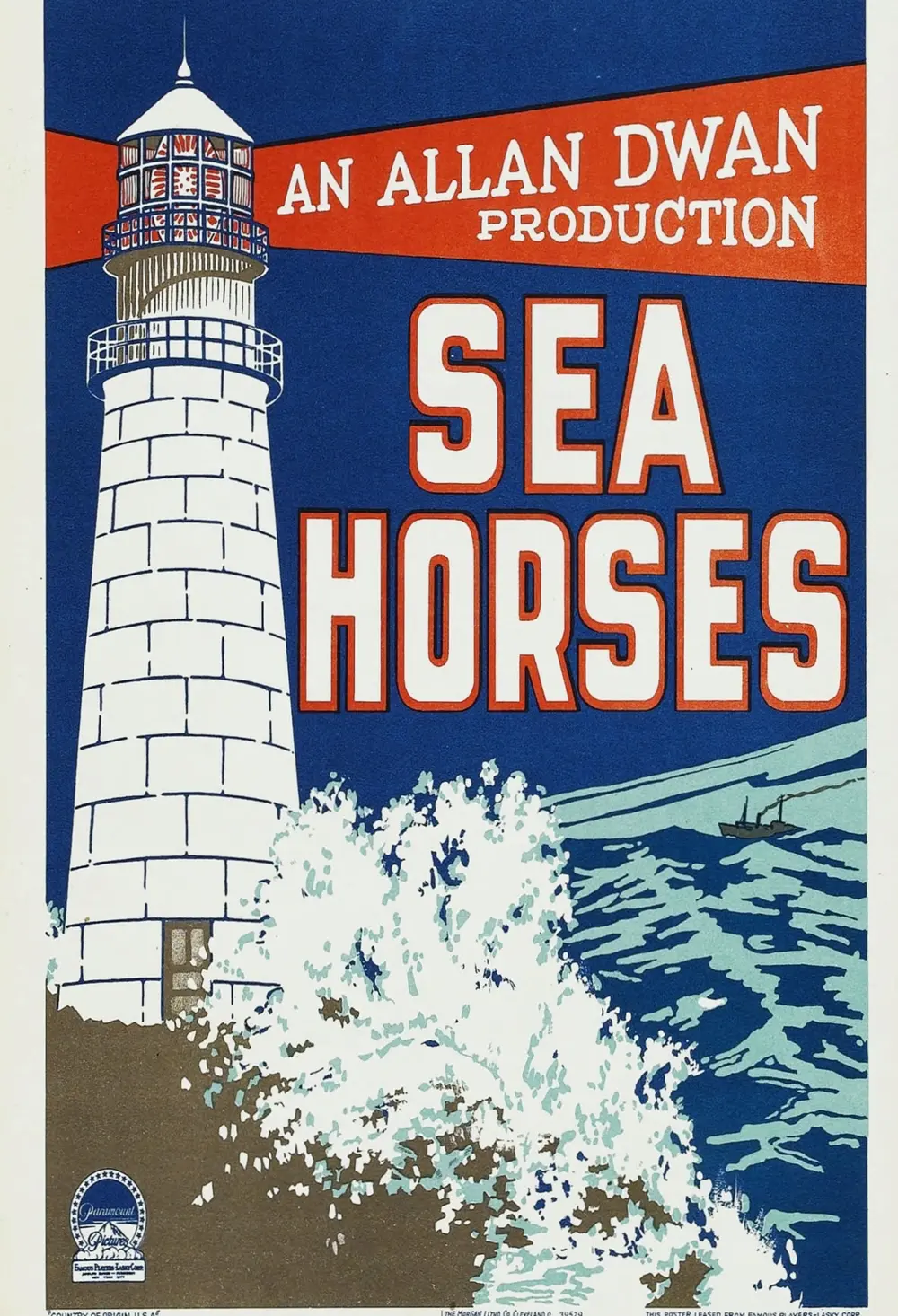
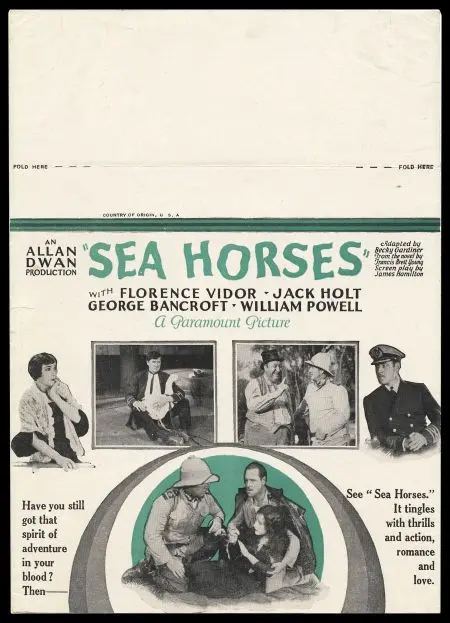
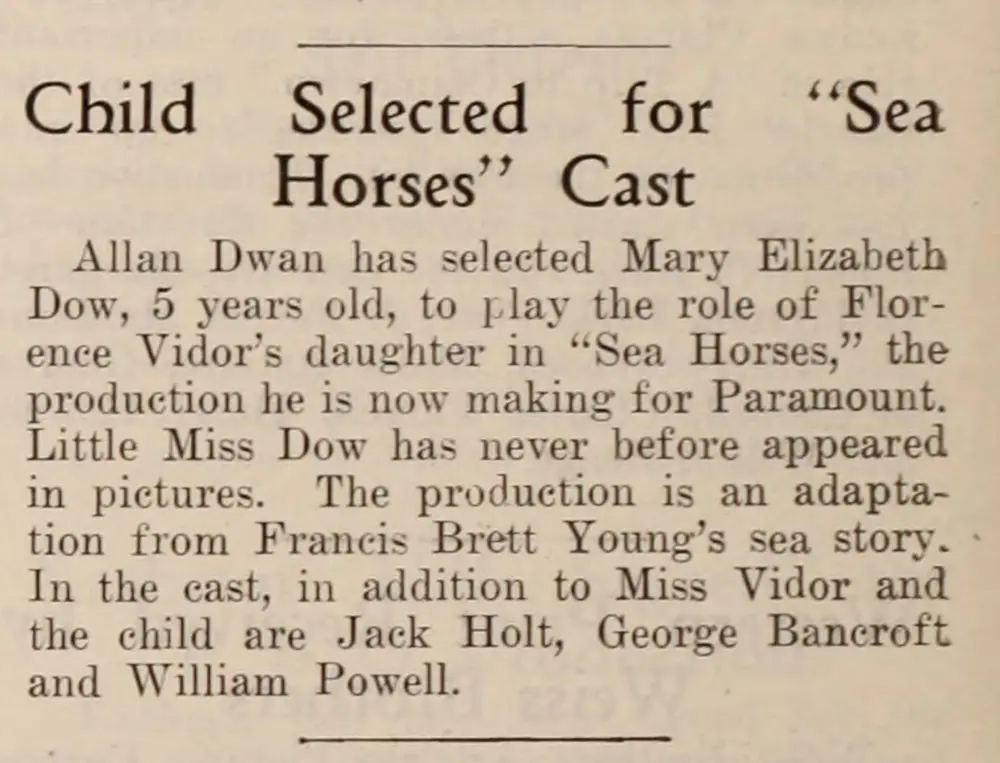
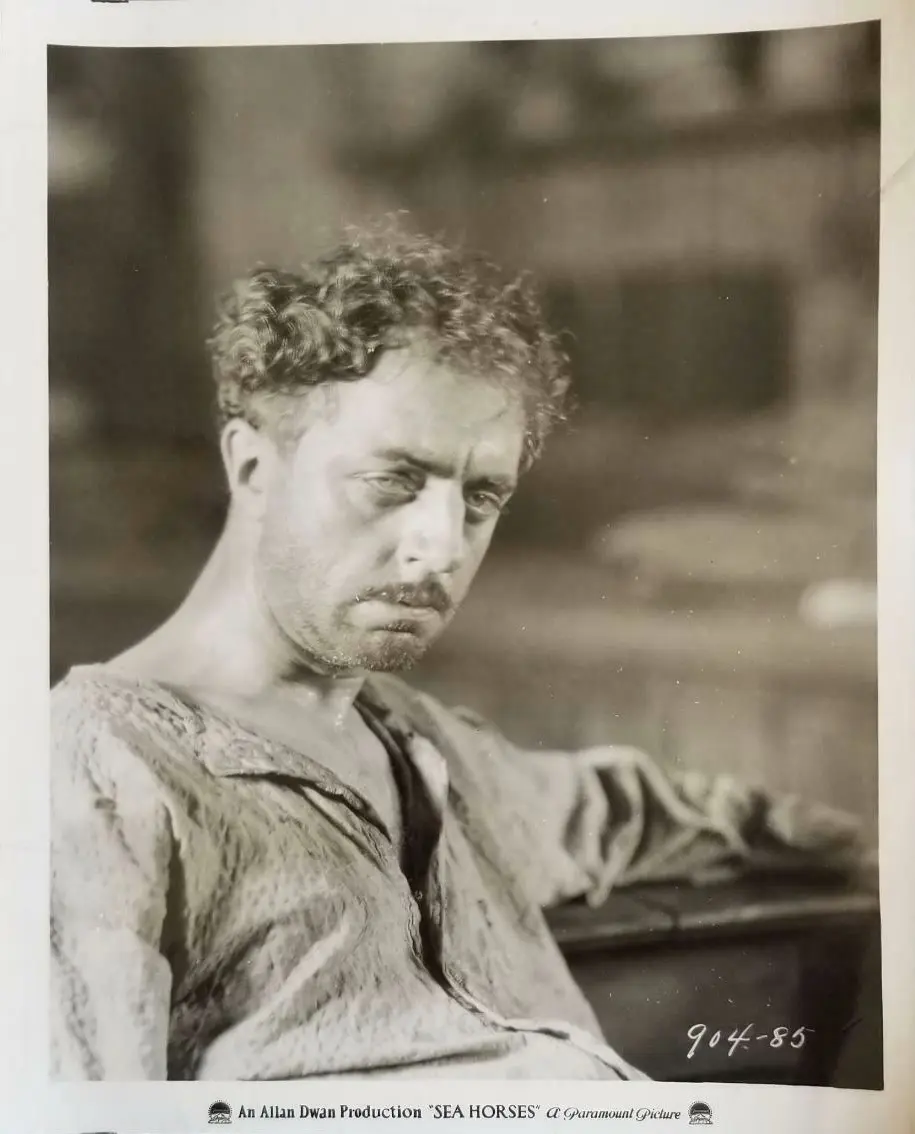
A definitive 4.9/10 rating for a film that redefined the boundaries of cult cinema. Sea Horses remains a cornerstone of transgressive art.
Is Sea Horses worth watching today? The short answer is a resounding, if qualified, yes, particularly for enthusiasts of early cinema and robust melodramas. This largely forgotten 1926 silent film offers a surprisingly potent blend of high-stakes adventure and raw human drama, though it might test the patience of those unaccustomed to the era's narrative conventions.
It's a film for those who appreciate the theatricality and emotional intensity often found in silent-era storytelling, and who are willing to overlook certain narrative conveniences for the sake of grand spectacle. Conversely, it is decidedly not for viewers seeking nuanced character studies, subtle performances, or a fast-paced, modern narrative rhythm. If you prefer your drama understated, look elsewhere. If you crave a storm-tossed tale of desperation and heroism, however, you might just find a hidden treasure here.
The Turbulent Waters of Desperation: A Critical Look
The 1920s, a vibrant decade for cinema, often delivered tales of grand romance and daring adventure. Sea Horses, directed by Herbert Brenon and penned by James Shelley Hamilton, Becky Gardiner, and Francis Brett Young, certainly fits this mold, but with a darker, more visceral edge. It’s a story steeped in the kind of desperation that only long journeys and broken promises can forge, set against the unforgiving backdrop of the open sea and an exotic, yet hostile, foreign port.
Florence Vidor, as Helen Salvia, anchors the film with a performance that, while occasionally leaning into the era’s penchant for overt emotional expression, effectively conveys a woman on the precipice. Her journey, initially one of naive hope, quickly devolves into a harrowing struggle for survival, not just for herself, but for her young daughter. This maternal drive is perhaps the film's most enduring and relatable element, cutting through the more melodramatic flourishes.
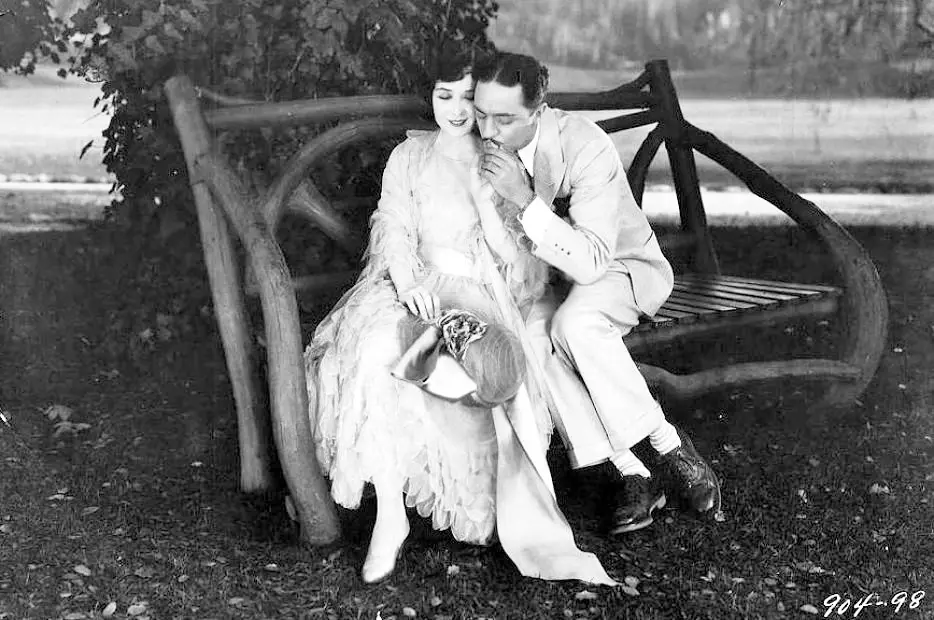
Scene from Sea Horses
Cinematic perspective: Exploring the visual vocabulary of Sea Horses (1926) through its definitive frames.
The film’s strength lies in its ability to build tension, particularly during the shipboard sequences. The confined space, the unspoken desires of Cochran (George Bancroft) and Harvey (William Powell) for Helen, and Captain Glanville’s (Jack Holt) stoic command create a pressure cooker environment. It's a masterclass in silent film suspense, where glances and gestures carry the weight of entire conversations.
Where the Film Finds Its Footing
This film works because of its audacious climax, which marries human struggle with nature’s fury in a genuinely thrilling manner.
This film fails because its pacing can be uneven, with moments of slow exposition punctuated by sudden, almost jarring bursts of action.
You should watch it if you're a fan of silent-era adventure films that aren't afraid to embrace raw, unfiltered melodrama.
Scene from Sea Horses
Cinematic perspective: Exploring the visual vocabulary of Sea Horses (1926) through its definitive frames.
Performances and Their Resonances
Florence Vidor's portrayal of Helen is the emotional heart of Sea Horses. She projects a vulnerability that makes her plight believable, yet also a fierce resolve when her daughter is threatened. Her wide, expressive eyes communicate volumes, particularly in the scene where she first confronts Lorenzo’s degradation in Panda. It’s a powerful moment of shattered illusions, conveyed without a single spoken word.
Jack Holt, as Captain Glanville, delivers a performance of impressive restraint. His character is the quintessential silent film hero – strong, silent, and morally upright. While his attraction to Helen is evident, it's rarely overt, allowing the audience to infer his feelings through subtle gestures and protective actions. His stoicism is a stark contrast to the volatile emotions surrounding him, making his eventual acts of heroism all the more impactful.
George Bancroft's Cochran is arguably the film's most compelling character. Rough, passionate, and ultimately self-sacrificing, he embodies a tragic heroism that feels surprisingly modern. His final act, confronting Lorenzo during the typhoon, is a brutal, visceral sequence that elevates the film beyond simple melodrama. It’s a performance that truly sticks with you, challenging the audience to root for a character who, in another context, might be seen as a mere brute.
The supporting cast, including Mack Swain as Lorenzo, effectively portrays the various facets of the narrative. Swain’s descent into drunken depravity is convincing and disturbing, providing a tangible threat that propels much of the film’s later tension. The dynamic between these characters, particularly the unspoken rivalry between Cochran and Harvey, adds layers to the shipboard drama, making the journey feel alive with simmering human desires.
Scene from Sea Horses
Cinematic perspective: Exploring the visual vocabulary of Sea Horses (1926) through its definitive frames.
Direction, Cinematography, and the Fury of Nature
Herbert Brenon’s direction is a mixed bag, yet ultimately successful in delivering a powerful cinematic experience. He excels at creating atmosphere, whether it's the claustrophobia of the ship's interior or the exotic, slightly menacing feel of Panda. The use of lighting to create shadows and highlights is particularly effective in conveying mood and suspense, a common but well-executed technique of the era.
The cinematography, though uncredited, captures both the vastness of the ocean and the intimacy of human emotion. The long shots of the ship at sea are impressive, giving a real sense of the journey’s scale. However, it's the climactic typhoon sequence that truly stands out. This is where the film transforms from a compelling drama into an epic spectacle, showcasing the raw power of nature in a way that remains visually striking even today. The practical effects and miniature work, while discernible, are remarkably effective for the period, creating a sense of genuine peril.
One unconventional observation is how the film uses the 'exotic' setting of Panda not just as a backdrop, but as a mirror to the characters' internal turmoil. The chaos and unpredictability of the foreign port reflect Helen’s own unraveling sense of security. It’s a clever way to integrate setting into character development, even if the portrayal of the locals leans into period stereotypes.
Pacing, Tone, and Thematic Depths
The pacing of Sea Horses is characteristic of silent cinema, meaning it often takes its time to establish scenes and character motivations. There are periods of quiet reflection and exposition that might feel slow to modern viewers. However, these moments serve to build the tension that explodes in the film’s second half. The transition from shipboard drama to land-based horror and finally to the typhoon’s relentless assault is a masterclass in escalating narrative stakes.
Scene from Sea Horses
Cinematic perspective: Exploring the visual vocabulary of Sea Horses (1926) through its definitive frames.
The tone is unashamedly melodramatic. Every emotion is heightened, every gesture amplified. This isn’t a flaw; it’s a stylistic choice inherent to the genre and the era. The film embraces its dramatic roots, allowing for grand declarations of love, profound betrayals, and heroic sacrifices. It’s a film that demands you lean into its emotionality, rather than intellectualize it.
Thematic depths are surprisingly rich. Beyond the surface adventure, Sea Horses explores themes of female vulnerability in a patriarchal world, the destructive nature of addiction, and the complex lines between duty, desire, and sacrifice. Helen's journey is not just physical; it's a journey of disillusionment and forced resilience. The film subtly critiques the societal expectations placed upon women, even as it offers a traditional 'hero' figure in Glanville.
One strong, debatable opinion is that Cochran, not Glanville, is the film's true tragic hero. While Glanville is the stoic figure who ultimately 'wins' Helen, it is Cochran's raw, unvarnished passion and ultimate self-sacrifice that provide the film’s most poignant and memorable moments. His death feels earned, a brutal yet fitting end to a character who lived by his own code.
Is This Film Worth Watching?
Yes. Sea Horses is absolutely worth watching, especially for silent film enthusiasts and those curious about the diverse storytelling of the 1920s. It offers a unique blend of adventure, melodrama, and intense human drama. The film's ambitious scope and thrilling climax make it a standout example of its genre. It works. But it’s flawed. Its melodramatic excesses and slower pacing in parts might deter some. Yet, its strengths, particularly the performances and the sheer spectacle of the typhoon, outweigh its weaknesses. It’s a robust, emotionally charged experience that still resonates today.
Key Takeaways
Best for: Fans of silent-era melodramas, adventure films, and those interested in early cinematic special effects.
Not for: Viewers seeking modern pacing, subtle character development, or lighthearted fare.
Standout element: The harrowing and visually impressive typhoon climax, coupled with George Bancroft's compelling performance as Cochran.
Biggest flaw: Occasional lulls in pacing during the first act, which can test the patience of contemporary audiences.
Pros and Cons
Pros:
Florence Vidor's empathetic lead performance.
George Bancroft's dynamic and tragic portrayal of Cochran.
The visually stunning and intense typhoon sequence.
Effective build-up of tension in confined spaces.
Exploration of compelling themes like desperation and sacrifice.
A strong sense of period adventure and exoticism.
Cons:
Pacing can be slow in the early stages.
Melodramatic tone might not appeal to all viewers.
Certain character tropes feel dated.
The portrayal of the 'exotic' locale, while atmospheric, can lean into stereotypes.
Some narrative conveniences stretch credulity.
Verdict
Sea Horses is more than just a historical curiosity; it’s a robust, emotionally charged silent film that delivers on its promise of high-stakes adventure and raw human drama. While it demands a certain appreciation for the cinematic language of its era, particularly its melodramatic flair and deliberate pacing, the rewards are considerable. Florence Vidor's compelling performance and the unforgettable, visceral climax make it a film that lingers in the memory. It stands as a testament to the power of early cinema to tell grand stories with sweeping scope and profound emotional depth. For those willing to set sail on its turbulent waters, Sea Horses offers a journey well worth taking. It might not be a flawless Milky Way of silent cinema, but it certainly carves its own dramatic path, leaving a lasting impression. Highly recommended for the discerning silent film aficionado.