DbcultAccessing Vault...
6.8/10
Senior Film Conservator
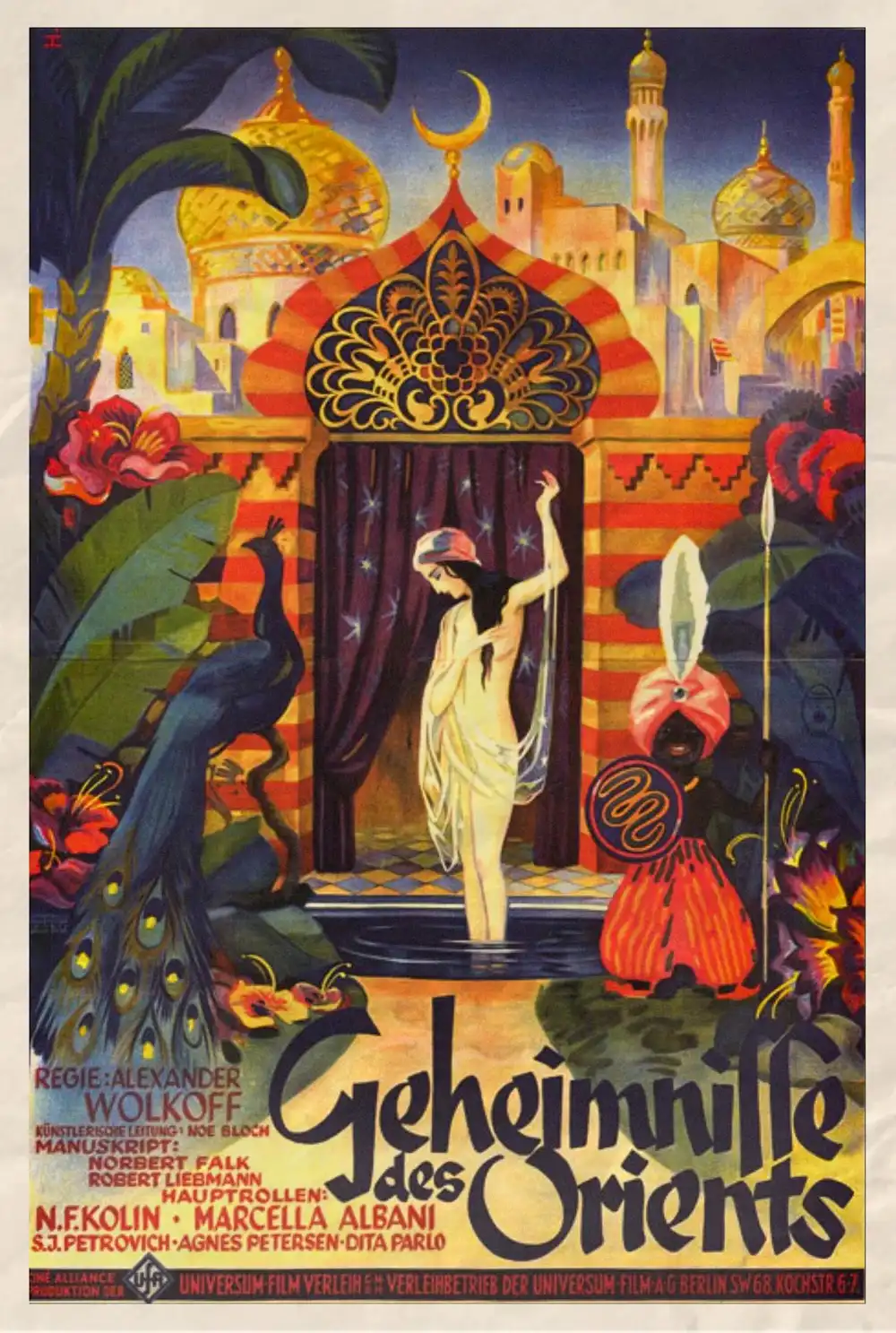
A definitive 6.8/10 rating for a film that redefined the boundaries of cult cinema. Secrets of the Orient remains a cornerstone of transgressive art.
If you have about two hours and a high tolerance for 1920s Orientalism, Secrets of the Orient is worth a look, mostly because it feels like watching a massive budget being spent in real-time. It’s a 1928 UFA production, and you can tell because the sets look like they were built to last a hundred years. It’s the kind of movie you put on when you want to see what happened when directors were given an unlimited supply of silk, extras, and incense.
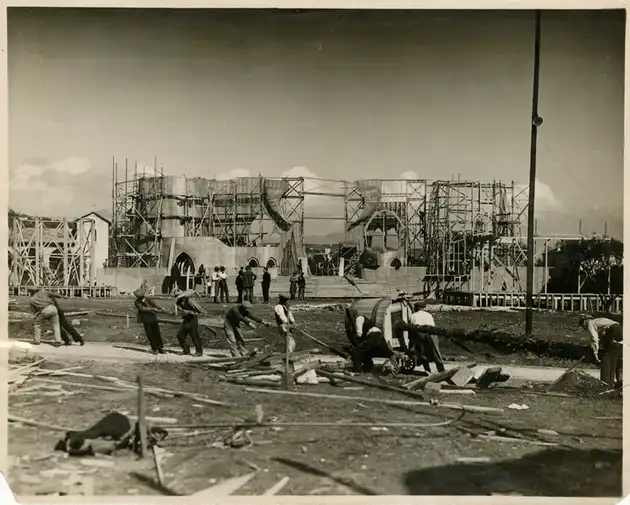
The whole thing kicks off with a cobbler. He’s grumpy, he’s tired, and he’s played by Julius Falkenstein with a lot of frantic hand gestures. He falls asleep and—surprise—we’re in a dream. But the dream isn't some hazy, blurry sequence. It’s crisp and massive. The transition into the dream world is actually one of the smoother parts of the film; it doesn't try too hard to be 'magical,' it just happens.
Once we get into the palace, the movie slows down significantly. There is a lot of standing around. People in very heavy-looking costumes enter rooms, look at each other, and then walk back out. It’s not exactly thrilling, but there’s something about the way the light hits the floor tiles that kept me watching. You can almost smell the dust in the air during the long shots of the palace corridors. It lacks the tight, claustrophobic energy of something like The Show, opting instead for sheer scale.
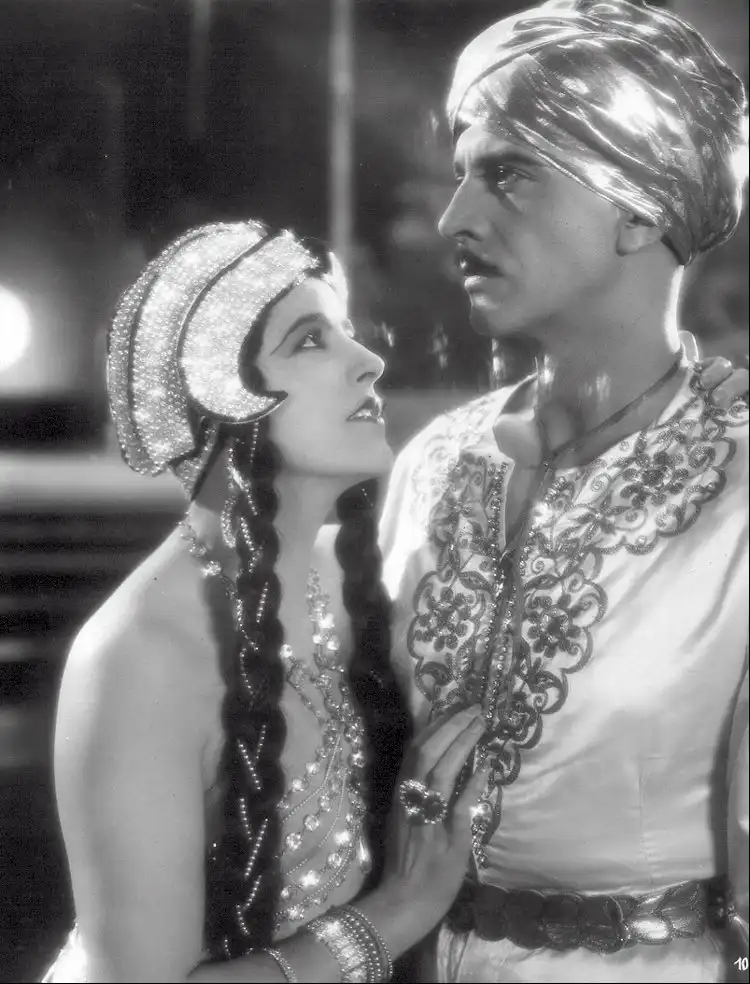
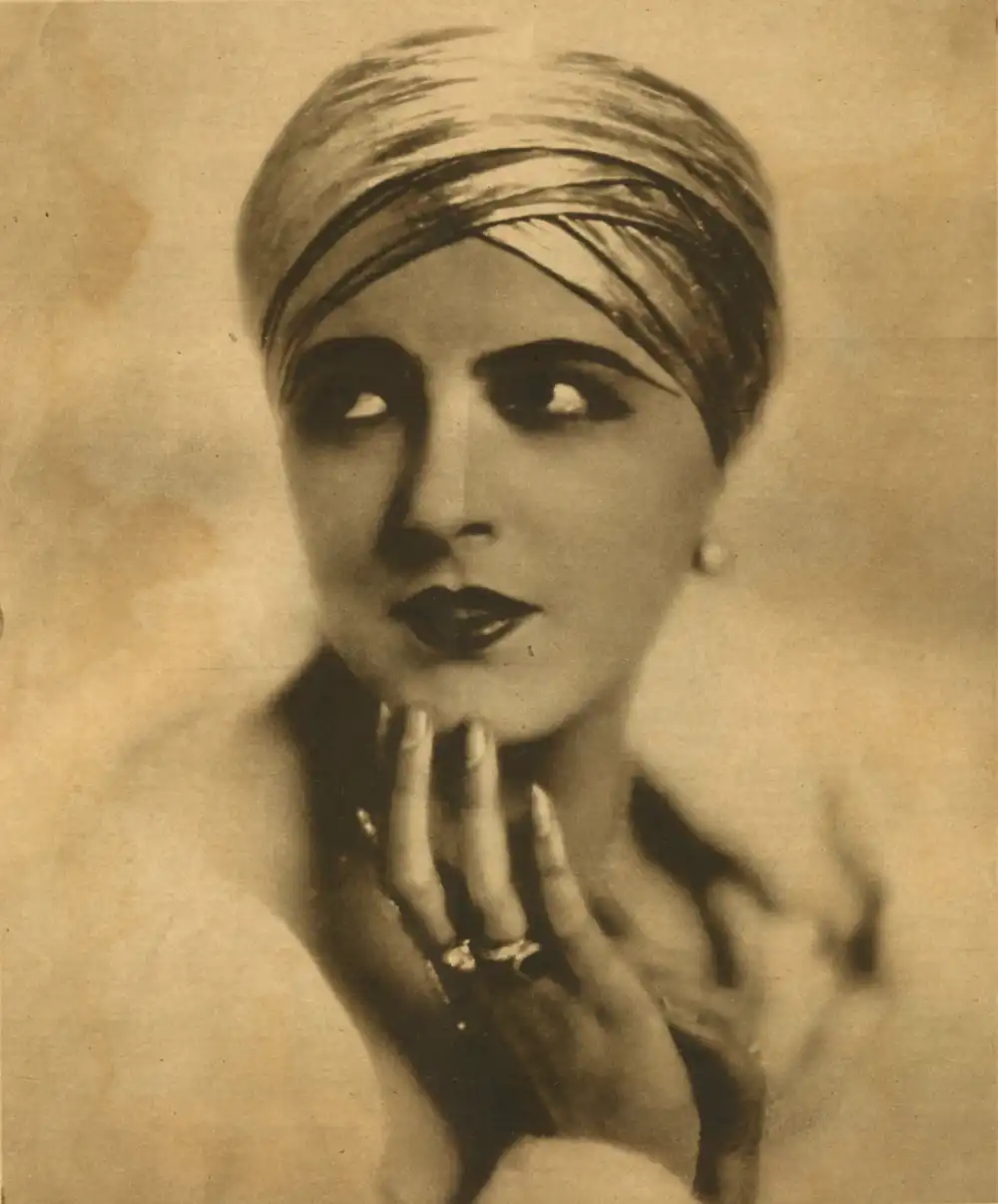
Brigitte Helm shows up, and as usual, she’s the most interesting thing on screen. She has this way of looking at the other actors like she’s seeing right through their skulls. Even in a role that doesn't require much more than looking regal and slightly tragic, she commands the frame. There’s a specific moment where she’s just sitting by a fountain, and the way her veil catches the light is so perfect it feels accidental. It’s a sharp contrast to some of the male leads, who seem to be competing for who can bulge their eyes the most.
The pacing is... let's call it 'leisurely.' There’s a sequence involving a feast that goes on for about five minutes longer than it needs to. You see every dish, every dancer, every reaction shot of the cobbler-turned-prince looking confused. It starts to feel like the movie is stalling because it doesn’t quite know what to do with the plot once the cobbler gets to the palace. It’s a common problem with these 'Arabian Nights' riffs—the setup is great, but the middle is just a lot of walking through gardens.
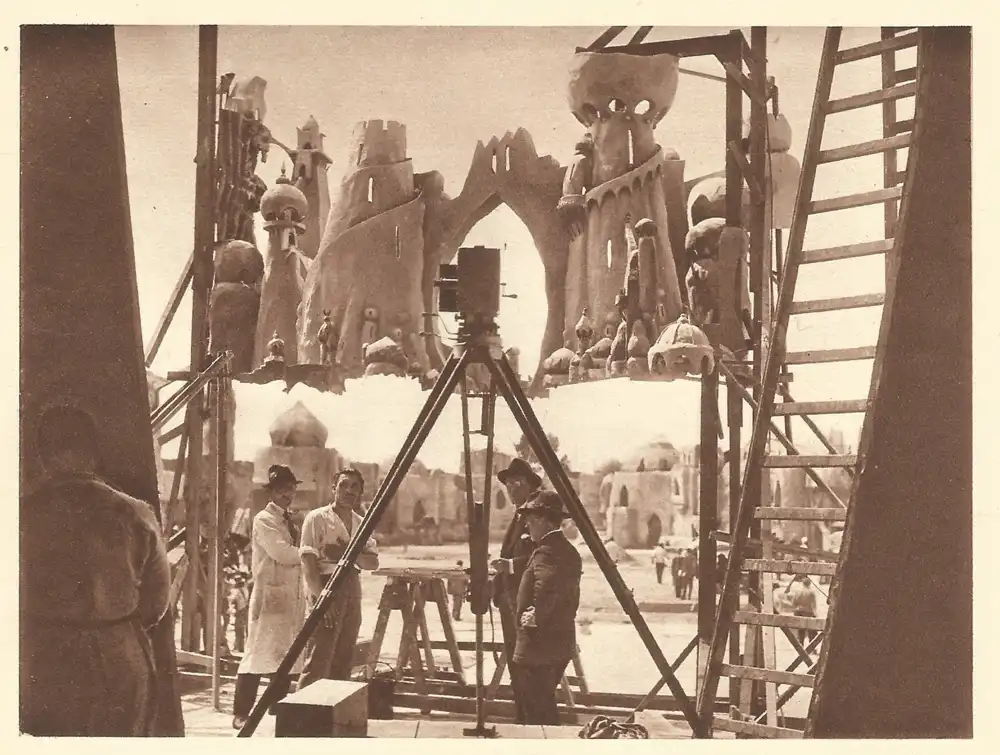
I noticed a weird editing choice around the halfway mark. There’s a cut from a tense conversation to a wide shot of the city that feels completely disconnected. It’s like a few frames went missing, or the editor just got tired of the scene and wanted to show off the miniature model of the city. Speaking of the miniatures, they’re fantastic. They have that slightly 'off' perspective that makes silent-era epics feel more like moving paintings than actual films.
Some of the dialogue—well, the intertitles—is incredibly flowery. It’s all 'thou art the sun of my soul' and that kind of thing. It’s a bit much. I found myself ignoring the text and just watching the actors' faces. You can usually tell what’s happening anyway because the melodrama is dialed up to eleven. If you’ve seen The City That Never Sleeps, you’ll find the acting here much more 'theatrical' and less grounded, which fits the dream logic, I guess, but it makes it hard to care if anyone actually gets executed.
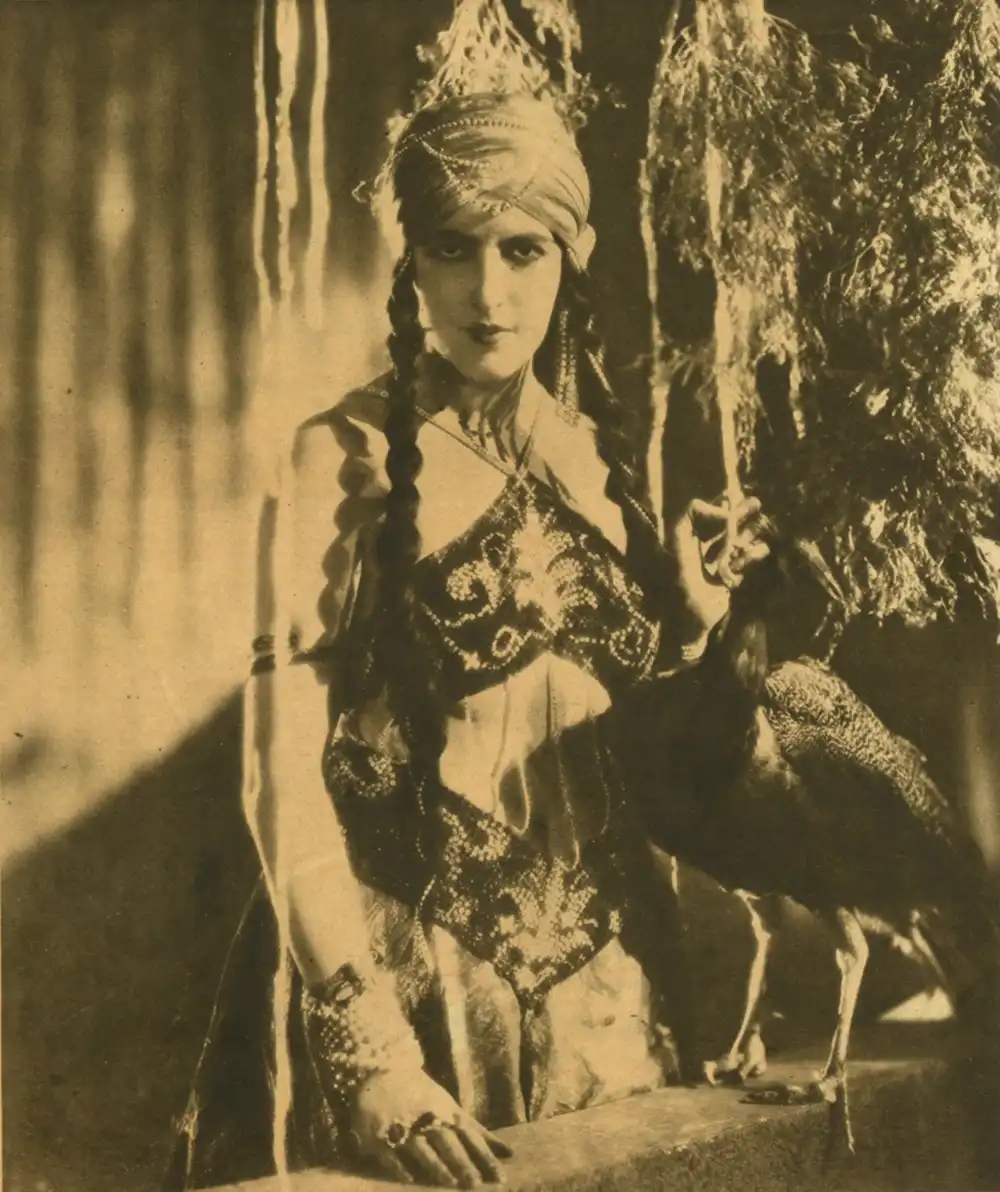
The costumes are the real stars. There’s a hat worn by one of the guards that looks like a giant metallic onion. I spent about three minutes wondering how the actor kept it balanced while walking down a flight of stairs. It’s those little details—the weirdly tall hats, the overly intricate embroidery, the way the extras in the background don't always seem to know where they're supposed to be looking—that give the movie its charm.
Is it a masterpiece? No. It’s too messy for that. The ending feels rushed, like the cobbler suddenly realized he had to wake up because the film reel was running out. But as a piece of visual candy from the late silent era, it’s fascinating. It’s the kind of film that someone who loves the craft of set design will adore, while someone looking for a gripping story will probably fall asleep along with the cobbler.
One more thing: the makeup on the 'villains' is incredibly heavy. They have these dark circles under their eyes that make them look like they haven't slept since 1925. It’s not subtle, but in a movie where everything is draped in silk and gold, subtlety was never the point.
IMDb —
1930
Community
Log in to comment.