DbcultAccessing Vault...
6.3/10
Senior Film Conservator
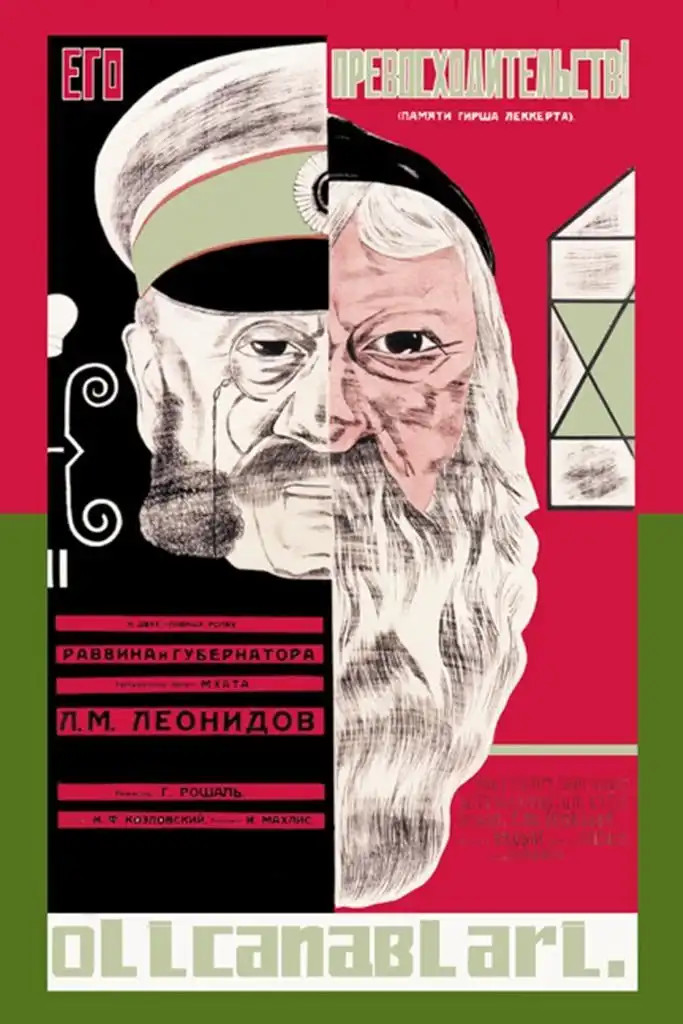
A definitive 6.3/10 rating for a film that redefined the boundaries of cult cinema. Seeds of Freedom remains a cornerstone of transgressive art.
"Seeds of Freedom," a silent film from 1928, is *definitely* one to seek out if you're into early Soviet cinema or just want to see how powerful a story can be without a single spoken word. It’s got that raw, urgent feel that some older films nail so well. If you prefer your movies with crisp dialogue and fast cuts, honestly, this one probably won’t be your cup of tea. 🙅♀️
The film plunges you into the early 1900s, telling a fictionalized take on Hirsch Lekert’s life. He was a real figure, a Jewish Labor Bund member who tried to assassinate the governor of Vilna. This act was in response to some pretty brutal flogging of workers after a May Day rally. It's a heavy story, but one that feels incredibly relevant, even today.
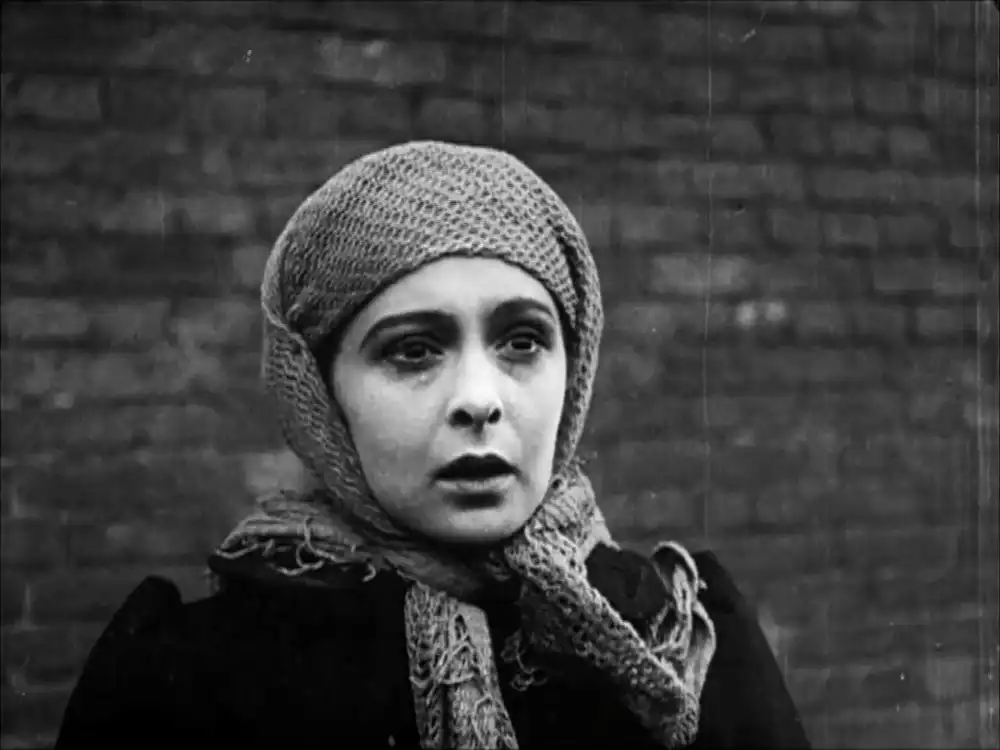
What immediately hits you is the look of it all. The cinematography here, it's really something. Very stylized, almost like a moving painting sometimes. You see these stark shadows and bold compositions. It just grabs you. The way they frame the crowds, for instance, in those early rally scenes, it’s not just people; it’s *masses*, almost an entity unto itself. Quite a visual statement.
The actors, many from the Moscow Art Theater, they bring this intensity. It’s a very physical style of acting, which makes sense for a silent film. Mikhail Rostovtsev as Lekert, he doesn't need words to convey this deep, burning conviction. You see it in his eyes, in the way he carries himself, even in the smallest gestures. It's not subtle, but it's *effective* for sure.
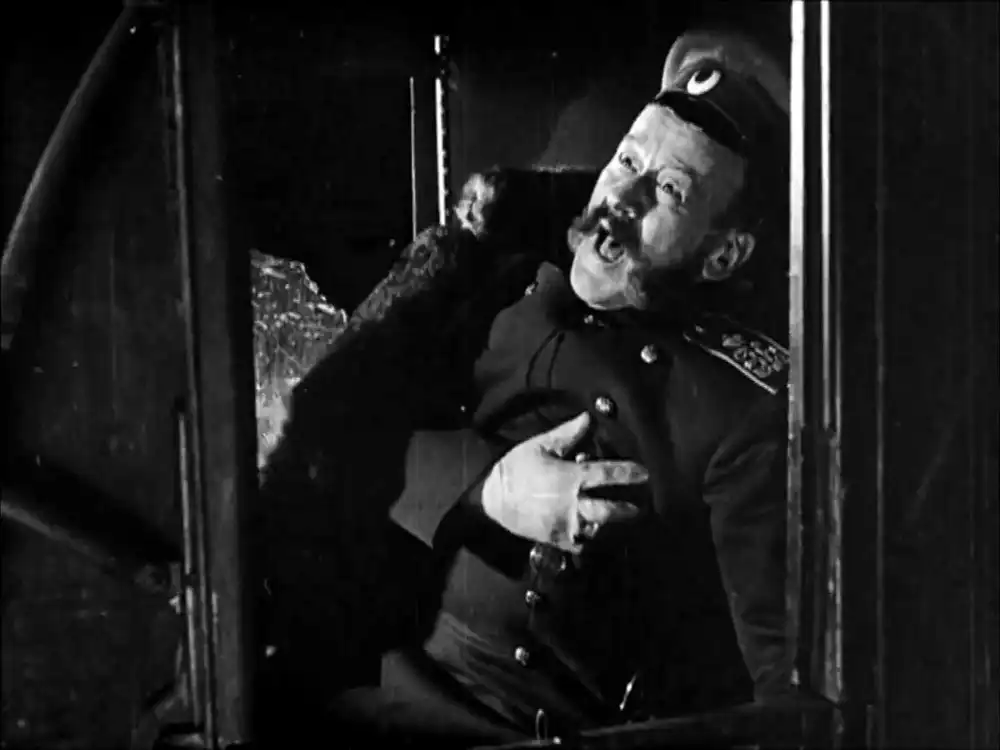
There’s this scene, after the workers are flogged. The raw, guttural pain on their faces, it just sticks with you. And the quick cuts showing the governor's indifference against the suffering, it’s a simple technique but *man*, it lands hard. You can almost feel the movie trying to pull you into Lekert's decision. It's not a question of *if* he'll act, but *when* and *how*. The weight of it all.
One particular moment that got me was a close-up on Lekert’s hands. Just his hands, clenching, then slowly opening. It tells a whole story about internal struggle without saying a thing. A lot of directors would've just gone for a dramatic facial shot, but this felt so much more personal. And the way the tension builds, slowly, almost like a creeping dread. It really works.
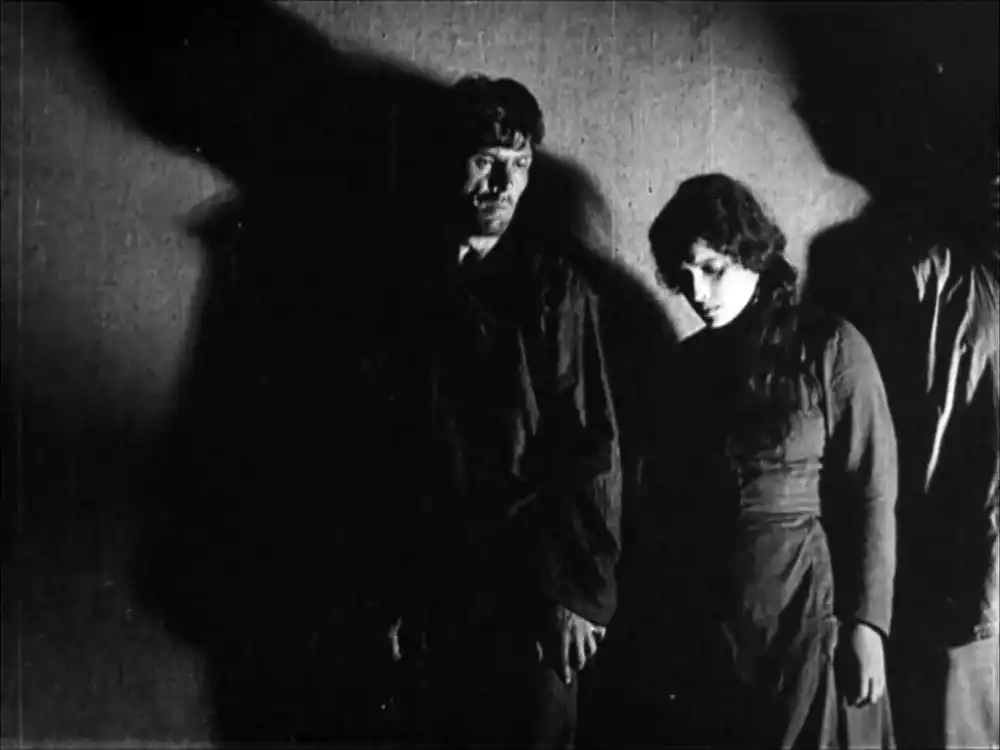
It's not a fast-paced film, obviously. This isn't a modern thriller. The rhythm is slower, deliberate. But it gives you time to really absorb the imagery. Sometimes, a shot holds a bit too long, you might think, but then you realize it’s letting the weight of the moment sink in. It’s a different kind of immersion. A contemplative pace.
The film has this incredible knack for showing you the brutality of the system without being overtly graphic. It's implied, it's felt through the reactions of the people. The way the authorities are depicted, almost monolithic, faceless figures of oppression. It’s less about individual villains and more about the crushing machine, the whole system really. ⚙️
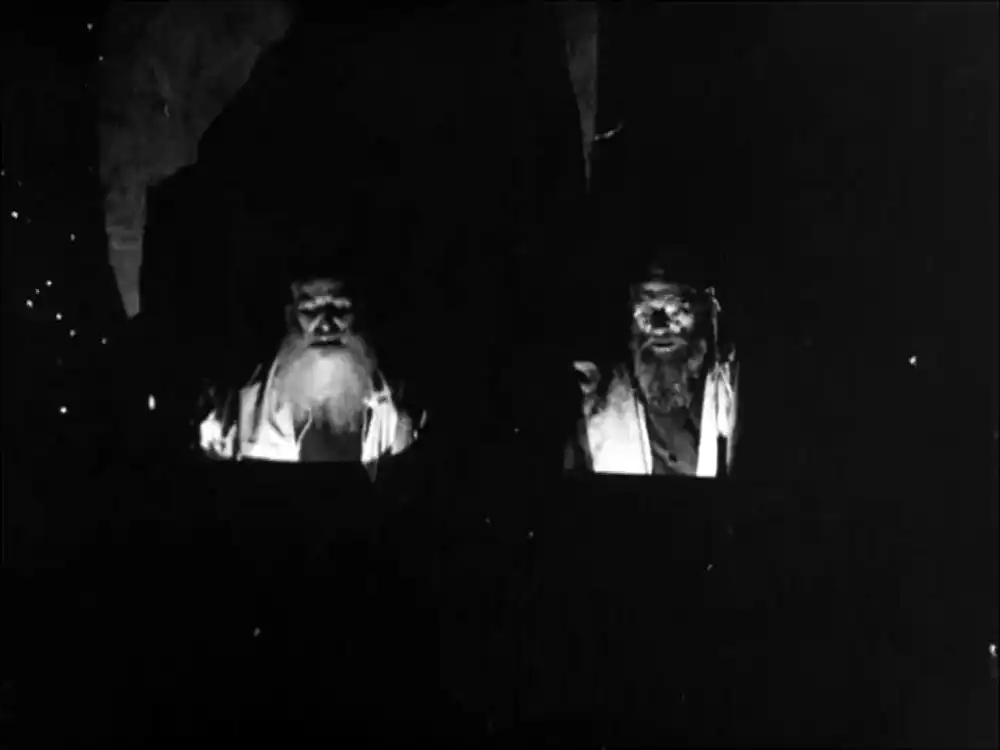
I found myself thinking about how much has changed, and how much hasn't. The themes of worker's rights, political oppression, the individual standing up against power – it all feels surprisingly fresh. Even for a film made nearly a hundred years ago. That's the mark of something truly powerful, I think.
There are some moments where the acting feels a little *too* theatrical, even for silent film standards. A bit over the top, maybe. But then you remember the era, and the stage training, and it makes sense. It's part of its charm, in a way. This isn't polished Hollywood; it's something grittier. A bit more raw around the edges.
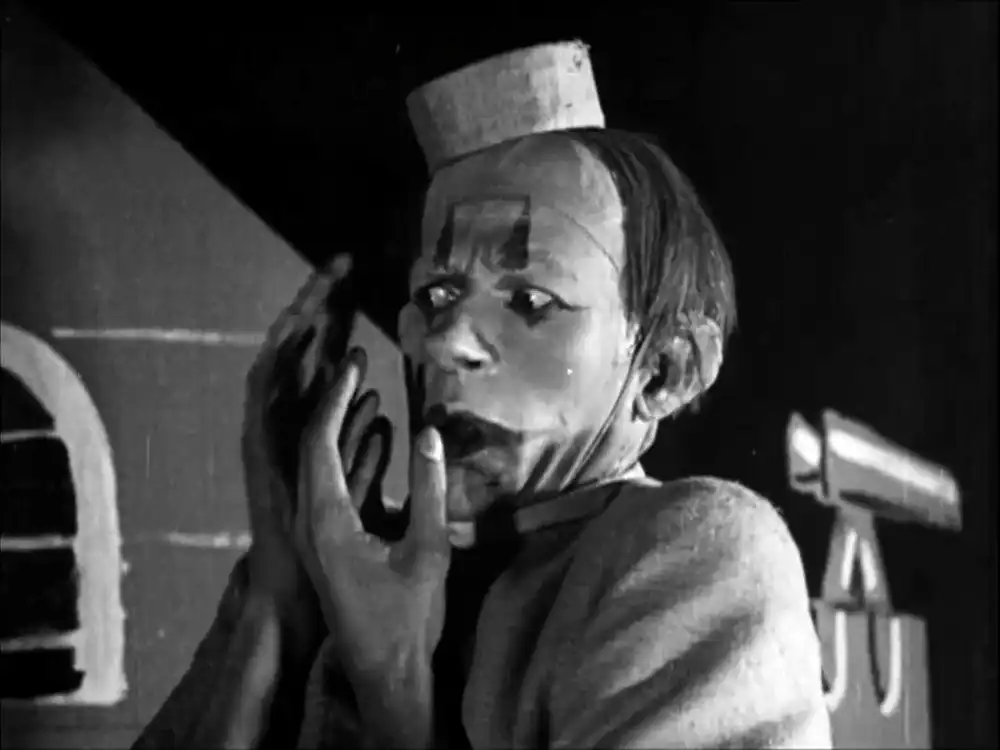
The ending, without giving anything away, is powerful. It doesn't offer easy answers. It's a punch to the gut, but also a call to remember. A film like this, it reminds you that cinema has always been a tool for more than just entertainment. It can ignite something. 🔥
IMDb —
1934
Community
Log in to comment.