DbcultAccessing Vault...
7.2/10
Senior Film Conservator
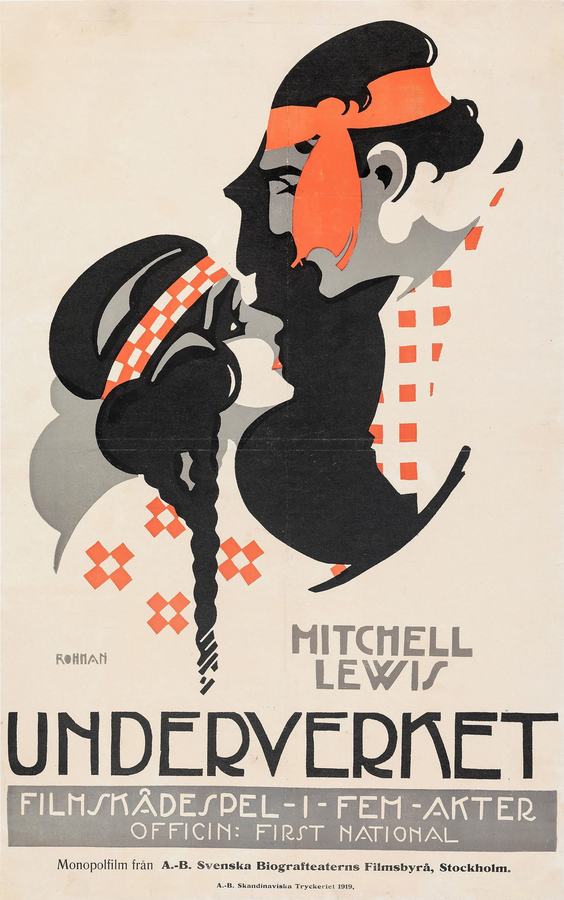
A definitive 7.2/10 rating for a film that redefined the boundaries of cult cinema. The Sign Invisible remains a cornerstone of transgressive art.
In the burgeoning landscape of early twentieth-century cinema, few motifs were as potent or as frequently revisited as the intersection of scientific hubris and the humbling hand of providence. The Sign Invisible, released in 1918 and directed with a keen eye for atmospheric tension, stands as a quintessential artifact of this era. It is a film that grapples with the weight of the soul in an age where the scalpel was beginning to map the secrets of the flesh. The narrative trajectory of Dr. Robert Winston is not merely a tale of professional failure, but a profound exploration of the dark night of the soul, set against the unforgiving, sublime canvas of the North American wilderness.
The film opens with a sequence of harrowing intimacy. Ray Chamberlin portrays Dr. Robert Winston with a rigid, intellectual distance that quickly dissolves into visceral horror. When his mother dies on the operating table—an event that functions as a cruel subversion of the physician’s role as life-giver—the film shifts its tone from clinical precision to expressionistic despair. This is not merely a medical malpractice suit; it is a cosmic betrayal. Winston’s subsequent abandonment of his profession and his move to the Canadian Northwest is a symbolic descent into the wild, a rejection of civilization’s structures which he now views as fraudulent. Unlike the more optimistic tones found in Milestones of Life, Winston’s journey is initially one of total negation.
"The wilderness is not just a setting in The Sign Invisible; it is a mirror of Winston’s internal desolation—a place where the silence of God is amplified by the howling winds."
Enter Hedda Nova as Jeanette Mercier. Her performance provides the necessary counterpoint to Winston’s jagged edges. As the daughter of a minister, she represents a living, breathing theology of compassion. The film meticulously tracks her gentle encroachment upon Winston’s solitude. She does not argue him back to faith; she embodies the grace he believes he has lost. This dynamic reminds one of the spiritual tensions in The Sign of the Cross, though transposed from ancient Rome to the rugged frontier. The chemistry between Chamberlin and Nova is understated, relying on the lingering gazes and subtle gestures that define the best of silent era acting. Their interactions are framed with a soft-focus delicacy that contrasts sharply with the harsh, wide shots of the frozen landscape.
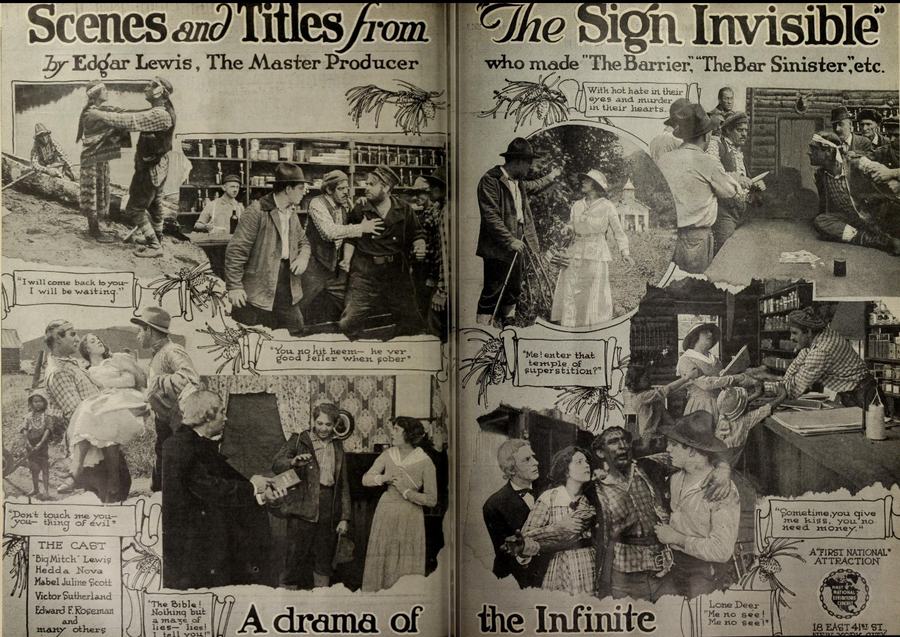
One of the most compelling aspects of the screenplay by Anthony Paul Kelly is the subplot involving Lone Deer, portrayed by Mitchell Lewis. The indigenous experience in early cinema was often relegated to caricature, but here, Lone Deer is afforded a narrative weight that mirrors the protagonist’s own grief. His belief that his sweetheart Winona (Mabel Julienne Scott) has perished in the river creates a thematic resonance with Winston’s loss of his mother. Both men are haunted by the perceived finality of death. This use of a parallel indigenous story to bolster the central theme of faith is a sophisticated narrative device, much more nuanced than the simplistic portrayals in True Blue or Her Fighting Chance. Lone Deer’s eventual sacrifice and injury serve as the bridge between Winston’s nihilism and his redemption.
Lou Baribeau, the company agent, is the quintessential villain—a creature of pure id and avarice. Edward Roseman plays him with a sneering intensity that makes him the perfect foil for the refined, if broken, Winston. Baribeau’s attempted violation of Jeanette is the moment the film transitions from a psychological drama into a high-stakes thriller. It is in this crucible of violence that Lone Deer is wounded, creating a situation that Winston cannot ignore. The ethical imperative to save a life finally overrides the doctor’s paralyzing self-pity. This structural turn is reminiscent of the moral climaxes in The Woman Who Gave, where individual trauma must be set aside for the collective good.
The climactic operation on Lone Deer is filmed with a reverence that borders on the liturgical. The camera lingers on Winston’s hands—the same hands that he believed were cursed. As he works, the film uses cross-cutting to show the anxious faces of the community and the silent prayers of Jeanette. The success of the surgery is not just a medical triumph; it is a spiritual epiphany. Winston realizes that he is not the master of life and death, but merely an instrument. This reconciliation of science and religion is the "Invisible Sign" alluded to in the title. It is a thematic resolution that echoes the complex moral landscapes of A léleklátó sugár, where the boundaries between the physical and the metaphysical are blurred.
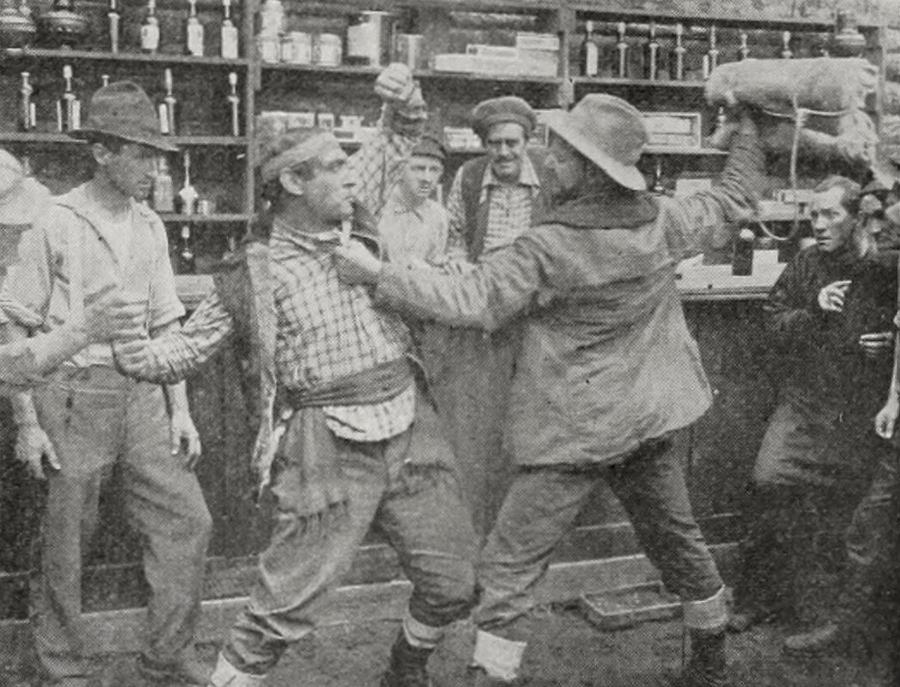
Technically, The Sign Invisible is a marvel for 1918. The location shooting in the Northwest provides a sense of scale and authenticity that studio sets could never replicate. The use of natural light, particularly in the scenes involving the river and the dense forests, creates a chiaroscuro effect that emphasizes the internal conflict of the characters. The vastness of the landscape serves to isolate the characters, making their eventual connection feel all the more hard-won. The film’s pacing is deliberate, allowing the audience to soak in the atmosphere of isolation before the explosive events of the final act. This atmospheric density is something one might expect from more avant-garde European works like Mania or O Homem dos Olhos Tortos, yet it is applied here to a quintessentially North American melodrama.
When placed alongside contemporaries such as The Seed of the Fathers or Threads of Fate, The Sign Invisible distinguishes itself through its psychological depth. It avoids the easy sentimentality of many silent films, choosing instead to dwell in the discomfort of Winston’s atheism for a significant portion of its runtime. The eventual resolution, while satisfying, feels earned because the film has so thoroughly explored the depths of the character's despair. Even the return of Winona, which could have felt like a convenient plot device, is handled with a poetic grace that reinforces the film's message of restoration. It is a work that understands the complexity of faith, portraying it not as a static state, but as a dynamic process of recovery and renewal, much like the physical recovery of a patient after a difficult surgery.
In conclusion, The Sign Invisible remains a vital piece of cinematic history. It captures a moment in time when the world was reeling from the horrors of the Great War and looking for ways to reconcile modern science with traditional belief systems. Through the character of Dr. Robert Winston, the film offers a message of hope: that no matter how far one wanders into the wilderness of the self, the possibility of regeneration remains. Whether viewed as a religious allegory, a medical drama, or a frontier adventure, the film succeeds on all fronts, anchored by strong performances and a visionary directorial style. It is a testament to the power of silent cinema to convey the most profound of human experiences without the need for a single spoken word.
Final Verdict: An essential watch for aficionados of early 20th-century drama and those interested in the cinematic evolution of the 'fallen man' archetype.
IMDb —
1927
Community
Log in to comment.