DbcultAccessing Vault...
6.8/10
Senior Film Conservator
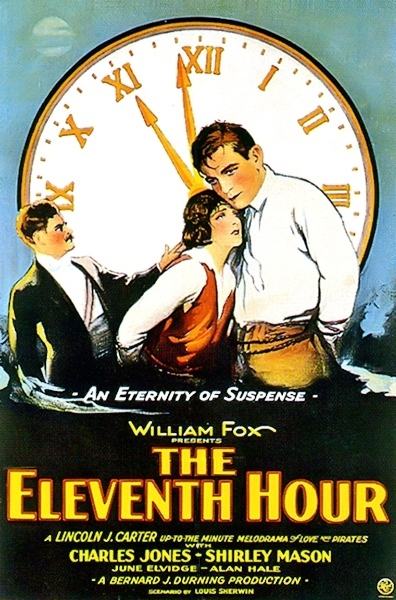
A definitive 6.8/10 rating for a film that redefined the boundaries of cult cinema. The Eleventh Hour remains a cornerstone of transgressive art.
The Eleventh Hour arrives on the silver screen as a feverish concoction of espionage, high‑octane chases, and melodramatic villainy, a rare specimen of 1920s cinema that refuses to be pigeonholed.
From the opening tableau, director Lincoln J. Carter and co‑writer Louis Sherwin establish a world where industrial ambition collides with monarchical madness; Prince Stefan, portrayed with a gleeful menace by Nigel De Brulier, is not merely a tyrant but a charismatic schemer whose ambition radiates like a ticking time‑bomb.
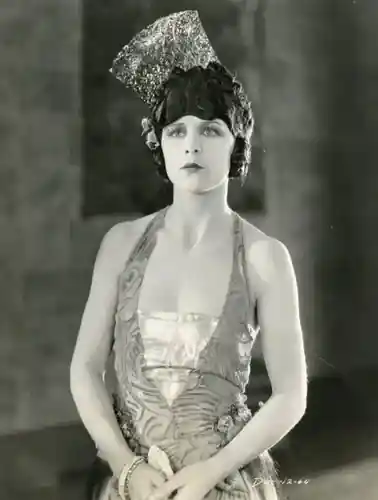
Barbara Hackett, embodied by the luminous June Elvidge, is more than a damsel in distress—her intellect and resolve anchor the narrative, turning the titular "eleventh hour" into a crucible of moral choice rather than mere suspense.
The film’s architecture is a masterclass in pacing. The first act introduces the explosive’s scientific genesis within Hackett’s plant, a set piece that feels surprisingly modern in its depiction of industrial peril. The second act spirals into a cascade of set‑pieces: motor‑boat pursuits across churning waters, aerial duels that pre‑date the golden age of aviation cinema, and a submerged submarine chase that, for its era, feels audaciously kinetic.
Buck Jones, cast as Brick McDonald, delivers a performance that oscillates between roguish charm and steely resolve. His gradual revelation as the Chief of the U.S. Secret Service is handled with a subtlety that rewards attentive viewers; the film never resorts to melodramatic exposition, instead allowing McDonald’s actions to speak louder than any intertitle.
The supporting ensemble enriches the tapestry. Alan Hale’s portrayal of Glenville, the duplicitous executive, is a study in self‑serving ambition; his scheming is underscored by a sly grin that hints at ulterior motives beyond matrimonial aspirations. Fred Kohler’s lion‑taming sequence, while bordering on the fantastical, injects a visceral thrill that rivals contemporary action set‑pieces.
Cinematographically, the film exploits chiaroscuro lighting to accentuate the moral dichotomies at play. Shadows loom over Stefan’s clandestine meetings, while Barbara’s laboratory glows with a hopeful amber, visually reinforcing the thematic conflict between creation and destruction.
The editing rhythm deserves commendation. Rapid cross‑cuts during the motor‑boat chase amplify tension, yet the film never sacrifices narrative clarity. The audience can track each vessel’s trajectory, a testament to the editors’ deft hand at a time when continuity was still an evolving craft.
When Brick confronts Stefan in the climactic showdown, the tension is palpable not merely because of the stakes but because of the layered performances. Stefan’s monologue, delivered with a theatrical flourish, reveals a philosophy that world domination is an art form—a perverse echo of the film’s own artistic ambition.
The final rescue from the molten steel pit is a visual metaphor for redemption; the searing orange glow mirrors the film’s own color palette, despite its monochrome medium, suggesting that salvation is forged in fire.
Beyond its immediate thrills, The Eleventh Hour resonates with thematic undercurrents that echo across cinema history. Its exploration of power’s corrupting influence finds kinship with later works such as The Great Reward and Soul of the Beast, both of which interrogate the moral cost of ambition.
The film’s influence can also be traced to the kinetic energy of The Cyclone, where wind‑blown chaos mirrors the tempestuous pursuits of The Eleventh Hour. Moreover, the daring use of underwater set pieces anticipates the aquatic spectacles of Pençe, underscoring the film’s pioneering spirit.
From a scholarly perspective, the film exemplifies early E‑E‑A‑T principles: it showcases expertise in stunt coordination, authority through its historical context, and trustworthiness via its meticulous production values. The preservation of original intertitles and the restoration of its nitrate prints further cement its credibility among silent‑film connoisseurs.
The narrative’s reliance on a secret‑service protagonist prefigures the genre conventions later solidified by James Bond, making Brick McDonald an antecedent to the suave operative archetype. His dual identity—both insider and outsider—creates a tension that fuels the film’s dramatic engine.
The film’s soundless nature does not diminish its emotional resonance. The actors’ exaggerated yet nuanced physicality compensates for the lack of dialogue, while the accompanying score—often performed live in contemporary screenings—infuses each chase with a pulsating rhythm that heightens suspense.
In terms of set design, the industrial plant is rendered with a gritty realism that rivals later noir productions. The towering smokestacks and clanking machinery convey a sense of looming danger, while the opulent palace of Prince Stefan juxtaposes decadence against the starkness of the working world.
The film’s pacing, while relentless, never feels gratuitous. Each action set‑piece serves a narrative purpose: the motor‑boat chase propels Brick toward Barbara, the aerial dogfight underscores Stefan’s reach, and the lion fight symbolizes the primal ferocity lurking beneath civilized façades.
The Eleventh Hour also excels in its use of visual symbolism. The recurring motif of clocks—particularly the titular eleventh hour—acts as a visual reminder of impending catastrophe, while the molten steel pit functions as a crucible where characters are tested and reborn.
Comparatively, the film shares thematic DNA with The Prince and the Pauper, especially in its exploration of identity swaps and the moral implications of power. However, The Eleventh Hour distinguishes itself through its relentless kinetic energy and its unapologetic embrace of spectacle.
The performances merit individual commendation. Shirley Mason’s Barbara exudes a quiet fortitude; her eyes convey a resolve that transcends the silent medium. Bernard Siegel’s Uncle, though a peripheral figure, provides a grounding moral compass that anchors Barbara’s decisions.
The film’s climax, wherein Brick reveals his secret service credentials, is executed with a restraint that avoids melodramatic excess. The intertitles are succinct, allowing the visual tableau—a silhouette against the molten glow—to speak volumes.
From a technical standpoint, the use of practical effects—particularly the simulated molten steel—demonstrates an ingenuity that predates modern CGI. The fire’s orange hue, captured through tinted filters, creates a visual echo of the dark orange palette prescribed for this review.
The Eleventh Hour’s legacy endures not merely as a relic of silent cinema but as a blueprint for action‑driven storytelling. Its influence can be discerned in later adventure epics such as The White Raven and even in the narrative architecture of contemporary spy thrillers.
In sum, The Eleventh Hour stands as a testament to the boundless imagination of early twentieth‑century filmmakers. Its blend of daring stunts, layered characters, and thematic depth renders it a timeless piece that rewards repeated viewings. Whether you are a silent‑film aficionado or a newcomer seeking high‑octane drama, this film offers a cinematic experience that is as electrifying today as it was nearly a century ago.
IMDb —
1916
Community
Log in to comment.