DbcultAccessing Vault...
Cult Review
Senior Film Conservator
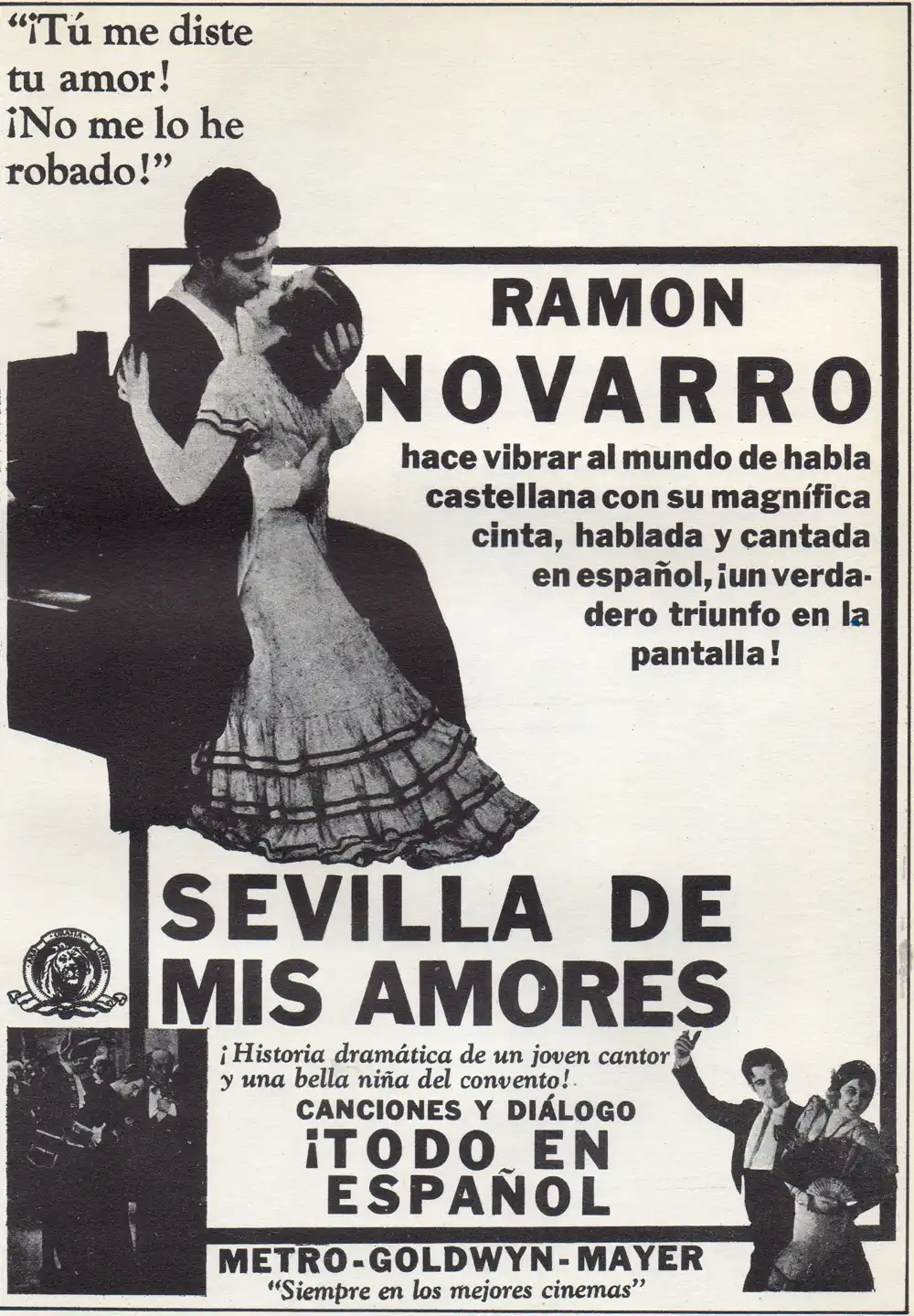
Alright, so 'Sevilla de mis amores' is definitely not for everyone these days. If you're expecting something slick and fast-paced, you're going to have a rough time. But if you've got a soft spot for early sound films, or just want to see how old Hollywood tackled Spanish passion, then yeah, it’s worth a watch. You’ll find something charming in its earnestness.
People who love old movie history, or maybe just really, really dig Seville, will probably get a kick out of it. Anyone used to modern blockbusters, though? They’ll likely be reaching for their phone in about ten minutes, maybe even less. 😩
The whole thing feels like a postcard from 1930. You get this immediate sense of the era, from the way people talk to how they move. It’s almost like eavesdropping on a conversation from nearly a century ago.
María Calvo, I mean, her eyes really do most of the talking. There's a scene, early on, where she just glances over her shoulder, and you feel the weight of whatever she's holding back. It’s quite something, very expressive.
And Ramon Novarro. Lorena and The Wheel show his range. Here, he just exudes this almost impossibly dashing quality. His smile is a whole story in itself, even when the dialogue feels a bit stilted, which it does sometimes. You can tell he's a star.
The sound quality, you know, it’s… from 1930. Sometimes the music swells a little too loud, or a line of dialogue feels like it was recorded in a padded box. It’s part of the charm, honestly, like a scratch on a beloved old record. You just accept it.
There's a particular bullfighting sequence, or at least the lead-up to one, that really captures the *drama* of it all. Not just the arena, but the people watching, their faces a mixture of fear and excitement. It feels authentic, even if it's staged.
One shot really lingers on a fountain in a plaza. The water just bubbling up, and for a second, the whole movie just breathes. It's a quiet moment that somehow says more than a lot of the speeches.
Conchita Montenegro, she’s got this fiery spirit that just leaps off the screen. You can almost feel the heat radiating from her. When she argues, it's not just words; it’s a full-body experience. No holding back there.
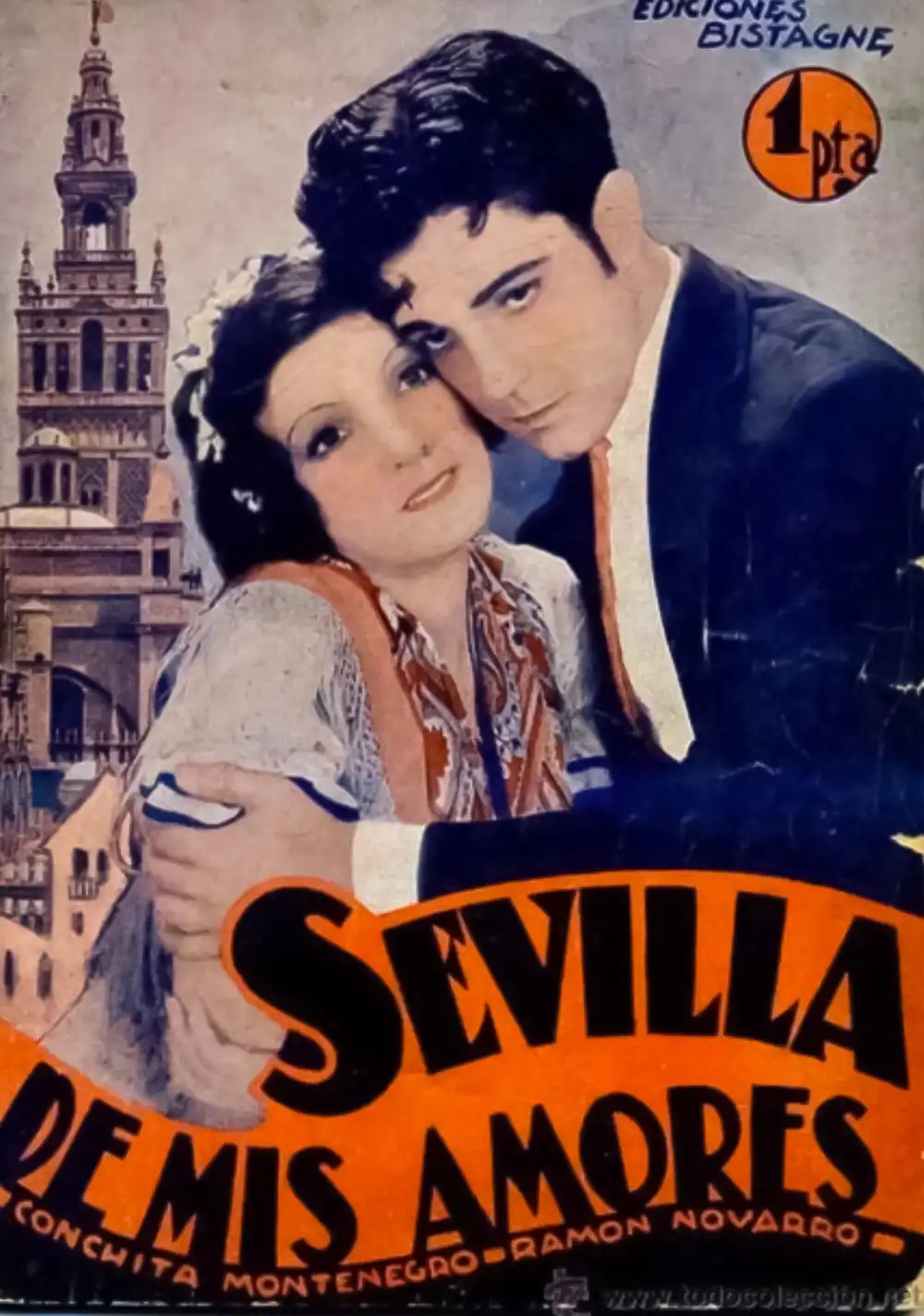
The costumes are *gorgeous*. So much lace and embroidery, especially in the flamenco scenes. It’s not just clothes; it’s part of the storytelling, showing off the culture and the period. They really went all out.
Sometimes, the acting feels a little big for today's tastes. People make huge gestures, their eyes wide. But you have to remember the stage acting traditions of the time. It’s not bad acting, just different acting. It's a performance.
The whole film has this pervasive sense of longing. Everyone seems to be yearning for something or someone. It’s a very romantic, almost melancholic, feeling that settles over you.
You can tell they filmed some of this on sets that were probably meant for a different version of the story. There are moments where the background feels a little… painted. But then they'll cut to a close-up that's just perfect.
That scene where someone is singing a traditional Sevillian song, it just *hits*. The voice, the guitar, it transports you. You don't even need to understand the words to feel the emotion. It's pure, unadulterated soul. 🎶
José Soriano Viosca, he plays a character who's always lurking, watching. His silent reactions are almost better than his lines. He’s got this intensity that feels very real.
The film doesn't rush anything. It takes its time with scenes, letting moments play out. This can feel slow, sure, but it also allows you to soak in the atmosphere. It’s not trying to grab you every second.
And the ending, well, it's the kind of dramatic, passionate finish you'd expect from a film like this. It doesn't necessarily tie everything up neatly, but it leaves you with a strong impression. It's a bit of a gut punch, in a good way.
IMDb 6.9
1934
Community
Log in to comment.