DbcultAccessing Vault...
5.7/10
Senior Film Conservator
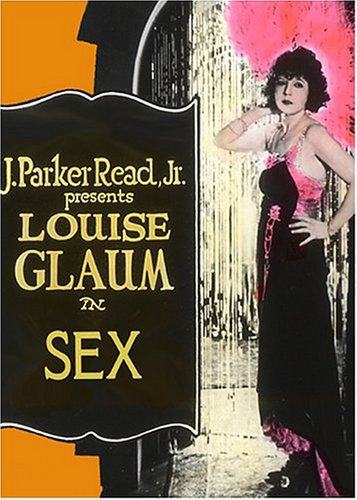
A definitive 5.7/10 rating for a film that redefined the boundaries of cult cinema. Sex remains a cornerstone of transgressive art.
In the annals of silent cinema, few titles command such immediate, provocative attention as 1920's Sex. Penned by the discerning hand of C. Gardner Sullivan, this film doesn't merely hint at its namesake; it plunges headlong into the intricate, often treacherous, dance of human desire and ambition, particularly through the lens of a woman unapologetically leveraging her allure in a world still grappling with shifting moral landscapes. It's a cinematic artifact that, even a century later, retains a potent, almost defiant, energy, daring viewers to confront the transactional undercurrents of social climbing and romantic entanglement.
The film's very existence, let alone its blunt title, speaks volumes about the burgeoning freedoms and simmering anxieties of the post-WWI era, a period often romanticized as the Roaring Twenties. But beneath the flapper dresses and jazz rhythms lay a complex societal fabric, one where women were increasingly asserting agency, sometimes in ways deemed scandalous. Sex is a brilliant, if perhaps uncomfortable, mirror to these societal shifts, focusing on a Broadway actress who weaponizes her sensuality with surgical precision.
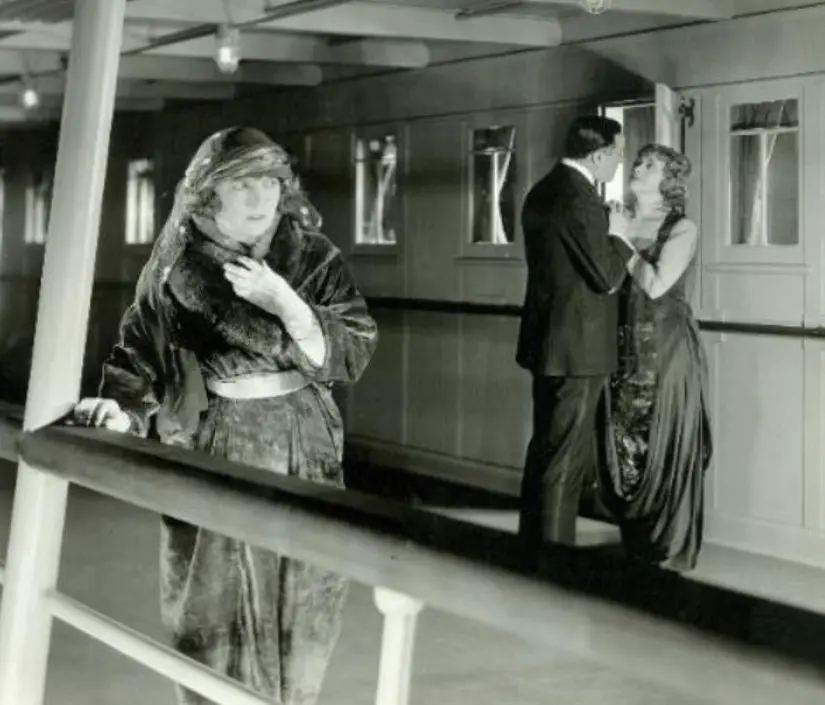
At the pulsating heart of this narrative stands Louise Glaum, whose performance as the unnamed Broadway enchantress is nothing short of mesmerizing. Glaum, known for her 'vamp' roles and often compared to Theda Bara, embodies a character who understands the power dynamics inherent in attraction, and more importantly, how to manipulate them for personal gain. Her portrayal isn't one of overt villainy, but rather a cool, calculated pragmatism. Every glance, every gesture, every subtle shift in her posture communicates a woman acutely aware of her effect on others, particularly men. She doesn't just play a character; she inhabits a force of nature, a siren for the modern age, whose ambitions supersede mere sentimentality.
The brilliance of Glaum’s performance lies in its nuance. She isn't a one-dimensional temptress; there are fleeting moments where one might glimpse a flicker of vulnerability, a hint of the societal pressures that perhaps forged such a formidable will. Yet, these moments are quickly subsumed by her overarching objective: to ascend, to secure a life of comfort and influence, regardless of the emotional collateral damage. It's a performance that demands attention, compelling viewers to both admire her strategic brilliance and recoil from her emotional detachment. Her presence alone elevates the material, transforming what could have been a simple melodrama into a compelling character study of a woman navigating a patriarchal world with unconventional, yet undeniably effective, tools.

The plot, deceptively simple in its premise, unfolds with a chilling precision: a Broadway actress, using her sex appeal, orchestrates the ruin of a marriage, only to discard her lover for a richer prospect. This narrative thread, while not entirely novel even for its time, gains its punch through the unflinching way it depicts the erosion of marital bonds. Irving Cummings, as the unfortunate target of our protagonist's affections, portrays a man easily swayed, perhaps a little too comfortable in his domestic bubble until it's violently punctured. His descent from respectable husband to discarded plaything is a stark commentary on vulnerability, ego, and the seductive power of the forbidden.
Myrtle Stedman, likely playing the wronged wife, embodies the societal ideal of the period – the steadfast, devoted spouse whose world is shattered by external forces. Her quiet suffering, conveyed through the exaggerated yet poignant gestures of silent film acting, serves as a powerful counterpoint to Glaum’s brazen ambition. The contrast highlights the era's rigid expectations for women, where one's value was often tied to marital status and fidelity. The film doesn't shy away from depicting the devastating ripple effects of infidelity, painting a grim picture of domestic collapse. This stark portrayal of marital destruction sets Sex apart from lighter romantic comedies of the period, aligning it more with serious dramas exploring social ills.
C. Gardner Sullivan, the film's writer, deserves considerable credit for crafting a narrative that, despite its sensational title, delves into complex human motivations. Sullivan, a prolific screenwriter of the era, avoids simplistic moralizing, instead presenting a compelling study of cause and effect. His script doesn’t preach; it observes, allowing the audience to draw their own conclusions about the characters’ ethics and the societal forces at play. The dialogue, conveyed through intertitles, is sharp and economical, driving the plot forward with a ruthless efficiency. It's a testament to Sullivan's skill that a story so focused on personal transgression feels less like a cautionary tale and more like an anthropological observation of human nature at its most self-serving.
The narrative structure, while linear, is punctuated by moments of intense emotionality and stark realism. Sullivan doesn't waste time on elaborate subplots; every scene, every interaction, serves to advance the core conflict and illuminate the protagonist's unyielding drive. This focused approach ensures that the film's provocative themes are explored with clarity and impact. The roles of Peggy Pearce, Robert Gorham, Jean Murat, and William Conklin, while perhaps less central, each contribute to the tapestry of metropolitan life that Sullivan so deftly weaves, providing further texture to the protagonist's social milieu and the targets of her relentless ambition.

While its title undoubtedly garnered attention and likely contributed to its success (and perhaps its notoriety), Sex is more than just a scandalous curiosity. It's a fascinating document of early 20th-century cinema grappling with adult themes. It predates the Hays Code, existing in a brief, relatively unbridled period of American filmmaking where such frank explorations were still permissible. This freedom allowed filmmakers like Sullivan and performers like Glaum to push boundaries, to depict aspects of human behavior that would soon be deemed too risqué for the silver screen.
Comparing Sex to other films of its era provides valuable context. While films like Eternal Love might have explored the dramatic heights of romantic devotion, Sex delves into its antithesis: love as a means to an end. It lacks the sweeping epic scale of something like The Reign of Terror, focusing instead on the intimate, corrosive drama of personal ambition. In its portrayal of a woman leveraging her sexuality, it might even be seen as a precursor to the more complex femme fatale archetypes that would populate film noir decades later, though without the overt moralistic framing that often accompanied those later portrayals. There's a raw, unvarnished quality to its depiction of desire that sets it apart from more conventional narratives of the time, such as the earnest struggles depicted in Les Misérables, Part 1: Jean Valjean, or the frontier adventures of The Sawdust Trail.

Even in the absence of sound, the film communicates its themes with remarkable clarity through its visual storytelling. The cinematography, though perhaps conventional by today's standards, effectively uses close-ups to capture Glaum's expressive face, highlighting her calculated charm and unwavering resolve. The settings, from the glittering lights of Broadway to the opulent interiors of the wealthy, serve as more than just backdrops; they are symbols of the world our protagonist desperately seeks to conquer. The costumes, too, play a crucial role, emphasizing the allure and sophistication of the Broadway actress, a visual shorthand for her power and influence. Every aspect of the film's production design works in concert to build a world where appearances and social standing are paramount, and where the pursuit of these can lead to ruthless decisions.
The dramatic tension is often built through clever editing and the actors’ highly stylized, yet deeply felt, performances. There’s a particular scene where Glaum’s character, having secured her new, wealthier prospect, dismisses her previous lover with a cold indifference that speaks volumes without a single word being uttered. It’s a masterclass in silent film acting, where the absence of dialogue forces a greater reliance on visual cues, body language, and facial expressions to convey complex emotions and intentions. This reliance on visual storytelling gives Sex a timeless quality, allowing its emotional beats to resonate even with modern audiences accustomed to more explicit forms of communication. It stands in stark contrast to the straightforward action of films like Fast Company or the more comedic narrative of Pay Day, choosing instead to linger in the uncomfortable complexities of human manipulation.
Ultimately, Sex is a film that demands to be seen not just for its audacious title or its historical significance, but for its enduring insights into human nature. It's a powerful statement on ambition, the commodification of desire, and the often-brutal realities of social mobility. While some might view it as merely sensational, a closer examination reveals a sophisticated, if cynical, commentary on the societal structures that both constrain and enable such characters. It reminds us that the complexities of human relationships, the allure of power, and the pursuit of personal gain are timeless themes, irrespective of the era or the medium. It doesn't offer easy answers or clear moral pronouncements, but rather invites contemplation on the choices people make and the consequences that ripple outward.
In an era that also saw films like The Patriot explore grand historical narratives and Darkest Russia delve into social injustice, Sex carved out its own niche by focusing on the intimate, often uncomfortable, truths of personal ambition. It’s a film that resonates because it touches upon universal desires and fears – the fear of being used, the desire for upward mobility, and the intoxicating power of attraction. Its legacy isn't just in its controversial title, but in its bold willingness to explore the less savory aspects of human interaction, making it a pivotal, if often overlooked, piece of cinematic history. It's a stark reminder that even in the silent era, cinema was unafraid to tackle themes that continue to provoke and fascinate us today, standing tall alongside other compelling character studies like Forbidden and the more straightforward narratives of films like Landing an Heiress, but with its own unique, unblinking gaze at the transactional nature of human connection.
IMDb 4.5
1918
Community
Log in to comment.