DbcultAccessing Vault...
5.8/10
Senior Film Conservator
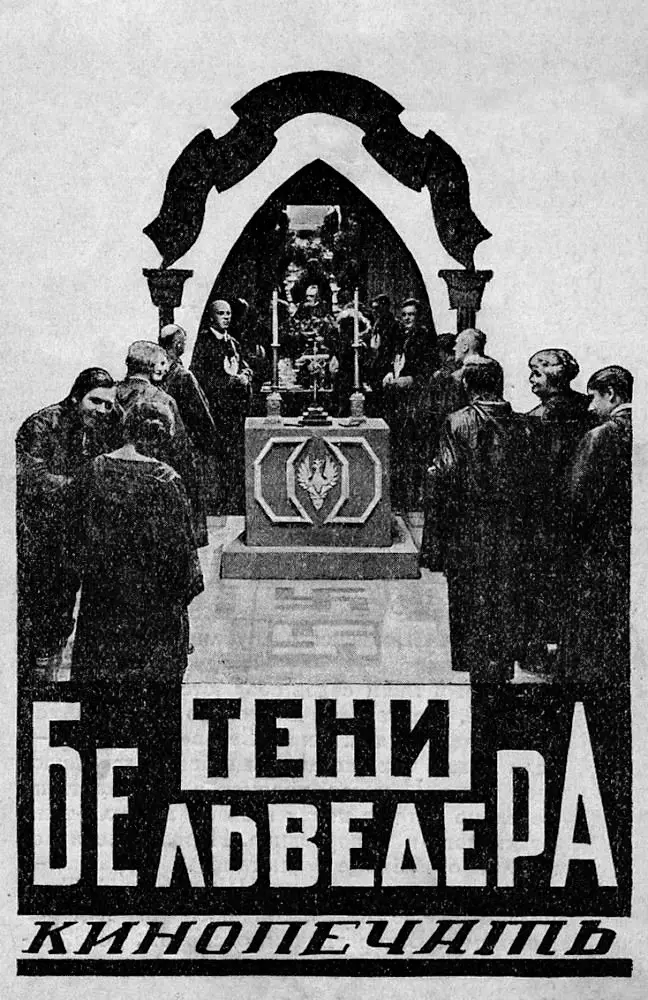
A definitive 5.8/10 rating for a film that redefined the boundaries of cult cinema. Shadows of Belvedere remains a cornerstone of transgressive art.
Is Shadows of Belvedere a lost masterpiece of romantic tragedy? Short answer: Yes, but only if you have the stomach for a narrative that prioritizes systemic cruelty over cinematic comfort. It is a film that demands your full attention and offers very little in the way of traditional catharsis.
This film is for the patient cinephile who values historical texture and the deconstruction of social hierarchies. It is absolutely not for those seeking a lighthearted period romance or a fast-paced political thriller.
1) This film works because it refuses to sentimentalize the plight of its protagonists, choosing instead to highlight the cold, bureaucratic indifference of the military state.
2) This film fails because the third-act pacing slows to a crawl, mirroring the exhaustion of exile a bit too effectively for the viewer's comfort.
3) You should watch it if you are interested in how early cinema handled the intersection of antisemitism and nationalism without the benefit of modern hindsight.
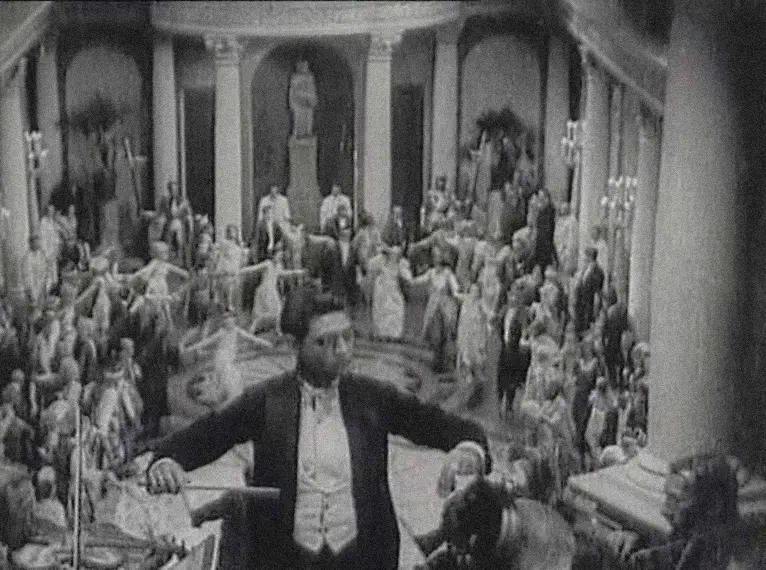
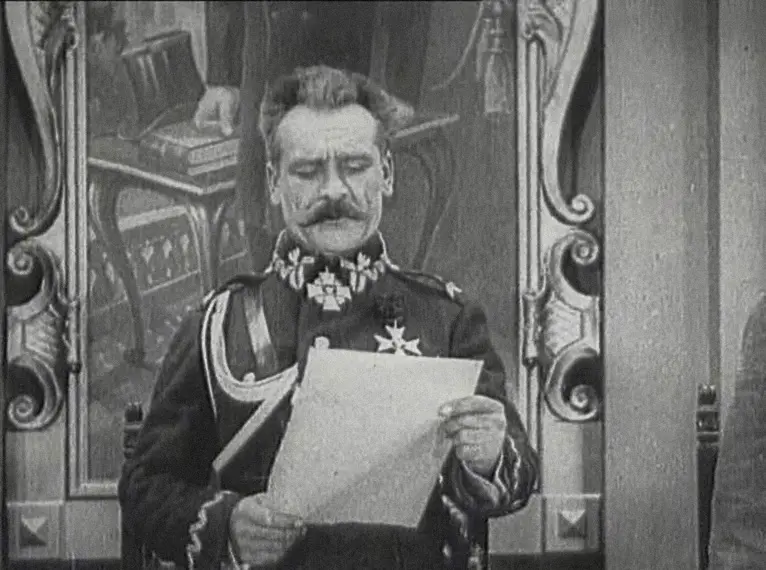
The opening act of Shadows of Belvedere establishes a world of sharp contrasts. We see Zvolinskiy, played with a stiff, almost painful dignity by K. Platonov, moving through the gilded halls of power. These scenes are shot with a sense of suffocating symmetry. Everything is ordered, polished, and dead.
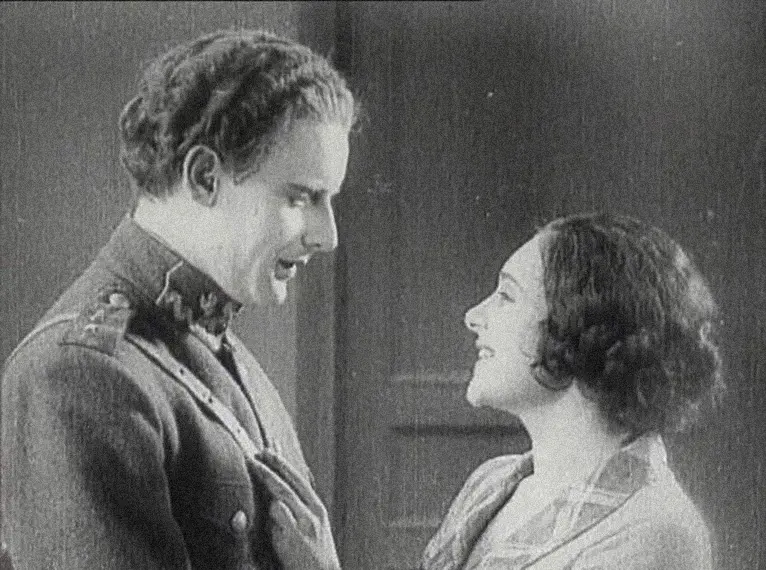
Contrast this with the introduction of Liya. The camera moves more fluidly, capturing the grit and vibrancy of her world. V. Kolpashnikov brings a raw, nervous energy to the role that makes the eventual romance feel like a desperate escape for both characters. Their chemistry isn't built on witty banter; it’s built on shared glances and the heavy silence of two people who know they are playing with fire.
When the accusation of treason arrives, the film doesn't lean into melodrama. Instead, it leans into the procedural. The interrogation scenes are some of the most effective in the film. Unlike the more theatrical approach found in His Own Law, the tension here is quiet. It’s the sound of a pen scratching on paper, the ticking of a clock, and the realization that the truth doesn't matter when the verdict has already been written.
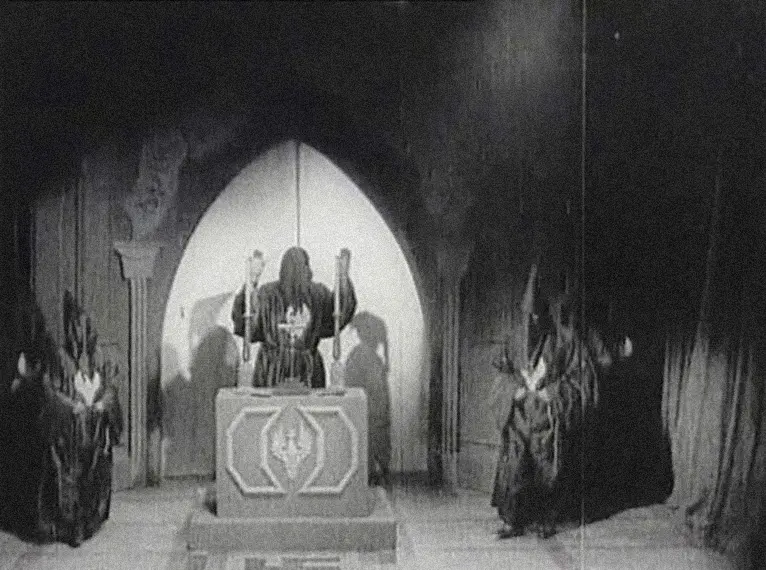
Aleksandr Zolin’s direction is most potent when he focuses on the architecture of the Belvedere. The building itself becomes a character—a cold, stone witness to the betrayal of its own soldiers. The use of shadows is literal and heavy. In the courtroom scene, the faces of the judges are often obscured, turning them into a monolithic force of the state rather than individual men.
This visual darkness serves as a precursor to the exile sequences. While many films of this era would use the transition to exile as a montage of suffering, Zolin lingers on the mundane. We see the dust, the fatigue, and the slow erosion of Zvolinskiy’s military posture. It is a brutal transformation. He starts the film as a man of iron and ends it as a ghost.
I would argue that the film’s cinematography is far more advanced than its contemporaries, such as Paradise Garden. Where that film uses light to denote purity, Shadows of Belvedere uses it to expose vulnerability. When Liya is in the spotlight during her trial, she doesn't look like a martyr; she looks like a victim of a system that she never fully understood.
Here is a debatable opinion: The presidential intervention is the film’s greatest narrative weakness. By commuting the death sentence to exile, the story loses its tragic inevitability. It feels like a concession to the audience, a way to provide a glimmer of hope in a story that has earned its darkness.
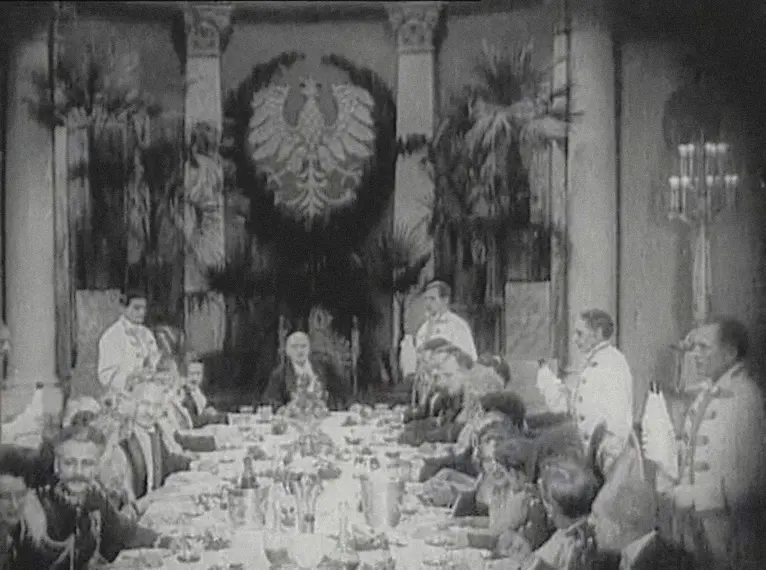
However, one could also argue that exile is a fate worse than death in this context. The film treats the loss of homeland as a spiritual execution. Zvolinskiy’s identity is tied to his uniform and his service. Without them, he is a shell. This nuance is what separates the film from more straightforward dramas like Ingeborg Holm, which focuses more on the societal failure than the internal identity crisis.
Yes, Shadows of Belvedere is worth watching for its historical significance and its uncompromising tone. It provides a window into a specific cultural anxiety that feels hauntingly relevant today. The performances of Platonov and Kolpashnikov are enough to carry the viewer through the slower moments of the second act.
The film succeeds in making the political personal. It’s easy to read about treason and exile in a history book, but seeing the physical toll on these two characters makes the history breathe. It’s a difficult watch, but a rewarding one for those who value substance over spectacle.
Pros:
Cons:
Shadows of Belvedere is a heavy, meaningful piece of work. It works. But it’s flawed. The film’s refusal to provide a happy ending is its greatest strength, even if the journey to that conclusion is occasionally exhausting. It stands as a testament to the power of cinema to reflect the darkest corners of the human experience. If you can handle the gloom, you will find a story that stays with you long after the credits roll.
"A film that understands that the greatest tragedies are often the quietest ones."
IMDb —
1932
Community
Log in to comment.