DbcultAccessing Vault...
Cult Review
Senior Film Conservator
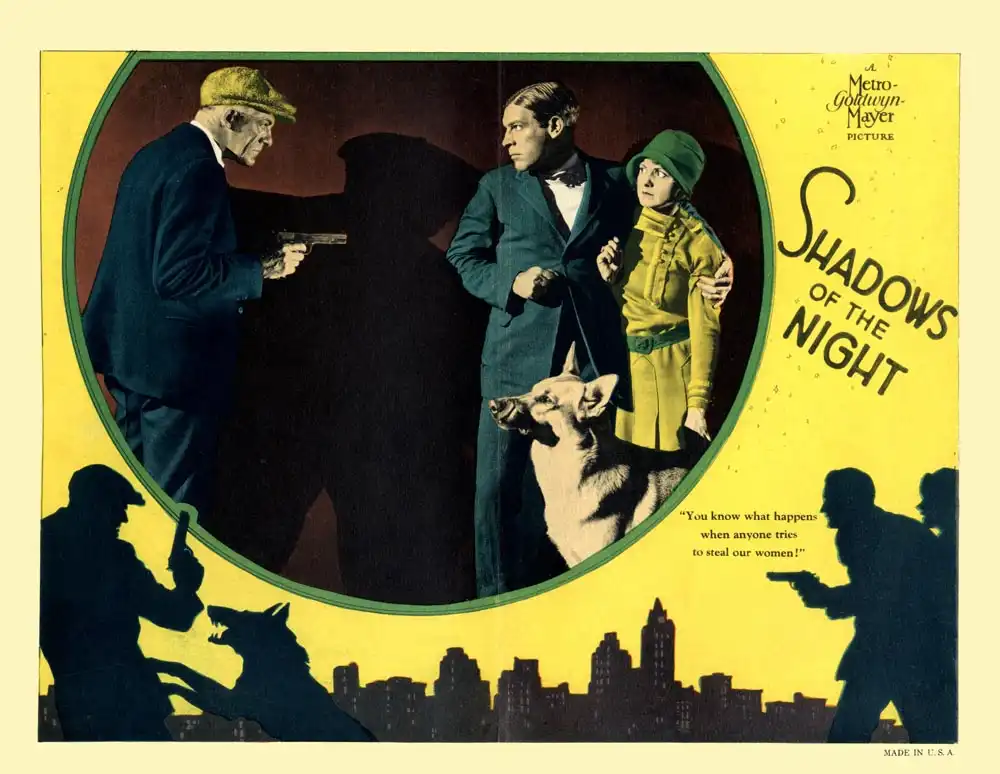
Okay, so let’s talk about Shadows of the Night. Right off the bat, if you’re not usually into silent films, this one might be a tough sell. But for those who appreciate the quirks and charm of early cinema, or if you’re just curious about how they did crime thrillers back in 1928, it’s
The plot itself feels pretty familiar, even for a film pushing a century old. Gray’s character, I think his name was something like Jimmy O’Brien, is always *just* on the verge of a breakthrough, or *just* getting himself into another scrape. It’s that classic reporter archetype, all hustle and no fear.
There's this one scene where Gray is tearing through papers in a dingy office, and the camera really hones in on his frantic energy. You can almost feel the urgent, dramatic piano music swelling right along with him. Then, a quick cut, and he finds a clue. Or he *thinks* he does, which is half the fun of these things.
Louise Lorraine’s role as the heroine feels a bit... functional. She’s there to be imperiled, to gasp dramatically, and occasionally to provide a lead. But she does it with this
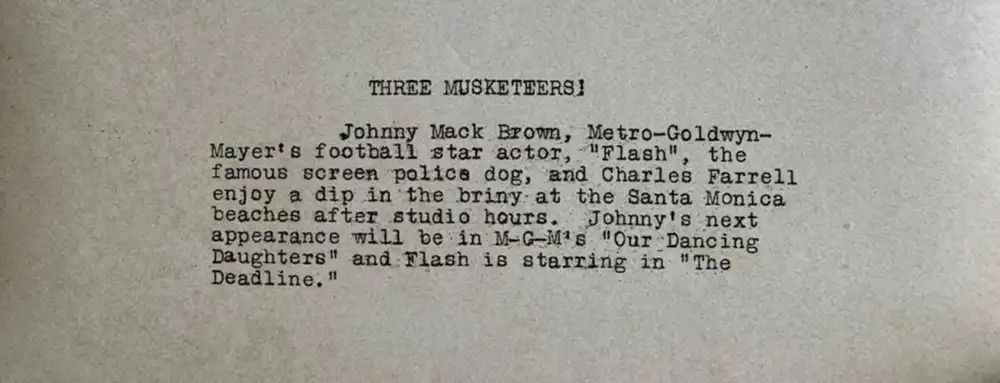
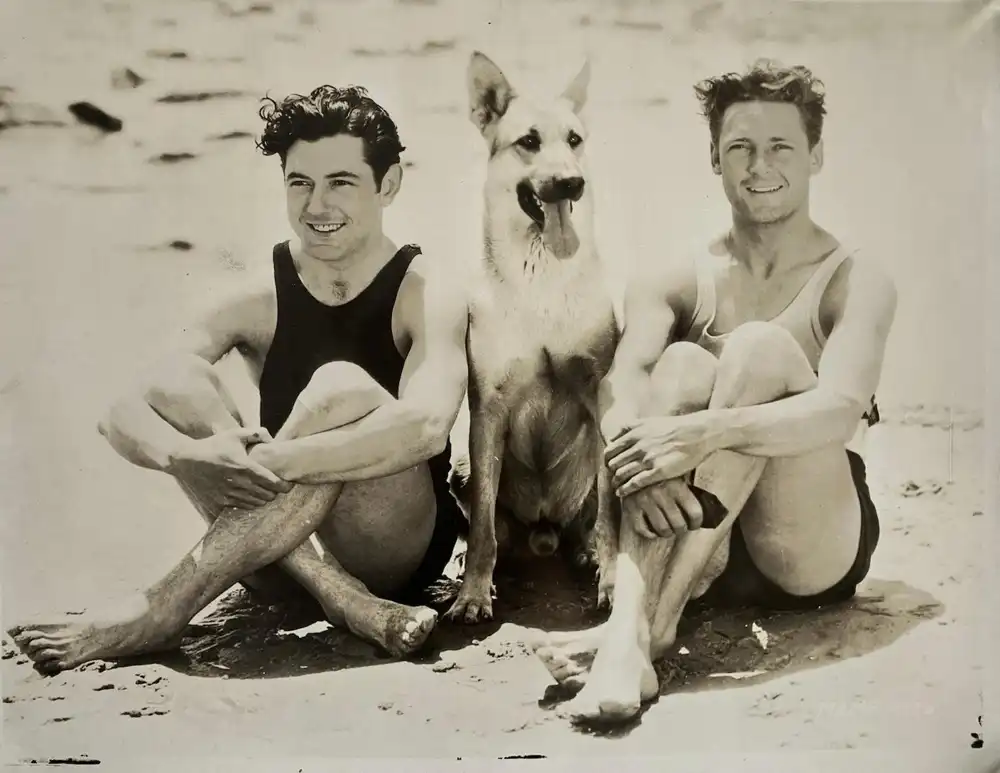
And let’s not forget Flash the Dog! 🐶 He pops up in a couple of scenes, mostly just existing. He doesn't solve any clues or save anyone from certain doom, but his presence is a nice, understated touch. He adds a tiny bit of unexpected life to some of the gloomier sets. Maybe the best non-speaking role, honestly.
The villains, led by Alphonse Ethier, are pretty standard for the era. Ethier himself has this one heavy-browed glare he gives, a very specific 'I am evil' look, that gets a
The action sequences are exactly what you'd expect from a 1928 picture. Lots of exaggerated flailing, dramatic falls, and props getting knocked over. There's a particular chase sequence across some rooftops that feels a little bit clunky, you know, but it has a certain quaint charm because everyone involved is just *so committed* to the bit. It’s all very earnest.
The title, Shadows of the Night, really does get a workout sometimes. There are some genuinely moody, atmospheric shots, especially when Gray is sneaking around in dimly lit alleys. Other times, the lighting feels a bit flat, almost like they had a genius lighting technician on Tuesday but he took Wednesday off. It’s inconsistent. That’s okay.
I also noticed a small, blink-and-you-miss-it detail during one of the newspaper montages: a prop headline was clearly glued on a bit crooked. It’s little things like that which just remind you that filmmaking back then was a much more rough-and-ready operation. You don't see that kind of charming imperfection much anymore.
The ending ties things up pretty neatly, maybe a little too neatly, if I'm honest. You get the sense they hit their required runtime and decided, 'Okay, that's enough.' But it’s satisfying enough, even if the final twist is a bit easy to spot. It's not a grand, sprawling epic, but a solid little piece of its time.
Don’t go into this expecting deep dives into criminal psychology or complex character arcs. It’s a pretty straightforward good versus evil kind of deal. A decent watch for silent film enthusiasts, or anyone who just wants to see how a reporter and a dog helped catch the bad guys in the roaring twenties. And to think, The Passion of a Woman Teacher came out around the same time!
IMDb 6.6
1924
Community
Log in to comment.